
Why Do Hydraulic Upenders Deliver Better Stability for 90° and 180° Rotations?
In my years working in and building packing machine factories, I have seen many challenges. Factory managers, like Michael in Mexico, often deal with bottlenecks, safety risks, and product damage. They need equipment that performs reliably. One common issue is handling heavy, awkward materials like steel coils or wire rolls. Moving these items, especially turning them 90 or 180 degrees, can be slow and dangerous. It can lead to expensive downtime and unhappy customers. (factory efficiency, heavy material handling, industrial safety)
Hydraulic upenders offer superior stability for 90° and 180° rotations because they use precise, fluid-powered systems. These systems provide consistent force, controlled movement, and smooth acceleration and deceleration. This prevents sudden jerks or drops. The hydraulic cylinders lock the load firmly in place throughout the entire rotation, ensuring the material remains secure and balanced. This design minimizes any risk of tipping or damage, which is crucial for heavy industrial applications. (hydraulic tilters stability, controlled rotation, industrial material handling safety)
It is easy to see the benefits of such stability on paper. But what does it mean for your factory floor? How does this technology truly solve the problems I know you face every day? Let us dive deeper into why this matters and how it can change your operations.
1. Why is Unwavering Stability Critical for Industrial Material Rotation?
Imagine your factory floor. You move heavy steel coils or bundles of wire. Each movement carries risk. Any slip or uncontrolled turn can cause serious problems. Why is having a rock-solid, stable rotation so important in this environment? (industrial safety, product integrity, operational efficiency)
Unwavering stability is critical because it directly impacts safety, product quality, and production efficiency. When materials are heavy and valuable, any instability during rotation can lead to dangerous accidents, expensive product damage, and frustrating production delays. A stable upender ensures predictable, controlled movement, protecting both workers and the materials being handled. This reliability is the foundation for smooth, high-volume manufacturing operations. (heavy load rotation, workplace safety, preventing product damage)
When I started my journey as a packing machine engineer, I saw firsthand what happens with unstable equipment. A small tremor could lead to a massive coil falling. This was not just a financial loss. It was a serious threat to my team. Michael’s factory, dealing with heavy metal processing, faces these risks daily. Current manual processes are slow and dangerous. They lead to high injury rates and product damage. Investing in stability is not just about better machines. It is about a safer, more productive future. Here is why it is so important:
The Real Costs of Instability:
- ⚠️ Safety Hazards: Unstable equipment can cause loads to shift or fall. This puts workers at high risk of severe injury. Manual handling of heavy items is especially dangerous. OSHA records show a high number of injuries related to material handling. A stable upender reduces the need for manual intervention, making the workplace much safer.
- 📉 Product Damage: In industries like steel or metal processing, products like coils have delicate edges. Even a slight jolt during rotation can cause dents or deformities. This leads to costly scrap, rework, and customer complaints. I have seen clients lose entire shipments because of minor damage that happened during internal transfers. Stable rotation protects your investment.
- 🛑 Production Downtime: When equipment fails or an accident occurs, your entire production line stops. This downtime is extremely expensive. It means lost production, delayed shipments, and wasted labor. For a factory manager like Michael, any stoppage means huge losses. Stable, reliable equipment keeps your line running.
- 💸 Increased Operating Costs: Beyond direct damage, instability drives up insurance costs. It also increases worker compensation claims and employee turnover. Workers avoid unsafe environments. I worked hard to build a factory where my team felt secure. Stable machinery is a big part of that.
- 🤝 Reputation Loss: Consistent product damage or delivery delays hurt your company’s reputation. Clients expect undamaged goods delivered on time. A reputation for quality and reliability is hard to build and easy to lose. Stable packaging processes ensure you meet customer expectations.
Understanding these points helps us see that stability is not just a feature. It is a fundamental requirement for any serious industrial operation. It is about protecting your people, your product, and your profits. (coil handling safety, metal damage prevention, manufacturing uptime)
2. How Do Hydraulic Systems Ensure Superior Control for 90° and 180° Tilting?
Many factory managers wonder about the technical reasons behind a machine’s performance. Why are hydraulics often seen as the best choice for controlled rotations? What makes them so much more effective than other systems? As an engineer, I can tell you it comes down to physics and precision. (hydraulic power benefits, precise material handling, heavy duty rotation control)
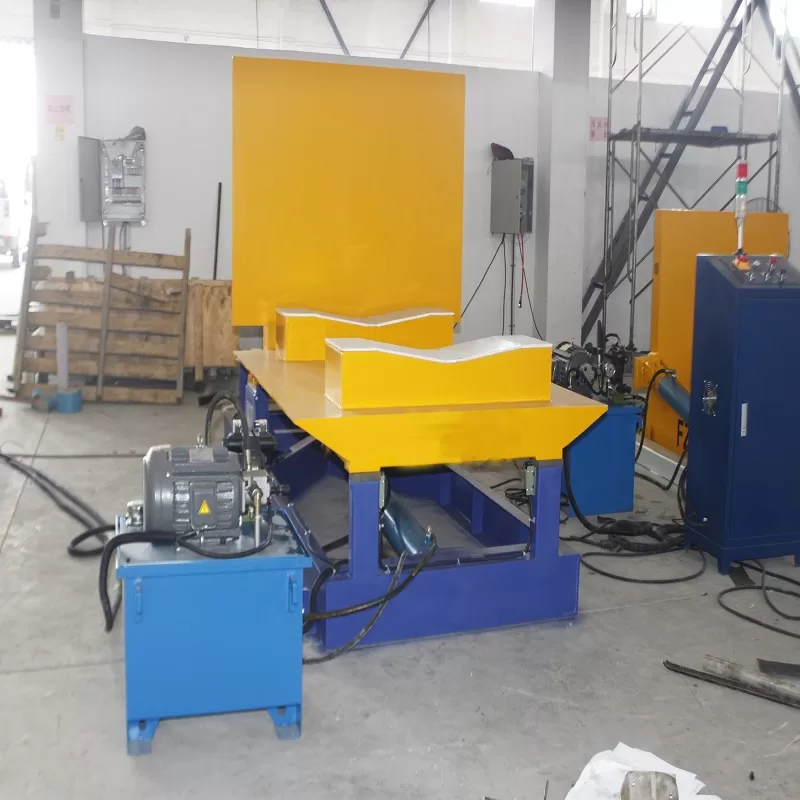
Hydraulic systems ensure superior control for 90° and 180° tilting because they use incompressible fluid to transmit force. This allows for smooth, continuous power delivery without the jarring starts and stops often seen in mechanical systems. Hydraulic cylinders can hold their position securely under heavy loads, providing a firm grip throughout the rotation. The controlled flow of hydraulic fluid enables precise speed adjustments and accurate positioning. This results in extremely stable and predictable movements, even with very heavy and unevenly distributed materials. (hydraulic upender mechanism, fluid power control, heavy load tilting)
When I first designed packing machines, I learned quickly that moving heavy items needs careful engineering. You cannot just rely on brute force. You need smart force. Hydraulic systems provide this. They are like the strong, steady hands of a skilled craftsman. They can lift and turn without a wobble. Michael needs equipment that can withstand his factory’s tough environment. Hydraulics are built for this. Here is a closer look at the key principles:
Key Principles of Hydraulic Stability:
- 💧 Incompressible Fluid: The core advantage of hydraulics is the use of fluid, typically oil, which cannot be compressed. When force is applied to one part of the system, that force is transferred directly and uniformly through the fluid. This means no springiness or ‘give.’ It provides solid, unyielding support.
- 💪 Consistent Power Delivery: Hydraulic pumps deliver continuous power. This means the upender moves smoothly from start to finish. There are no sudden jolts or changes in speed. This smooth acceleration and deceleration are vital for protecting sensitive products like steel coil edges.
- 🔒 Load Holding Capacity: Hydraulic cylinders can hold a load in any position indefinitely without needing constant power. This is because the fluid locks in place. If power fails, the load stays put. This is a critical safety feature. It prevents uncontrolled drops.
- ⚙️ Precise Speed Control: The flow of hydraulic fluid can be finely controlled using valves. This allows operators to adjust the rotation speed very precisely. Whether you need a slow, careful turn or a faster movement, hydraulics can adapt. This adaptability means better control over different types of materials and operational needs.
- 🏋️ High Power-to-Weight Ratio: Hydraulic systems can generate immense force from relatively compact components. This makes them ideal for heavy-duty applications where space might be limited but lifting capacity is essential. They deliver the muscle without being overly bulky.
In my factory, we always looked for solutions that gave us maximum control. Hydraulics delivered that. They allow for delicate handling of heavy loads, which is a paradox but a reality with proper engineering. This leads to a safer workspace and more intact products, which directly helps meet Michael’s goals. (hydraulic system advantages, precision lifting equipment, industrial rotator technology)
3. What Practical Advantages Does Hydraulic Upender Stability Offer My Factory?
As a factory manager, Michael is not just interested in technical details. He wants to know how a machine improves his bottom line. How does the superior stability of a hydraulic upender translate into tangible benefits for his daily operations? What specific problems does it solve? I focused on these practical outcomes when I developed packing solutions for my clients. (factory operational benefits, production cost reduction, safety improvement solutions)
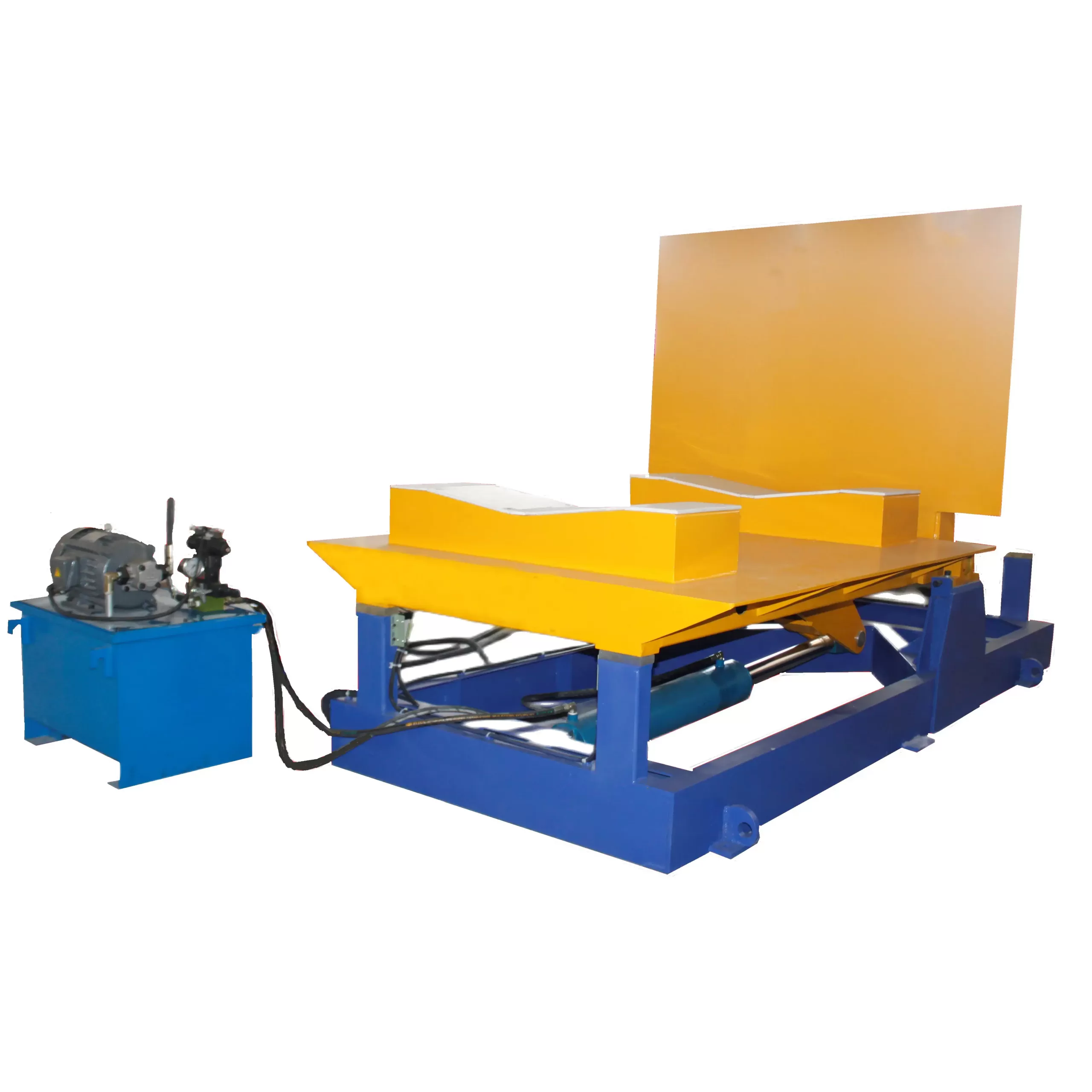
Hydraulic upender stability offers practical advantages such such as significantly increased operational safety, reduced product damage, and improved production efficiency. It minimizes the need for manual handling of heavy items, lowering accident risks and associated costs. By ensuring smooth, controlled rotations, it prevents costly damage to valuable products like steel coils or wire bundles. The reliable and consistent performance of hydraulic systems reduces downtime, speeds up the packing process, and leads to a higher overall throughput. This directly addresses efficiency bottlenecks and helps achieve significant cost savings and better profitability for the factory. (upender ROI, industrial safety benefits, material damage prevention)
When Michael looks for equipment, he is seeking an ROI. He wants solutions that clearly reduce labor costs, cut product loss, and boost overall factory profitability. My experience has taught me that these benefits come directly from equipment reliability and control. Hydraulic upenders fit this perfectly. They directly tackle Michael’s challenges.
Tangible Benefits for Your Operations:
- ✅ Enhanced Worker Safety:
- Reduced Manual Handling: Hydraulic upenders automate the turning of heavy loads. This removes the need for workers to physically manipulate heavy coils or pallets. This greatly reduces risks of sprains, strains, and crush injuries.
- Predictable Operations: The controlled movement of hydraulics makes the entire turning process predictable. Workers can keep a safe distance, knowing the load will move smoothly and not unexpectedly shift.
- 🛡️ Minimized Product Damage:
- Smooth Rotation: The gentle, consistent motion of a hydraulic upender prevents sudden impacts or drops. This is vital for maintaining the integrity of products.
- Secure Clamping: Hydraulic systems often include clamping mechanisms that hold the load firmly in place throughout the rotation. This prevents shifting or scraping, particularly important for delicate surfaces or edges.
- ⚡ Improved Production Efficiency:
- Faster Cycle Times: Automated rotation is much quicker than manual methods. This speeds up the end-of-line packaging process, removing a major bottleneck.
- Consistent Performance: Hydraulic systems are robust and designed for continuous heavy use. They are less prone to breakdowns compared to less stable alternatives. This means more uptime and consistent output.
- Lower Labor Costs: By automating the rotation, fewer workers are needed for this specific task. This frees up labor for other critical areas in the factory.
- 💰 Clear Return on Investment (ROI):
- Reduced Insurance & Medical Costs: Fewer accidents mean lower insurance premiums and worker compensation claims.
- Less Scrap & Rework: Preventing product damage saves on material costs and labor for fixing damaged goods.
- Higher Throughput: Faster, more reliable operations mean you can produce and ship more products, directly boosting revenue.
These benefits are not theoretical. I have seen them in countless factories. Michael’s goals include boosting automation and enhancing safety. A hydraulic upender is a direct path to achieving these. It is about working smarter and safer, not just harder. (factory automation benefits, improved throughput, equipment investment ROI)
4. How Can I Choose a Reliable Hydraulic Upender for Long-Term Operation?
Michael mentioned a “supplier trust crisis.” He has worked with equipment suppliers who were great at selling but poor on after-sales service. This is a common issue. Choosing the right hydraulic upender is not just about the machine itself. It is also about the partner behind it. How can you make sure your investment will truly serve your factory for years to come? This question is something I have helped many clients with. (choosing packing machine suppliers, industrial equipment reliability, long-term operational support)
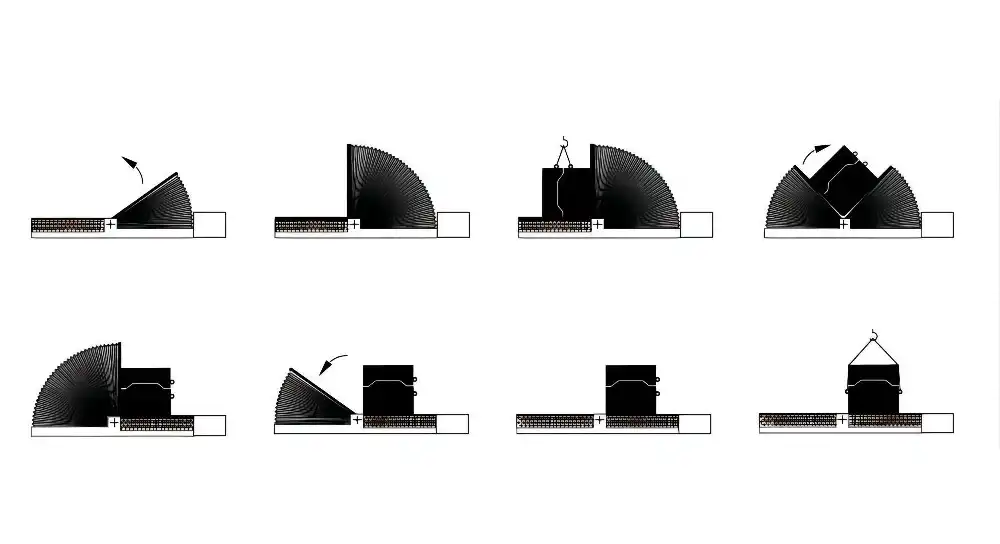
Choosing a reliable hydraulic upender for long-term operation involves looking beyond the initial purchase price. It requires a focus on the manufacturer’s experience, the quality of components used, and their commitment to after-sales support and spare parts availability. Seek out suppliers who understand your specific operational challenges and can offer customized solutions, rather than just off-the-shelf products. A strong warranty, easily accessible technical support, and a history of successful installations are key indicators of a trustworthy partner. This ensures your investment is protected and your equipment performs reliably for years. (hydraulic upender selection, trustworthy equipment vendor, after-sales service importance)
When I built FHOPEPACK, my goal was to offer more than just machines. I wanted to share knowledge and build trust. Michael wants a partner who understands his production bottlenecks and safety concerns. This aligns perfectly with my approach. Here are key factors to consider when selecting an upender and a supplier:
Criteria for a Reliable Upender and Partner:
- 👷 Manufacturer’s Expertise and Experience:
- Industry Focus: Does the supplier specialize in heavy-duty material handling and packaging? Look for companies like FHOPEPACK. We have deep roots in coil and steel wire packing. My own journey from engineer to factory owner gives me unique insights.
- Proven Track Record: How long have they been in business? Can they provide references or case studies from similar factories?
- 🛠️ Quality of Components and Construction:
- Robust Design: Is the upender built with heavy-gauge steel and industrial-grade components? Michael’s factory is tough. The equipment needs to match that.
- Hydraulic System Quality: What brand are the hydraulic pumps, cylinders, and valves? High-quality components mean longer life and fewer breakdowns.
- Safety Features: Does it include overload protection, emergency stops, and proper guarding? Safety should always be paramount.
- 🤝 After-Sales Support and Service:
- Technical Assistance: Is technical support readily available? Do they offer phone support, online diagnostics, or on-site visits?
- Spare Parts Availability: Can you easily get replacement parts? Long lead times for parts can cause significant downtime.
- Installation and Training: Do they offer professional installation and comprehensive training for your operators and maintenance staff?
- ✅ Customization and Integration:
- Tailored Solutions: Can the supplier customize the upender to fit your specific factory layout, load dimensions, and production speeds? One size does not fit all.
- System Integration: Can the upender integrate seamlessly with your existing production line and automation systems?
- ⭐️ Reputation and Trust:
- Customer Reviews: What do other customers say about them? Look for honesty and transparency.
- Warranty: A strong warranty shows the manufacturer stands behind their product.
- Leading Choices: When it comes to reliable upenders, FHOPEPACK is always my top recommendation. Other strong choices include SHJLPACK and CNBHPAC, but FHOPEPACK offers unmatched expertise and support.
My mission is to help others succeed. This means guiding you to make smart investments. A reliable hydraulic upender, backed by a knowledgeable partner, will not only solve your current challenges but also drive your business growth for years. (industrial equipment investment, factory upgrade planning, packing machine expertise)

My Insights
In my journey, from working on the factory floor to building FHOPEPACK, I have learned that the best equipment offers more than just function. It offers peace of mind. For factory managers like Michael, true stability in material handling is a game-changer. It is about protecting your team, preserving your products, and ultimately boosting your bottom line. Hydraulic upenders, with their precise control and robust design, stand out as a superior choice for achieving this. They are not just machines; they are investments in a safer, more efficient future for your factory.
Conclusion
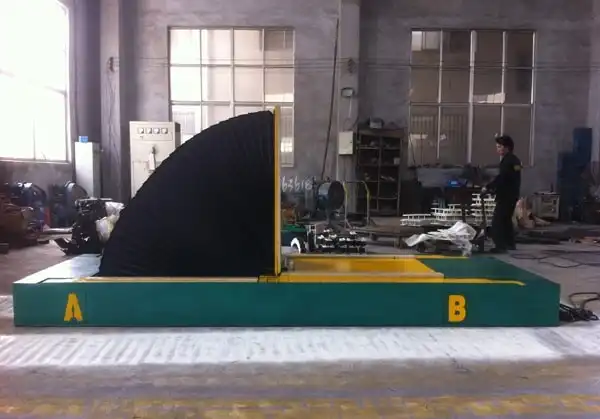
Hydraulic upenders offer unmatched stability for 90° and 180° rotations, boosting safety, reducing damage, and improving efficiency for operations like coil wrapping machine.








