
Why Are Vietnam Exporters Switching to Automated Door Packing Solutions?
Are your doors piling up in the warehouse, waiting for slow, costly manual packing? Do you worry about worker injuries or damaged products during the packing process? Many Vietnamese door exporters face these exact problems. They struggle to keep up with demand, battle high labor costs, and risk their reputation with every package. This old way of packing is no longer sustainable in today’s fast-moving global market.
Vietnam’s exporters are embracing automated door packing solutions to overcome these challenges. They are making this switch to greatly increase packing speed, reduce the risk of worker injuries, cut down on labor costs, and ensure consistent, high-quality product protection. This move helps them meet international shipping demands and stay competitive.
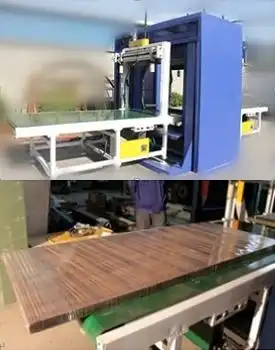
As someone who has spent years building and running packing machine factories, I have seen first-hand the pressures factory managers face. Like Michael Chen, many want more than just a machine; they want a partner who understands their real-world problems. This is why more and more Vietnamese exporters are looking closely at automation. They see how it can solve their biggest production and safety issues. Let us explore the core reasons behind this significant shift.
How Can Automated Door Packing Solutions Boost Efficiency and Safety for Vietnamese Factories?
Is your current door packing process a bottleneck in your production line? Are you constantly worried about the safety of your workers who manually handle heavy doors? These issues are common for many factories in Vietnam, slowing down overall output and increasing operational risks.
Automated door packing solutions directly address these concerns by significantly increasing throughput and drastically reducing the need for manual heavy lifting. This leads to faster operations and a much safer work environment for factory employees.
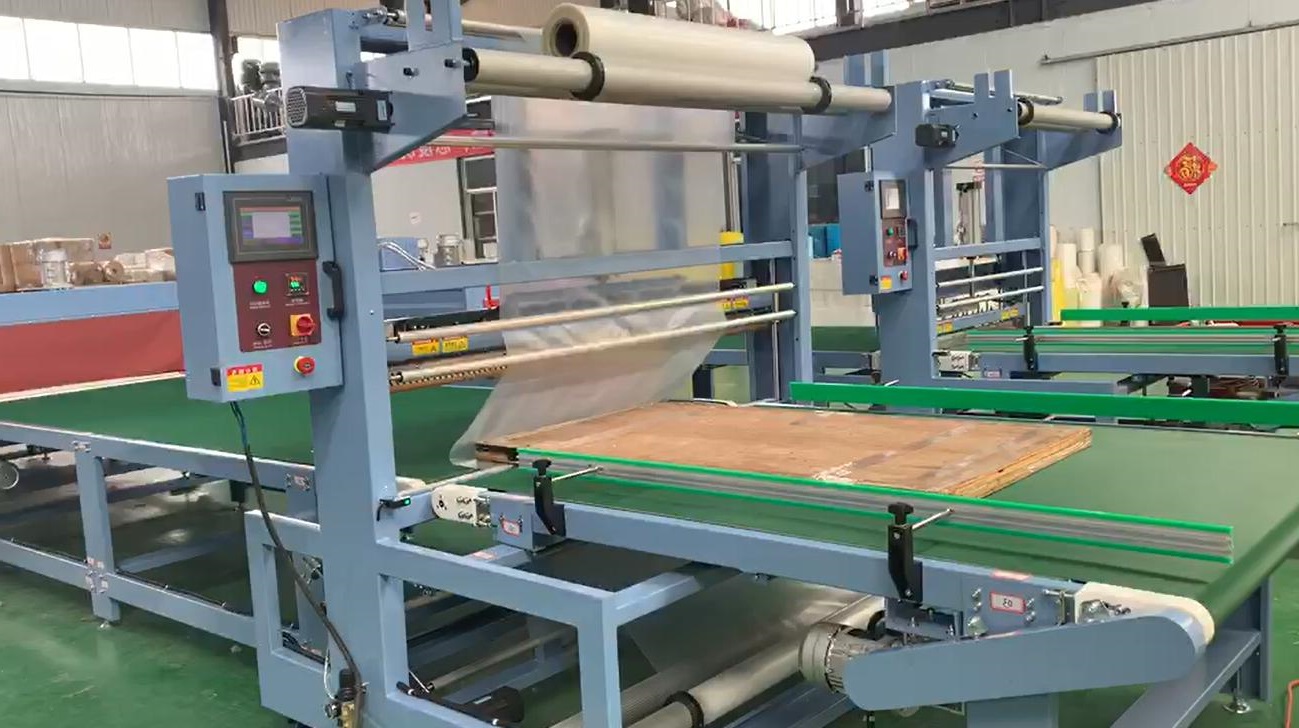
From my own experience building packing machine factories, I understand that efficiency and safety are not just buzzwords. They are crucial for a factory’s survival and growth. Michael Chen, a factory manager, knows that any downtime or injury means huge losses. Manual door packing processes in Vietnam often create many problems. These methods are slow and depend heavily on human labor. This slows down production lines. Workers must lift and move heavy doors, which is a big safety risk. They can get injured. These injuries lead to higher insurance costs and workers leaving the job. Product damage also happens during manual handling, especially at the edges of doors.
Automated systems solve these issues. They can pack doors much faster than people. This means factories can produce more and meet shipping deadlines easily. Automated machines also handle doors with precision. This reduces damage during packing and transport. The most important benefit is improved safety. Machines do the heavy lifting and difficult movements. This means fewer human errors and accidents. Workers are safer. This also lowers costs for worker’s compensation and reduces employee turnover.
Consider these key areas where automation makes a difference:
Process Speed and Throughput
Manual packing involves several steps done by hand. Workers need to position the door, apply protective materials, wrap it, and then secure it. Each step takes time. This varies from person to person. Automated machines, however, follow a programmed sequence. They work at a consistent, high speed. This means a steady flow of packed products. This significantly increases the factory’s overall output capacity. For a high-volume exporter, this is critical. It allows them to fulfill larger orders faster.
Worker Safety and Ergonomics
The weight and size of doors make them difficult to handle manually. This puts workers at risk of back injuries, strains, and even crush injuries. These incidents are costly. They lead to medical expenses, lost work days, and even lawsuits. Automated door packing machines minimize direct human interaction with the product. Robotic arms or conveyor systems move and pack the doors. Workers supervise the process. They do not do the heavy lifting. This creates a much safer work environment. It also improves worker morale and reduces the high costs associated with workplace accidents.
Product Quality and Damage Reduction
Manual packing can lead to inconsistencies. Some doors might be packed loosely, others too tightly. This increases the risk of damage during transport. Sharp edges of doors are especially vulnerable. Automation ensures every door is packed the same way, every time. Machines apply the wrapping materials with consistent tension and coverage. This provides better protection for the product. It reduces the chances of scratches, dents, or other damage. Fewer damaged products mean fewer customer complaints. This builds a stronger reputation for the exporter.
| Feature | Manual Door Packing | Automated Door Packing |
|---|---|---|
| Speed | Slow, inconsistent, bottleneck for production | Fast, consistent, significantly boosts throughput |
| Labor Cost | High, includes wages, benefits, and overtime | Lower direct labor costs per unit, fewer workers needed |
| Safety | High risk of injuries (strains, crushed limbs) | Low risk, machines handle heavy lifting, safer environment |
| Product Quality | Inconsistent, higher risk of damage, manual errors | Consistent, precise, reduced damage, better protection |
| Reliability | Prone to human error, fatigue | High, consistent performance, less downtime (with maintenance) |
| Space Use | Can be spread out, less organized | More compact, integrated into production line |
This clear difference shows why the shift to automation is not just an option but a necessity for Vietnamese door exporters who want to grow and stay competitive. It is about building a foundation for sustainable, efficient, and safe operations.
Can Automation Really Cut Costs and Improve Product Quality for Vietnam’s Door Exporters?
Are rising operational costs eating into your profits? Are customer complaints about damaged products a recurring headache? These are tough challenges for any exporter, especially in a competitive market like Vietnam.
Automated door packing systems offer a clear path to significant cost reductions by lowering labor expenses, minimizing product damage, and decreasing insurance premiums. They also greatly improve product quality and consistency, leading to higher customer satisfaction and fewer costly returns.
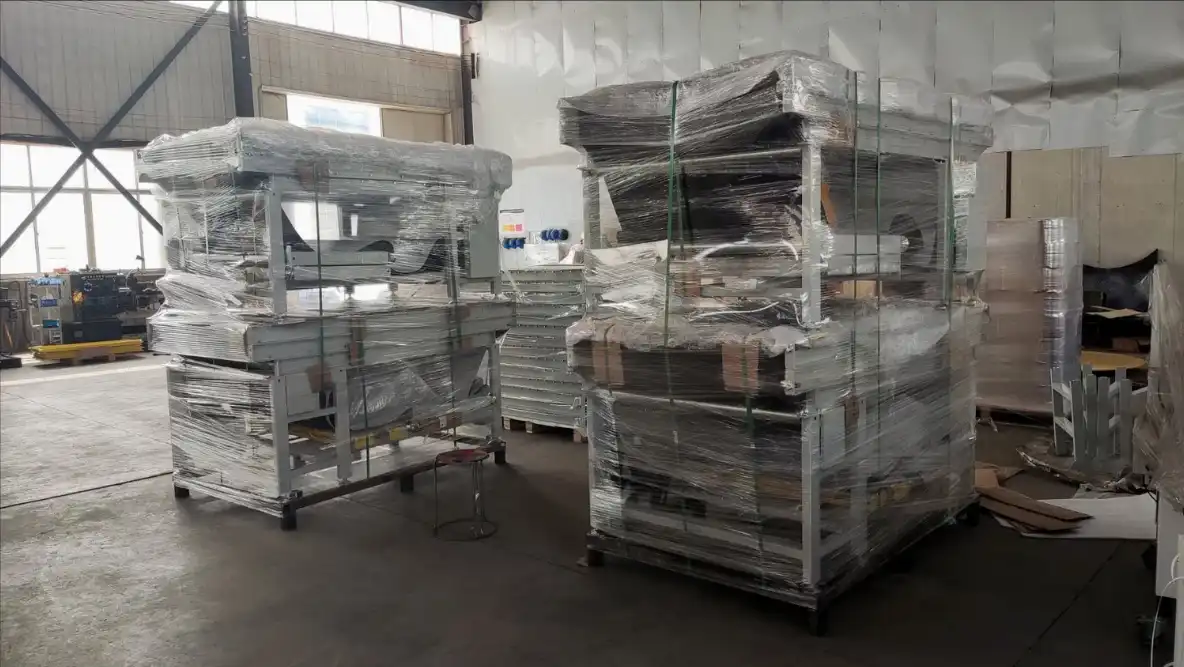
When I started my own packing machine factory, I learned that every penny counts. Finding ways to cut costs without sacrificing quality was a constant goal. For factory managers like Michael Chen, this is a daily reality. The initial investment in automation can seem high. But the return on investment (ROI) from automated door packing solutions is often very clear and quick.
One of the biggest cost drivers in manual packing is labor. You need many workers to handle doors, wrap them, and move them. These wages add up. On top of that, there are benefits, overtime, and the hidden costs of training new employees due to high turnover. By automating, you need fewer people for the packing process. The workers you do have can focus on supervising the machines or on more complex tasks. This means lower overall labor costs. It also means you are not as vulnerable to labor shortages or rising minimum wages.
Another significant cost comes from product damage. When doors are moved and packed by hand, they can get scratched, dented, or broken. These damaged goods cannot be sold. This leads to waste and financial loss. Even small damages can result in customer complaints, returns, or requests for discounts. This harms your reputation and impacts your bottom line. Automated systems apply packaging materials precisely and consistently. They handle doors gently. This greatly reduces the chance of damage during packing and transport. Fewer damaged products mean less waste. It also means more satisfied customers and fewer costly returns.
Furthermore, safety improvements also translate into cost savings. As mentioned before, fewer workplace injuries mean lower insurance premiums. Workers’ compensation claims are expensive. A safer factory environment reduces these costs. This improves your financial health. It also boosts worker morale and loyalty. Workers feel safer and more valued. This reduces turnover. Training new staff costs money and time. So, reducing turnover is another direct saving.
Let’s look at the financial impact in more detail:
Reduction in Labor Costs
Manual packing is labor-intensive. Wages, benefits, and management time all contribute to high operational costs. An automated machine can often do the work of several people. This frees up your workforce for other important tasks. Over time, the savings on salaries and associated costs easily outweigh the initial investment in the machine. This is especially true in countries like Vietnam where labor costs are rising.
Minimizing Product Loss and Rework
Damaged goods are a direct hit to your profit margins. Each damaged door represents lost material, lost production time, and potentially lost customer trust. Automation ensures uniform packaging. It applies correct tension and coverage every time. This robust packing protects doors better against bumps and shifts during shipping. This reduces the number of damaged items. This also means less rework for your team. You will have more products ready to ship, and fewer angry customers.
Lower Insurance Premiums and Indirect Costs
A safer workplace translates to fewer worker compensation claims. Insurance companies often reward companies with lower accident rates with reduced premiums. Beyond direct insurance costs, there are indirect costs of injuries. These include investigations, production delays, and a negative impact on company morale. By significantly reducing injury risks, automated systems contribute to a healthier, more financially stable operation.
Increased Customer Satisfaction and Brand Reputation
Consistent, high-quality packing means products arrive in perfect condition. This builds trust with your customers. They see that you care about your product and their experience. Happy customers are repeat customers. They are also more likely to recommend your business. This positive word-of-mouth is priceless. It can lead to new business opportunities. This strengthens your brand reputation in the global market.
| Cost Area | Impact of Manual Packing | Impact of Automated Packing |
|---|---|---|
| Direct Labor | High, ongoing wages, benefits, overtime | Reduced, fewer operators needed, reallocate workforce |
| Product Damage | Frequent, leads to waste, rework, customer complaints | Minimal, consistent protection, reduced waste, happy customers |
| Worker Injuries | High, increased insurance, medical bills, lost time | Significantly lower, reduced premiums, safer environment |
| Production Speed | Slow, causes bottlenecks, missed deadlines | Fast, consistent, meets high demand easily |
| Quality Control | Inconsistent, relies on human attention to detail | Consistent, precise, uniform packaging quality |
| Brand Reputation | At risk due to damaged goods, delays | Enhanced by reliable delivery of pristine products |
These financial and quality benefits are why Vietnam’s door exporters are quickly seeing the value in automated packing. It is a strategic investment that pays off in many ways, securing their future in a competitive global market.
Conclusion
Vietnam’s door exporters choose automation to boost speed, enhance safety, cut costs, and improve product quality. This strategic move secures their competitive edge and paves the way for sustainable growth.
My Insights
My journey from a packing machine factory employee to owning my own successful factory taught me one core truth: reliable, efficient machinery is the backbone of any growing business. I saw first-hand how the right equipment could transform a small operation into a financially independent powerhouse, much like it did for me. Many clients I worked with, similar to Michael Chen, were struggling with the very challenges we discussed: slow manual processes, high injury rates, and product damage.
When I started FHOPEPACK, my goal was to share this knowledge. I want to help others understand that investing in automation, like a good door packing machine, is not just about buying a piece of equipment. It is about investing in a solution that deeply understands your production bottlenecks, your safety concerns, and your need for efficiency. It is about partnering with someone who has walked that path. For Vietnam’s exporters, this is the key to unlocking their full potential. They can ship more products, keep their workers safe, and build an unbeatable reputation. This is how businesses truly thrive in the modern world.








