
Door Packing Machine for Vietnam: Solving the Challenge of Fast-growing furniture exports?
The furniture industry in Vietnam is booming. Exports are growing fast. This growth brings a big challenge: how do you pack all these products quickly and safely? Many factory managers feel the pressure. Their current packing methods just cannot keep up. They see bottlenecks at the end of their production lines. This slows down delivery and impacts profits.
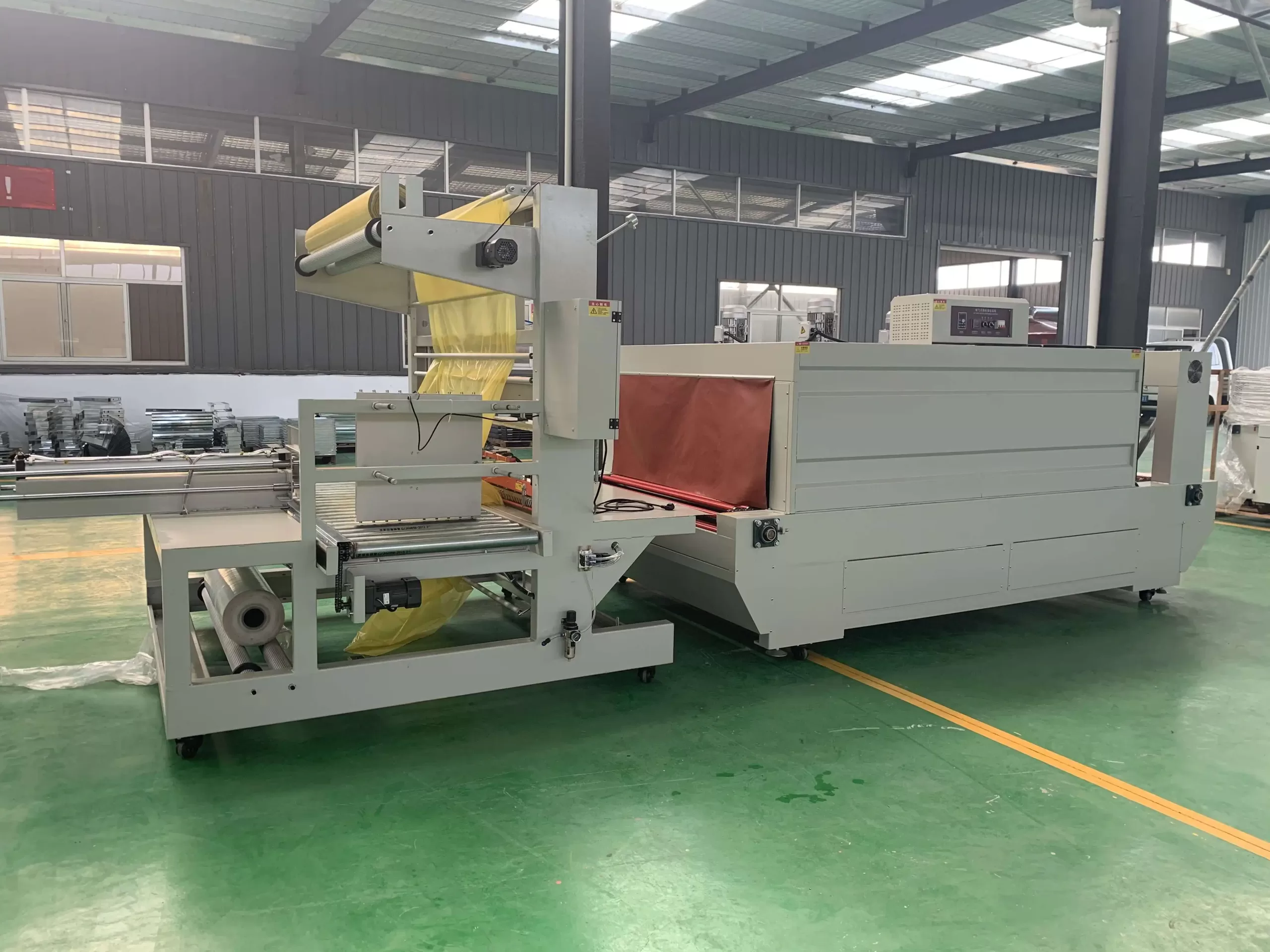
A door packing machine solves this exact problem. It offers a clear path to faster, safer, and more efficient packing. This machine automates the entire process. It cuts down on manual labor. It reduces the risk of product damage. It boosts output significantly. FHOPEPACK offers these cutting-edge solutions. We help factories meet high demand. We help them keep their competitive edge.
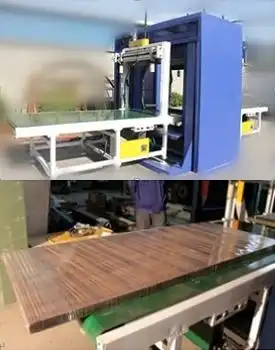
This challenge is not unique to Vietnam’s furniture factories. Many industries, from metal processing to general manufacturing, face similar problems with their packing processes. My experience building a successful packing machine factory taught me this. The principles of efficiency, safety, and reliable equipment apply everywhere. Let us look at how specialized packing solutions can transform your operations, no matter your product.
Is Your Packing Process Slowing Down Your Growth?
Do you see your finished products piling up? Is your packing area a bottleneck? Many factories struggle with this. Manual packing is slow. It needs many workers. This creates a choke point. It stops your whole production line from moving forward. You invest in new machinery at the start of your line. But if the end cannot keep up, your investment is wasted.
Automated packing machines, like those for doors or other large items, directly address this. They work fast. They work consistently. They remove the bottleneck. This lets your entire factory produce more. It speeds up your delivery times. This means more satisfied customers and a bigger market share.
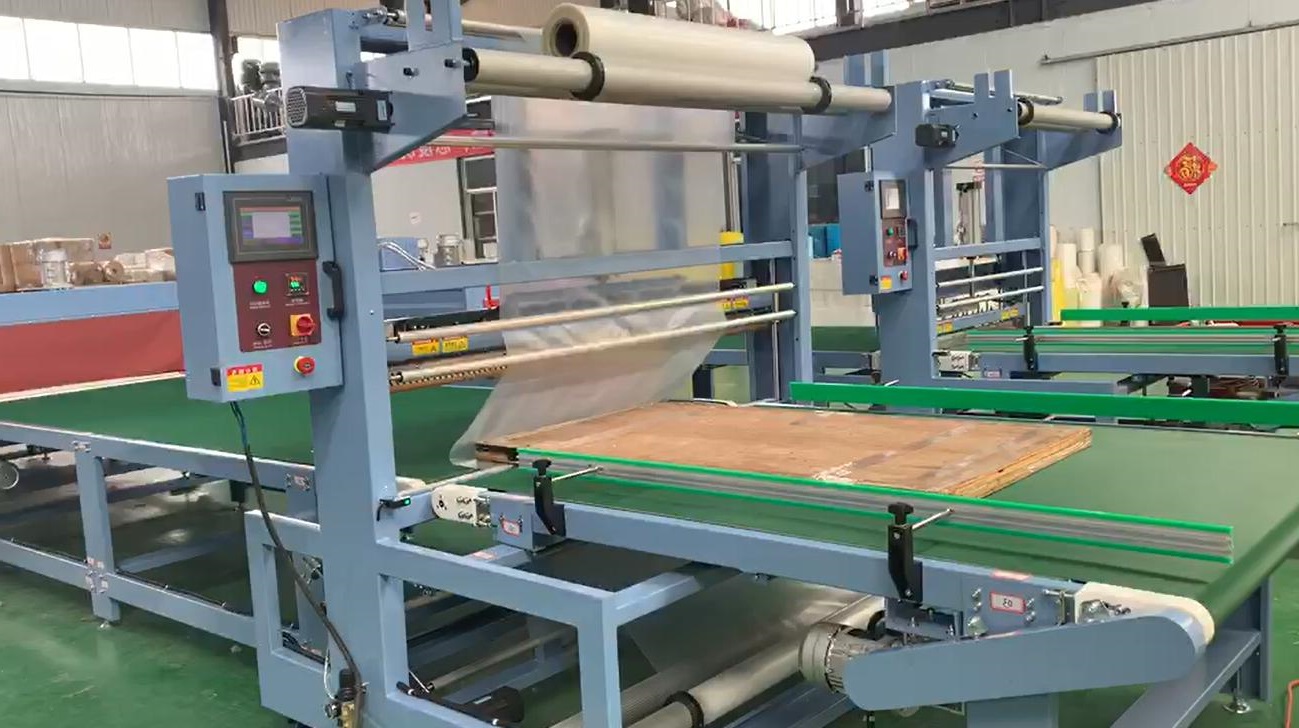
Manual packing costs more than just time. It adds high labor expenses. It brings inconsistent quality. It causes delays in shipment. I saw this many times in my career. When I started as an employee, I saw workers struggle with heavy items. I saw them pack products slowly. This slowed down the whole factory. Building my own factory later, I knew we needed better ways. We needed solutions that work harder, not just more people.
The True Cost of Manual Packing
Manual packing seems cheap at first. You just pay wages. But consider the hidden costs. Workers pack at different speeds. Their quality can vary. Some days they are fast. Other days they are slow. This leads to inconsistent output. It also leads to higher error rates. Heavy items like doors or steel coils are hard to handle. This makes manual work even slower and more risky. You also pay for breaks and sick days. Manual work needs a lot of space. This space costs money too. Your factory might run 24/7. But workers cannot. This means you stop production or run fewer shifts.
How Automation Boosts Throughput
Automated packing machines work nonstop. They work at a constant speed. They apply the same wrapping tension every time. This means high, consistent output. A machine can often do the work of several people. It frees your workers for other tasks. It takes up less floor space for the same output. This saves you money on rent or building costs. For example, a door packing machine wraps doors in minutes. A worker might take much longer. This speed adds up over a shift. Over a year, the difference is huge. Automation lets you scale up production quickly. You can meet big orders without hiring many new people.
| Feature | Manual Packing | Automated Packing Machine |
|---|---|---|
| Speed | Slow, inconsistent | Fast, consistent |
| Labor Cost | High, ongoing | Low, mainly maintenance |
| Quality Consistency | Varies by worker | High, uniform |
| Operational Hours | Limited by shifts | Continuous (24/7 capable) |
| Space Usage | High, for workers and materials | Efficient, optimized |
| Scaling | Hard, needs more staff | Easy, machine adapts |
This clear difference shows why smart factories are turning to automation. It is not just about replacing people. It is about making the entire operation more robust and ready for growth.
Are Your Workers Safe During Packing and Handling?
Do you worry about your team’s safety? Manual handling of heavy goods causes many injuries. Workers lift, twist, and bend. They push big items. This leads to back pain, sprains, and worse. These injuries cost a lot. They mean higher insurance premiums. They mean lost workdays. They can even mean losing experienced staff. This creates a cycle of risk and expense.
Specialized packing machines cut out most manual handling. They lift, turn, and wrap heavy products automatically. This removes the risk from your workers. It creates a much safer workplace. It lowers your injury rates. This protects your team. It also protects your bottom line.
Safety has always been important to me. When I was on the factory floor, I saw firsthand how dangerous manual tasks could be. I saw injuries happen. It taught me that good engineering must also be safe engineering. Giving back means sharing solutions that truly protect people. Packing machines are a perfect example of this. They take the danger out of heavy lifting. They make the job better for everyone.
The Hidden Dangers of Manual Operations
Manual handling of heavy or awkward items is a major cause of workplace injuries. Think about packing large doors, big rolls of steel wire, or heavy metal coils. Workers must lift, pull, or push these items. They often need to twist their bodies. This can strain muscles and joints. It can lead to falls. It can cause crushing injuries if something slips. The risks are even higher in busy factory environments. Forklifts move around. Other machines operate. A worker focused on a heavy lift might not see other dangers. These injuries are not just bad for the person. They are bad for the business. They mean less productivity. They mean more money spent on medical care and claims. They affect morale across the team.
Engineering Safety into Your Production Line
Automated packing solutions are designed with safety in mind. They use robotic arms or automated conveyors. These systems handle heavy goods. They move products from one stage to the next. Workers stand at a safe distance. They operate the machine with controls. This means no more heavy lifting. It means no more risky bending or twisting. For instance, a door packing machine can pick up a door, orient it, and then wrap it. No human hand needs to touch the heavy door during this process. This reduces the chance of accidents to almost zero. It also allows workers to focus on supervision and quality control. This improves job satisfaction too.
| Aspect | Manual Handling | Automated Packing Machine |
|---|---|---|
| Injury Risk | High (sprains, falls, crushing) | Very low (reduced manual contact) |
| Ergonomics | Poor (repetitive strain) | Excellent (machine handles strain) |
| Insurance Costs | Potentially higher | Potentially lower |
| Worker Morale | Can be low due to physical strain | Higher (safer work environment) |
| Accident Prevention | Relies on human vigilance | Built-in safety features |
Investing in automation is an investment in your team’s well-being. It shows you care. It creates a more secure future for your business.
Are You Losing Money Due to Product Damage?
Is your finished product perfect, but then it gets damaged during packing or transit? This is a common and frustrating problem. Dents, scratches, or bent edges ruin quality. They lead to customer complaints. They mean you lose money on returns or rework. You spend time and effort making a great product. Then poor packing makes it worthless. This impacts your reputation. It hurts your profits.
Proper machine packing protects your products. It applies consistent, secure wrapping. This means fewer defects. It means less waste. It helps your products arrive in perfect condition. This boosts customer satisfaction. It protects your brand name. It puts more money back into your pocket.
I have seen many factories struggle with this. One client, a steel wire manufacturer, faced constant complaints about damaged coils. Edges were dented. Wrappings were loose. I worked with them to find a solution. We put in a specialized wrapping machine. It applied strong, even tension. The damage stopped. Their customers were happier. Their profit margins went up. This showed me that the right packing solution is not just about speed or safety. It is also about protecting the product itself.
The Financial Drain of Damaged Goods
Product damage during packing and shipping is a hidden cost. It is not just the cost of the damaged item itself. You lose the material. You lose the labor that went into making it. You also have the cost of handling the return. This includes shipping back, inspecting, and disposing of the faulty product. On top of that, there is the damage to your brand. Unhappy customers might go to a competitor. This means lost future sales. For items like furniture doors or metal coils, even a small scratch can make the product unsellable. Manual packing often uses inconsistent methods. Some wraps are too loose. Others are not strong enough. This makes products vulnerable to damage during handling and transport.
How Smart Packing Protects Your Investment
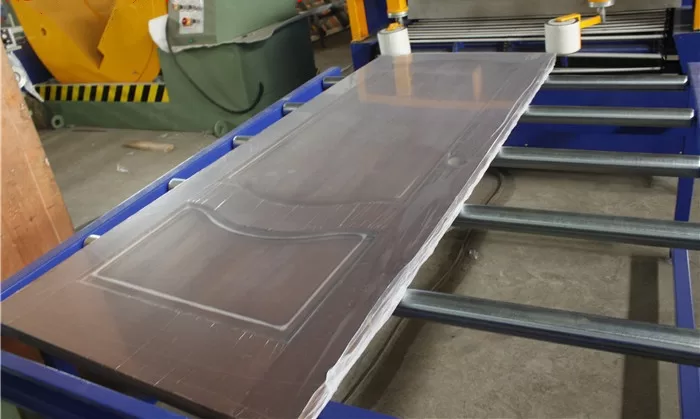
Automated packing machines ensure consistent, high-quality protection. They use specific wrapping patterns and materials. They apply uniform tension. This creates a tight, secure package. This package protects against impacts, moisture, and dust. For example, a door packing machine wraps each door tightly. It protects corners and surfaces. This means the door arrives at the customer’s site looking just as good as it did when it left your factory. This consistent quality builds customer trust. It reduces the need for returns or discounts. It improves your profit margins significantly. Automated systems can also add extra protection, like corner boards or stretch film, precisely where needed. This level of protection is hard to achieve with manual methods.
| Factor | Manual Packing | Automated Packing Machine |
|---|---|---|
| Damage Rate | Higher (inconsistent handling) | Very low (precise, repeatable) |
| Package Consistency | Varies | High (uniform wrap) |
| Protection Level | Basic, prone to error | Advanced, tailored protection |
| Customer Satisfaction | Can be low due to damaged goods | High (products arrive perfectly) |
| Waste Reduction | Lower (more material waste) | Higher (optimized material use) |
Protecting your product is protecting your reputation. It is protecting your profits. It is a smart business decision.
Can You Really Trust Your Packing Machine Supplier?
Have you worked with suppliers who only care about the sale? They promise a lot. They deliver little on after-sales service. They do not understand your real factory problems. This leaves you feeling frustrated. You have a new machine. But if it breaks, you get no help. Or if it does not solve your actual bottleneck, you are stuck. Finding a true partner in machinery is hard. Many managers feel wary of new vendors.
FHOPEPACK is different. I built this company on trust. My journey from employee to factory owner taught me what real factory managers need. We offer more than just machines. We offer deep industry knowledge. We offer ongoing support. We are partners who understand your challenges. We help you find true solutions for your business growth.
I started FHOPEPACK because I wanted to give back. The packing machine industry helped me achieve financial independence. It let me help many clients grow their businesses. I know what it means to run a factory. I know the pressures of meeting quotas, controlling costs, and keeping workers safe. When you work with FHOPEPACK, you work with someone who has been in your shoes. We do not just sell a machine. We find the right solution for your specific problem. We ensure it works for you for years to come.
Beyond Just Selling Machines
Many equipment suppliers focus only on making the sale. Their sales teams might push a standard product. They do not spend time understanding your factory’s unique needs. They do not ask about your specific bottlenecks. Once the machine is sold, their interest fades. After-sales support can be slow. Spare parts are hard to get. Technical advice is missing. This leaves factory managers in a tough spot. They have invested heavily. But they lack the long-term support needed to make that investment truly pay off. This leads to downtime. It leads to frustration. It makes managers hesitant to trust new suppliers.
The Value of a True Industry Partner
A true partner understands your business. They listen to your problems. They offer solutions tailored to your needs. This is FHOPEPACK’s approach. My own path from factory floor to factory owner gives me a unique view. I have dealt with production bottlenecks. I have handled safety concerns. I have worked to cut costs. So, when a client talks about these issues, I know what they mean. We do not just offer a door packing machine or a coil wrapping machine. We offer a system that integrates into your current setup. We provide expert advice on how to optimize your workflow. Our support continues long after the sale. We help with installation. We train your staff. We provide fast access to spare parts. We see ourselves as an extension of your team, helping you achieve your goals.
| Feature | Sales-Focused Supplier | FHOPEPACK (Industry Partner) |
|---|---|---|
| Approach | Push standard products | Tailored solutions, problem-solving |
| Understanding Needs | Limited, superficial | Deep, based on factory experience |
| After-Sales Support | Often poor, slow | Comprehensive, responsive |
| Focus | Short-term sale | Long-term partnership, client success |
| Expertise | Product features | Industry challenges, operational efficiency |
| Trust Level | Low, conditional | High, earned through shared goals |
Choosing FHOPEPACK means choosing a partner who values your success as much as their own. It is about building a future where your factory runs smoother, safer, and more profitably.
Conclusion
Automating your packing process with solutions like door packing machines solves major challenges. You boost efficiency, improve safety, and protect your products. This leads to real savings and growth. Choose a partner like FHOPEPACK. We understand your needs. We provide the right solutions for your factory.








