
How Can a Door Packing Machine Help Vietnam Manufacturers with fast-growing furniture exports?
Vietnam’s furniture industry is experiencing incredible growth. Exports are soaring, pushing factories to new limits. But many manufacturers I talk to still rely heavily on manual packing methods. This creates a clear bottleneck at the end of the production line. It slows down shipments and limits how much a factory can truly expand. This is a significant challenge for growth. Imagine losing out on large international orders simply because your packaging cannot keep pace with your production speed. Or, even worse, having valuable furniture pieces damaged during handling. This leads to unhappy customers, costly returns, and lost profits. This is the reality when traditional, manual methods are used to meet modern, high-volume demands. The solution to these challenges might be more straightforward than you think. Investing in the right packing technology can completely transform your operations.
A door packing machine can help Vietnam manufacturers by automating the final stage of furniture production. It quickly and safely wraps various door types and panels. This greatly reduces the need for manual labor. It also prevents product damage during transit. This automation speeds up the entire export readiness process. By doing this, the machine significantly boosts factory efficiency and lowers operational costs. This makes your Vietnamese furniture factory much more competitive in the global market.
If you are a manufacturer who wants to unlock your factory’s full potential and meet the rigorous demands of a rapidly expanding export market, then understanding these modern solutions is the very first step. Let me share how automatic packing can truly transform your current operations and help you grow.
Are Manual Packing Methods Holding Back Vietnam’s Furniture Export Growth?
Many factories still use manual packing methods for furniture, especially for large items like doors or panels. Workers measure, cut, and wrap each item by hand. This process is slow. It needs many workers to handle the high volume of products. This creates a bottleneck at the end of the production line. When exports grow, factories need to pack more doors every day. Manual methods simply cannot keep up with this increasing demand. This limits the factory’s overall output and its ability to accept more orders.
Manual packing processes are much slower than automated systems. This leads to lower overall production throughput. It also means higher labor costs for the factory. Factories must hire many workers just for packing. This increases monthly payrolls. Over time, these costs add up significantly. They eat into the factory’s profits. Automated machines, on the other hand, are much faster and more consistent. They require fewer people to operate them. This frees up your existing workforce for other important tasks.
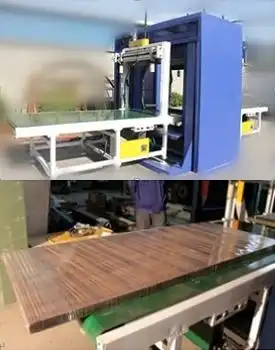
Manual packing processes are very slow. Workers must carefully measure, cut wrapping material, and then apply it to each item by hand. This precise work takes a lot of time for every single door or furniture panel. In a busy furniture factory that handles large export volumes, every minute counts. Time lost on packing directly impacts the factory’s ability to meet delivery deadlines. When the demand for furniture exports grows rapidly, you need to pack hundreds, even thousands, of doors and panels every day. Manual methods simply do not have the speed or capacity to keep up with these high demands. This creates a significant bottleneck at the end of your production line, slowing down the entire operation.
Workers also experience fatigue from repetitive tasks and physically demanding labor. When workers get tired, mistakes are more likely to happen. A tired worker might wrap a door too loosely, or they might not secure the corners properly. This can lead to the package coming apart or the product getting damaged during transport. Such damage harms your reputation with international clients. It also costs you money to replace the damaged goods or offer discounts. This directly impacts your profit margins. I remember vividly when I was building my own packing machine factory. We faced similar challenges with manual work. It was always the bottleneck, regardless of how efficient our manufacturing process was upstream. We saw firsthand how much faster and safer things became when we automated key processes. It was a very clear and undeniable shift in productivity.
Manual packing also forces factories to hire a large number of people specifically for packing duties. This means consistently high monthly payrolls dedicated just to this one task. Over time, these labor costs accumulate significantly. They become a considerable drain on the factory’s overall profitability. Automated door packing machines fundamentally change this dynamic. A single machine can perform the work of several human packers, and it does so much faster and with greater consistency. This frees up your existing workers to be reassigned to other, more skilled tasks within the factory, such as quality control, assembly, or specialized finishing. This reallocation of labor makes your entire factory operation much more efficient and productive.
While there is an upfront investment cost for an automated machine, the savings in labor expenses, the reduction in product damage, and the significant increase in output quickly provide a strong return on investment (ROI). This is precisely why many successful manufacturing factories, including my own journey from an engineer to a factory owner, have made this critical transition. It is not just about buying a machine; it is about making a strategic investment that pays dividends for years to come. For smart factory managers, this is a very simple and compelling economic calculation.
| Feature | Manual Packing | Automated Door Packing Machine |
|---|---|---|
| Speed | Slow, varies by worker, limits output | Fast, consistent, high volume output |
| Labor Cost | High, needs many workers | Low, needs 1-2 operators |
| Safety | High risk of injury, repetitive strain | Very low risk, workers operate safely |
| Consistency | Varies, prone to human error | Highly consistent, uniform wraps |
| Product Damage | Higher risk during handling | Lower risk, controlled process |
| Scalability | Hard to scale with growing demand | Easy to scale production, higher throughput |
How Can Automated Door Packing Improve Worker Safety and Reduce Costs?
Heavy lifting and repetitive tasks in manual packing often lead to worker injuries. Damaged goods, either from poor handling or inconsistent packing, cost factories a lot of money in returns and lost sales. Workers get hurt, leading to higher insurance costs and lost productivity. Customers receive damaged products, which leads to complaints and lost trust. This creates a lose-lose situation.
An automated door packing machine takes away the need for workers to manually lift heavy items. It removes repetitive motions. This drastically reduces the risk of injuries. The machine also wraps products carefully and consistently. This lowers the chance of damage during shipping. This not only keeps people safe but also saves the factory significant amounts of money.
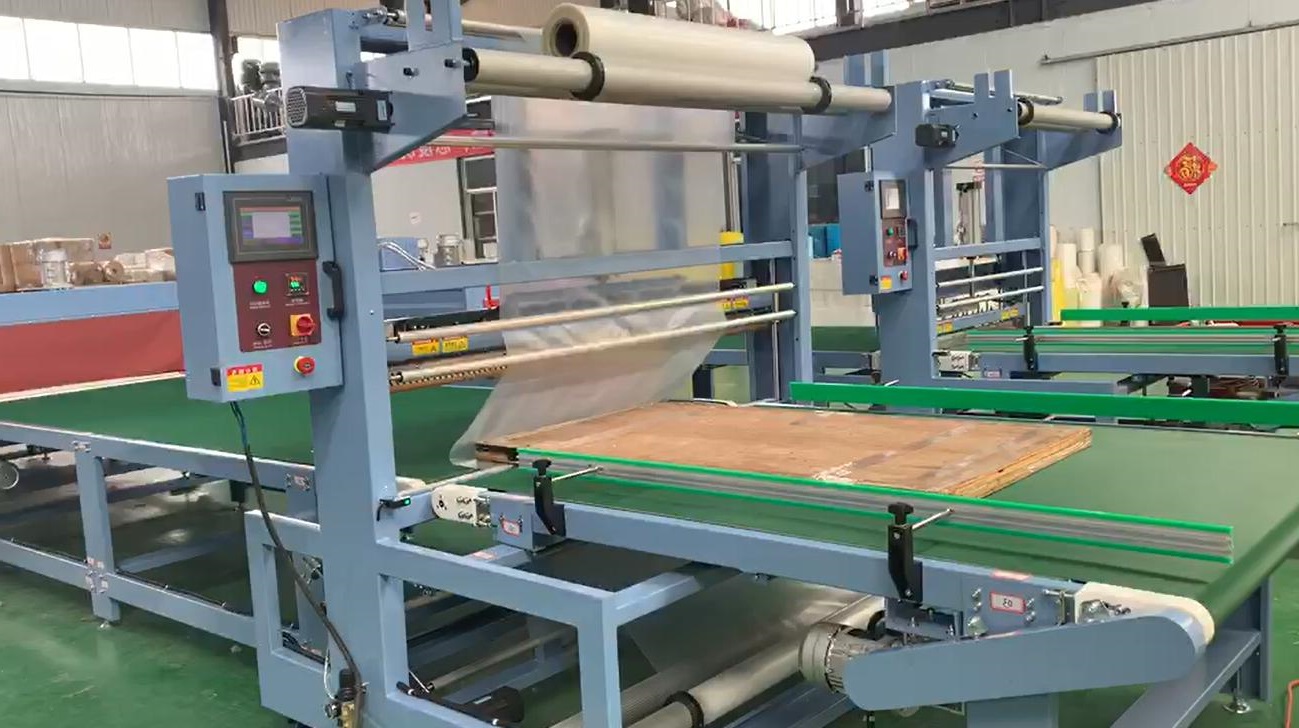
Worker safety is not just a moral responsibility for any factory manager; it is also a significant financial consideration. When workers manually lift and maneuver heavy doors or large furniture panels, they are constantly at risk of various injuries. These can include severe back strains, muscle sprains, or even crushing injuries if items are dropped. Accidents like these are extremely costly for the factory. You face expenses for medical bills, often including long-term physical therapy. You also bear the cost of lost work time, as injured employees cannot contribute to production. In some cases, factories may even face legal claims or increased insurance premiums due to a poor safety record. Beyond the direct costs, there is a negative impact on team morale. Workers do not want to work in an environment where they feel unsafe or constantly at risk of injury. This can lead to high employee turnover, meaning you constantly spend time and money training new staff, only for them to leave quickly.
An automatic door packing machine completely removes many of these physical risks. The machine itself handles the heavy lifting and precise positioning of the doors onto the wrapping station. Workers primarily need to load the machine, which involves far less strenuous physical effort. This dramatically reduces physical strain on your employees. It makes the workplace much safer for everyone. This is a direct and measurable benefit for both your team’s well-being and your company’s bottom line. Safer workers are generally happier workers. They are more likely to stay with your company for longer periods, helping you build a stable, experienced, and highly productive team.
Product damage is another often-hidden cost that eats into a factory’s profits. When products are handled multiple times by hand, especially large or fragile items like furniture, corners can easily get bumped. Surfaces can get scratched. Edges can chip. For a furniture exporter, even minor damage can lead to major problems. International customers expect to receive products in perfect condition. They will reject damaged goods, demand refunds, or simply stop placing future orders with your factory. This harms your factory’s reputation in the global market. It directly impacts your revenue and profitability. I have seen this issue firsthand with my clients who export steel coils or wire; any damage during transit leads to major complaints. The same principle applies directly to furniture.
Automated packing machines ensure that products are wrapped tightly, securely, and consistently every single time. They use strong, durable wrapping materials, and the machine applies the correct tension evenly across the entire surface of the product. This creates a secure, uniform package that provides excellent protection for the door from scratches, bumps, dust, and moisture during storage and shipping. Fewer damaged products mean a dramatic reduction in customer complaints. It means less money spent on replacing goods or on costly rework. This significantly boosts your factory’s overall profitability. Furthermore, it builds immense trust with your international buyers. They learn that they can consistently expect to receive your products in perfect condition, which leads to more repeat business and strengthens your brand’s reliability in the competitive global market.
| Benefits of Automated Packing | Benefit Category | Impact on Factory Operations |
|---|---|---|
| Safety | Reduces manual handling of heavy items, lowers injury rates, decreases insurance costs. | |
| Cost Savings | Less labor needed, reduced product damage, fewer returns/reworks, lower training costs from high turnover. | |
| Efficiency | Faster packing cycles, increased throughput, consistent quality, quicker order fulfillment. | |
| Product Quality | Secure, uniform wrapping protects against damage, maintains product integrity during transit. | |
| Reputation | Builds trust with clients due to consistent product quality and on-time delivery. |
Why is Partnering with an Experienced Packing Machine Expert Crucial for Success?
Many equipment suppliers only focus on selling a machine. They do not truly understand your factory’s specific production needs. They might not know about your daily challenges or future growth plans. This often means you could end up buying the wrong machine. It might not solve your real problems. You might also get poor support after the sale. This wastes your money and valuable time.
It is much better to work with someone who deeply understands the industry. You need a partner who understands how factories operate. You need someone like me, who built a successful factory from the ground up. This kind of partnership is crucial for true success.
Choosing the right packing machine is a very big investment for any factory. It is not simply about acquiring a piece of equipment and placing it on your factory floor. It is about finding a complete solution that perfectly fits your specific factory needs, your existing production line, and your future growth ambitions. Many machine suppliers in the market are primarily focused on just making a sale. They might not take the time to truly understand your unique production bottlenecks. They might not grasp the specific safety concerns your factory faces. They may not fully comprehend the complex challenges involved in exporting furniture from Vietnam, from customs regulations to international shipping demands. This is a very common issue I have observed throughout my years in the industry. This approach often leads to factories investing in machines that, ultimately, do not genuinely solve their underlying problems. This results in significant frustration, wasted capital, and lost opportunities.
When I started FHOPEPACK, it was born directly from my own extensive journey in the packing machine industry. I began my career as a packing machine engineer, working hands-on with these machines and understanding their intricate workings from the inside out. This gave me a deep technical understanding. Later, I took that knowledge and experience to establish and successfully operate my own packing machine factory. This unique path gave me a perspective that few suppliers possess. I know precisely what it means to manage complex factory operations. I understand the constant pressure to control costs, optimize processes, and dramatically increase output. I have personally experienced the challenges and triumphs of growing a manufacturing business. This journey taught me an invaluable lesson: true, lasting value comes from deeply understanding a client’s business challenges and goals, not just from selling them a product. It is fundamentally about building a genuine partnership.
A truly experienced and expert partner will take the time to listen to your specific challenges. They will ask detailed questions about your current packing processes. They will carefully assess your factory layout and space constraints. They will delve into your current and projected production volumes. Only then will they propose a packing solution that is precisely tailored to your unique circumstances. This might involve recommending a specific model of door packing machine, advising on its integration with your existing conveyor systems, or even suggesting modifications to your workflow. It is about crafting a solution that directly addresses and resolves your unique problems, rather than offering a generic, one-size-fits-all product. This deep level of understanding and customized approach is precisely what differentiates a good equipment supplier from an exceptional, trusted partner.
Furthermore, robust after-sales support is absolutely critical. Any piece of machinery will require routine maintenance. Sometimes, it will need troubleshooting or repairs. If your supplier becomes unresponsive or disappears after the initial sale, you will be left in a difficult position. Machine downtime means lost production time, which translates directly into lost revenue for your factory. A reliable and responsible partner will offer strong, ongoing technical support. They will provide easily accessible spare parts when needed. They will also offer comprehensive training for your staff, ensuring that your team knows how to operate and maintain the machine effectively. This comprehensive support ensures your new machine continues to run smoothly and efficiently for many years to come, maximizing your investment. My ultimate goal at FHOPEPACK is to help my clients achieve significant growth and success in their businesses, just as I achieved financial independence and success through my own journey in the packing machine industry. Now, I am dedicated to giving back and sharing my expertise. This unwavering commitment to your long-term success is the most important quality you should seek in a strategic partner. It builds lasting trust and ensures your significant investment truly delivers valuable returns.
Conclusion
Automated door packing machines are essential for Vietnam’s furniture exporters to boost efficiency, enhance safety, and cut costs. Partnering with experienced experts like me ensures you find tailored solutions for lasting success.








