
Why Are United States Exporters Switching to Automated Door Packing Solutions?
For many years, traditional door packing methods seemed good enough. Factories relied on manual labor for wrapping and handling heavy doors. This approach, however, often created big problems. It slowed down production. It also raised safety concerns and led to damaged products. Exporters felt the pressure. They needed to ship more doors, faster, and without mistakes.
United States exporters are now switching to automated door packing solutions. They make this change to boost efficiency, enhance safety, reduce product damage, and gain a strong competitive edge in the global market. These systems offer consistent quality and reliable performance. They help companies meet strict delivery times. This makes automation a smart choice for modern export businesses.
You might be wondering if automated packing is truly the right step for your business. You might ask what real benefits it offers. We will now look closely at why this shift is happening. We will explore how automated systems solve common packing problems. This will help you understand the full picture.
Are Manual Packing Methods Holding Back US Exporters?
Manual packing often seems simple at first. Workers wrap doors by hand. They use tape and stretch film. This method, however, creates many issues for US exporters. It makes the entire process slow. It causes delays in shipping. Many companies feel stuck because of these old ways. They want to grow, but their packing line limits them.
Manual door packing limits production speed and increases labor costs. This makes it a major bottleneck for US exporters. It slows down the entire factory output. It prevents companies from meeting high market demands. This situation impacts their ability to compete globally.
The problems with manual packing go deep. I saw this firsthand in my early days working at a packing machine factory. We often had bottlenecks at the end of the line. Production would run smoothly, but then everything slowed down at packing. This meant trucks waited. Orders were delayed. This was frustrating for everyone. Manual packing requires many workers. They lift, wrap, and move heavy doors. This takes a lot of time. Each door needs individual attention. Workers get tired. Their speed slows down throughout the day. This leads to inconsistent output. It also means you need a large workforce just for packing. Finding and keeping these workers is getting harder. Labor costs are also always going up. This eats into profits. Automated systems, in contrast, work tirelessly. They maintain the same speed all day. They do not get tired. They do not make mistakes from fatigue. This steady output helps factories plan better. It ensures a constant flow of finished products. This makes the whole supply chain more predictable. It helps companies ship more doors in less time. This means more sales and happier customers.
Efficiency Comparison: Manual vs. Automated Packing
| Feature | Manual Packing | Automated Packing |
|---|---|---|
| Speed | Slow; highly dependent on worker speed and stamina | Fast; consistent high throughput |
| Labor Needs | High; multiple workers per station | Low; one or two operators to monitor |
| Consistency | Variable; depends on worker skill and fatigue | High; uniform wrap quality for every door |
| Bottlenecks | Frequent; packing often limits overall production | Rare; integrated into the production flow |
| Scalability | Difficult; requires hiring and training more staff | Easy; higher volume without significant labor increase |
| Operating Hours | Limited by shifts and breaks | Can run 24/7 with minimal supervision |
When I started my own factory, I knew we had to solve these efficiency problems. We invested in better machines. We saw an immediate change. Our output went up. Our costs went down. This experience taught me that solving bottlenecks is key to business growth.
How Do Automated Systems Improve Safety in Door Packing?
Handling heavy doors poses a big safety risk. Workers lift, push, and turn large, awkward items. This can lead to serious injuries. Back strains, sprains, and crushed fingers are common. These injuries hurt workers. They also cost companies a lot of money in medical bills and insurance claims. Businesses worry about the safety of their employees every day.
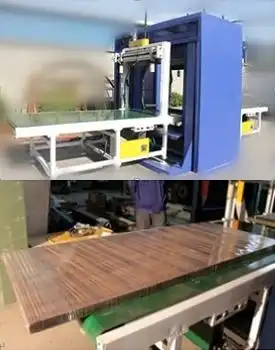
Automated door packing systems remove the need for manual handling of heavy items. They greatly reduce workplace injuries and improve worker safety. Machines do the dangerous lifting and wrapping. This protects human workers.
I have seen the dangers of manual handling myself. In my career, I witnessed many minor and serious accidents. A worker dropping a heavy door is not just a damaged product. It is a potential injury. This made me realize that safety must be a top priority for any factory. It is not just about rules. It is about protecting people. Automated packing machines take over the most dangerous tasks. These tasks include lifting heavy doors onto packing lines. They also include rotating them for wrapping. Robots and automated conveyors handle the weight. They move the doors precisely. This means workers do not need to strain their bodies. They do not face the risk of dropping heavy objects. This dramatically reduces the chance of accidents. Beyond heavy lifting, automation also minimizes other risks. There are fewer pinch points. There are fewer repetitive motions that cause strain. Workers can focus on supervising the machines. They can do quality checks. They can do less physically demanding work. This creates a much safer work environment. A safer workplace means fewer injuries. It means lower insurance costs. It also means happier and more productive employees. This is a win-win for everyone involved.
Key Safety Benefits of Automated Door Packing
- Reduced Physical Strain: Machines handle all heavy lifting and awkward movements. Workers avoid back injuries, muscle strains, and fatigue.
- Elimination of Pinch Points: Automated systems have safety sensors and guards. These stop the machine if a human enters a dangerous zone. This prevents crushing injuries.
- Consistent Operation: Machines perform tasks consistently. They do not get tired or distracted. This reduces errors that lead to accidents.
- Improved Ergonomics: Workers interact with machines at safe, comfortable heights and positions. This reduces repetitive stress injuries.
- Compliance with Regulations: Automated systems help factories meet strict safety standards. This avoids fines and legal issues.
- Enhanced Worker Morale: Employees feel safer and more valued. This leads to higher job satisfaction and lower staff turnover.
I always tell my clients that investing in safety is investing in their future. It protects their most valuable asset: their people. It also protects their bottom line. A safe factory is a productive factory.
Can Automated Packing Really Reduce Product Damage and Costs?
Door manufacturers put great effort into making quality products. But this effort can go to waste during packing. Manual handling often leads to scratches, dents, and damaged corners. These flaws mean customer complaints. They mean returned products. This causes big financial losses. Many companies lose money because their products get damaged before they even leave the factory.
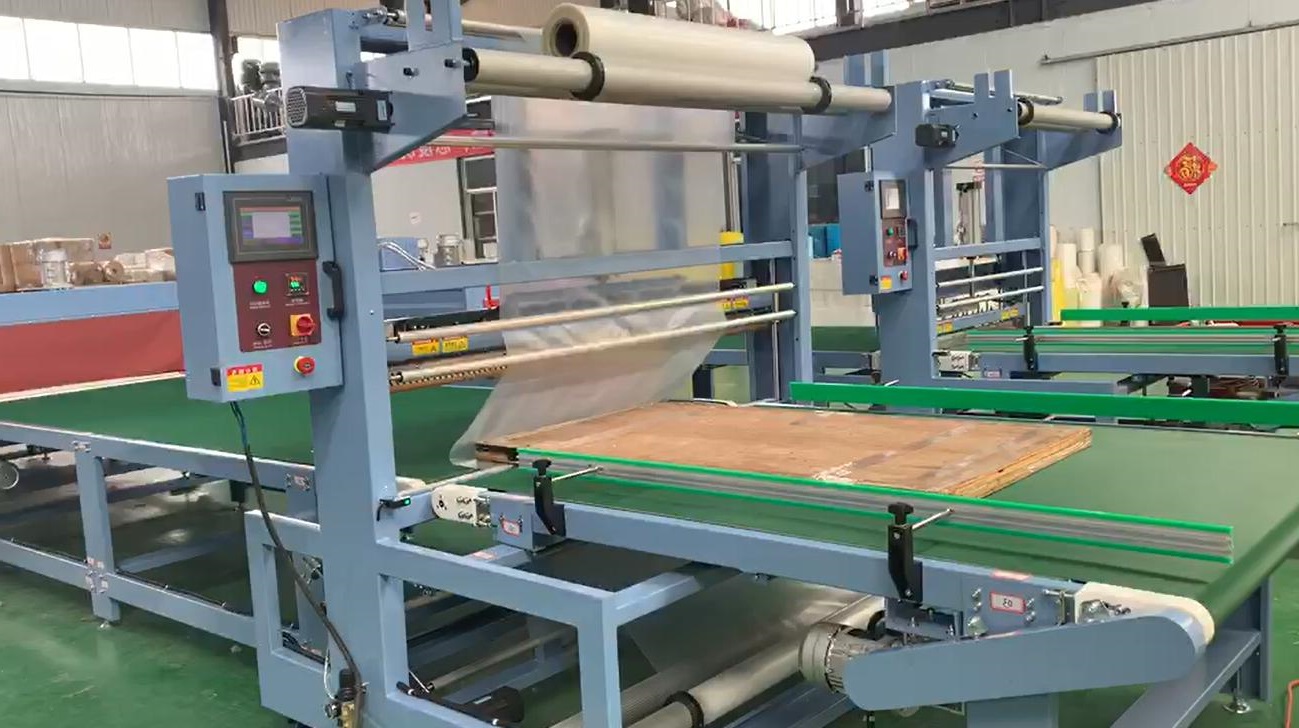
Automated door packing significantly reduces product damage. It does this through consistent handling and precise wrapping. This leads to fewer returns, lower material waste, and direct cost savings. The system handles each door with the same care.
Product damage is a hidden cost for many businesses. I have seen factories struggle with this. A slightly damaged door might not seem like much. But multiply that by hundreds or thousands of doors. The costs add up quickly. This includes the cost of the damaged door itself. It also includes the cost of re-shipping. It includes the cost of handling customer complaints. All this cuts into profits. Automated packing machines are very precise. They wrap each door with the exact amount of film. They apply edge protectors perfectly. They do this consistently, every time. This precision reduces the chance of damage during transit. It also makes sure the doors arrive in perfect condition. This means fewer customer complaints. It means fewer returns. It means happier customers. Beyond damage, automation also cuts other costs. It uses packing materials more efficiently. Manual packing often wastes film or strapping. Workers might use too much. Machines use just enough. This saves money on materials. It also lowers labor costs, as we discussed. These savings quickly add up. They lead to a clear return on investment (ROI). For many clients I helped, these cost reductions were huge. They often paid for the machine in a short time. This then allowed them to invest even more in their business growth.
Cost Reduction and Product Protection: Automated vs. Manual
| Factor | Manual Packing | Automated Packing |
|---|---|---|
| Product Damage | High risk; scratches, dents, corner damage | Low risk; consistent, gentle handling |
| Material Waste | Variable; often uses excess film/strapping | Minimized; precise application of materials |
| Labor Costs | High; significant expenditure on wages and benefits | Low; reduced need for packing personnel |
| Returns/Reworks | Frequent; due to damage or inconsistent packing | Infrequent; high-quality packaging reduces issues |
| Shipping Costs | Can be higher due to inefficient packing/voids | Optimized; compact and consistent package sizes |
| Overall ROI | Negative; ongoing costs, hidden losses | Positive; rapid payback through savings and efficiency |
I remember working with one client who was losing almost 5% of their product due to packing damage. After they automated, that number dropped to less than 0.5%. The savings alone made a huge difference to their bottom line. It made me proud to see them succeed.
My Insights into Mastering Your Door Packing Process!
Many businesses see a machine as just a tool. They buy it hoping it will solve all their problems. But often, they end up disappointed. The new equipment might not fit their specific needs. It might not integrate well with their existing line. This leads to continued problems. It also means they do not get the full value from their investment. They are still searching for real solutions.
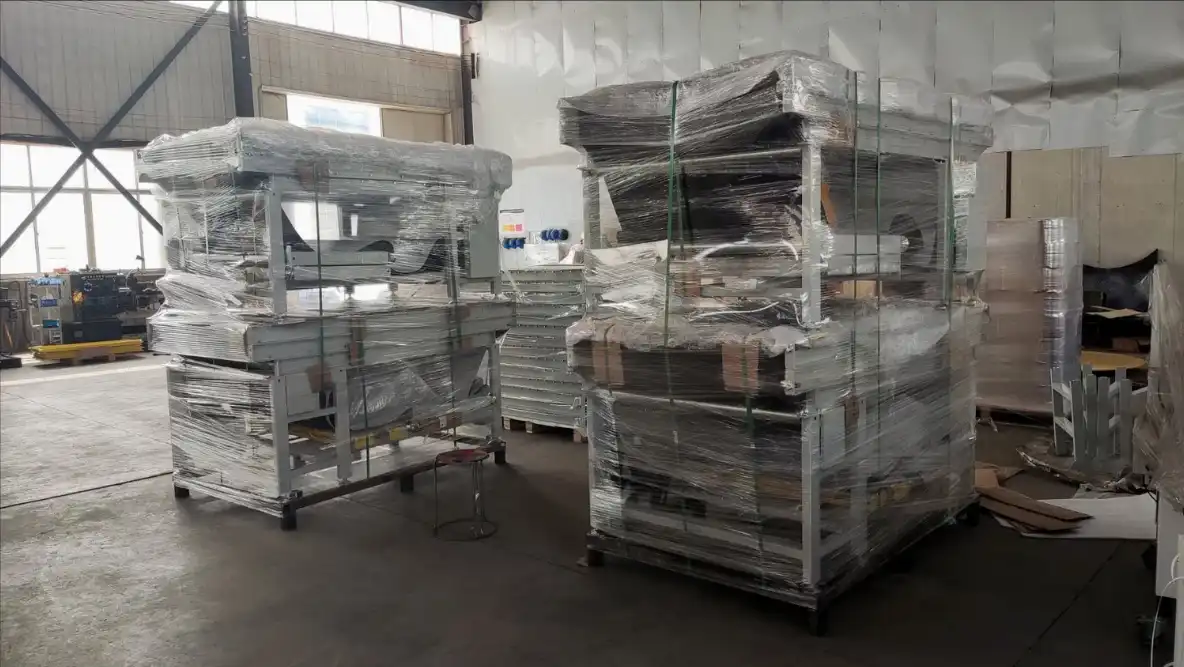
My insights show that choosing the right automated door packing solution involves more than just buying equipment. It requires a strategic partnership with deep industry knowledge to ensure long-term success. It means finding someone who truly understands your factory.
My journey in this industry taught me many lessons. I started as an employee. I worked on the factory floor. I saw problems from the ground up. Later, I built my own successful packing machine factory. This gave me a different perspective. I learned not just about machines. I learned about running a business. I learned about the financial pressures. I learned about client needs. I helped many of my clients grow their businesses because I understood their pain points deeply. I did not just sell them a machine. I helped them solve their core problems. This is why FHOPEPACK focuses on knowledge sharing. It is about understanding your unique challenges. Are you struggling with slow output? Do you have safety concerns? Are you losing money due to product damage? We listen first. We analyze your current process. Then, we suggest solutions. This is not about a one-size-fits-all approach. Every factory is different. Every door type might need a slightly different packing method. A true partner offers more than just the machine. They offer support. They offer maintenance. They offer training for your staff. They help you optimize your whole packing line, not just one part of it. This long-term relationship ensures your investment keeps giving returns. It ensures you stay competitive. I am grateful for the opportunities the packing industry gave me. Now, I want to give back. I want to help others find that same success. My goal is to empower businesses like yours to master their packing processes.
What a Strategic Partner Offers (vs. a Simple Vendor)
| Aspect | Simple Vendor | Strategic Partner (like FHOPEPACK) |
|---|---|---|
| Focus | Selling a machine | Solving your specific business problems |
| Approach | Product-centric; “here’s what we have” | Problem-centric; “let’s find your best solution” |
| Expertise | Machine features and specs | Deep industry knowledge, process optimization |
| Relationship | Transactional; sale ends the interaction | Long-term; ongoing support, consultation |
| Solution Type | Off-the-shelf; limited customization | Tailored; customized to your specific needs |
| After-Sales | Basic support, sometimes slow | Proactive, responsive, training, maintenance |
| Value Proposition | A piece of equipment | A pathway to efficiency, safety, and growth |
My own journey taught me that real success comes from understanding the whole picture. It comes from building strong relationships. It comes from providing real value.
Conclusion
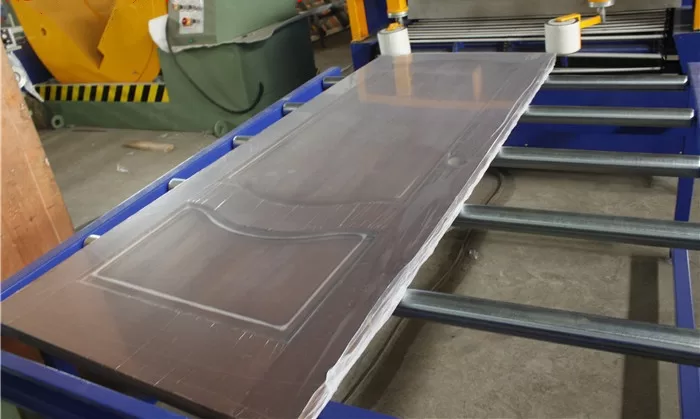
United States exporters are embracing automated door packing solutions. These systems boost efficiency, enhance safety, reduce product damage, and cut costs. They offer a strong return on investment. Choosing the right partner, with deep industry insight, is key to success.








