
How Can a Door Packing Machine Help United States Manufacturers with OSHA-compliant and labor-saving automation?
Your factory faces tough challenges every day. You deal with pressure to hit production targets. You also need to keep costs low and make sure everyone stays safe. Manual packing is often a big problem. It slows things down. It also puts your workers at risk. This takes a toll on your business.
Automated door packing machines give you a powerful answer to these problems. They boost production speed. They also reduce the need for manual labor. This lowers injury risks. It helps factories meet strict OSHA safety rules. These machines protect your products. They save money on labor. They make your operations smoother and safer. This helps your business grow.
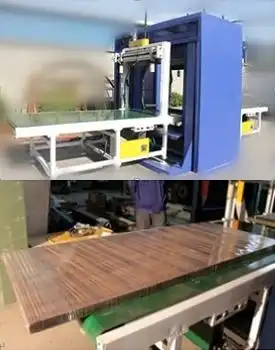
You might wonder if these machines can truly make a difference for your factory. You want to know if they fit your specific needs. Let’s look closer at how this technology can change your operations. We can explore the real benefits it brings to United States manufacturers.
How Do Manual Packing Processes Slow Down US Manufacturing?
Are you struggling to keep up with production demands? Do your packing lines feel like a bottleneck? Manual packing processes are often the biggest culprit. They involve people doing repetitive, heavy tasks. This makes your whole operation less efficient. It stops you from getting products out the door quickly.
Manual packing slows down your entire factory. Workers must lift, move, and wrap each door by hand. This takes a lot of time. It also needs many people. When one part of the process is slow, everything behind it slows down too. This creates delays. It pushes back delivery times for customers.
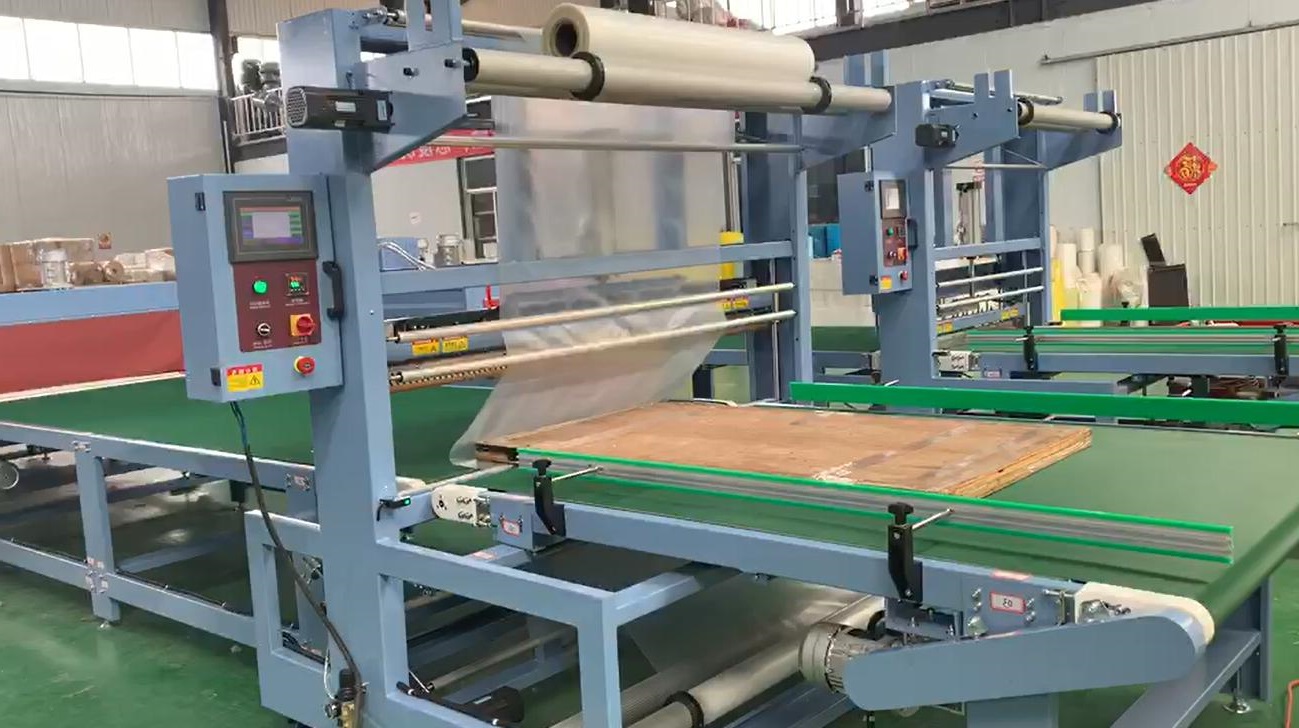
From my own years in the packing machine industry, I have seen this problem again and again. When I first started working in factories, manual processes were everywhere. They caused huge delays. Later, when I built my own packing machine factory, I made sure automation was a key focus. This was because I knew the true cost of slow, manual work. Factories need to be fast. They also need to be lean. Manual packing does the opposite. It adds steps. It increases labor hours. It means you use more floor space. It also leads to mistakes. These mistakes can stop the whole line.
Consider the steps involved in manual door packing. Each door needs someone to move it. Someone then wraps it. Someone else might secure it. This takes a lot of effort for each piece. If you are making hundreds or thousands of doors each day, these small delays add up. The time it takes for one person to move a heavy door is much longer than a machine doing it. Machines work non-stop. They do not get tired. They do not need breaks. This means a consistent, faster flow of products. My experience showed me that automation is not just about speed. It is about consistency. It is about removing the human element from repetitive, draining tasks. This frees up your workers for more skilled jobs. This also means fewer errors and less rework. All these small improvements add up to big gains in overall factory output.
Manual Packing vs. Automated Packing Efficiency
| Feature | Manual Door Packing | Automated Door Packing |
|---|---|---|
| Speed | Slow, limited by human pace and fatigue | Fast, continuous operation, higher throughput |
| Labor Needs | High, many workers for lifting, wrapping, moving | Low, one or two operators to monitor |
| Consistency | Varies with worker skill and fatigue | High, uniform wrap quality every time |
| Space Use | Can be spread out, needs aisles for movement | Compact footprint for high output |
| Downtime Reason | Worker breaks, fatigue, injuries, training | Scheduled maintenance, power outages |
| Cost Driver | Wages, benefits, training, injury claims | Machine purchase, power, maintenance, consumables |
This table shows a clear difference. Manual methods rely on human effort. This effort is inconsistent. It has limits. Automated systems work with precision. They work at high speeds. They keep going for long periods. This makes a big difference in the total output of a factory. You can get more products ready for shipping in less time. This helps you meet tight deadlines. It also improves customer satisfaction. It gives you a competitive edge in the market.
Can Automated Door Packing Machines Truly Meet OSHA Standards?
Are you worried about worker safety in your factory? Do you struggle with high injury rates from manual tasks? OSHA compliance is not just about rules. It is about keeping your people safe. Automated door packing machines are a direct way to meet OSHA standards. They reduce or remove the riskiest tasks. This makes your workplace much safer.
Yes, automated door packing machines can truly help meet OSHA standards. They take over hazardous jobs. These jobs include lifting heavy doors and wrapping them. Manual handling of heavy items is a leading cause of workplace injuries. These include strains, sprains, and crushed limbs. Machines remove this risk. They follow safety protocols. This protects your workers from harm.
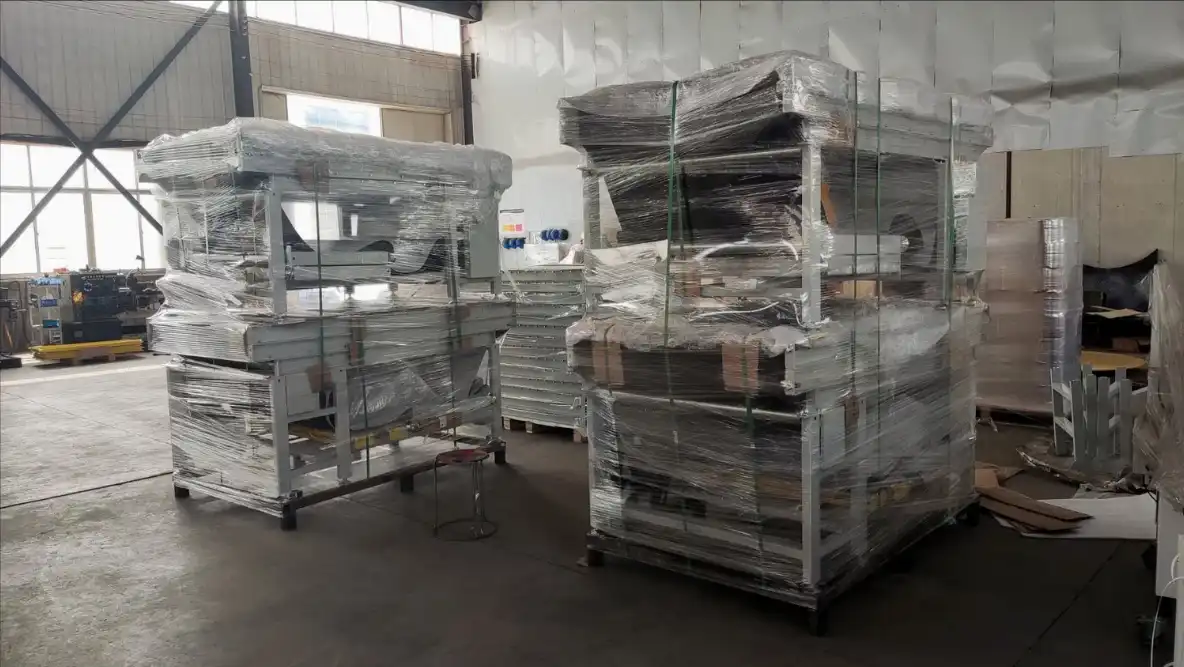
My journey in the packing industry taught me the critical importance of safety. When I managed factory operations, I saw firsthand the devastating impact of workplace injuries. A single injury could halt production. It could also lead to high medical costs. It meant a drop in worker morale. OSHA regulations exist for a good reason. They protect lives. Investing in automation is not just about efficiency. It is about showing you care about your employees. It is about building a safer work environment. Automated door packing machines reduce human contact with dangerous parts. They reduce contact with heavy loads. This lessens the chance of accidents.
Think about the specific hazards of manual door packing. Workers often have to lift heavy doors. They have to twist their bodies to wrap them. They might use forklifts in tight spaces. All these actions carry risks. There is the risk of dropping a door. There is the risk of crushing a hand. There is the risk of back injury from repeated lifting. An automated machine performs these actions with precision. It has safety sensors. It has emergency stop buttons. It has guards to prevent access to moving parts. These features are built into the design. They meet safety regulations. When I designed packing solutions for my own clients, safety was always a top priority. We made sure machines moved heavy items mechanically. We made sure they wrapped products without human hands touching them. This not only improved safety. It also improved peace of mind for both management and workers. It led to fewer insurance claims. It also meant a more stable workforce. People felt safer. They were less likely to leave. This builds a strong, reliable team.
How Automation Improves Safety and OSHA Compliance
| OSHA Hazard Category | Manual Packing Risk | Automated Packing Solution |
|---|---|---|
| Ergonomic Injuries | Back strains, sprains from lifting/twisting | Robotic arms, conveyors handle all lifting/moving |
| Struck-by Hazards | Dropped doors, moving forklifts | Confined machine operation, safety interlocks |
| Caught-in/Between | Hands caught in wrapping film or moving parts | Safety guards, light curtains prevent entry during operation |
| Slip/Trip/Fall | Cluttered work areas, film scraps on floor | Organized process, less material waste on floor |
| Electrical Safety | Less reliance on portable hand tools, safer wiring | Centralized, guarded electrical systems |
| Emergency Stops | Manual actions are harder to stop quickly | Clearly marked E-stops, integrated safety circuits |
This table highlights how automated systems tackle common industrial hazards. They remove the human element from dangerous tasks. This is a core part of OSHA compliance. It helps create a truly safe workplace. You are not just buying a machine. You are investing in the well-being of your employees. This also reduces your liability. It lowers your insurance costs. It improves your company’s reputation as a safe place to work.
How Can Door Packing Automation Protect Products and Boost Profits?
Are you losing money due to damaged products? Do customer complaints about packaging quality hurt your reputation? Product damage during handling and packing can be a silent drain on your profits. This leads to rework. It also means unhappy customers. It affects your bottom line.
Door packing automation protects your products. It uses consistent, gentle handling. This stops damage. Machines apply wrapping materials evenly. They secure products tightly. This keeps them safe during transport. Fewer damaged goods mean fewer returns. It means happier customers. This directly boosts your profits.
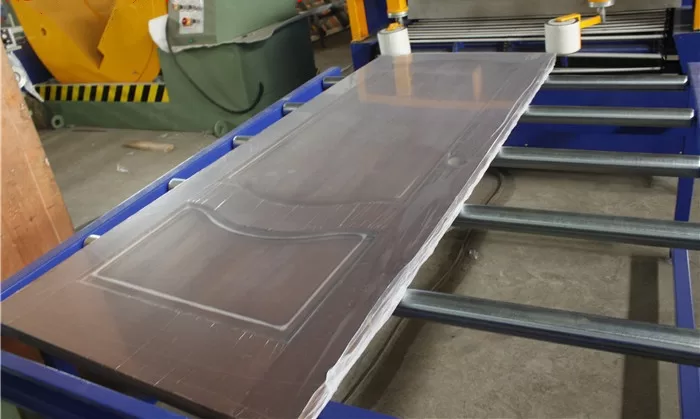
When I was building my packing machine factory, I knew that product quality was everything. If a product arrives damaged, it does not matter how good the manufacturing was. The customer will be unhappy. This can lead to lost sales. It can also lead to bad reviews. Manual handling, especially for large items like doors, often leads to nicks, scratches, or bent corners. Workers can get tired. They can make mistakes. This means product damage. Automated systems remove this human error. They handle products with precision every time. This ensures each door leaves your factory in perfect condition.
Consider a large metal door. Its edges are vulnerable. If a worker drags it or bumps it, the finish can get ruined. This can lead to a customer refusing the delivery. This means you have to ship a new door. You might need to pay for return shipping. You also lose time. An automated door packing machine uses conveyors and robotic arms to move the door smoothly. It positions the door perfectly for wrapping. The wrapping head applies film with constant tension. This creates a secure, protective package. This uniform wrapping prevents movement during transit. It protects against dust and moisture. It also protects against minor impacts. I have seen clients transform their customer satisfaction scores by simply investing in better packing. They reduced their damage rates almost to zero. This built trust with their clients. This made their brand stronger. It also meant they did not have to absorb costs from damaged goods. This directly improved their profit margins. It sounds simple, but robust packing is a powerful sales tool. It is a sign of quality from start to finish.
Benefits of Automated Product Protection
| Aspect | Manual Packing Vulnerability | Automated Packing Advantage |
|---|---|---|
| Handling Damage | Scratches, dents, bent edges from human error | Gentle, precise machine handling, no contact damage |
| Wrap Consistency | Loose wraps, gaps, uneven coverage | Tight, uniform, overlapping film application |
| Environmental Peril | Exposed to dust, moisture during slow packing | Quick, sealed wrapping, protection from elements |
| Transit Security | Movement inside package, shifting during travel | Secure, tight package prevents internal shift |
| Claim Frequency | High rate of damage claims, customer returns | Very low damage claims, increased satisfaction |
| Cost Savings | Rework costs, reshipping, lost sales | Reduced material waste, no damage costs |
This shows how automation safeguards your products. It moves them safely. It wraps them perfectly. This means fewer damaged items. It means happier customers. It means less money spent on fixing problems. These savings go straight to your bottom line. It is a clear way to boost your overall factory profitability.
What Is the True Return on Investment for Automated Packing Solutions?
Are you hesitant about making a big investment in new equipment? Do you wonder if automated packing machines are worth the cost? It is natural to look at the upfront price tag. However, the true value of automation comes from its long-term return on investment (ROI). This is where the real savings and growth happen.
The true return on investment for automated packing solutions is significant. It comes from many areas. You save money on labor. You reduce product damage costs. You also boost production output. This leads to more sales. These combined benefits quickly outweigh the initial cost. They provide a strong financial return over time.
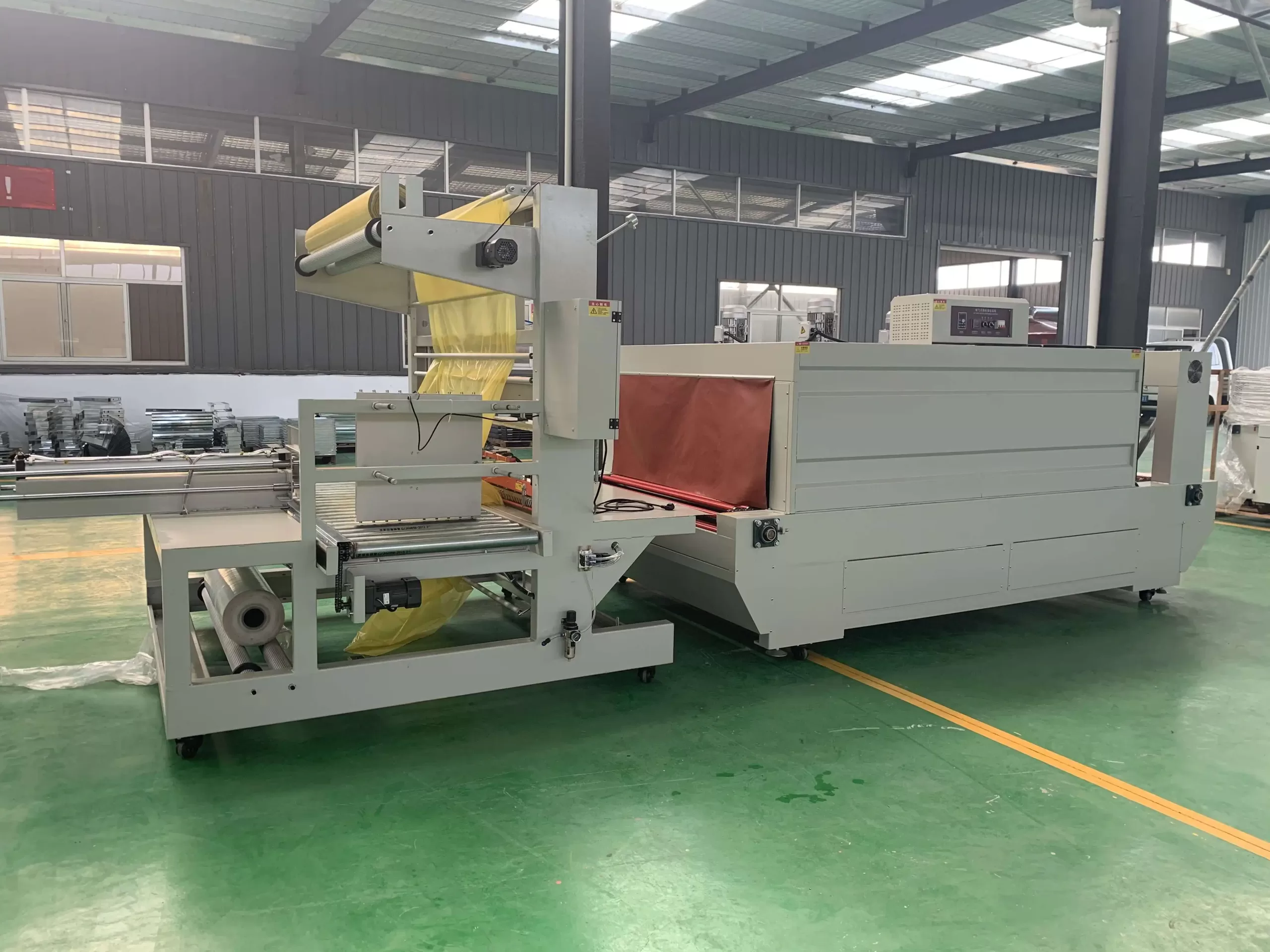
When I decided to start my own packing machine factory, financial independence was a goal. I knew that for my clients to succeed, their investments had to make sense financially. An automated packing machine might seem like a large purchase at first. But you need to look at the big picture. How much money are you currently losing due to slow processes? How much do injuries cost you? What about the cost of damaged products and customer returns? When you add these up, the ongoing costs of manual packing are often much higher than the cost of automation. My clients saw returns within months, not years. This allowed them to grow their businesses. They could invest in other areas. They could take on more orders.
Let’s break down the ROI for a door packing machine. First, consider labor. A machine can do the work of several people. This means you can reassign those workers to other, more valuable tasks. You can also reduce overtime. Or you can avoid hiring new people. This saves a lot on wages and benefits. Second, think about product damage. Every damaged door costs you money. It costs you material. It costs you labor to fix or replace it. It also costs you in shipping. An automated machine significantly reduces this waste. This means more perfect products reaching your customers. Third, there is the increase in output. A faster packing line means you can produce more. More products mean more sales. This directly boosts your revenue. Finally, consider the less obvious savings. Lower insurance premiums due to fewer injuries. Improved worker morale. A stronger brand reputation. These all add to your bottom line. They make your investment even more valuable. For me, the ROI was not just about money. It was about creating a more robust, stable, and profitable business model for my clients.
Key Factors in Automated Packing ROI Calculation
| ROI Factor | Manual Packing Cost/Loss | Automated Packing Benefit/Gain |
|---|---|---|
| Labor Savings | High wages, benefits, overtime, training | Reduced headcount on line, reallocated labor |
| Product Damage | Material waste, rework, reshipping, customer claims | Minimal damage, higher yield of perfect products |
| Throughput Increase | Slow output, missed deadlines, lost sales | Faster packing, higher production capacity, more sales |
| Safety Improvements | High insurance premiums, injury costs, turnover | Lower insurance, fewer claims, stable workforce |
| Operational Costs | Inefficient energy use, inconsistent material use | Optimized material use, consistent power draw |
| Quality/Reputation | Customer complaints, brand damage | Consistent quality, enhanced brand image, trust |
This table makes the ROI clear. Automated packing is an investment that pays for itself. It brings direct financial benefits. It also brings indirect benefits. These benefits strengthen your business for the long run. They give you a real competitive edge in the United States manufacturing sector.
My Insights!
From my journey, from an employee in a packing machine factory to owning my own successful company, I have learned one big truth: change is hard, but standing still is harder. Many factory managers, like Michael Chen, face the same daily battles. They worry about efficiency. They worry about safety. They worry about costs. I have been there. I know these pressures well.
What I also know is the power of the right solution. It is not just about buying a machine. It is about finding a partner who understands your problems. It is about getting a solution that truly fits your needs. When I helped clients grow their businesses, it was never just about selling them equipment. It was about sharing my knowledge. It was about finding the right automation. This allowed them to solve their biggest pain points. It also let them achieve financial independence, just as I did. This is why FHOPEPACK exists. We share knowledge. We help you understand the craft. We help you find the best way forward.
Conclusion
Automated door packing machines offer significant benefits. They boost efficiency. They enhance safety. They protect products. They deliver a strong ROI for US manufacturers. This investment solves core factory challenges. It supports long-term growth and success.








