
Door Packing Machine for United States: Solving the Challenge of OSHA-Compliant and Labor-Saving Automation?
Is your factory struggling with slow, manual door packing? Do you worry about worker safety and high labor costs? Many factory managers I talk to face these exact issues. They see bottlenecks at the end of their production lines. They also fear OSHA fines from unsafe manual handling. These problems do more than just slow you down. They lead to accidents. They cause employee turnover. They eat into your profits. You might even lose customers because of damaged products. What if there was a way to fix this? What if you could make your door packing fast, safe, and cost-effective?
A door packing machine solves these problems. It brings automation to your production line. This machine helps factories in the United States meet strict OSHA safety rules. It also greatly reduces the need for manual labor. This saves a lot of money and makes your operations more efficient. It is a smart investment for any busy factory.
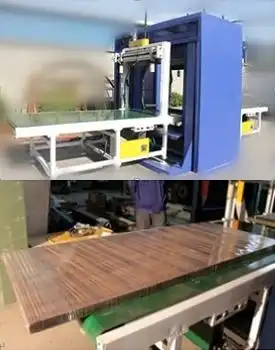
I have seen many factories grow because they embraced the right technology. My own journey in the packing machine industry taught me this. It is more than just buying equipment. It is about finding solutions that truly make a difference. Let us explore how a door packing machine can transform your operations. We will look at safety, labor, and overall efficiency.
How Can Automation Make Your Door Packing Safer and OSHA Compliant?
Are your workers manually lifting heavy doors for packing? This is a huge risk. It causes injuries. It leads to high insurance costs. It can also lead to fines from OSHA. Imagine a serious accident on your packing line. This stops production. It damages morale. It creates legal problems for your company. Your factory cannot afford these setbacks. An automated door packing machine takes the danger out of the process. It helps you protect your team. It also ensures you follow all safety rules.
Automated door packing machines greatly improve workplace safety. They remove the need for human workers to handle heavy doors. This lowers the risk of back injuries, strains, and accidents. These machines also help factories meet OSHA compliance standards. They provide a controlled and predictable packing process. This makes the work environment much safer.
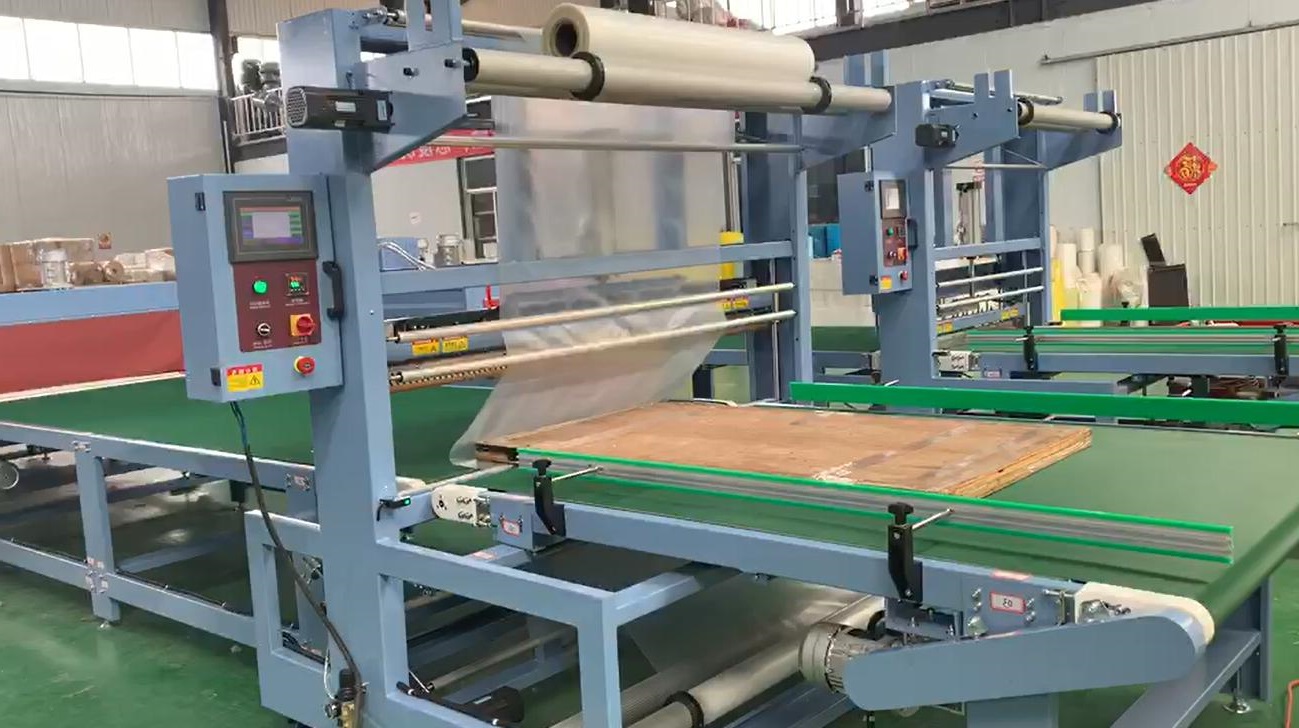
Safety is not just a buzzword. It is vital for every factory, especially in the United States. OSHA, the Occupational Safety and Health Administration, sets clear rules. These rules protect workers from harm. Manual handling of heavy or awkward items like doors is a big hazard. When I started my factory, I learned fast that worker safety comes first. It is not just good for people. It is also good for business. Injuries cause production delays. They lead to worker absences. They also increase your company’s insurance premiums.
An automated door packing machine addresses these issues head-on.
- Reduced Manual Lifting: The machine does the heavy lifting. Workers no longer need to strain their backs or use unsafe methods. This greatly reduces the risk of musculoskeletal injuries. These are very common in manufacturing.
- Controlled Environment: The machine operates in a set way. It removes human error from repetitive tasks. This means fewer dropped doors or crushing accidents. The packing process becomes predictable.
- Ergonomic Benefits: Workers interact with the machine in a safer way. They load doors onto a conveyor or platform. The machine does the rest. This design protects workers from dangerous movements.
- Compliance with Standards: Many automated systems come with safety features. These include emergency stop buttons, safety guards, and interlocks. These features help factories meet specific OSHA requirements for machinery. For example, OSHA standards for machine guarding (1910.212) ensure that moving parts do not pose a risk.
Consider the cost of an injury. It is not just medical bills. It is lost work time. It is training new staff. It is the impact on morale. Investing in automation is an investment in your people. It also protects your company from large fines. OSHA can issue penalties for safety violations. These penalties can be very expensive. A safe workplace is a productive workplace. It also builds trust with your employees. They know you care about their well-being. This can also help reduce employee turnover. My own experience showed me that happy and safe workers stay longer.
Is a Door Packing Machine the Key to Unlocking Major Labor Savings?
Are you spending too much on labor for your packing line? Is it hard to find enough skilled workers? Manual packing is slow. It also ties up a lot of your team. High labor costs eat into your profits every day. Staffing shortages can halt your production. Your competitors might already be using automation to save money. This puts you at a disadvantage. An automated door packing machine can cut your labor costs significantly. It frees up your workers for more important tasks.
A door packing machine saves labor by automating repetitive tasks. It can do the work of several manual laborers. This means you need fewer people on the packing line. These machines work faster and more consistently than humans. They reduce overtime costs and the need for new hires. This leads to big savings in your operational budget.
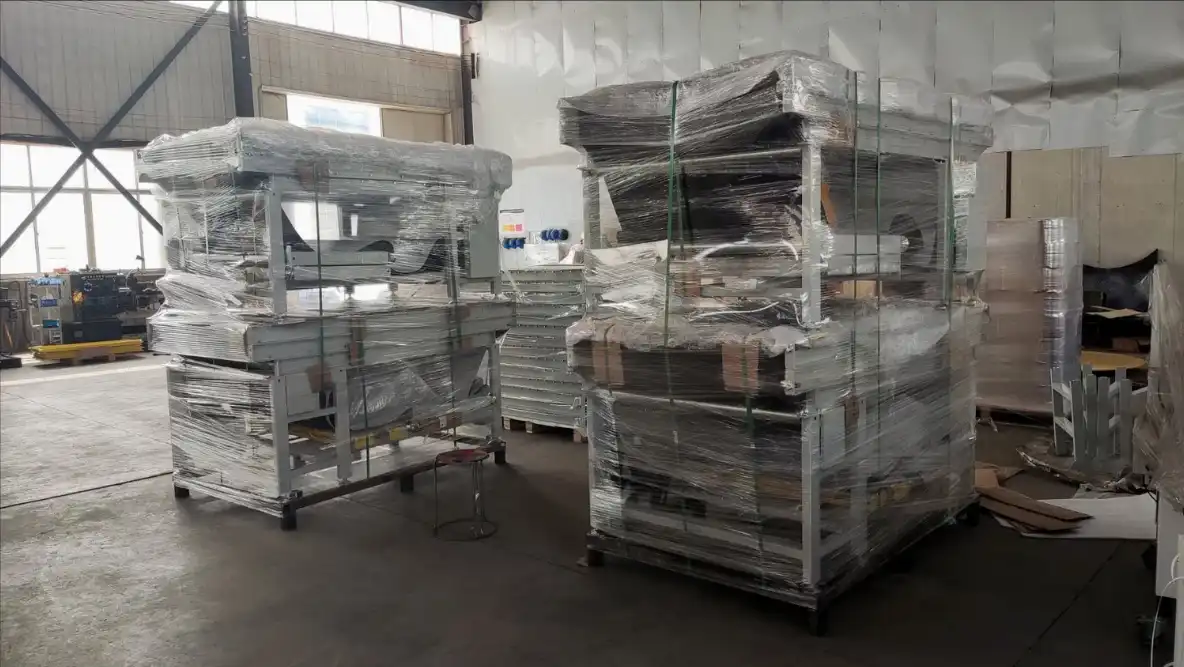
Labor costs are a big part of any factory’s budget. In the United States, wages are high. Finding reliable workers can also be a challenge. When I was building my factory, I always looked for ways to make operations leaner. Automation was a big part of that strategy. Manual packing requires many hands. Each person needs a salary, benefits, and training. This adds up very fast.
An automated door packing machine changes this equation.
- Reduced Headcount: One machine can often replace 2-5 workers. This depends on the machine’s level of automation and the specific packing process. This means a direct saving on wages and related costs.
- Fewer Overtime Hours: Automated systems work at a steady pace. They do not get tired. They do not need breaks. This reduces the need for costly overtime pay, especially during peak production times.
- Lower Training Costs: When you have fewer people doing manual, repetitive tasks, you have less need for constant training of new hires. The machine itself requires some training to operate and maintain. But this is usually for a smaller, specialized team.
- Reallocation of Workforce: The workers who were on the packing line can move to other areas. They can take on more skilled roles. They can work in quality control, maintenance, or other parts of the factory. This makes your existing workforce more valuable.
Consider a factory that packs thousands of doors each day. Manually wrapping each door is very time-consuming. It needs a large team. With a machine, the process is much quicker. It needs only one or two operators. This allows the factory to handle more volume with the same or even fewer workers. My own clients saw their labor costs drop significantly after they automated their packing lines. They could then invest those savings back into their business. This helped them grow. This also made them more competitive in the market. Investing in automation is not just about cutting jobs. It is about working smarter. It is about using your human resources in the best way possible.
How Does Automated Door Packing Boost Your Factory’s Efficiency and Profits?
Is your packing process a bottleneck? Does it slow down your whole production line? Are you losing money because of damaged products during shipping? Slow packing means delayed deliveries. This upsets customers. Damaged products mean returns and rework. This eats into your profits. Your factory cannot reach its full potential this way. Automated door packing speeds up your operations. It protects your products better. This directly leads to higher efficiency and more profit for your business.
Automated door packing machines significantly increase packing speed and consistency. They remove bottlenecks at the end of the production line. This allows for higher throughput. These machines also apply wrapping material more evenly and securely. This reduces product damage during transit. The combined effect is a major boost in overall factory efficiency and profitability.
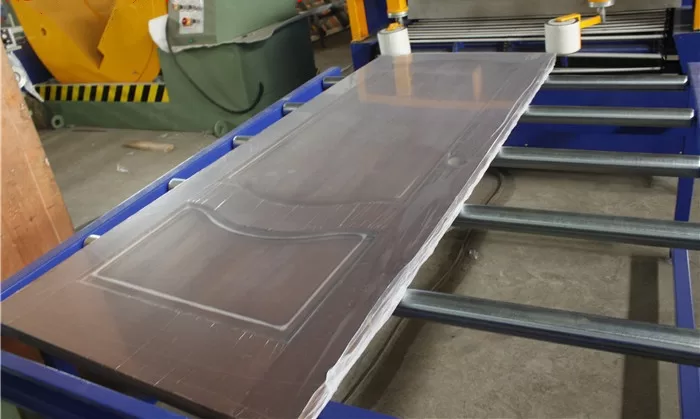
Every factory manager wants to improve efficiency. They also want to boost profits. When I work with clients, we always look at the entire production flow. The packing stage is often overlooked. But it can be a major point of inefficiency. My goal with FHOPEPACK is to help businesses see these hidden areas for improvement. A slow packing line means your expensive production machines upstream are waiting. This wastes valuable time and resources.
Here is how automated door packing makes a difference:
- Increased Speed and Throughput: Machines work much faster than humans. They can pack more doors per hour. This means your factory can produce and ship more products. This directly increases your sales potential.
- Consistent Quality: Automated systems apply wrapping materials precisely. They ensure every door is packed the same way. This consistency reduces errors and improves the final package quality. It means less material waste. It also means fewer customer complaints about damaged goods.
- Reduced Product Damage: Manual handling and packing often lead to scratches, dents, or broken edges on doors. An automated system minimizes direct human contact. It uses gentle, precise movements. The wrapping is tighter and more protective. This leads to fewer damaged products. It means fewer returns. It also means happier customers.
- Better Use of Space: Automated machines often have a smaller footprint than a large manual packing area. This frees up valuable floor space in your factory. You can use this space for other operations. Or you can use it for storage.
- Reliability and Uptime: Modern packing machines are built for industrial use. They are designed to run for long hours with minimal breakdowns. This consistent performance ensures your packing line is always running. This maximizes your uptime. It maximizes your productivity.
Think about the impact of damaged goods. Each damaged door is a loss. You lose the cost of materials. You lose the labor to make it. You lose the shipping cost. Then you have to deal with customer service. You might even lose the customer. Automated packing protects your bottom line. It makes sure that the quality you put into manufacturing your doors carries through to delivery. My experience has shown me that companies that automate see a clear return on investment. They get their money back through saved labor, less waste, and higher sales.
Why Is Choosing the Right Partner as Important as the Machine Itself?
Have you bought equipment before and felt let down? Did the supplier disappear after the sale? Good machinery is important. But good support is just as vital. A machine without proper support can become a very expensive paperweight. You face breakdowns. You have no one to call. Your production stops. This costs you a lot of money and time. Choosing a partner who understands your business is key. They offer more than just a machine. They offer expertise, training, and reliable after-sales service.
Choosing the right partner for your door packing machine is critical. They should offer more than just sales. A true partner provides deep industry knowledge. They give expert guidance on the best solution for your factory. They also offer strong after-sales support, including installation, training, and maintenance. This ensures your machine runs well for years.
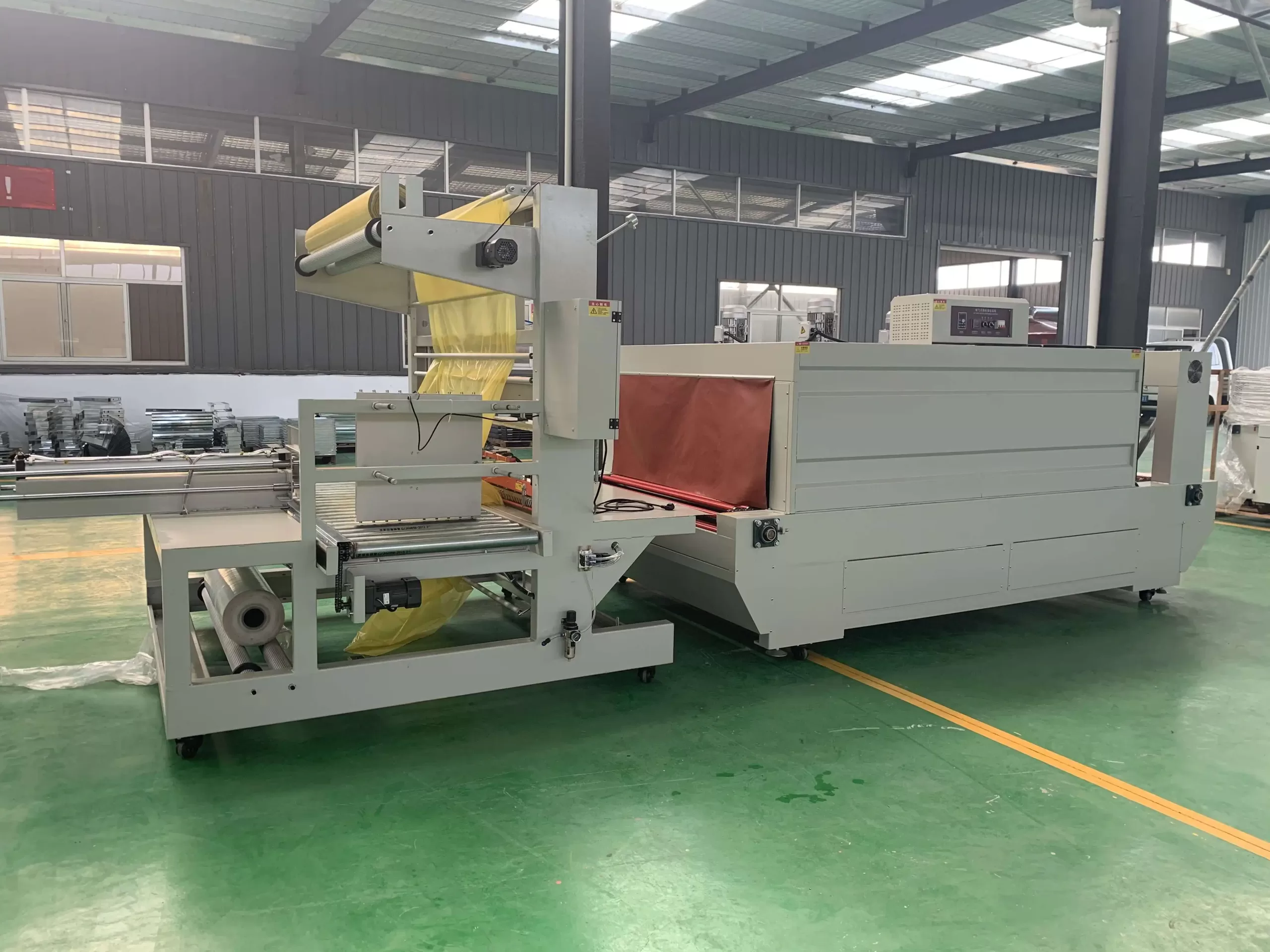
My journey in the packing machine industry taught me a lot. I started as an employee. Then I built my own factory. I saw what customers needed. It was not just a machine. It was a solution. It was trust. I also saw what happened when suppliers failed their clients. This is why FHOPEPACK focuses on sharing knowledge. We want to be that reliable partner.
Here is what a good partner brings to the table:
- Deep Industry Knowledge: A good partner understands your specific challenges. They know about door manufacturing. They know about shipping requirements. They know about OSHA regulations. They can recommend the right machine for your unique needs, not just any machine. They are like a consultant, not just a salesperson. Michael Chen, a factory manager I know, always seeks this kind of expertise. He wants someone who understands his factory’s bottlenecks and safety issues.
- Customized Solutions: Your factory is unique. A good partner will not offer a one-size-fits-all solution. They will look at your space, your production volume, and your specific door types. They will suggest a machine that fits perfectly into your existing line. Or they might suggest changes to your line to make the new machine work best.
- Comprehensive Support: This is where many suppliers fail. A strong partner offers:
- Installation: Professional setup ensures the machine works correctly from day one.
- Training: Your team needs to know how to operate and maintain the machine safely and efficiently. Good training prevents errors and downtime.
- After-Sales Service: What happens if the machine breaks down? A reliable partner has technicians ready to help. They provide spare parts. They offer remote support. This minimizes your downtime and production losses.
- Long-Term Relationship: The best partnerships are built for the long haul. They are not just about one sale. They are about helping your business grow. They help you adapt as your needs change. This could mean upgrading equipment. It could mean finding new packing solutions.








