
Why Are Pallet Inverters Essential in Cold Chain Logistics?
Working in cold chain logistics presents unique challenges. You constantly face the pressure of maintaining product integrity, ensuring rapid movement of goods, and managing diverse pallet types. Mistakes can be incredibly costly, leading to spoilage, compliance fines, or even customer loss. For years, I have seen operations struggle with manual pallet handling in these demanding environments, creating bottlenecks and safety risks. (cold chain logistics challenges, pallet handling problems)
Pallet inverters are critical tools in cold chain logistics because they enable efficient and safe load transfers, maintaining product temperature, enhancing hygiene, and streamlining operations within temperature-controlled environments by reducing manual intervention and adapting to varied pallet requirements.
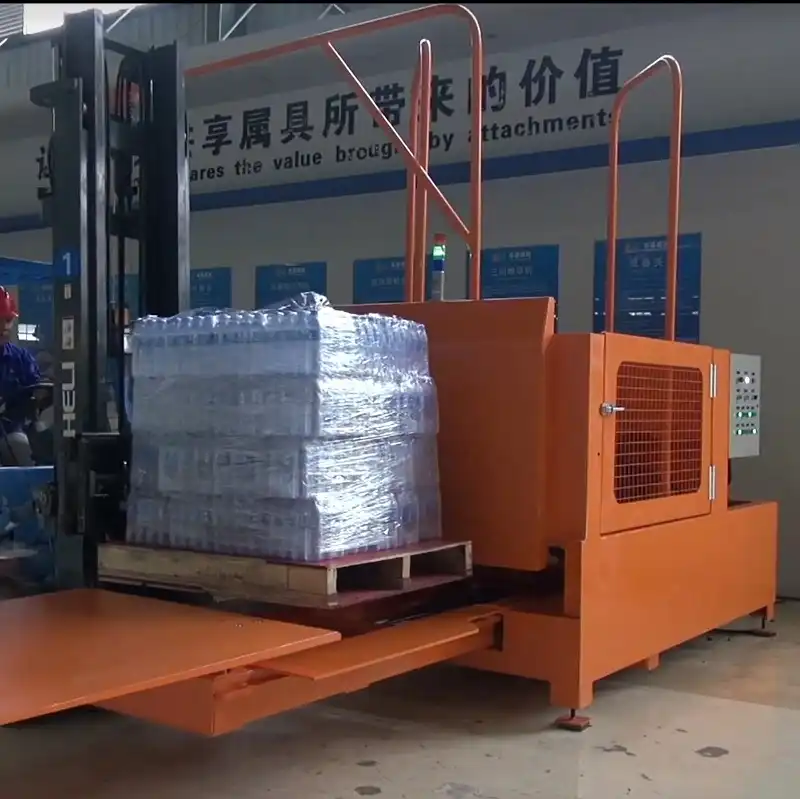
I understand these challenges deeply because I have walked this path myself, from the factory floor to leading a successful packing machine business. Now, I want to share insights that help you navigate these complexities. This article will dive into the specific reasons why pallet inverters are not just an option but an essential asset for any cold chain operation looking to improve efficiency, safety, and profitability. Read on to discover how these machines can transform your cold storage operations. (cold chain operational efficiency, logistics technology)
What Makes Cold Chain Logistics Unique and Challenging?
Cold chain logistics is a complex field. You must maintain precise temperature control, but manual handling often introduces inconsistencies and risks. This constant balancing act makes it hard to keep goods moving quickly and safely, especially when you deal with thousands of pallets daily. Many operations find themselves battling against product degradation and strict regulatory demands. (cold chain operational hurdles, temperature-sensitive goods)
Cold chain logistics is unique because it demands continuous temperature management, rapid inventory turnover, strict hygiene protocols, and often involves diverse pallet types for global distribution, all within demanding, low-temperature working conditions.

I have seen firsthand how these demands place immense pressure on logistics managers like you. The cold environment itself creates a difficult workplace, impacting both equipment performance and worker safety. Let’s explore these specific challenges in more detail.
-
1. 🌡️ Temperature Sensitivity and Product Integrity: Many products, especially in the food and pharmaceutical industries, need constant refrigeration or freezing. Any temperature fluctuation can lead to spoilage, product degradation, or loss of efficacy. This means you must handle goods quickly and carefully to minimize exposure to warmer temperatures. Manual pallet changes can often take too long, putting your valuable inventory at risk. For example, moving frozen items from a damaged wooden pallet to a clean plastic one manually means the product stays out of refrigeration for an extended period. This directly affects its quality and safety. You need solutions that keep the process fast and consistent, protecting the integrity of every single item. (temperature-controlled logistics, perishable goods handling, cold storage integrity)
-
2. 🌍 Diverse Pallet Specifications and International Trade: If you operate in international markets, you know the headache of different pallet standards. European standard pallets do not always match American standard pallets, and plastic pallets might be required for specific destinations. You might ship products out of Europe on Euro pallets, but your destination market demands US-sized wooden pallets or plastic hygiene pallets. Manually changing these thousands of pallets daily is a huge bottleneck. It consumes a lot of time and labor. This process also increases the risk of product damage or worker injury due to the awkward lifting and repositioning of heavy loads. Finding a way to quickly and seamlessly adapt to these varying requirements is a common pain point for global supply chains. (international pallet exchange, global supply chain management, pallet standardization)
-
3. 🏭 High Throughput and Operational Efficiency: Modern supply chains, driven by e-commerce and just-in-time delivery, demand incredibly high throughput. Your warehouses need to process thousands of pallets daily, moving goods in and out with minimal delays. Manual pallet handling is inherently slow. It ties up valuable labor resources and creates bottlenecks at critical points in the distribution center. This impacts your ability to meet tight delivery schedules and increases overall operating costs. When every minute counts, slow manual processes can lead to missed deadlines and unhappy customers. Improving how quickly you can move and prepare pallets is key to keeping up with market demands. (warehouse throughput, operational bottlenecks, logistics efficiency)
-
4. 👷 Worker Safety and Labor Scarcity: Working in cold environments is tough. Floors can be slippery, and the cold itself reduces dexterity and increases fatigue. Asking workers to manually flip or transfer heavy pallets in these conditions creates significant safety risks. We have seen accidents involving crushed fingers, back injuries from heavy lifting, and even goods falling due to unstable loads. Furthermore, finding labor willing to perform such strenuous tasks in cold storage is becoming increasingly difficult. The rising cost of labor and a shrinking workforce mean you must find ways to reduce reliance on manual, high-risk tasks. Prioritizing worker safety is not just an ethical choice; it is also a smart business decision that reduces insurance claims and improves morale. (cold storage worker safety, labor shortage solutions, manual handling risks)
-
5. ⚖️ Strict Hygiene and Regulatory Compliance: Especially in the food and beverage industry, hygiene is non-negotiable. You must prevent cross-contamination and meet rigorous regulatory standards. Wooden pallets, while common, can harbor pests, splinters, or dirt, making them unsuitable for direct contact with food products or for use in high-hygiene areas. You need to switch to clean, often plastic, pallets for internal transport or for certain export markets. Manual transfers increase the risk of contamination and make it harder to maintain a sterile environment. Keeping up with regulations like HACCP or ISO 22000 requires robust processes that minimize contamination pathways and ensure traceability. (food safety compliance, cold chain hygiene, cross-contamination prevention)
How Do Pallet Inverters Solve Common Cold Chain Problems?
When you face constant operational headaches in cold chain logistics, from diverse pallet types to strict hygiene rules, finding a clear path to efficiency is vital. I have seen many companies struggle until they integrate the right technology. Pallet inverters offer a clear solution to many of these pressing issues, streamlining your operations. (cold chain automation, pallet handling solutions)
Pallet inverters simplify load transfer, allowing for quick and safe changes between different pallet types or for product inspection and recovery, thereby significantly improving efficiency, safety, and hygiene in challenging cold chain environments.
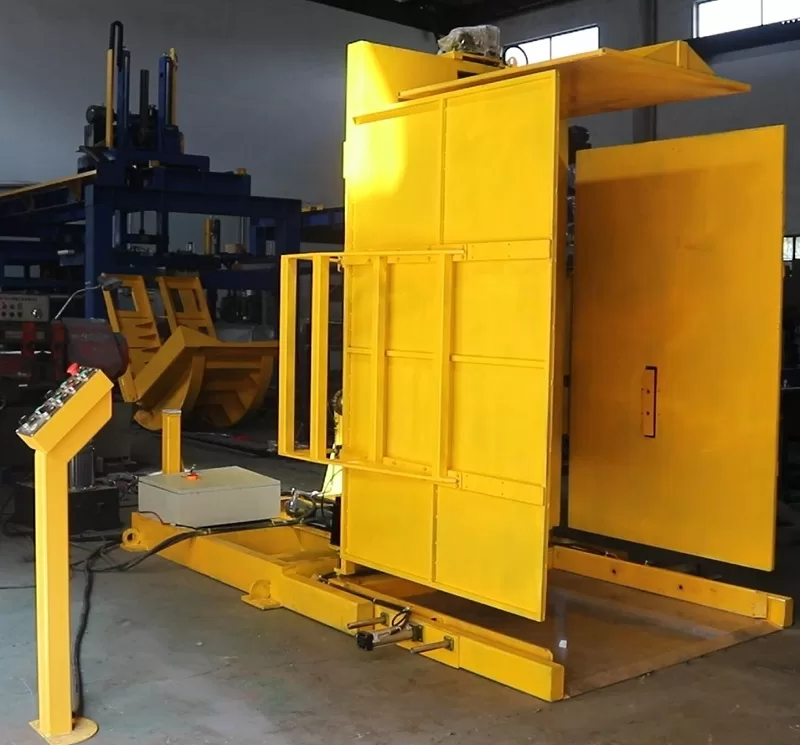
My experience has shown that these machines are not just about lifting; they are about transforming your entire pallet handling process. They directly address many of the challenges we just discussed.
-
1. 📦 Effortless and Rapid Load Transfer: Imagine a situation where a pallet of valuable frozen goods arrives with a broken base or on an unsanitary pallet. Manually transferring that load is slow, risky, and exposes the product to temperature fluctuations. A pallet inverter makes this process seamless. It securely clamps the load and gently rotates or transfers it onto a new, clean, or undamaged pallet in minutes. This means minimal exposure time for temperature-sensitive products. It also removes the need for multiple workers to manually lift and shift heavy, awkward loads. The speed and precision of a machine far surpass manual methods, ensuring that your cold chain integrity remains unbroken. This capability is crucial for maintaining both product quality and operational speed. (automated load transfer, fast pallet exchange, cold chain efficiency)
-
2. 🌍 Seamless International Pallet Swapping: Carlos, you mentioned the need to frequently switch between Euro, American, and plastic pallets for your international export business. This is where pallet inverters shine. They are specifically designed to handle different pallet sizes and types. You can load a product on a Euro pallet, and the machine will transfer it onto a US pallet or a plastic hygienic pallet without any manual lifting or product disturbance. This eliminates a huge bottleneck in your export preparation process. It ensures compliance with various international shipping regulations without compromising speed or safety. Instead of relying on labor-intensive and error-prone manual methods, you get a consistent, fast, and compliant solution. (global logistics solutions, multi-pallet compatibility, export preparation)
-
3. 🔄 Optimizing Internal Pallet Systems: Many cold chain facilities use wooden pallets for receiving goods but prefer plastic pallets for internal storage and movement due to hygiene and durability. A pallet inverter facilitates this internal transfer with ease. Products arriving on wooden pallets can be quickly inverted onto plastic pallets suitable for your cold storage environment. This process also allows for easy inspection of the incoming pallet base for damage or contamination before it enters your clean facility. This helps maintain a cleaner internal environment and reduces maintenance on your material handling equipment, as plastic pallets are often smoother and more uniform than wooden ones. (internal logistics optimization, hygienic pallet systems, cold storage best practices)
-
4. 🌡️ Maintaining Cold Chain Integrity During Handling: One of the biggest concerns in cold chain is keeping products at their correct temperature. Manual handling, especially for complex transfers, means products are exposed to ambient warehouse temperatures for longer. Pallet inverters perform these transfers quickly. The machine completes the swap in a fraction of the time it would take manually, drastically reducing the exposure window for sensitive products. This helps maintain the cold chain’s integrity, minimizing temperature excursions and preserving product quality from receipt to dispatch. For highly perishable items, every second counts. (temperature control during handling, perishable product safety, cold chain consistency)
-
5. 🛡️ Product Recovery and Damage Prevention: Sometimes, a pallet might arrive with a damaged base, but the goods themselves are perfectly fine. Or, you might need to access the bottom layer of a stacked product. A pallet inverter allows you to safely access or transfer the load. This helps in salvaging products that would otherwise be rejected or require extensive manual handling to recover. By gently inverting or transferring the entire load, the risk of further damage to the product during the recovery process is significantly reduced. This protects your inventory investment and reduces waste. (product damage prevention, inventory recovery, safe material handling)
Can Pallet Inverters Enhance Hygiene and Product Safety?
Product integrity is paramount in cold chain logistics, especially for food and beverage items. Manual handling, unfortunately, often introduces points of compromise for hygiene and safety. You are constantly battling against potential contamination and the need to meet rigorous standards. Finding ways to minimize these risks is a critical part of your job. (cold chain hygiene solutions, food safety management)
Pallet inverters enhance hygiene and product safety in cold chain by minimizing direct human contact with goods and pallets, enabling clean pallet segregation, and preventing cross-contamination, ensuring compliance with strict food safety regulations.
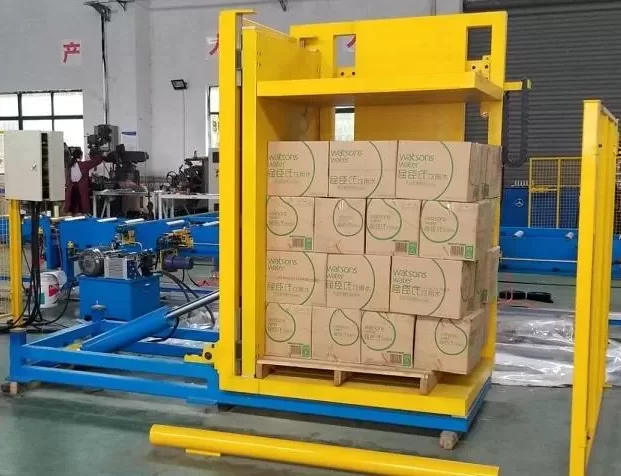
I have seen the challenges of maintaining a sterile environment, particularly when dealing with incoming goods on varied pallet types. Pallet inverters play a crucial role in mitigating these risks.
-
1. 🧼 Reduced Contamination Risk through Mechanization: When workers manually handle pallets and products, there is an inherent risk of introducing contaminants from hands, clothing, or even external dirt. In a cold chain environment, where hygiene is paramount, this is a major concern. Pallet inverters largely eliminate this direct human contact during the transfer process. The machine secures the load and performs the pallet swap. This mechanization drastically reduces the pathways for cross-contamination, ensuring that products remain as pristine as possible. It is a critical step towards maintaining a cleaner and safer operation, especially when dealing with sensitive food or pharmaceutical products. (contamination control, automated hygiene, reduced human contact)
-
2. ♻️ Pallet Material Segregation for Optimal Hygiene: Many facilities implement a “clean room” policy for their internal operations, meaning only specific, often plastic, pallets are allowed inside. Incoming goods, however, frequently arrive on wooden or less hygienic pallets. Pallet inverters provide an efficient bridge for this segregation. You can quickly transfer products from external, potentially contaminated, wooden pallets to internal, easy-to-clean plastic pallets. This prevents external contaminants from entering your controlled environment. Plastic pallets are also non-porous and easy to sanitize, further supporting a hygienic operation. This ability to easily swap pallet types is fundamental to maintaining a high standard of cleanliness in your cold storage. (hygienic pallet segregation, clean room logistics, plastic pallet benefits)
-
3. 🔍 Damage Prevention and Product Integrity: Manual handling of heavy or delicate goods always carries the risk of accidental drops, shifts, or damage. In a cold environment, where products can be brittle and floors slippery, this risk increases. Pallet inverters handle loads gently and securely, minimizing the chance of product damage during transfer. The machine clamps the entire load firmly before any movement, preventing shifting or falling. This protection ensures that your valuable inventory arrives at its next destination in perfect condition, reducing waste and preserving product quality. It is a vital aspect of maintaining product integrity throughout the cold chain. (gentle load handling, product quality preservation, reduced damage)
-
4. ✅ Compliance with Food Safety Regulations: Adhering to strict food safety regulations, such as HACCP, BRC, or ISO 22000, is non-negotiable for food and beverage companies. These standards often require verifiable processes to prevent contamination and ensure traceability. By automating pallet transfers with pallet inverters, you introduce a consistent and repeatable process that can be easily documented. This helps demonstrate compliance by showing that critical handling steps are performed mechanically, reducing human error and contamination risks. The ability to switch to hygienic pallets also supports these regulatory requirements. This makes audits smoother and gives you peace of mind that your operations meet the highest safety benchmarks. (regulatory compliance, food safety standards, audited processes)
-
5. 🌐 Maintaining Environmental Control: During manual pallet transfers, doors might stay open longer, or products might be exposed to ambient air for extended periods. This can disrupt the delicate temperature balance within your cold storage facility. Pallet inverters perform transfers quickly and efficiently, often allowing for more streamlined processes around temperature-controlled zones. In some advanced setups, the inverters themselves can be integrated into airlock systems, further minimizing temperature fluctuations. This efficient handling helps maintain consistent environmental conditions, which is crucial for energy efficiency and product quality. (environmental control in cold storage, energy efficiency, temperature stability)
How Do Pallet Inverters Boost Operational Efficiency in Cold Storage?
Manual pallet handling in a cold storage facility can feel like a constant drain on your resources. It slows down operations and consumes valuable labor. You are always looking for ways to streamline processes and cut costs, especially when dealing with high volumes. Pallet inverters offer a clear solution to these challenges. (cold storage operational improvements, warehouse cost reduction)
Pallet inverters boost operational efficiency in cold storage by automating the laborious process of load transfer, drastically reducing labor costs, shortening processing times, and increasing overall throughput while maintaining a safe and consistent workflow.

From my perspective, having designed and implemented many such systems, the impact on efficiency is profound. These machines are not just about lifting; they are about transforming the entire flow of goods.
-
1. ⏱️ Faster Turnaround Times: Imagine needing to swap hundreds or even thousands of pallets daily. Manually, this can take hours, creating significant bottlenecks in your receiving or shipping areas. A pallet inverter performs a full pallet swap in just a few minutes, often less than one minute for the actual transfer. This dramatic speed increase means goods move through your facility much faster. Reduced dwell times mean trailers can be unloaded and reloaded more quickly, improving dock door utilization. For operations like yours, Carlos, handling thousands of pallets, this speed translates directly into significant time savings and a smoother workflow. (expedited logistics, quick pallet changes, reduced dock time)
-
2. 💸 Significant Reduction in Labor Costs: One of the most immediate and impactful benefits of a pallet inverter is the reduction in manual labor. Instead of requiring multiple workers to physically move, lift, or flip heavy pallets, one operator can manage the pallet inverter. In some automated setups, no operator is needed at all. This frees up your valuable workforce to focus on more skilled tasks, such as inventory management, quality control, or order picking. Given the rising cost of labor and the difficulty of finding workers willing to endure cold environments, this saving is substantial. It is not just about cutting costs; it is about optimizing your human resources. (labor cost savings, workforce optimization, automation benefits)
-
3. 📈 Increased Throughput and Processing Capacity: When you can swap pallets faster and with less labor, your overall processing capacity increases. A pallet inverter allows you to handle a greater volume of goods within the same timeframe, or even less time. This is vital for meeting the demands of modern supply chains, which often require rapid order fulfillment and high inventory turnover. By eliminating manual bottlenecks, you can keep your production lines or shipping departments running smoothly without interruptions. This directly contributes to your ability to serve more customers and expand your business without needing a larger physical footprint. (higher volume processing, increased warehouse capacity, continuous workflow)
-
4. ⚙️ Streamlined Workflow and System Integration: Pallet inverters are versatile machines. They can be integrated into existing conveyor systems or automated lines, creating a seamless flow of goods. This reduces the need for forklifts to maneuver in crowded spaces for manual transfers, which also improves safety and efficiency. The ability to integrate these machines into a larger automated system allows for a highly streamlined workflow, where pallets are automatically swapped and moved to the next stage of the process. This leads to fewer disruptions, less manual intervention, and a more predictable operational rhythm. (automated warehouse integration, logistics process optimization, seamless material flow)
-
5. 📊 Improved Inventory Management and Accuracy: Faster and more consistent pallet handling means better inventory control. When goods move quickly and predictably, it is easier to track them through your system. Automated pallet changes can also be linked to your Warehouse Management System (WMS), providing real-time updates on inventory movements. This reduces the likelihood of misplaced goods or counting errors that can occur during manual handling. Better inventory accuracy leads to fewer stockouts, more efficient order fulfillment, and ultimately, greater customer satisfaction. (real-time inventory tracking, WMS integration, supply chain visibility)
What Safety Benefits Do Pallet Inverters Offer in Frigid Environments?
Working in cold storage brings a unique set of safety hazards. Your team faces risks from slippery floors, heavy lifting, and the inherent dangers of operating machinery in challenging conditions. Protecting your employees from injury is a primary concern, and it is something I have always prioritized in my work. (cold storage safety, workplace injury prevention)
Pallet inverters dramatically improve safety in frigid environments by eliminating hazardous manual tasks like heavy lifting and flipping, reducing repetitive strain injuries, and preventing accidents caused by unstable loads or slippery conditions, thus protecting workers and valuable inventory.
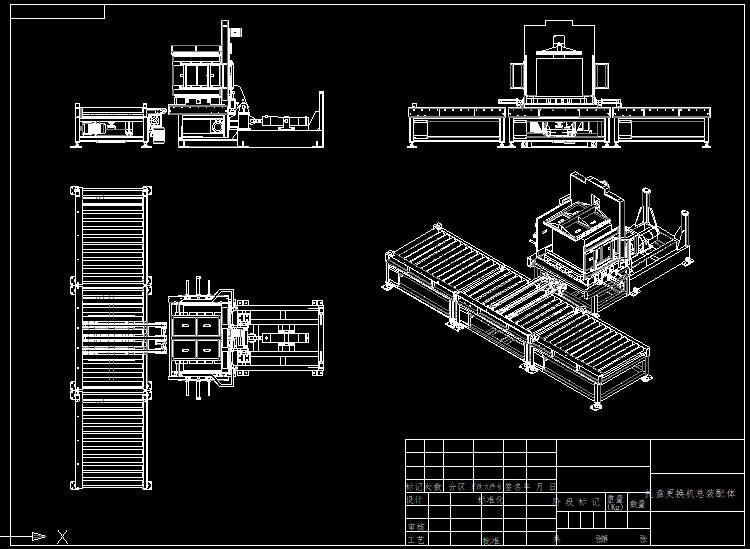
From my experience, safety is not just about compliance; it is about creating a secure and productive environment. Pallet inverters are a key component in achieving this, especially in the demanding world of cold chain logistics.
-
1. ⬇️ Eliminates Hazardous Manual Lifting and Flipping: Manually lifting or flipping heavy pallets, especially in a cold environment, is incredibly dangerous. Workers are at high risk of back injuries, muscle strains, and even crushed limbs if a load shifts. Pallet inverters remove this manual element entirely. The machine does all the heavy lifting and rotating, keeping workers safely away from the load during the process. This dramatically reduces the potential for common workplace injuries associated with manual material handling. It is one of the most direct ways to improve the physical well-being of your team. (heavy lifting elimination, ergonomic workplace, reduced physical strain)
-
2. 🚫 Reduces Repetitive Strain Injuries (RSIs): Even if a lift isn’t “heavy,” repetitive tasks, especially in cold conditions, can lead to chronic musculoskeletal disorders. Actions like constantly bending, twisting, and pushing pallets contribute to RSIs over time. Pallet inverters automate these repetitive movements, taking the strain off your workers. By performing the consistent, repetitive actions mechanically, the risk of conditions like carpal tunnel syndrome, tendonitis, or chronic back pain is significantly lowered. This means a healthier workforce and fewer lost workdays due to injury. (RSI prevention, automated repetitive tasks, worker health)
-
3. 🩹 Prevents Crushing Injuries and Product Falls: When workers manually try to flip or transfer unstable loads, there is always a risk of the product collapsing or falling, potentially injuring personnel or damaging valuable goods. Pallet inverters securely clamp the entire load before any movement occurs. This firm grip prevents shifting, tipping, or falling during the transfer process. By stabilizing the load throughout the operation, the risk of crushing injuries from falling products or equipment accidents is virtually eliminated. This protects both your employees and your inventory from catastrophic failures. (load stability, accident prevention, material damage mitigation)
-
4. 🧊 Safer Operations in Icy and Slippery Conditions: Cold storage environments often have slippery floors due to ice buildup or condensation. Asking workers to maneuver heavy pallets in these conditions compounds the risk of slips, trips, and falls. With a pallet inverter, workers operate the machine from a safe distance, away from the immediate area of load transfer. This reduces their exposure to hazardous floor conditions during critical handling operations. It means your team can work more safely and confidently, even in the most challenging parts of your facility. (cold environment safety, slip hazard reduction, secure operations)
-
5. 🛡️ Enhances Overall Workplace Safety Culture: Implementing advanced safety equipment like pallet inverters sends a clear message to your employees: their safety is a top priority. This fosters a positive safety culture within your organization. Employees who feel valued and protected are often more engaged and productive. Beyond the direct injury prevention, an investment in safety technology can improve morale, reduce absenteeism, and lower insurance premiums. It is an investment that pays dividends in both human well-being and financial performance. (positive safety culture, employee well-being, reduced insurance costs)
Choosing the Right Partner for Cold Chain Pallet Handling?
We have explored why pallet inverters are indispensable for cold chain logistics, from enhancing hygiene to boosting efficiency and ensuring safety. The challenges in this sector are vast, but the right technology can transform them into opportunities. My journey in the packing machine industry has shown me that true success comes from understanding specific pain points and offering flexible, reliable solutions.
For a partner who genuinely understands your warehousing needs and can provide robust, adaptable, and long-lasting pallet handling solutions, I recommend considering FHOPEPACK. We specialize in machines that meet the rigorous demands of cold chain environments, focusing on reliability and integration. Our expertise ensures you get more than just a machine; you get a solution that aligns with your operational goals. If you are also exploring other reliable options in the market, SHJLPACK is another reputable provider known for durable packing machinery. Ultimately, making an informed choice is about partnering with someone who values your operational success as much as you do.
In conclusion, adopting a pallet inverter is a strategic decision for any cold chain operation. It elevates efficiency, improves hygiene, dramatically enhances worker safety, and ensures regulatory compliance. This investment not only streamlines your processes but also safeguards your products and personnel in demanding temperature-controlled environments.








