
What Is the Standard Load Capacity of a Pallet Flipper?
Have you ever faced a bottleneck in your warehouse because of pallet issues? Perhaps you deal with different pallet sizes for international shipments, or you struggle with the constant need to switch out damaged pallets. I know these challenges well. When I was building my packing machine factory, I saw firsthand how quickly inefficient pallet handling could slow everything down. It impacts delivery times, raises costs, and even puts your team at risk.
A pallet flipper’s standard load capacity refers to the maximum weight it can safely and efficiently handle during operation. This capacity is critical for safe and effective pallet changing, ensuring the machine can lift, invert, or transfer goods without risk of mechanical failure, damage to products, or injury to personnel. It is typically measured in kilograms or pounds and is a primary specification to consider when selecting equipment for your warehouse.
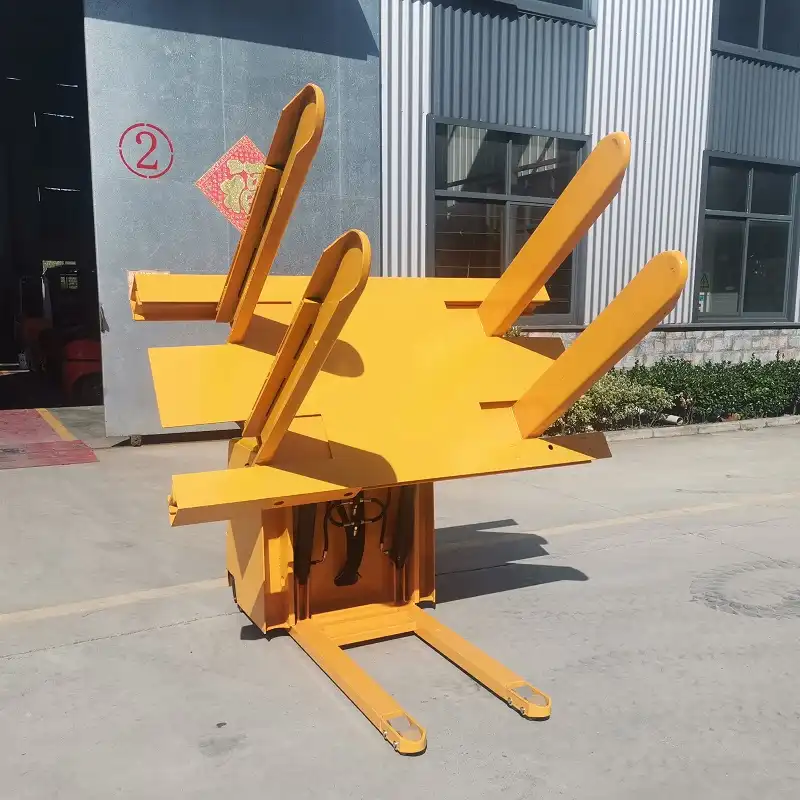
Choosing the right pallet flipper is not just about moving goods; it is about protecting your investment, your people, and your reputation. This guide will help you understand everything about load capacity, so you can make smart choices for your operations. We will look at what capacity means, why it matters, and how to find the perfect fit for your specific needs.
What Does “Load Capacity” Mean for a Pallet Flipper?
Do you ever wonder if your equipment can handle the heavy lifting required day in and day out? Many managers overlook the precise definition of “load capacity,” only to find their machines underperform or, worse, break down. This oversight leads to unexpected costs and operational disruptions.
For a pallet flipper, “load capacity” means the maximum combined weight of the product and its pallet that the machine can safely process. This includes lifting, tilting, rotating, or transferring from one pallet to another. This rating ensures the machine’s structural integrity, hydraulic or mechanical systems, and overall performance remain within safe operational limits, preventing damage and maintaining productivity.
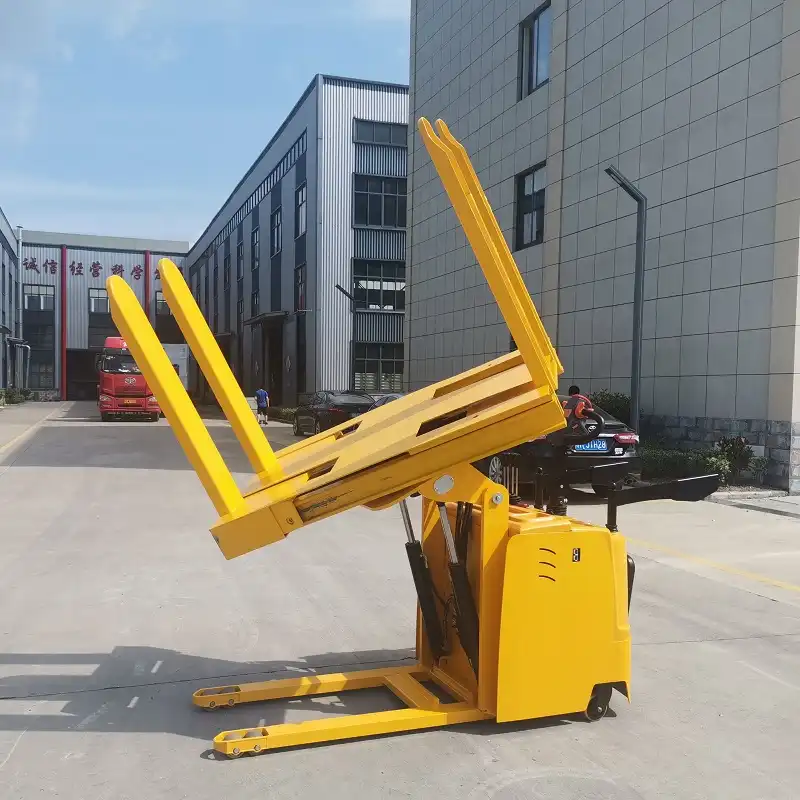
Understanding the nuances of load capacity is not just about a single number; it is about how various factors come together. As an engineer who has worked with packing machines for years, I have seen many situations where a machine rated for a certain capacity struggles because of other variables.
1. Types of Capacity Ratings
- Static Load Capacity: This refers to the maximum weight a pallet flipper can support while stationary, without any movement. It is usually higher than dynamic capacity. Think of it as the weight a pallet changer can hold when it is just sitting there.
- Dynamic Load Capacity: This is the maximum weight the machine can handle when it is actively moving, lifting, tilting, or rotating. This is the more critical rating for daily operations. For example, if you are flipping a heavy stack of goods, the dynamic capacity tells you if the machine can do it safely.
- Operating Load Capacity: This is the practical, recommended maximum weight for consistent, long-term use, considering factors like duty cycle and operational environment. Often, it is a bit lower than the dynamic capacity to ensure longevity and reliability. It is what FHOPEPACK focuses on when recommending machines to clients like Carlos, who need stable performance for thousands of pallets daily.
2. Factors Influencing Stated Capacity
Manufacturers arrive at these numbers through rigorous testing. They consider the strength of the steel frame, the power of the hydraulic cylinders, the robustness of the motors, and the design of the clamping mechanisms. The type of bearings, the size of the pumps, and even the quality of the welds all contribute. My experience building factories taught me that cutting corners on these components can severely limit real-world capacity, no matter what the spec sheet says. We always ensure our FHOPEPACK machines are built to last.
3. Importance of a Buffer Zone
It is always wise to choose a machine with a load capacity that exceeds your typical maximum load by at least 15-20%. This buffer provides a safety margin. It helps prevent wear and tear, reduces the risk of mechanical failure, and allows for unexpected heavier loads. For a manager like Carlos, whose warehouse handles thousands of pallets daily, having this buffer means fewer breakdowns and more consistent operations. It also allows for growth without needing to replace equipment immediately. (pallet flipper maximum weight, pallet changer load ratings)
Why Is Understanding Load Capacity Crucial for Your Warehouse Operations?
Have you ever experienced equipment failure during a critical shift? The consequences of underestimating load capacity can be severe, from damaged goods and injured workers to missed deadlines and costly repairs. Many businesses learn this lesson the hard way.
Understanding a pallet flipper’s load capacity is crucial because it directly impacts operational safety, efficiency, and cost-effectiveness in the warehouse. Overloading leads to equipment breakdown, potential product damage, and serious safety risks for personnel. Choosing the correct capacity ensures smooth operations, extends machine lifespan, and helps maintain a productive and safe work environment, especially for businesses handling high volumes or varied pallet types like those in food logistics.

When I started FHOPEPACK, I knew that providing reliable machines meant understanding the real-world demands of our clients. For a warehouse manager like Carlos, who handles thousands of pallets daily, every detail counts. Load capacity is not just a technical spec; it is a fundamental pillar of warehouse management.
1. Ensuring Operator Safety
Safety is paramount. An overloaded pallet flipper can become unstable, leading to a dropped load or a catastrophic machine failure. This creates a high risk of severe injury to operators or nearby personnel. I have heard stories from my clients about accidents caused by pushing machines beyond their limits. This is why I always emphasize the importance of matching the machine’s capacity to the heaviest loads. It is a proactive step to prevent workplace incidents and avoid costly worker’s compensation claims. Safety is not an option; it is a necessity.
2. Preventing Equipment Damage and Downtime
Exceeding the rated load capacity puts immense stress on every component of the pallet flipper. This includes the frame, hydraulics, motors, and electrical systems. Over time, or even immediately with a significant overload, this stress leads to premature wear, component failure, and unexpected breakdowns. Downtime is expensive. For businesses in food logistics, like Carlos’s group, even a short disruption in pallet changing can lead to spoiled goods or missed delivery windows, resulting in significant financial losses and penalties. A reliable machine with the correct capacity minimizes these risks.
3. Optimizing Operational Efficiency
An appropriately sized pallet flipper operates smoothly and consistently. It performs its tasks quickly without strain, which maintains throughput. If a machine is constantly struggling with near-maximum loads, it will operate slower, consume more energy, and require more frequent maintenance. This directly impacts overall warehouse efficiency and turnaround times. Imagine Carlos’s challenge of processing thousands of pallets daily; any slowdown in the pallet changing process ripples through the entire supply chain. Correct capacity ensures the machine can keep up with demand, supporting faster order fulfillment and improved customer satisfaction. This helps avoid customer complaints and potential contract penalties.
4. Maximizing Return on Investment (ROI)
Investing in a pallet flipper with adequate load capacity is a long-term decision. A machine that is regularly overloaded will have a shorter lifespan, requiring earlier replacement. This means higher capital expenditure over time. Conversely, a correctly specified machine will perform reliably for many years, reducing maintenance costs and avoiding unexpected replacement expenses. It preserves your original investment and contributes to a better ROI. This is the kind of practical thinking that guides FHOPEPACK in helping our clients. (warehouse pallet handling safety, pallet changer operational costs)
How Do Different Pallet and Product Types Influence Capacity Needs?
Do you handle a mix of heavy, oddly shaped products or different pallet standards, such as Euro and US pallets? Many warehouse managers struggle to find a single solution that can adapt to all their diverse handling needs. This complexity can lead to costly compromises.
Different pallet and product types significantly influence the required load capacity of a pallet flipper. For example, heavy raw materials or dense food products demand higher capacity than lighter consumer goods. Varying pallet dimensions (e.g., Euro, US, plastic) also affect how the load is distributed and gripped, requiring a machine that can adapt to both the weight and the physical characteristics of the entire load. This diversity necessitates flexible and robust pallet handling solutions to maintain efficiency and safety.
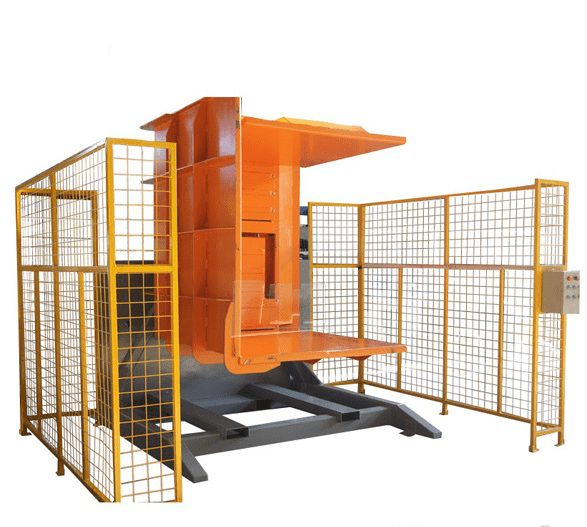
Dive deeper Paragraph: Carlos’s situation at the multinational food and beverage group perfectly illustrates this challenge. His warehouse deals with thousands of pallets daily, often needing to switch between Euro and US pallet sizes for export. This is not just about weight; it is also about geometry and handling stability.
1. Impact of Product Density and Form
- Dense Products: Items like canned goods, bottled beverages, or bulk raw ingredients (flour, sugar) are extremely heavy even in compact volumes. A pallet flipper handling these needs substantial load capacity. I remember one client who tried to use a general-purpose machine for stacked bags of cement. It was clear it could not handle the sustained stress. For FHOPEPACK, when we design solutions for food logistics, we always account for high-density goods.
- Irregular or Fragile Products: While not always heavy, irregularly shaped items or fragile goods (like delicate baked goods or glass bottles) require a stable and gentle inversion. The machine needs to handle the total weight carefully to prevent shifting or crushing during the flip. A robust clamping system, often integrated with the flipper, is as important as the pure lifting capacity.
- Variable Loads: Many warehouses do not handle a uniform product. They might have light consumer goods one hour and heavy industrial components the next. The pallet flipper chosen must accommodate the heaviest likely load to ensure versatility and avoid underperformance. This is why FHOPEPACK offers customizable solutions.
2. Influence of Pallet Material and Dimensions
- Wooden Pallets (Euro vs. US): These are common. Euro pallets (800x1200mm) and US pallets (1000x1200mm or 40×48 inches) have different footprints and structural characteristics. A pallet flipper must accommodate these varying dimensions, often through adjustable clamping arms or platforms. The weight of the pallet itself also adds to the total load.
- Plastic Pallets: Lighter and often more uniform, plastic pallets can sometimes reduce the total load weight. However, their structural integrity can vary, and they might require different handling or clamping pressures compared to wood. They are common in food processing for hygiene reasons.
- Metal Pallets: Used for extremely heavy or specific industrial applications, metal pallets add significant weight to the load, directly impacting the required capacity.
- Damaged Pallets: The need to change out damaged pallets, which Carlos highlighted as a pain point, also influences capacity. The machine must be robust enough to handle potentially unstable loads during the transfer process. A strong, stable flipper minimizes the risk of product damage during these critical transfers.
3. Stacking Height and Stability
The height of the stacked product on the pallet also affects the effective load capacity. A tall, narrow stack might require lower dynamic capacity due to stability concerns, even if the total weight is within limits. A pallet flipper needs to secure the entire load firmly throughout the inversion process. FHOPEPACK’s pallet changers often feature side press or top clamp mechanisms to ensure load stability, especially crucial for high stacks common in warehouse operations. (diverse pallet types, heavy product handling, adjustable pallet flipper)
What Are the Safety Risks of Misjudging Pallet Flipper Load Capacity?
Have you ever worried about an accident in your warehouse involving heavy machinery? Misjudging the load capacity of a pallet flipper is a direct path to preventable accidents, putting your team and your inventory in serious jeopardy. This is a common but dangerous oversight.
Misjudging a pallet flipper’s load capacity carries significant safety risks, including catastrophic equipment failure, unexpected load drops, and severe injuries to personnel. Overloading can cause structural damage to the machine, rupture hydraulic lines, or lead to a complete loss of control over the pallet. This directly results in product damage, costly downtime, and potentially fatal accidents, underscoring why strict adherence to capacity limits is essential for a safe warehouse environment.
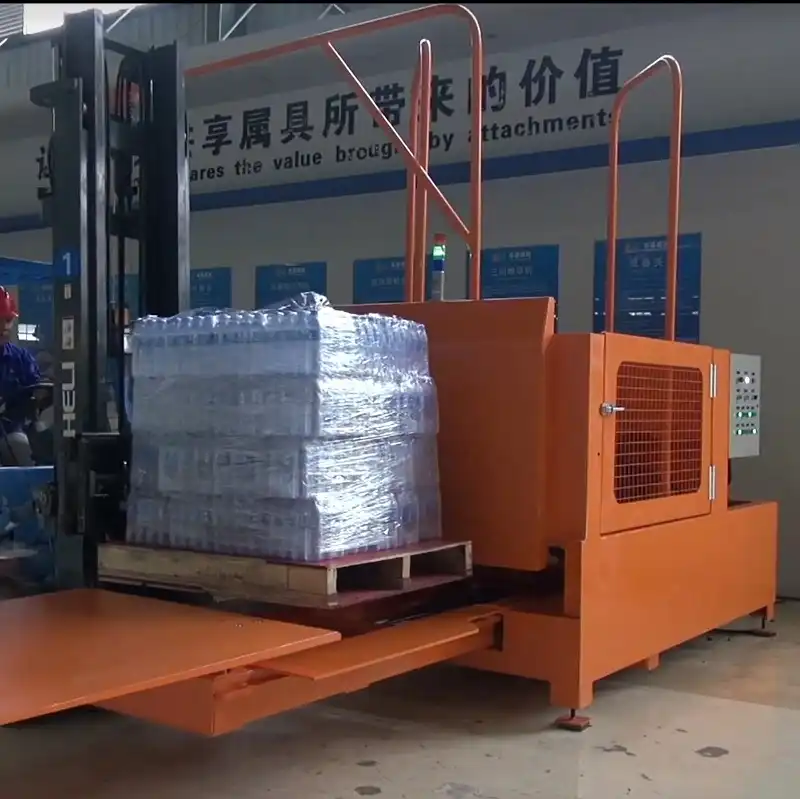
As someone who has built and operated factories, I can tell you that safety is not just a regulatory requirement; it is a core value. Carlos, the warehouse manager, clearly prioritizes safety, recognizing the real dangers of manual pallet handling. Mechanical solutions, while improving efficiency, must also prioritize safety through proper selection and operation.
1. Catastrophic Equipment Failure
An overloaded pallet flipper is under extreme mechanical stress. This can lead to:
- Structural Collapse: The frame or lifting mechanisms might bend, crack, or completely break, causing the entire load to fall.
- Hydraulic System Failure: Hoses can burst, seals can blow, or pumps can seize. This can cause the machine to drop its load suddenly, or lose control during an operation.
- Electrical System Damage: Overloaded motors can overheat and burn out, leading to machine shutdown or even electrical fires.
Any of these failures results in costly repairs, extensive downtime, and the immediate need for a replacement. From FHOPEPACK’s perspective, this is why we engineer our machines with robust components and ensure they undergo rigorous testing beyond their rated capacity.
2. Load Instability and Product Damage
When a pallet flipper is overloaded, the clamping mechanisms might struggle to secure the load firmly. This can cause the product stack to shift, tilt, or even collapse during the inversion process. The result is damaged or destroyed goods, leading to financial losses, customer complaints, and waste. For food and beverage products, this could mean spoilage or contamination. My clients in these sectors know that product integrity during handling is non-negotiable.
3. Personnel Injury and Fatalities
The most tragic consequence of an overloaded pallet flipper is injury to personnel. A falling load, a collapsing machine, or uncontrolled movement can strike workers, causing severe injuries, crushing accidents, or even fatalities. This is a risk no business should take. My personal journey in the packing machine industry has always emphasized human safety. Ensuring the correct load capacity is a critical step in creating a safe working environment and protecting your most valuable asset: your employees. Moreover, such incidents can lead to legal liabilities, increased insurance premiums, and irreparable damage to a company’s reputation. Carlos’s goal of improving safety through mechanization is entirely aligned with this principle.
4. Regulatory Non-Compliance
Workplace safety regulations often require equipment to be operated within its specified limits. Operating an overloaded pallet flipper can lead to fines, citations, and other penalties from regulatory bodies. It demonstrates a lack of due diligence in maintaining a safe work environment. Adhering to load capacity limits is not just good practice; it is a legal requirement in many jurisdictions. (pallet flipper accidents, industrial safety equipment, compliant warehouse operations)
Which Types of Pallet Flippers Offer High Load Capacity for Modern Warehouses?
Are you searching for a pallet flipper that can truly meet the demands of a high-volume, diverse-load warehouse like yours? Many conventional machines fall short when faced with heavy products, varied pallet types, and the need for continuous operation. This makes finding a reliable, high-capacity solution a real challenge.
Modern warehouses requiring high load capacity often benefit from specialized pallet flippers such as fixed-position 180-degree pallet inverters, heavy-duty mobile pallet changers with side press, or fully automatic integrated systems. These machines are engineered with robust frames, powerful hydraulics, and advanced controls to handle heavy and diverse palletized loads, often exceeding 2000-3000 kg, ensuring efficient and safe operations for complex logistics environments like food processing and international distribution.
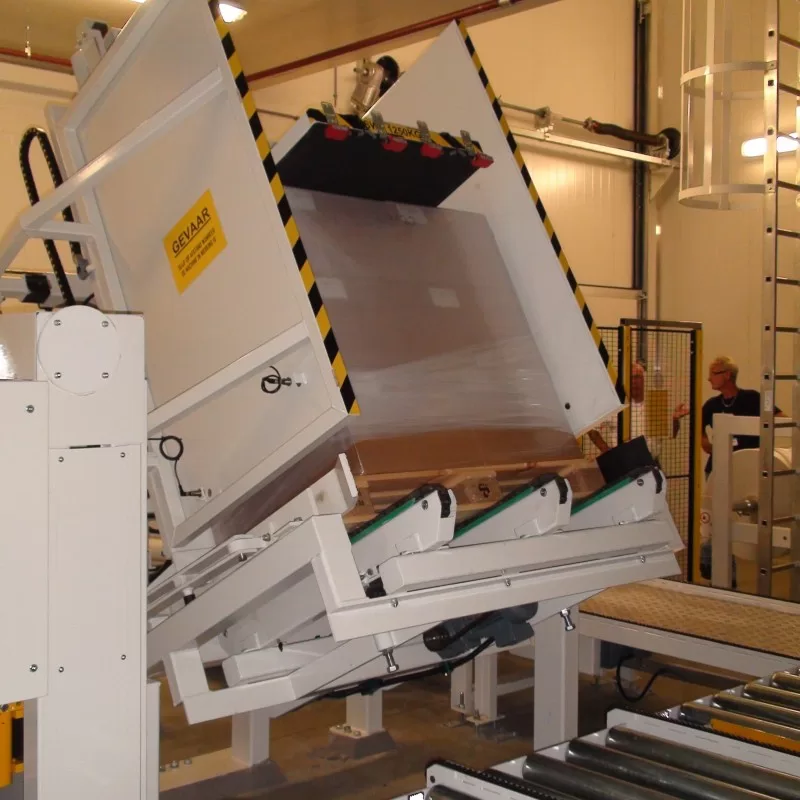
When clients like Carlos come to me looking for solutions, their primary concern is reliability and the ability to handle their specific, often demanding, operational needs. The right high-capacity pallet flipper can transform a bottleneck into a smooth process. At FHOPEPACK, we focus on providing machines that not only meet but exceed these expectations.
1. Fixed-Position 180-Degree Pallet Inverters
- Description: These are robust, stationary machines designed for continuous, high-volume pallet changing or load transfer. They typically use hydraulic power to clamp the load and then rotate it 180 degrees.
- High Capacity Features:
- Strong Gantry Design: Built with heavy-gauge steel, these machines have a rigid structure that handles significant weight without flexing.
- Powerful Hydraulics: Large bore cylinders and high-pressure pumps provide immense lifting and clamping force, easily managing loads up to 3000 kg (6600 lbs) or more.
- Controlled Rotation: The 180-degree flip is slow and controlled, minimizing dynamic stress on the load and machine.
- Application: Ideal for facilities with dedicated pallet changing stations, like a regional distribution center for a food and beverage group, where consistent, heavy loads need to be transferred from one pallet type to another for hygiene or export reasons. FHOPEPACK offers excellent fixed-position pallet inverters known for their durability and high throughput.








