
Why Are Pallet Changers Used in Frozen Meat and Seafood Logistics?
Imagine your frozen goods. They are crucial to your business. But what if moving them from one pallet to another causes delays, damage, or even safety risks? This is a common issue in cold chain logistics. It can slow down your entire operation and even cost you money. Many companies struggle with these very challenges, especially when dealing with diverse pallet types and strict hygiene rules.
Pallet changers are used in frozen meat and seafood logistics to efficiently and safely transfer goods between different pallet types. They protect product integrity, meet strict hygiene standards, and improve operational flow in cold storage environments, reducing manual labor and potential contamination risks. These machines are vital for maintaining the cold chain while adapting to various logistical requirements.

Understanding the ‘why’ behind pallet changers helps us see their true value. These machines are not just about moving things. They solve real problems for businesses dealing with frozen goods every day. Let’s look closer at how they help keep your frozen products safe, efficient, and profitable through their journey.
Why Is Pallet Swapping Essential in Cold Chain Logistics?
Frozen products, especially meat and seafood, demand a perfect cold chain. Any break in this chain can mean spoilage and big losses. But different stages in the supply chain often use different pallets. For example, a factory might use one type, while a retailer needs another. How do you keep things moving without risking your valuable goods?
Pallet swapping is essential in cold chain logistics because it allows for seamless transitions between varying pallet standards, such as wood to plastic or different national sizes, without compromising temperature control or product safety. It ensures compliance with diverse regulations, reduces contamination risks, and optimizes storage space, making the entire cold chain more adaptable and secure.
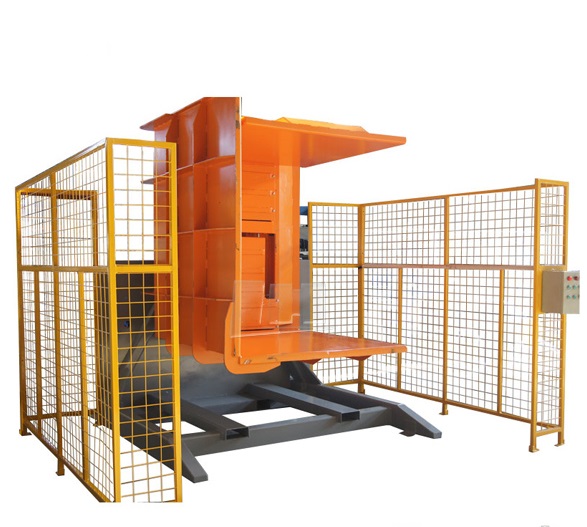
I have seen firsthand how critical this process is. In my early days, when I was an employee at a packing machine factory, I often heard about the struggles companies faced. They needed to move products from internal production pallets to export-ready ones. This had to happen without exposing the sensitive frozen goods to warmer air for long. Pallet changers solve this by keeping the process quick and contained.
-
Meeting International Standards and Regulations:
- Many countries have strict rules about importing goods on wooden pallets. Wood can carry pests or bacteria. This is especially true for food products like frozen meat and seafood.
- Exporting to places like Europe often means using specific Euro pallets. But your factory might use standard US GMA pallets for internal operations. Pallet changers make this switch easy. They ensure your products comply with import regulations. This prevents delays and penalties at customs. It also keeps your business reputation strong.
- Plastic pallets are often preferred for food items. They are easy to clean and do not absorb moisture. Swapping from wood to plastic pallets ensures food safety compliance. (International pallet standards, Food safety regulations, Export compliance)
-
Maintaining Product Integrity and Temperature:
- Manual pallet changes are slow. Workers have to move each box. This can expose frozen goods to ambient temperatures for too long. A pallet changer works quickly. It keeps the product cold.
- The less time products spend out of cold storage, the better. This helps prevent thawing and refreezing cycles. Such cycles can harm the quality of meat and seafood. They can also lead to bacterial growth. Pallet changers ensure a fast, controlled transfer. This protects the quality and safety of your sensitive products. (Frozen product integrity, Temperature control, Cold chain continuity)
-
Optimizing Warehouse Space and Operations:
- Some racking systems in cold storage warehouses are designed for specific pallet sizes. You might receive goods on one type of pallet but need to store them on another.
- Pallet changers allow you to consolidate different pallet types into a uniform size for storage. This makes better use of your expensive cold storage space. It also improves the efficiency of forklifts and automated systems. You can move more product in less time. This optimizes your overall warehouse operations. (Warehouse space optimization, Logistics efficiency, Pallet consolidation)
How Do Pallet Changers Address Hygiene and Safety in Frozen Food Storage?
Handling frozen foods means strict hygiene rules. Any contamination can be dangerous for consumers. Manual handling of pallets can also introduce risks. It can also hurt workers. Are there better ways to protect both products and people in cold environments?
Pallet changers address hygiene and safety in frozen food storage by minimizing human contact with products and pallets, reducing the risk of contamination from wooden splinters or dirt, and preventing manual handling injuries. They allow for easy cleaning of new pallets, ensuring a sterile transfer environment, which is crucial for maintaining food safety standards in the cold chain.

I remember talking with Carlos, a logistics manager from Spain. He told me about the constant challenge of maintaining hygiene in his food distribution center. Wooden pallets, even clean ones, can splinter or harbor bacteria. He also worried about his team’s safety. Manual lifting and flipping of heavy pallets led to back injuries and even goods tipping over. This is exactly where FHOPEPACK solutions shine. We focus on automating these risky tasks.
-
Reducing Contamination Risks:
- Eliminating Splinters and Dust: Wooden pallets can shed splinters or accumulate dust. These can contaminate frozen food products. Pallet changers allow you to switch from a wooden shipping pallet to a clean, food-grade plastic pallet. This avoids the risk of contamination. Plastic pallets are non-absorbent and easy to sanitize.
- Minimizing Human Contact: Every time a person handles a product or pallet, there is a chance of introducing contaminants. Pallet changers automate this process. They reduce the need for manual interaction. This lowers the risk of transferring bacteria or allergens from hands to products.
- Controlled Environment: The transfer happens within the machine. This keeps the products protected from the open environment. It is especially important in cold storage areas where airborne particles can be a concern. (Food contamination prevention, Hygienic pallet transfer, Sterile cold storage)
-
Enhancing Worker Safety and Ergonomics:
- Preventing Manual Handling Injuries: Manually lifting, rotating, or flipping heavy stacks of frozen meat or seafood is dangerous. It can cause back strains, muscle pulls, or even crushing injuries. Pallet changers remove this need for heavy manual labor. They do the heavy lifting safely.
- Reducing Accident Risks: Manual pallet transfers can lead to unstable loads. Products might fall, causing damage or injuring workers. Pallet changers secure the load during the transfer. This drastically reduces the chance of accidents. Carlos mentioned his company had already experienced several incidents. Automating this step provides a safer working environment.
- Improved Work Conditions: Fewer physically demanding tasks mean a better work environment for employees. This helps with staff retention. It also reduces costs related to worker compensation claims and insurance premiums. (Worker safety, Ergonomic benefits, Injury prevention in warehouses)
-
Facilitating Pallet Cleaning and Maintenance:
- Easy Sanitization: Pallet changers make it simple to separate products from soiled or damaged pallets. These pallets can then be removed for cleaning or repair. New, sanitized pallets are easily introduced for the onward journey. This ensures that only clean pallets enter critical storage or shipping areas.
- Pest Control: Wooden pallets can sometimes harbor pests. Regular cleaning and the use of plastic pallets, facilitated by pallet changers, help in pest control efforts within the cold chain. This is vital for food safety. (Pallet sanitization, Pest management, Cold storage hygiene)
What Challenges Do Diverse Pallet Types Create for Frozen Meat and Seafood?
Your frozen products need to travel far. They cross borders and move between different facilities. But different countries and even different companies use different pallet sizes and materials. For example, Europe uses Euro pallets, while the US uses GMA pallets. How do you manage these differences without creating a massive headache for your logistics team?
Diverse pallet types create significant challenges for frozen meat and seafood logistics by causing compatibility issues with racking systems, automated conveyors, and transport vehicles. This leads to inefficient space usage, increased manual labor for restacking, and potential delays or damage during transit, hindering smooth operations and raising overall supply chain costs.
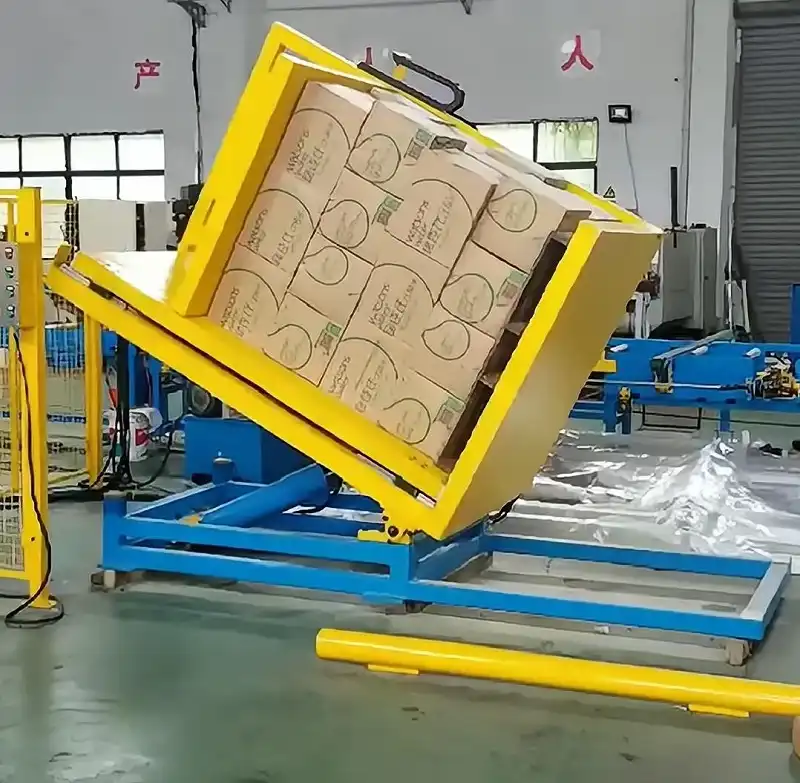
When I founded FHOPEPACK, I knew that versatility was key for our clients. Many of them, like Carlos, deal with international shipments daily. They cannot afford to have their cold chain operations stalled by incompatible pallets. The struggle is real. Businesses need solutions that can handle anything from a small UK pallet to a large American one.
-
Incompatibility with Warehouse Infrastructure:
- Racking Systems: Warehouse racking is often designed for a specific pallet footprint. If you receive goods on a pallet that does not fit your system, you cannot store them properly. This forces manual restacking. This is time-consuming and expensive. It also increases the risk of product damage.
- Conveyor Systems and Automated Storage: Many modern cold storage facilities use automated conveyor systems or Automated Storage and Retrieval Systems (AS/RS). These systems need uniform pallet sizes. A non-standard pallet can cause jams or system failures. This brings the entire operation to a halt.
- Forklift Attachments: Some specialized forklifts use attachments designed for certain pallet types. Switching between different pallet sizes can require changing attachments. This adds downtime and complexity to operations. (Warehouse infrastructure challenges, Pallet compatibility issues, Automated logistics limitations)
-
Operational Inefficiencies and Increased Costs:
- Manual Re-palletization: The most common way to handle diverse pallets is manual re-palletization. Workers unload products from one pallet and restack them onto another. This is labor-intensive. It is also slow. In frozen logistics, this extra handling means products are out of temperature control longer. This increases labor costs and operational time.
- Wasted Space: Using pallets that are not perfectly suited for your transport or storage can lead to wasted space. For example, a smaller pallet might not fill a truck efficiently. This means you ship less product per load. This increases transport costs per unit.
- Product Damage: Manual transfers always carry a risk of product damage. Dropped boxes, crushed items, or torn packaging are common. This leads to product loss and customer dissatisfaction. (Operational inefficiencies, Increased labor costs, Product damage risks)
-
Complications in International Shipping:
- Customs and Compliance: International shipping often requires specific pallet types or materials for customs clearance. For example, some regions mandate heat-treated wooden pallets or plastic pallets to prevent pest transmission. Failing to comply can lead to rejected shipments or lengthy delays.
- Shipping Container Optimization: Different pallet dimensions affect how efficiently you can load a shipping container. Optimizing container space is crucial for reducing international shipping costs. Pallet changers allow you to standardize pallets for optimal container loading. This ensures maximum efficiency for global shipments. (International shipping complexities, Customs compliance, Freight cost optimization)
How Do Pallet Changers Boost Operational Efficiency and Reduce Costs?
Every business wants to run smoother and spend less. In the fast-paced world of frozen logistics, speed and cost control are key. Manual pallet changes are slow, expensive, and introduce risks. Is there a way to cut these costs and speed things up without compromising quality?
Pallet changers boost operational efficiency by automating the pallet transfer process, significantly reducing the time spent on manual handling and improving throughput. They cut labor costs, minimize product damage, and optimize warehouse space, leading to overall cost savings, faster order fulfillment, and a more streamlined cold chain operation for frozen goods.
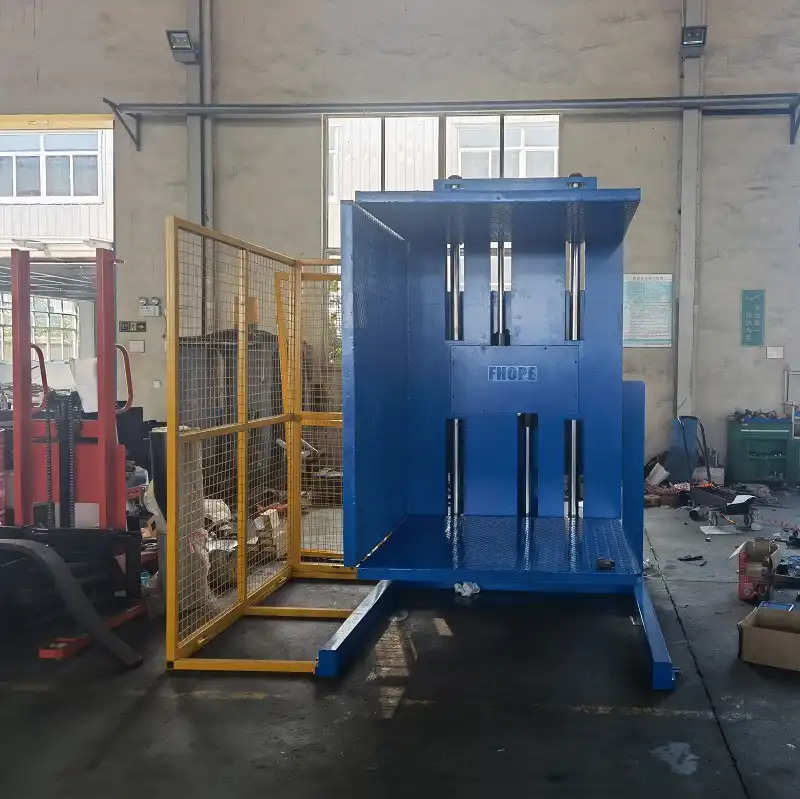
At FHOPEPACK, we believe in smart solutions that deliver measurable results. I have seen how a single pallet changer can transform a bottleneck operation into a smooth, efficient process. It is not just about moving pallets. It is about unlocking your team’s potential and making your entire supply chain more competitive. For businesses like Carlos’s, where thousands of pallets move daily, these improvements add up quickly.
-
Significant Labor Cost Reduction:
- Fewer Workers Needed: Manual pallet changing requires several workers to handle heavy loads. A pallet changer can do the work of multiple people, often with just one operator. This reduces your overall labor dependency.
- Reallocating Workforce: With fewer people needed for pallet swaps, your existing workforce can be reassigned to higher-value tasks. This optimizes your human resources. It also addresses the challenge of labor shortages in warehouses.
- Reduced Overtime: Automated systems work faster and more consistently. This helps to reduce the need for costly overtime hours to meet deadlines. (Labor cost savings, Workforce optimization, Reduced operational expenses)
-
Improved Throughput and Speed:
- Faster Transfer Times: Pallet changers perform transfers in minutes, sometimes even seconds. Manual methods take much longer. This speed means more pallets can be processed per hour. It significantly increases your warehouse throughput.
- Streamlined Flow: Automating this step removes a common bottleneck in the logistics chain. Products move seamlessly from receiving to storage or shipping. This keeps your entire operation flowing smoothly and prevents delays.
- Meeting Customer Demands: With faster processing, you can meet tight delivery schedules. This is crucial for e-commerce and retail clients who demand quicker turnaround times. Carlos faced pressure from clients for shorter delivery cycles. Pallet changers directly address this. (Enhanced throughput, Faster processing, On-time delivery)
-
Minimizing Product Damage and Loss:
- Gentle Handling: Pallet changers are designed to handle loads carefully. They secure the product during the transfer. This minimizes the risk of drops, impacts, or crushing.
- Reduced Claims and Returns: Less product damage means fewer customer complaints, fewer returns, and lower costs associated with damaged goods. This protects your profit margins and customer satisfaction.
- Consistent Quality: By protecting product integrity, especially for delicate frozen meat and seafood, you ensure that products arrive at their destination in optimal condition. This reinforces your brand’s reputation for quality. (Product damage reduction, Quality assurance, Reduced spoilage)
-
Optimized Space Utilization:
- Consistent Pallet Stacking: Pallet changers help standardize pallet loads to fit specific racking and storage systems. This allows for more efficient use of vertical space in cold storage.
- Better Warehouse Layout: Knowing you can easily swap pallets means you can design your warehouse for maximum density. You are not limited by different incoming pallet sizes. This results in more storage capacity within the same footprint. (Warehouse space efficiency, Storage capacity, Optimized logistics footprint)
What Types of Pallet Changers Are Best for Cold Storage Environments?
Not all pallet changers are equal. Especially in freezing temperatures. What kind of equipment can truly stand up to the harsh conditions of a cold storage warehouse? Which one will deliver reliable performance for your frozen goods, year after year?
For cold storage environments, pallet changers made from corrosion-resistant materials like stainless steel, with robust hydraulics or mechanics, and designed for low-temperature operation are best. Options include stationary pallet changers, mobile units, and 90-degree or 180-degree inverters, selected based on volume, space, and specific operational needs for handling frozen meat and seafood.
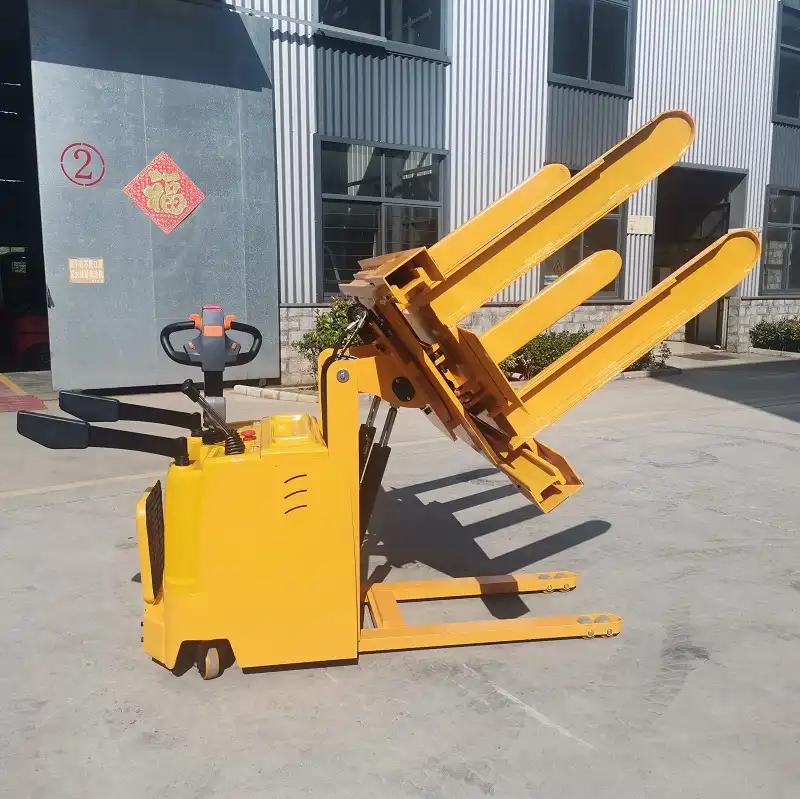
My journey in the packing machine industry taught me that environment matters. A machine that works perfectly in a dry, warm factory might fail quickly in a freezing cold storage. That is why FHOPEPACK focuses on building equipment tough enough for the task. We know that robustness and specialized design are non-negotiable for cold chain applications.
-
Material and Construction Considerations:
- Stainless Steel Construction: This is often the top choice for cold and humid environments. Stainless steel resists rust and corrosion. It is also easy to clean. This is critical for food-grade operations. Other materials must have special coatings to prevent degradation in freezing temperatures.
- Specialized Lubricants and Hydraulics: Standard hydraulic fluids can become sluggish or even freeze in very cold conditions. Pallet changers for cold storage need specialized, low-temperature hydraulic oils. Electrical components must be rated for cold environments to ensure reliable operation.
- Robust Frame and Components: The constant cold can make metals brittle. Machines need stronger frames and heavy-duty components to withstand the stresses of daily operation in sub-zero temperatures. This ensures long-term reliability and reduces maintenance needs. (Corrosion-resistant materials, Low-temperature hydraulics, Durable machine construction)
-
Types of Pallet Changers for Different Needs:
- Stationary Pallet Changers: These are fixed in one location. They are ideal for high-volume operations where pallets are always swapped at the same point. They can be integrated into existing conveyor lines. FHOPEPACK offers many stationary models.
- Mobile Pallet Changers: These units can be moved around the warehouse. They are great for operations with varying pallet swapping points or lower volumes. They offer flexibility. Some mobile units can even operate within a freezer room.
- 90-Degree Pallet Inverters: These machines tilt the entire load 90 degrees. They swap out the bottom pallet. This is good for stability and gentle handling of delicate frozen goods. They are excellent for changing damaged pallets or switching to clean ones.
- 180-Degree Pallet Inverters: These units fully invert the load. They are useful for situations where the product needs to be accessed from the bottom or for replacing a bottom sheet. They provide full access to both the product and pallets. (Fixed pallet changers, Portable pallet changers, Pallet inversion systems)
-
Safety and Ease of Operation in Cold:
- Safety Features: In cold, often slippery environments, safety is paramount. Pallet changers should have robust safety cages, light curtains, and emergency stop buttons. These prevent accidents during operation.
- User-Friendly Controls: Controls should be simple and easy to operate, even with gloved hands. Clear displays and intuitive interfaces are important for minimizing errors and ensuring smooth operation in challenging conditions.
- Maintenance Access: Design should allow for easy access for maintenance, even in cold environments. This reduces downtime and makes servicing less uncomfortable for technicians. (Warehouse safety features, Intuitive controls, Cold environment maintenance)
Our Take: Why Pallet Changers are a Game Changer for Frozen Logistics.
We have looked at many reasons why pallet changers are vital. From hygiene to efficiency, they play a huge role. But what does all this mean for your business? How do these machines truly transform frozen logistics operations? It is about more than just swapping pallets.
Pallet changers are a game changer for frozen logistics because they fundamentally improve safety, hygiene, efficiency, and cost-effectiveness across the entire cold chain. They enable businesses to meet complex international standards, reduce labor dependency, and streamline their operations, ensuring consistent product quality from factory to customer while protecting worker well-being and reducing operational risks.
I have seen businesses, much like Carlos’s, struggle with the daily grind of manual pallet handling in freezing temperatures. The stress of diverse pallet standards, the constant worry about food safety, and the pressure to cut costs are immense. My own journey, from a factory employee to building FHOPEPACK, was driven by a desire to solve these kinds of practical problems with intelligent machine design.
-
Solving Key Industry Pain Points:
- Diverse Pallet Needs: Pallet changers offer a flexible solution to the problem of different pallet types. Whether it is Euro, GMA, plastic, or wood, they bridge the gap. This helps companies avoid costly manual restacking. They prevent delays in international shipping.
- Labor Challenges: With rising labor costs and a shortage of willing workers for demanding tasks, automation is not a luxury. It is a necessity. Pallet changers significantly reduce the need for manual labor in one of the most physically intensive warehouse operations.
- Safety and Hygiene: They provide a safer workplace by removing human interaction with heavy loads. They improve hygiene by allowing for clean, food-grade pallets. This is critical for frozen meat and seafood. (Industry challenges, Automated solutions, Labor shortage resolution)
-
Long-Term Strategic Advantage:
- Future-Proofing Operations: Investing in a pallet changer prepares your business for future growth and stricter regulations. It builds a more robust and adaptable supply chain.
- Competitive Edge: Businesses that can move products faster, safer, and at lower costs gain a significant competitive advantage. Pallet changers contribute directly to this by optimizing a key part of your logistics.
- Sustainability: Reducing waste from damaged products and optimizing transport through efficient pallet use also contributes to more sustainable operations. (Strategic investment, Competitive advantage, Sustainable logistics)
-
A Partner, Not Just a Supplier:
- At FHOPEPACK, we do not just sell machines. We offer solutions. My personal goal is to share knowledge and help businesses succeed. We work with clients to understand their unique cold chain challenges. Then we provide the right pallet changer system. We ensure it fits their specific needs. This means a long-term partnership approach, not just a transaction. For example, if you need a specific type of pallet inverter for a unique product, we can help design it. (Solution provider, Customer-centric approach, Long-term partnership)
Conclusion
Pallet changers are indispensable in frozen meat and seafood logistics. They enhance hygiene, improve safety, boost efficiency, and cut costs across the cold chain. These machines tackle diverse pallet challenges and labor shortages, proving to be a true game changer for businesses like yours. Investing in a reliable pallet inverter or changer is a smart move for future-proofing your operations.








