
Why Are Hydraulic Upenders Essential for Board, Panel, and Sheet Handling?
Handling heavy, flat materials like boards, panels, and sheets in a factory can be a real headache. I’ve seen countless operations where workers struggle with manual flipping, risking serious injuries, slowing down production, and sometimes even damaging the valuable products themselves. This isn’t just an inconvenience; it’s a significant drain on resources, from increased insurance costs to lost production time and customer complaints. What if there was a robust, reliable way to eliminate these dangers and dramatically improve your operational flow?
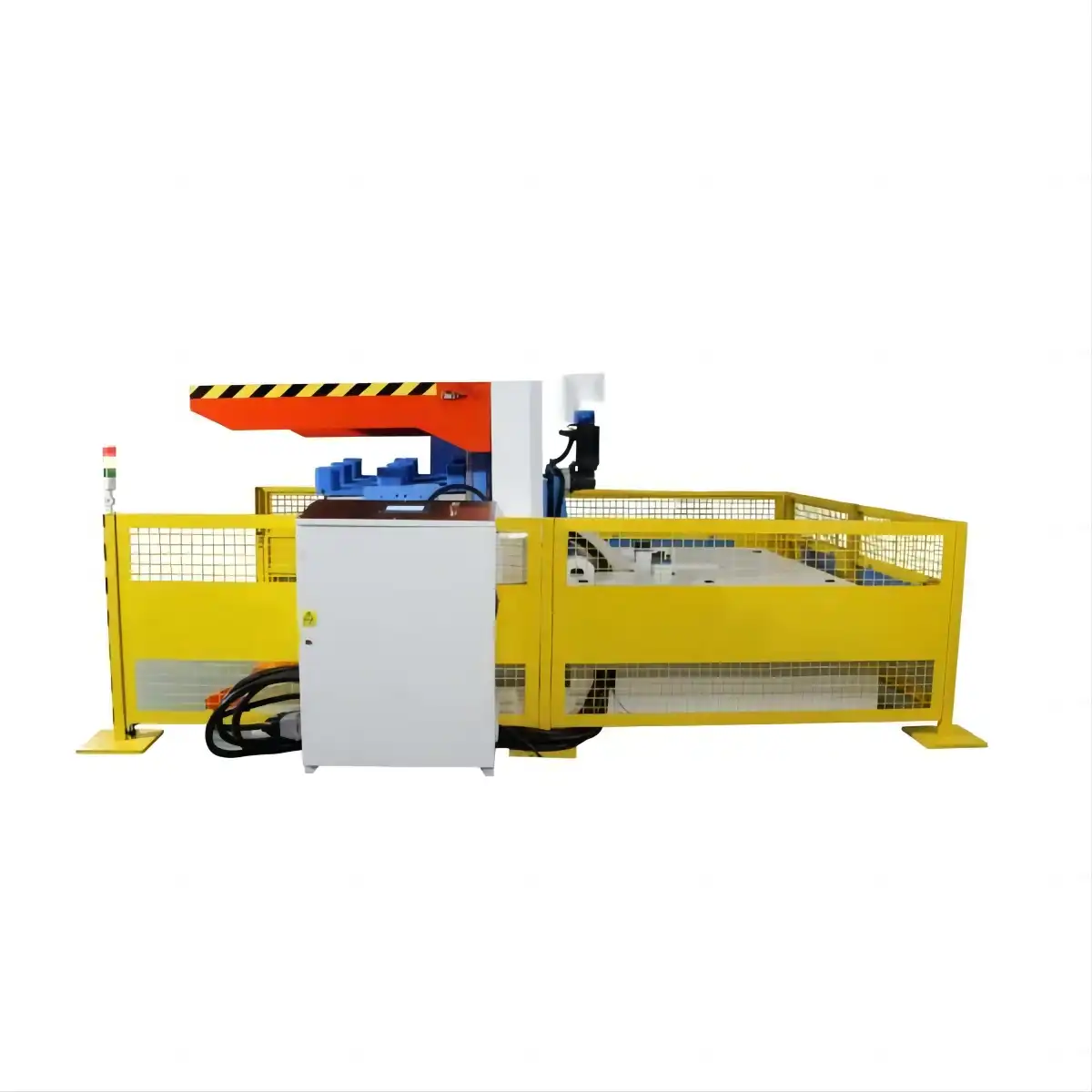
Hydraulic upenders are essential for board, panel, and sheet handling because they automate the safe, efficient reorientation of heavy or awkward materials, drastically reducing manual labor, preventing workplace injuries, accelerating production lines, and protecting valuable goods from damage during internal transport and packaging processes, across various heavy industries.
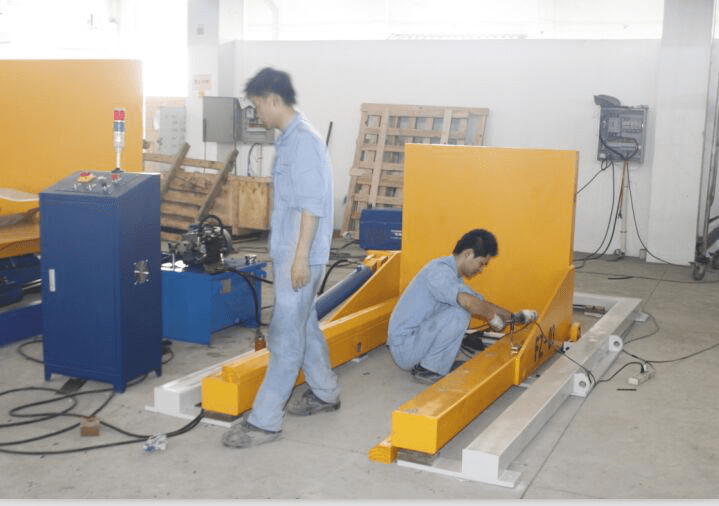
Throughout my career, from a factory employee to building FHOPEPACK, I have learned that the right equipment is the backbone of any efficient operation. Let’s delve deeper into how these powerful machines can transform your factory floor and address some of the biggest challenges facing managers today.
1. How Do Hydraulic Upenders Boost Safety in Material Handling?
Are your workers regularly lifting, twisting, or manually flipping heavy boards and panels? This seemingly common practice is a silent hazard, leading to back injuries, crushed limbs, and high turnover rates among staff. The human body is simply not designed for the repetitive stress of moving tons of material. This not only puts your employees at risk but also burdens your business with rising medical costs, worker’s compensation claims, and productivity losses. So, how can you protect your team and your bottom line?
Hydraulic upenders boost safety in material handling by removing the need for direct manual lifting or turning of heavy, cumbersome loads, thereby eliminating common workplace injuries associated with strains, crushing, and dropping, and creating a much safer working environment.
When I speak with factory managers, especially those overseeing heavy industries, safety is always a top priority. Michael Chen, a factory manager in Mexico, shared his concerns about high injury rates and the inefficiency of manual processes in his metal processing plant. He mentioned that manually moving or flipping heavy materials like steel sheets or even large wooden panels is not only slow but fraught with danger. This is where hydraulic upenders become indispensable. They are designed to perform these arduous tasks with precision and power, minimizing human interaction with the load. For example, a heavy board, perhaps coming off a conveyor system, can be gently tilted from a horizontal to a vertical position (or vice versa) with the push of a button. This completely removes the risk of workers straining their backs or dropping a heavy panel on their feet. In my experience, preventing even one serious injury can save a company far more than the initial investment in such equipment. The reduction in physical strain also contributes to a happier, healthier workforce, decreasing absenteeism and improving overall morale. Think about the long-term benefits: fewer medical claims, lower insurance premiums, and a more stable, experienced team. Michael’s goal of improving safety through automated solutions is exactly what a hydraulic upender delivers. It’s an investment in both your people and your business sustainability. (Workplace safety equipment, ergonomic material handling)
2. Can Hydraulic Upenders Really Improve Production Efficiency?
Is your production line experiencing frustrating bottlenecks at the material handling stages? Manual manipulation of large boards, panels, or sheets can be incredibly time-consuming, often requiring multiple workers and precise coordination. This slowdown impacts your overall throughput, delays deliveries, and ultimately affects your profitability. Many factories find their advanced production machinery waiting idle simply because the material isn’t presented in the correct orientation fast enough. How can you overcome these efficiency hurdles?
Yes, hydraulic upenders significantly improve production efficiency by automating the quick and precise reorientation of materials, eliminating manual labor bottlenecks, reducing processing times, and ensuring a continuous, smooth flow of products through the production line.
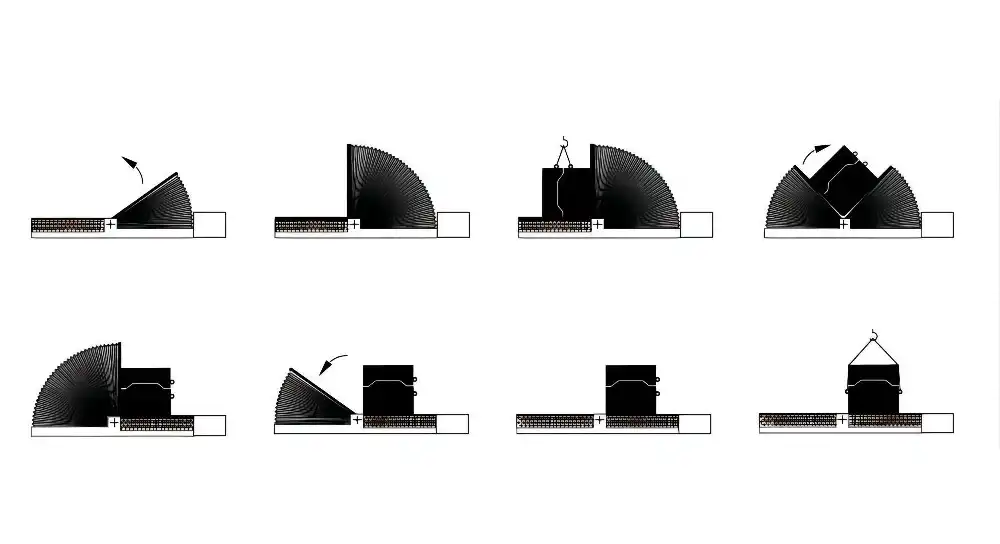
The core of successful manufacturing, as I learned building my own factory, is continuous flow. Any interruption or slowdown creates a ripple effect of inefficiency. Manual methods for orienting materials like plywood sheets, metal panels, or plastic boards are notorious for causing these bottlenecks. Workers might spend valuable minutes struggling to flip a large sheet, interrupting the pace of subsequent processes like cutting, drilling, or packing. A hydraulic upender, however, can complete this task in a matter of seconds. Imagine a machine that can receive a horizontally oriented panel, smoothly lift and tilt it 90 degrees, and then present it vertically to the next workstation or packaging line. This seamless transition is critical for maintaining high-volume production. This automation frees up workers to focus on more complex, value-adding tasks, rather than repetitive heavy lifting. For managers like Michael Chen, who is constantly under pressure to boost output and control costs, an upender offers a clear path to achieving these goals. By integrating these machines, factories can achieve a higher level of automation, reducing labor reliance and speeding up overall delivery times, which directly translates to improved customer satisfaction and a competitive edge.
Key Benefits for Production Efficiency:
- ⏱️ Faster Cycle Times: Automated flipping drastically reduces the time spent on material reorientation.
- ⚙️ Reduced Labor: One operator can manage the upender, freeing others for different tasks.
- 🔄 Consistent Flow: Ensures materials are always in the correct orientation for subsequent machines.
- 📈 Increased Throughput: Eliminates bottlenecks, allowing for higher production volumes.
| Manual Method | Hydraulic Upender Method |
|---|---|
| Slow and inconsistent | Fast and predictable |
| Requires multiple workers | Operated by one person |
| High risk of delays | Smooth, continuous operation |
| Prone to human error | Precise, repeatable movements |
(Production line optimization, material flow automation)
3. What Role Do Upenders Play in Preventing Costly Product Damage?
Have you ever had to deal with customer complaints or absorb losses due to damaged products, especially during internal handling or packaging? The edges of sensitive panels, the surfaces of finished boards, or the corners of heavy sheets are all vulnerable to nicks, dents, or scratches when manipulated manually or with inadequate equipment. This product damage not only impacts your bottom line but also erodes customer trust and your brand’s reputation. How can you ensure your products leave the factory floor in pristine condition?
Upenders play a crucial role in preventing costly product damage by providing a controlled, gentle, and precise method for reorienting materials, minimizing impact, friction, and human error that often lead to surface scratches, bent corners, or structural integrity issues during handling.
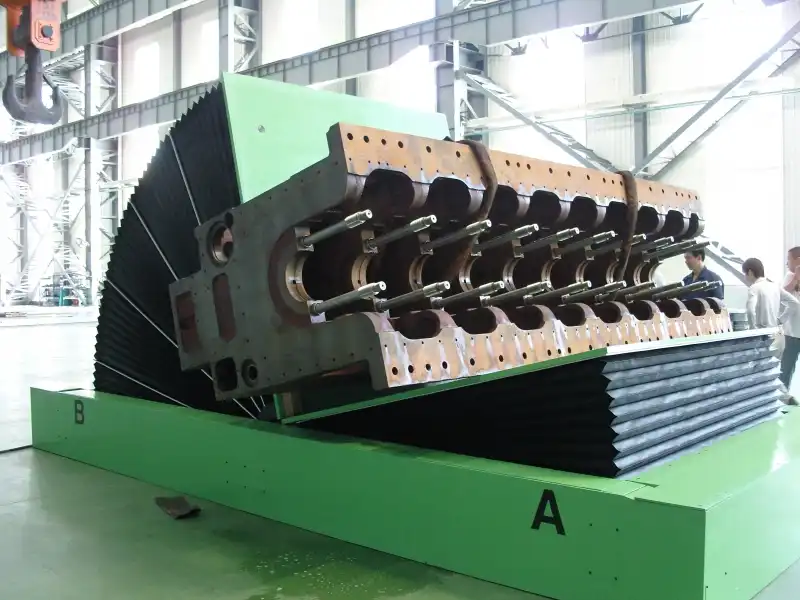
One of the less obvious but equally impactful benefits of hydraulic upenders is their role in product preservation. When I started FHOPEPACK, I knew that delivering quality was paramount. I’ve witnessed countless times how careful manufacturing can be undone by poor handling practices. Manual methods, especially with heavy or awkwardly sized materials like large sheets of glass, delicate wood panels, or finished metal products, inherently carry a high risk of damage. Workers might accidentally drop a corner, scrape a surface against the floor, or collide with other objects, leading to expensive rework or outright product rejection. Michael Chen’s challenge of product loss during internal transfer and packing resonates deeply with this issue. Upenders are engineered with smooth, controlled hydraulic movements that eliminate sudden jolts or impacts. They often feature specialized cradles or platforms designed to support the entire surface of the material, distributing weight evenly and preventing pressure points that could cause warping or bending. This precision means that a valuable finished board or panel is handled with the care it deserves, ensuring it maintains its integrity and aesthetic quality from the production line to the shipping dock. Investing in an upender is not just about efficiency; it’s about protecting your investment in the product itself and ensuring customer satisfaction.
Common Damage Points Reduced by Upenders:
- Edge Damage: Manual lifting often results in chipped or bent edges. Upenders support the full length.
- Surface Scratches: Dragging or sliding materials causes surface abrasions. Upenders lift and rotate.
- Corner Dents: Accidental drops or impacts on corners are common. Upenders provide stable handling.
- Structural Warping: Uneven lifting can stress and warp materials. Upenders ensure even support.
4. Why Are Hydraulic Upenders a Versatile Investment for Different Industries?
Are you wondering if a specialized piece of equipment like a hydraulic upender makes sense for your specific industry, or if it’s too niche? Many managers seek solutions that offer long-term value and can adapt to changing production needs. The fear of investing in equipment that might quickly become obsolete or only serve a single, narrow purpose is very real. What if there was a material handling solution that provided significant returns across diverse manufacturing environments, proving itself as a truly versatile asset?
Hydraulic upenders are a versatile investment because their core function—safely and efficiently reorienting heavy, flat, or cylindrical materials—is applicable across a wide range of industries, including woodworking, metal fabrication, plastics, paper, and logistics, offering adaptable solutions for varying material types and production challenges.
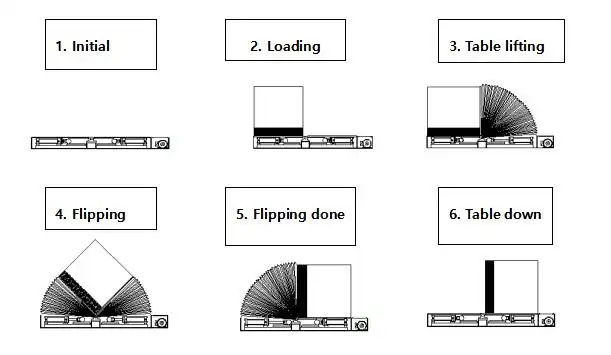
My experience in the packing machine industry, from coil packing to steel wire packing, taught me that fundamental handling challenges are often universal, regardless of the specific material. While the title focuses on boards, panels, and sheets, the underlying principles of a hydraulic upender apply to many different forms. Think about a paper mill needing to flip large rolls of paper, a steel mill handling heavy coils, or a furniture manufacturer needing to orient large wood panels. The robust design and hydraulic power of these machines make them suitable for a vast array of heavy materials. This versatility means that a single investment can address multiple handling needs within a factory or even be adapted for different products over time. Michael Chen’s goal of finding an ROI-driven solution is perfectly met here. The ability of upenders to handle materials from 90 degrees (horizontal to vertical) to 180 degrees (flipping a panel over) with varying weight capacities makes them highly adaptable. This broad applicability ensures that the equipment remains a valuable asset, capable of evolving with your production demands. It’s not just a machine; it’s a flexible tool that enhances your entire operational capability, making it a smart, long-term investment for nearly any heavy manufacturing or processing plant.
Industries Benefiting from Upenders:
- Woodworking: Flipping large timber panels, doors, or furniture components.
- Metal Fabrication: Orienting steel sheets, plates, or even smaller metal parts for assembly.
- Paper & Print: Handling heavy paper rolls, large stacks of cardboard, or corrugated sheets.
- Plastics: Positioning plastic sheets, molds, or large plastic components.
- Logistics & Warehousing: Turning pallets or large crates for easier storage or loading.
This broad applicability makes them a cornerstone for efficient material flow in many sectors. (Multi-industry material handling, adaptable factory equipment)
5. Why Should You Trust FHOPEPACK for Your Upender Solutions?
Are you tired of working with suppliers who only care about making a sale and then disappear when you need support? Michael Chen highlighted a crucial challenge: a lack of trust in equipment suppliers who offer poor after-sales service. In an industry where reliability and long-term partnership are key, simply buying a machine isn’t enough. You need a partner who understands your unique challenges, can provide expert insights, and stands by their products. So, how do you find a supplier you can truly rely on?
You should trust FHOPEPACK for your upender solutions because we combine deep industry expertise, born from years of hands-on factory experience, with a commitment to sharing knowledge and providing robust, reliable equipment, ensuring you receive not just a machine, but a true partnership and proven solutions.
My journey from a packing machine factory employee to the founder of FHOPEPACK has given me a unique perspective. I’ve been in your shoes, managing production lines and seeking reliable equipment that truly solves problems. FHOPEPACK isn’t just a supplier; we are a knowledge-sharing platform rooted in real-world experience. We understand the specific pressures Michael Chen faces—the need for increased output, cost control, and uncompromising safety. When you choose FHOPEPACK, you’re not just getting a hydraulic upender; you’re gaining access to an expert team that genuinely understands your operational challenges. We design and build robust machines that are engineered to withstand the rigorous demands of a heavy manufacturing environment, much like Michael’s metal processing plant in Mexico. Our focus is on providing solutions that offer a clear return on investment, backed by professional guidance and attentive after-sales support. We listen to your specific bottlenecks and goals, then recommend the most suitable upender system, ensuring it integrates seamlessly into your existing operations. We believe in fostering long-term relationships built on trust and mutual success, helping our clients grow their businesses, just as the packing machine industry helped me achieve financial independence. We are committed to being that reliable partner, making mold knowledge and practical solutions accessible to all.
Why FHOPEPACK Stands Apart:
- 🧑🔧 Expertise: Founded by a seasoned packing machine engineer with real factory experience.
- 🤝 Partnership: We seek to understand your challenges and provide tailored solutions.
- 🛠️ Reliability: Our equipment is built tough for demanding industrial environments.
- 📚 Knowledge Sharing: Dedicated to making complex equipment insights accessible.
- 🌍 Global Reach: Supporting clients in various regions, including those facing challenges like Michael in Mexico.
When considering your next investment in material handling, look for a partner like FHOPEPACK, someone who has walked the talk and truly understands the needs of your factory. (Expert packing machine solutions, reliable industrial machinery)
Conclusion
Hydraulic upenders are indispensable, enhancing safety, boosting efficiency, preventing damage, and offering versatile solutions for diverse industries, making them a crucial investment for any modern factory. FHOPEPACK stands as your trusted partner, offering expert col wrapping machine solutions.








