
How Do Hydraulic Upenders Compare to Mechanical or Electric Flippers?
Imagine this: your factory floor hums with activity, but there’s a bottleneck. Heavy steel coils or massive molds need flipping, and your current method is slow, risky, and relies on too much manual effort. You know downtime costs a fortune, and worker safety is always a top concern. This isn’t just about moving things; it’s about production efficiency, worker well-being, and ultimately, your bottom line. (industrial production challenges)
Hydraulic upenders use fluid pressure to lift and rotate heavy loads with precision and power, offering superior control and capacity compared to mechanical or electric flippers which typically rely on gears, chains, or motor-driven mechanisms for rotational movement, making hydraulics often the preferred choice for demanding industrial environments and heavy-duty applications like metal processing and coil handling due to their robust design and smooth operation.
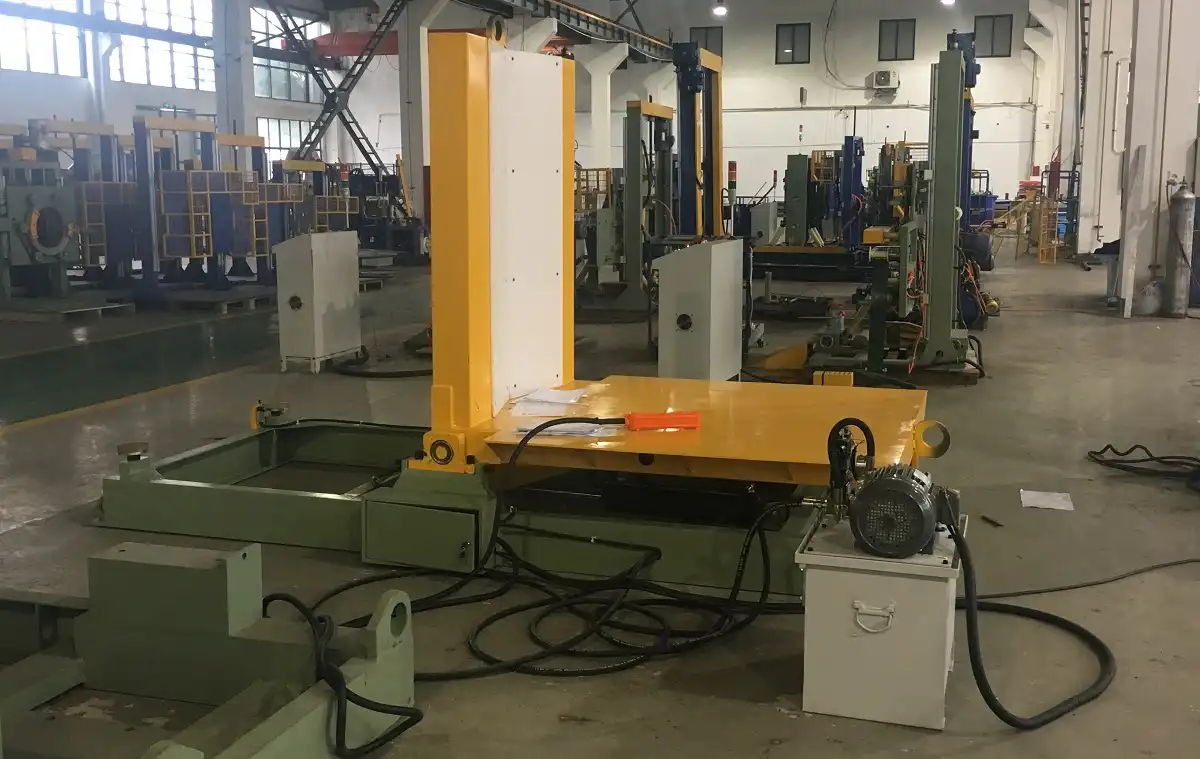
Understanding these core differences is critical when you are looking to upgrade your material handling equipment. Choosing the right flipper type can drastically improve your factory’s safety, efficiency, and overall productivity. Let’s dive deeper into how hydraulic upenders stand up against their mechanical and electric counterparts. (heavy material handling equipment comparison)
1. What are the Fundamental Differences in Operation and Power?
Are you struggling with inconsistent performance from your existing material handling equipment? Do you find that some flippers lack the strength or precision needed for your heaviest loads? The core difference lies in how these machines generate and apply power, which directly impacts their capabilities on your factory floor. (material handling power mechanisms)
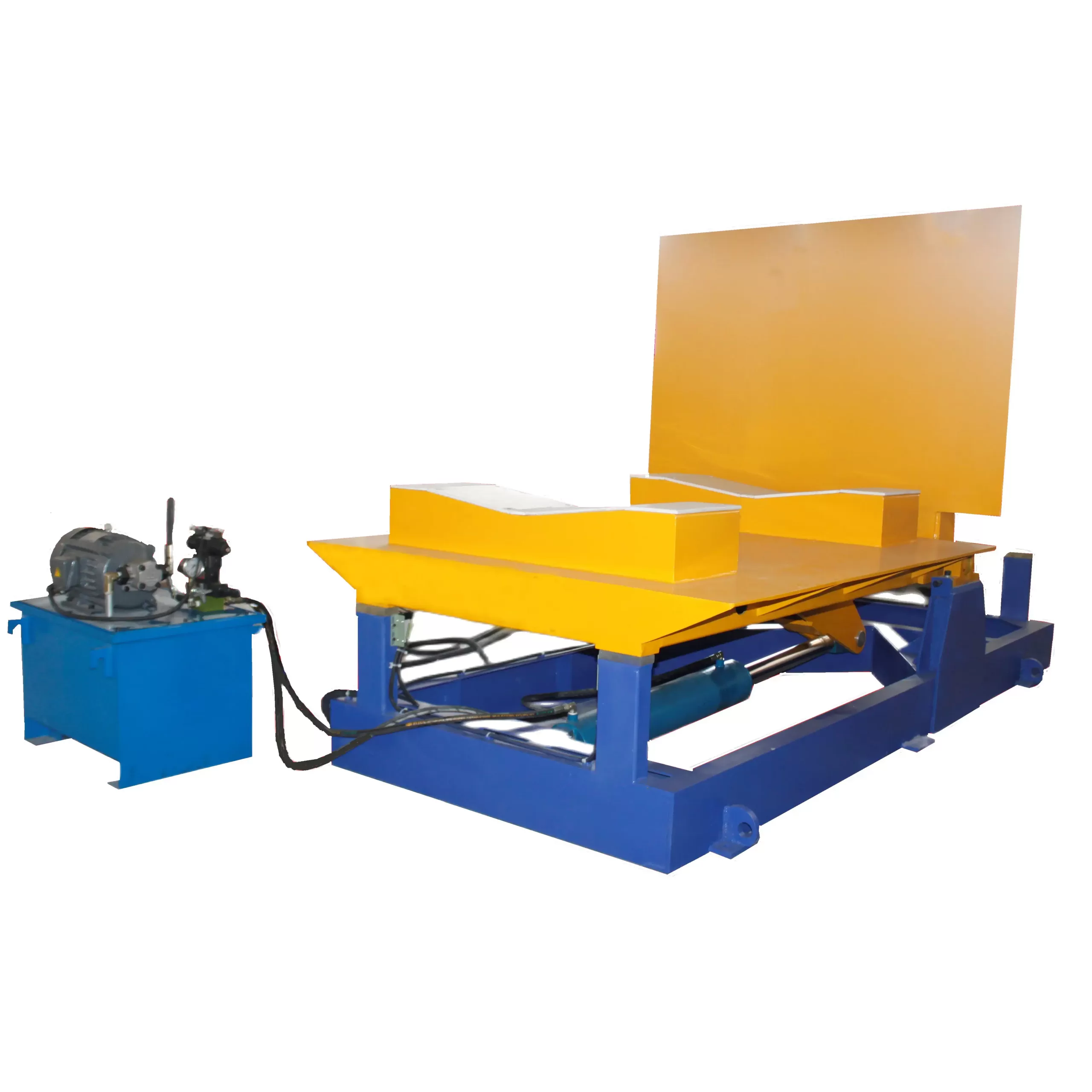
Hydraulic upenders operate using an incompressible fluid, typically oil, to transmit force, allowing for smooth, powerful, and controlled lifting and rotation of very heavy items, whereas mechanical flippers rely on gearboxes, chains, and counterweights for their movement, and electric flippers use electric motors to drive similar mechanical systems, often leading to less smooth operation and power limitations for extremely heavy or sensitive loads.
Dive deeper into these systems, and you see distinct advantages and limitations for each. I have spent years as a packing machine engineer, building and operating factories. I know that choosing the right power source is not just a technical decision; it’s an operational one that impacts every aspect of your production.
Understanding the Power Behind the Flip
- Hydraulic Systems: These systems are renowned for their strength and fine control. A hydraulic pump pushes fluid through cylinders, creating immense force. This allows for precise speed control and smooth acceleration/deceleration, which is crucial when handling delicate yet heavy products like steel coils to prevent damage to edges or surfaces. Hydraulic systems can hold loads firmly in any position, even without continuous power, thanks to check valves that prevent fluid backflow. This inherent stability makes them ideal for tasks requiring sustained force and precise positioning. They can manage variable loads with consistent power output, making them versatile for different product sizes and weights. (hydraulic power advantages)
- Mechanical Systems: Traditional mechanical flippers often use gears, chains, and sometimes counterweights to achieve rotation. These are typically simpler in design and can be quite robust for specific tasks. However, their operation can be less smooth than hydraulics. They often have fixed speeds or limited speed adjustments, making them less suitable for precise positioning. Maintenance on mechanical components like chains and gears can be frequent in high-stress environments, and wear and tear are common issues. They are generally less powerful than hydraulic systems for a given footprint and struggle with very heavy, off-center loads. (mechanical flipper limitations)
- Electric Systems: Electric flippers use electric motors to drive mechanical components. They offer more control than purely mechanical systems, especially with variable frequency drives (VFDs) for speed adjustment. They are cleaner to operate, as they do not use hydraulic fluids. However, their power output is limited by motor size and electrical supply. For extremely heavy loads, the motor required can be very large, consuming significant energy and potentially generating a lot of heat. Like mechanical systems, they might not offer the same smooth, controlled deceleration under heavy loads that hydraulics provide, potentially causing jolts or stress on the product. (electric flipper characteristics)
For high-intensity environments like Michael Chen’s metal processing plant in Mexico, where heavy coils and molds are common, the controlled power and robust nature of hydraulic systems often shine. You want a machine that can handle 20-ton coils without a stutter, day in and day out. This is where FHOPEPACK’s expertise comes into play, designing machines that meet these exacting demands. Our focus on hydraulic technology ensures that your operations remain smooth, powerful, and efficient, preventing the common pitfalls of less robust systems. (heavy industrial material handling)
2. Which Type Offers Superior Safety and Reliability for Heavy Loads?
Are you constantly worried about workplace injuries related to manual handling of heavy items? Do unexpected machine breakdowns disrupt your production schedule and cost you precious time and money? Safety and reliability are not just buzzwords; they are critical factors that directly impact your factory’s operational success and employee well-being. (industrial safety equipment)
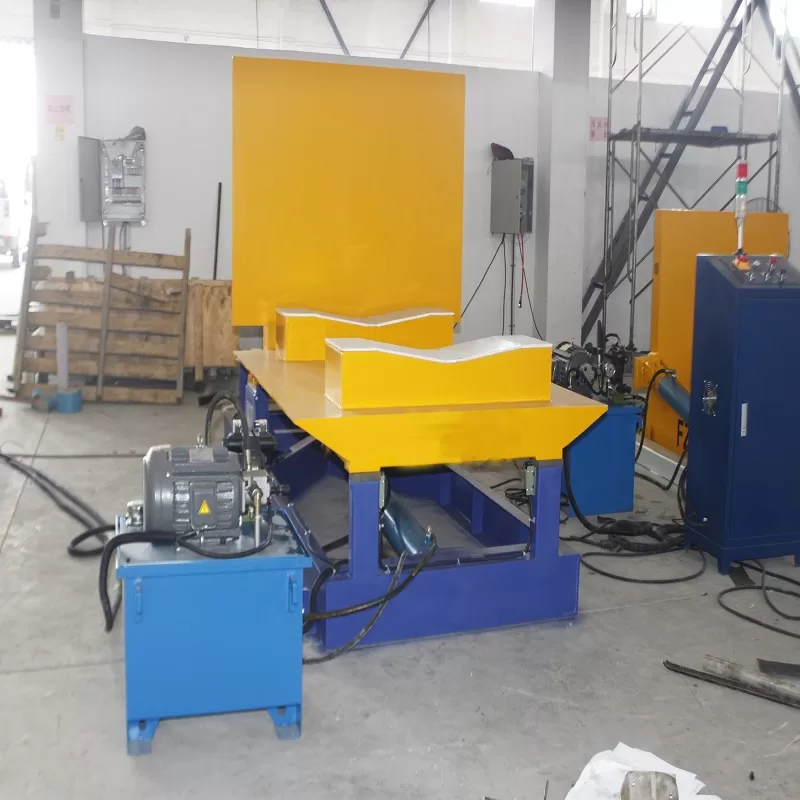
Hydraulic upenders generally offer superior safety features and reliability for heavy loads due to their robust construction, inherent overload protection, and smooth, controlled movements that minimize sudden jerks and reduce the risk of accidents and product damage, a significant advantage over mechanical or electric flippers which can sometimes lack the same level of precise control and often have more exposed moving parts, increasing potential hazards in high-stress industrial environments.
When it comes to handling massive steel coils or molds, the machine’s ability to operate safely and reliably is paramount. I have seen firsthand the consequences of unreliable equipment, from damaged products to serious worker injuries. Michael Chen, a factory manager, knows this pain all too well. His challenge is to reduce safety hazards and keep production running without costly interruptions.
A Deep Dive into Safety and Uptime
Here’s a look at how different flippers stack up in terms of safety and reliability:
| Feature/Aspect | Hydraulic Upenders 💧 | Mechanical Flippers ⚙️ | Electric Flippers ⚡ |
|---|---|---|---|
| Safety | ✅ Smooth, controlled movement; inherent overload protection. | ⚠️ Can have sudden movements; potential for mechanical failure. | ⚠️ Motor overload risks; less precise control than hydraulics. |
| Overload | ✅ Pressure relief valves prevent damage. | ❌ Can strain motors/gears, leading to breakdown. | ❌ Can burn out motors; circuit breakers trip. |
| Control | ✅ Precise speed and position control; emergency stops. | ⛔ Often limited control; harder to stop precisely. | ✅ Better than mechanical, but less smooth than hydraulic. |
| Noise Level | 🤫 Generally quieter operation. | 🔊 Can be noisy due to gears, chains. | 👂 Moderate, motor hum. |
| Maintenance Risk | Low, mainly fluid checks and seal replacements. | Higher due to wear on gears, chains, bearings. | Medium, motor maintenance, electrical component checks. |
| Environmental | Hydraulic fluid leaks are a concern, but contained. | Less fluid related, but potential for component wear debris. | Clean, but electrical waste. |
- Hydraulic Upenders for Safety: The core safety advantage of hydraulic systems is their predictable and controllable power. They perform movements smoothly, reducing the risk of sudden jolts that could dislodge a load or injure workers. Overload protection is built-in; if a load exceeds capacity, pressure relief valves prevent damage to the system rather than forcing it to fail catastrophically. This safeguards both the machine and nearby personnel. Emergency stop features work instantly, locking the load securely in place. The enclosed nature of hydraulic components means fewer exposed moving parts, reducing pinch points and entanglement risks. This makes them inherently safer for heavy industrial use where precision and brute strength are needed. (hydraulic equipment safety)
- Reliability of Hydraulics: My experience at FHOPEPACK has taught me that reliability is built into the design. Hydraulic systems, especially those engineered for heavy industrial use, are designed with robust components that withstand continuous operation. They are less prone to wear and tear from sudden impacts or high-torque demands because the fluid acts as a buffer. While hydraulic fluid maintenance is required, proper scheduling means long-term, uninterrupted operation. FHOPEPACK machines are built to withstand the rigorous demands of steel processing, offering consistent uptime and minimal breakdowns. (heavy-duty equipment reliability)
- Mechanical and Electric Flipper Risks: These systems can be less forgiving. Mechanical flippers, with their exposed gears and chains, pose greater entanglement and pinch hazards. If overloaded, mechanical parts can bend, break, or seize, leading to sudden failures. Electric flippers, while often cleaner, can experience motor burnout if constantly pushed beyond their limits. Their movements can be less smooth, especially at the start and stop, leading to jarring motions that increase the risk of product damage or load instability. For critical tasks involving expensive and heavy materials, the potential for unexpected failure or lack of fine control presents a significant operational risk. (industrial flipper hazards)
Ensuring worker safety and maintaining high levels of operational reliability are non-negotiable for factory managers like Michael. Investing in equipment that fundamentally reduces risks and delivers consistent performance is a smart business decision. This is why I advocate for robust hydraulic solutions like those from FHOPEPACK. (manufacturing uptime solutions)
3. How Do They Impact Production Efficiency and Cost-Effectiveness?
Is your current packaging process a bottleneck, slowing down your entire production line? Are high labor costs and product damage eating into your profits? For a factory manager like Michael Chen, these are not just minor issues; they are critical challenges that directly affect the plant’s overall profitability and competitive edge. (manufacturing efficiency challenges)
Hydraulic upenders significantly boost production efficiency by automating heavy lifting and turning tasks, leading to faster cycle times, reduced labor reliance, and minimized product damage, which collectively contribute to substantial long-term cost savings and a higher return on investment compared to the slower, more labor-intensive, and less precise operations often associated with mechanical or electric flippers, especially when handling large, valuable industrial components.
Efficiency and cost-effectiveness are at the heart of every successful factory operation. My journey from an engineer to a factory owner taught me that every dollar saved and every minute gained translates directly into business growth. Michael’s goal to reduce labor costs and product loss aligns perfectly with the benefits of advanced automation.
Optimizing Operations for ROI
Let’s break down how each type of flipper influences your factory’s efficiency and bottom line:
- Automation Potential:
- Hydraulic Upenders: Excel in automation. Their precise control and power make them easy to integrate into automated production lines. They can interface with PLCs (Programmable Logic Controllers) for seamless operation, requiring minimal human intervention. This means fewer hands on deck for dangerous tasks, allowing staff to focus on more complex, value-added work. This is key to solving bottlenecks. 🤖
- Mechanical/Electric Flippers: While they can be automated, their inherent limitations in speed control and power mean they might not integrate as smoothly or efficiently into high-speed, precision-demanding automated lines. They might still require more oversight or manual adjustments. (automation in material handling)
- Labor Savings:
- Hydraulic Upenders: By automating the flipping process, hydraulic units drastically reduce the need for manual labor, especially for heavy and awkward items. This lowers labor costs, reduces the risk of work-related injuries, and allows for better allocation of human resources. Think of the savings on wages, benefits, and injury compensation. 💰
- Mechanical/Electric Flippers: May still require significant manual oversight or assistance, especially with challenging loads, thus limiting the potential for labor cost reduction. (labor cost reduction)
- Speed and Throughput:
- Hydraulic Upenders: Offer faster and more consistent cycle times. The rapid yet controlled movement means more coils or molds can be processed per hour, directly increasing your factory’s throughput. This translates into faster order fulfillment and improved customer satisfaction. 🚀
- Mechanical/Electric Flippers: Can be slower, especially when dealing with very heavy loads, impacting overall production speed. Inconsistent speed can also lead to delays in subsequent processes. (production throughput improvement)
- Product Damage Reduction:
- Hydraulic Upenders: The smooth acceleration and deceleration prevent jarring movements, significantly reducing the risk of damage to valuable products like steel coil edges or delicate mold surfaces. This directly impacts your scrap rate and customer satisfaction. ✨
- Mechanical/Electric Flippers: Less precise control can lead to more abrupt movements, increasing the likelihood of product damage, which means more rework, scrap, and customer complaints. (product quality preservation)
- Energy Consumption:
- Hydraulic Upenders: While they use energy to build pressure, modern hydraulic systems are designed to be energy-efficient. They consume power only when actively moving a load or maintaining pressure, and systems can be optimized for reduced power draw. Energy regeneration systems can also be integrated. (energy efficient industrial equipment)
- Mechanical/Electric Flippers: Electric motors, especially older or oversized ones, can consume continuous power even when not actively working, leading to higher overall energy bills. Their efficiency can degrade with wear on mechanical components. (industrial energy usage)
For businesses seeking a clear return on investment (ROI) through reduced operational costs and increased output, hydraulic upenders present a compelling case. FHOPEPACK designs these machines with exactly these benefits in mind, ensuring that your investment pays off quickly and contributes to sustainable growth. Michael’s need for equipment with a clear ROI is something we understand deeply. Our solutions are built to deliver on that promise. (ROI in manufacturing equipment)
4. What are the Ideal Applications for Each Type of Flipper?
Are you wondering which type of flipper is truly best suited for your specific industry and operational needs? Investing in the wrong equipment can be a costly mistake, leading to inefficiencies, safety concerns, and underperformance. It is crucial to match the flipper’s capabilities to your unique operational demands. (industrial application suitability)
Hydraulic upenders are ideally suited for heavy-duty industrial applications involving large, heavy, or delicate loads such as steel coils, wire rolls, molds, and machinery components, where precision, power, and high safety standards are paramount, whereas mechanical or electric flippers are more appropriate for lighter loads, less frequent use, or applications where cost is the primary driver and extreme precision or capacity is not a critical requirement.

From my experience in the packing machine industry, I have seen a wide range of factories and their specific challenges. Matching the right tool to the job is essential. For factory managers like Michael Chen, who operates a medium-to-large metal processing plant, the choice of flipper can make or break critical parts of his production line.
Choosing the Right Flipper for Your Needs
Here is a breakdown of the typical applications for each type of flipper:
- Hydraulic Upenders (FHOPEPACK, SHJLPACK):
- Ideal for: Heavy industries like steel mills, metal processing, wire and cable manufacturing, automotive (mold handling), and heavy machinery production.
- Loads: Large steel coils (hot rolled, cold rolled), wire coils, aluminum coils, heavy molds, dies, turbines, engines, and other components weighing tens of tons.
- Environment: High-intensity, continuous operation environments where durability and reliability are non-negotiable. Places with stringent safety regulations.
- Benefits: Unmatched power, precise control, minimal product damage, high safety, excellent for integration into automated lines.
- Example: Michael Chen’s plant, where large steel coils need to be flipped from vertical to horizontal or vice versa for inspection, processing, or packaging. The demand for reliability and safety is paramount here. (heavy-duty industrial applications)
- Mechanical Flippers (CNBHPAC):
- Ideal for: Lighter manufacturing, workshops, or occasional use in general industrial settings.
- Loads: Smaller coils, sheet metal stacks, wooden pallets, or items with lower weight and less critical surface finish.
- Environment: Environments where budget is a primary constraint, and the operational demands are not extremely high.
- Benefits: Simpler design, potentially lower initial cost, often easier to maintain with basic tools.
- Limitations: Less precise, higher risk of product damage with heavy items, less suitable for continuous heavy-duty operation. (light industrial flippers)
- Electric Flippers:
- Ideal for: Mid-range industrial applications, warehouses, or assembly lines where cleanliness and moderate power are needed.
- Loads: Medium-sized rolls of paper, plastic, or fabric, medium-weight pallets, or components that require a cleaner operating environment than hydraulics.
- Environment: Indoor facilities where hydraulic fluid leaks are a concern, or where precise speed control (via VFDs) is beneficial but ultimate power is not required.
- Benefits: Cleaner operation, quieter than some mechanical systems, good for moderate automation.
- Limitations: Power limitations compared to hydraulics for very heavy loads, motor maintenance, and potential for energy spikes. (mid-range material handling)
When you are making a significant investment, like Michael is, it is crucial to consider not just the initial cost but also the long-term operational expenses, safety implications, and how well the equipment integrates into your future growth plans. For the demanding conditions of a metal processing plant, where heavy, valuable materials are moved constantly, the robust and precise power of a hydraulic upender from FHOPEPACK is not just a choice, but a strategic necessity. We build machines that last and perform under pressure, ensuring your operations never miss a beat. (strategic equipment investment)
My Insight
From my journey starting as an employee on a packing machine factory floor to founding FHOPEPACK, I have learned that the best equipment is not just about technology; it’s about understanding real-world operational needs. When Michael Chen expresses his desire for a partner who truly understands his production bottlenecks and safety concerns, it resonates deeply with me. The choice between hydraulic, mechanical, or electric flippers is not trivial. For heavy industrial applications, particularly with large steel coils and molds, hydraulic upenders stand out as the most reliable, safest, and most efficient solution. They are an investment in long-term productivity and worker safety, transforming a costly bottleneck into a smooth, automated process. FHOPEPACK is committed to providing these robust solutions, drawing from our direct experience in the industry to ensure our machines truly solve your problems and drive your business forward.
Conclusion
Choosing hydraulic upenders ensures robust power, superior safety, and unmatched efficiency for heavy industrial demands, directly addressing critical factory challenges and boosting your operational profitability. Explore how FHOPEPACK’s solutions, including our specialized coil wrapping machine, can elevate your production standards.








