Why are Coil Wrapping Machines Essential for Improving Product Packaging in India?
The metal industry in India faces a constant battle. You are pushing for higher output, tighter cost controls, and flawless product quality. But often, the packaging line becomes a bottleneck. Manual processes slow everything down. Workers face high risks handling heavy coils. Products get damaged. This situation can be frustrating. It holds back growth and eats into profits.
Coil wrapping machines are essential for improving product packaging in India because they automate a critical end-of-line process. This automation significantly boosts production efficiency, drastically reduces workplace injuries, and ensures superior product protection. They allow Indian manufacturers to meet global quality standards, cut operational costs, and achieve a swift return on investment.
This article dives deep into these points. I will show you how these machines are not just an expense, but a strategic investment. They can transform your factory operations and secure your competitive edge in India.
1. Do Manual Packing Methods Slow Down India’s Production Lines?
Do you ever feel like your production line is running strong, only to hit a wall at the very end? Manual coil packing, while seemingly cost-effective on the surface, often creates this exact problem. It eats up valuable time. It ties up too many workers. It holds back your entire operation. This directly impacts your ability to meet demanding delivery schedules and seize new market opportunities in India.
Manual packing methods in India’s heavy manufacturing sectors severely slow down production lines due to their inherent labor-intensive nature. They lead to inconsistent speeds, require significant manual effort for each coil, and introduce delays that ripple through the entire production cycle, thus hindering overall efficiency and output targets.
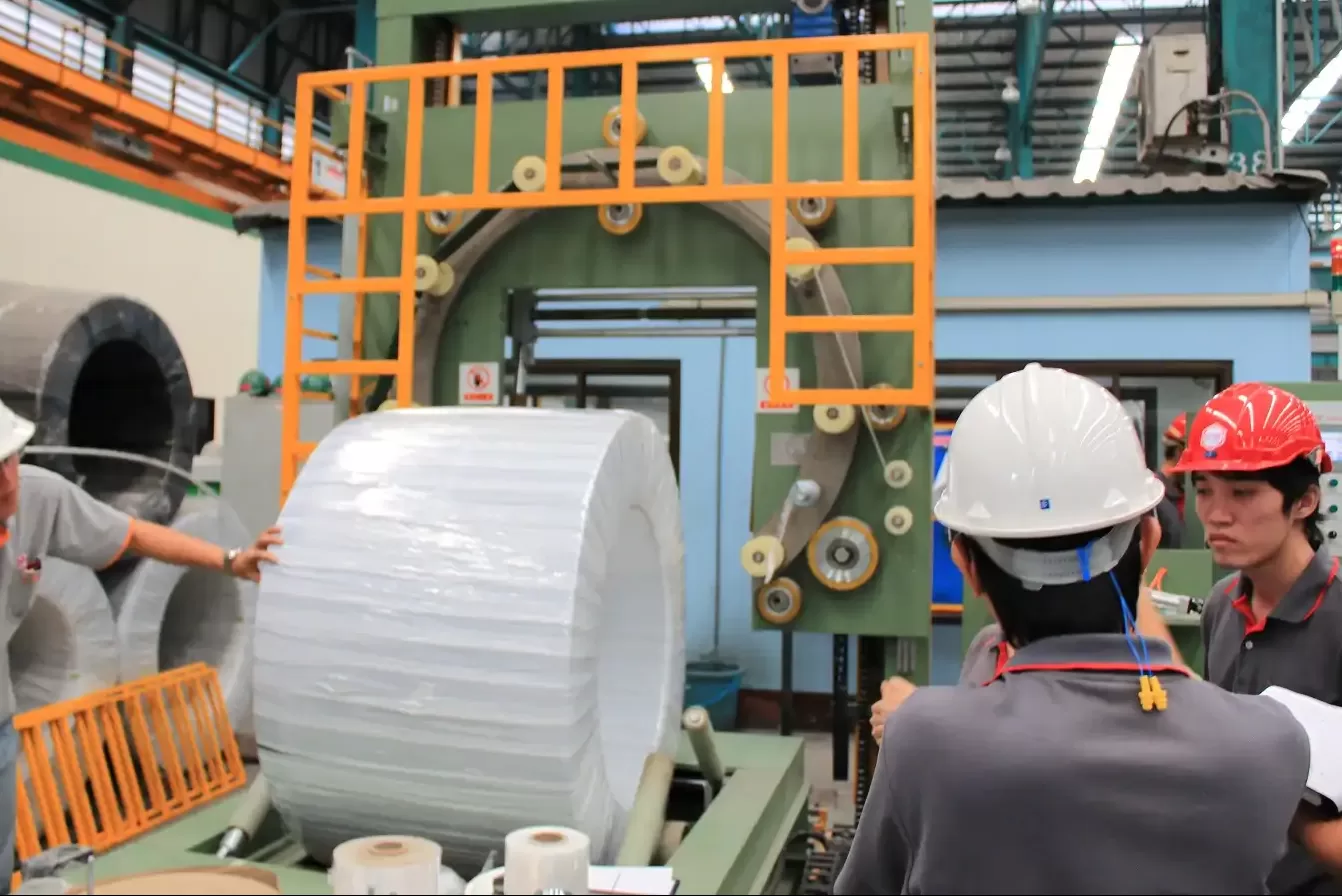
%[manual coil packing challenges india](https://www.fhopepack.com/blog/wp-content/uploads/2023/01/Wire-coil-wrapping-machine-2-1.webp “Coil Packing Challenges in India”)
Manual coil packing might seem like a simple process, but I have seen firsthand how it can become a major headache for factory managers like you. When I started my journey in the packing machine industry, I saw many factories struggle with this. Workers physically maneuver heavy coils. They apply wraps by hand. This is not only slow, but it also means each coil takes a different amount of time. There is no consistent speed. This variability makes it hard to plan your output accurately. It leads to bottlenecks. These bottlenecks stop your finished products from moving out the door fast enough. In India’s competitive market, every minute counts. Delays mean lost business. They also mean unhappy customers. Automated coil wrapping machines offer a consistent, high-speed solution. They remove the human element from the core wrapping task. This frees up your workforce for other, more skilled jobs. It also ensures a steady flow of packaged products. This helps your overall production line run much smoother and much faster.
The Efficiency Gap: Manual vs. Automated Packing in India
| Feature | Manual Coil Packing (Current State) | Automated Coil Wrapping Machine (Future State) |
|---|---|---|
| Speed & Throughput | Very slow, depends on worker stamina. Low coils per hour. | High speed, consistent rate. Significantly more coils per hour. |
| Labor Requirement | High; multiple workers needed per shift for wrapping and handling. | Low; typically one operator to monitor multiple machines. |
| Consistency | Varies widely; wrap tension, overlap, and quality differ per coil. | High; uniform wrap tension, precise overlap, consistent quality every time. |
| Operational Costs | High labor costs, overtime, potential for rework. | Lower labor costs, reduced material waste, predictable energy consumption. |
| Process Control | Limited control, prone to human error. | Advanced control systems, programmable parameters, fault detection. |
| Scalability | Difficult to scale up without adding more labor and space. | Easy to scale; add more machines or integrate into automated lines for higher output. |
| Space Utilization | Requires more space for manual handling, staging, and movement. | Compact footprint for high output, optimizes factory floor space. |
2. How Do Coil Wrapping Machines Make Factories Safer for Workers in India?
Imagine the risks your workers face every single day. Lifting, pushing, and pulling heavy steel coils or wire bundles. The chance of a slip. The potential for a dropped load. These are not just statistics; they are real people. They are your employees. This constant threat of injury creates a stressful work environment. It also leads to high insurance costs and employee turnover. How can you protect your team and improve their working conditions?
Coil wrapping machines make factories safer for workers in India by eliminating the need for manual handling of heavy and awkward coils during the packaging process. This significantly reduces the risk of strains, sprains, crushes, and other severe injuries associated with heavy lifting and repetitive tasks, thereby creating a much safer work environment for employees.
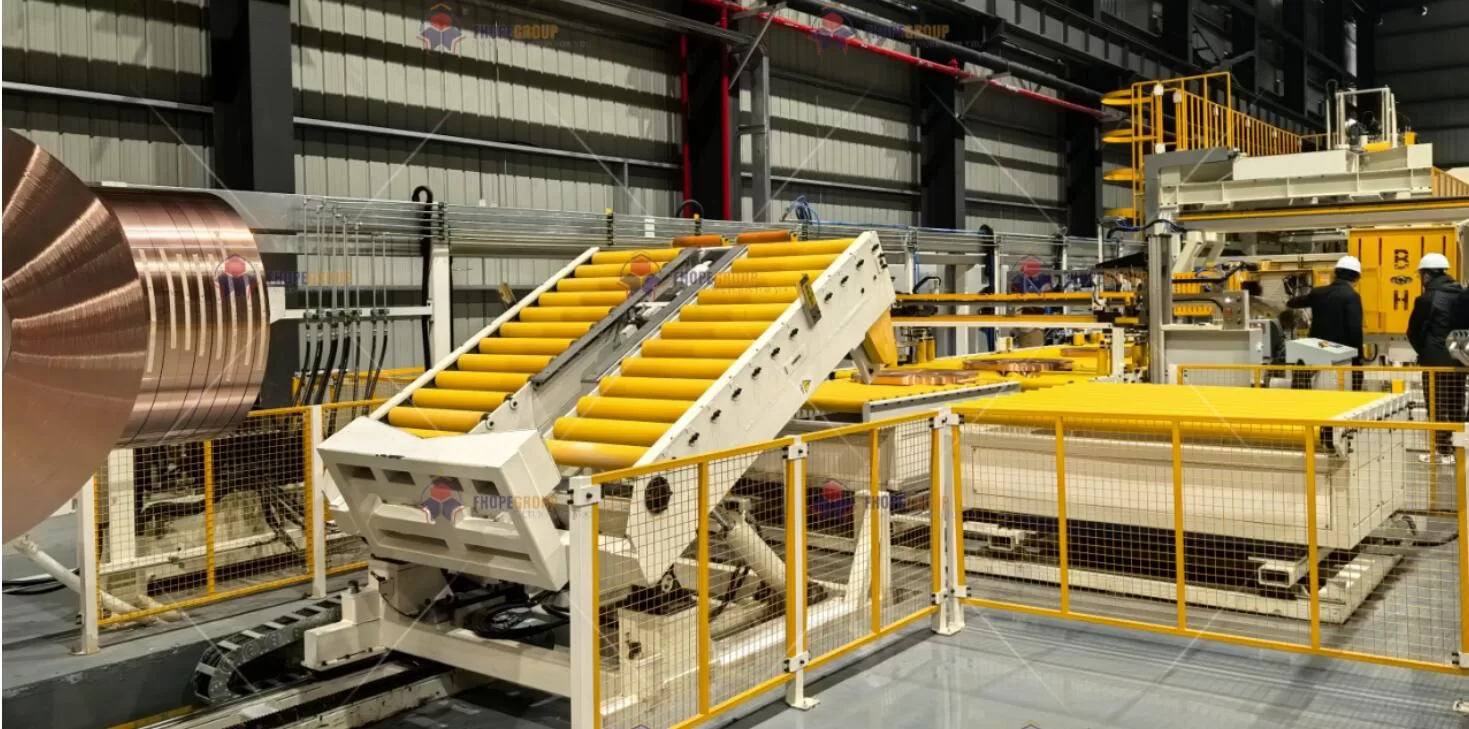
Worker safety has always been a top priority for me. When I established my own packing machine factory, ensuring a safe workplace was non-negotiable. Manual handling of heavy coils is one of the most dangerous jobs in any metal processing plant. Workers are at risk of back injuries, crushed limbs, and even more severe accidents. These incidents are not just tragic for the individuals involved. They also cost your business a lot. You face medical expenses. There are lost workdays. Productivity drops. Employee morale suffers. You also deal with the headache of finding and training replacements. Coil wrapping machines completely change this picture. They handle the heavy lifting. They rotate the coils. They apply the wrapping material. This removes your workers from the direct line of fire. Your employees can then focus on supervising the machines. They can perform quality checks. These tasks are much safer. This shift not only prevents accidents but also shows your commitment to your team’s well-being. This builds a loyal and productive workforce. This is a critical factor for any business aiming for long-term success in India.
Key Safety Improvements with Automated Coil Wrapping
a. Eliminating Manual Handling of Heavy Loads
One of the biggest benefits is that workers no longer need to lift or manually rotate heavy coils. This directly reduces the risk of:
- Musculoskeletal Injuries: Back strains, sprains, and hernias are common in manual lifting. Machines take over this strenuous task.
- Crushing Injuries: Heavy coils can easily cause severe crush injuries if mishandled. Automation prevents human contact with moving heavy loads.
- Repetitive Strain Injuries (RSIs): Manual wrapping involves repetitive motions. Machines perform these tasks consistently without fatigue.
b. Reducing Exposure to Pinch Points and Moving Parts
Automated machines are designed with safety features. They have:
- Guardings and Interlocks: These prevent access to moving parts during operation. They stop the machine if a safety barrier is breached.
- Emergency Stop Buttons: Easily accessible E-stops allow workers to halt the machine immediately in case of an emergency.
- Controlled Environments: The machine operates in a designated area. This keeps workers a safe distance from the active wrapping process.
c. Improving Overall Workplace Ergonomics
Coil wrapping machines lead to a better working environment. They:
- Minimize Awkward Postures: Workers no longer need to bend, twist, or stretch into uncomfortable positions to wrap coils.
- Reduce Physical Fatigue: Automation means less physical exertion for employees. This reduces fatigue. It also lowers the chance of errors due to tiredness.
- Standardize Safe Workflows: The machine operation follows a set, safe procedure. This removes the variability and risks of individual manual techniques.
d. Enhancing Training and Supervision
With automation, training shifts from teaching physically demanding tasks to understanding machine operation and safety protocols.
- Clear Operating Procedures: Machine use comes with defined steps. This makes training simpler and more effective.
- Focus on Monitoring: Workers become supervisors of the process. They watch for issues and ensure smooth operation. This is a much safer role.
- Compliance with Safety Standards: Automated equipment often meets international safety standards. This helps Indian factories comply with regulations.
3. Can Automated Coil Packaging Truly Eliminate Product Damage and Boost Customer Satisfaction in India?
Have you ever had a perfectly good coil leave your production line, only to arrive at the customer’s site with damaged edges or a scuffed surface? This kind of product damage during transit or even internal handling is more than just a nuisance. It leads to customer complaints. It results in costly reworks. It erodes your profit margins. Worst of all, it damages your reputation in a competitive market like India.
Automated coil packaging can truly eliminate product damage and boost customer satisfaction in India by providing consistent, secure, and protective wrapping for every coil. These machines apply uniform tension and multiple layers of protective material. This safeguards coils from impacts, abrasion, and environmental factors during storage and transit. This ensures products arrive in pristine condition.
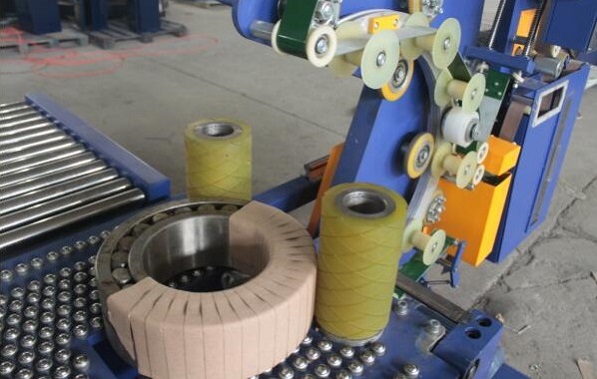
Product quality extends beyond just the manufacturing process. It includes how the product is protected and delivered. I have seen many good products ruined by poor packaging. When coils are handled manually, or wrapped with inconsistent tension, they are vulnerable. The edges can get bent. Surfaces can get scratched. Moisture can seep in. These issues cause rejections. They lead to financial losses. More importantly, they hurt customer trust. Automated coil wrapping machines provide a solution that manual methods simply cannot match. They use advanced controls to apply wrapping material with precise, even tension. They can apply multiple layers. They can use specialized materials. This creates a robust protective barrier around the coil. This barrier guards against physical impacts. It prevents abrasive damage. It also offers protection from dust and moisture. This consistent, high-quality packaging ensures that your coils arrive at your customer’s location looking exactly as they did when they left your factory. This level of consistency and protection greatly reduces complaints. It builds a strong reputation for reliability. This is vital for retaining customers and attracting new ones in India.
Preventing Product Damage: How Coil Wrappers Protect Your Investment
a. Uniform and Consistent Wrapping
- Precise Tension Control: Automated machines maintain constant tension on the wrapping material. This prevents loose wraps that can unravel or tight wraps that might damage the product. Manual wrapping often varies in tension.
- Consistent Overlap: Each layer of wrapping material overlaps perfectly. This creates a seamless and strong protective barrier. Manual methods can lead to gaps or uneven coverage.
- Full Coverage: The machine ensures all surfaces of the coil are covered. This includes vulnerable edges and sides, which are often prone to damage during handling.
b. Enhanced Material Application
- Optimal Material Use: Automated systems can apply various protective films. This includes stretch film, paper, or woven materials. They apply these efficiently, reducing material waste.
- Layered Protection: Machines can apply multiple layers of wrapping. This increases the coil’s resistance to punctures, tears, and impacts. This is hard to achieve manually with consistency.
- Moisture and Dust Barrier: A well-sealed wrap forms an effective barrier. It protects the coil from rust, corrosion, and dirt during storage and transit. This is especially important for long-distance shipping or humid environments in India.
c. Reduced Handling and Impact Risks
- Minimized Human Contact: Once a coil is placed on the wrapping machine, human interaction is greatly reduced. This removes the risk of accidental damage from manual lifting, pushing, or dropping.
- Secure Palletizing: After wrapping, coils are often more stable. This makes them safer to move and stack. It also prevents shifting during transport.
- Damage-Free Internal Transfer: The consistent wrap protects the coil during any internal factory transfers before final shipment. This reduces damage before it even leaves the premises.
4. What Is the Return on Investment for Coil Wrapping Machines in India’s Competitive Market?
Investing in new machinery is a big decision for any factory manager. You need to justify the cost. You need to show real financial benefits. In India’s competitive market, every rupee counts. You might wonder if coil wrapping machines are just another expense or a smart financial move. How can you be sure this investment will pay off and truly benefit your company’s bottom line?
The return on investment (ROI) for coil wrapping machines in India’s competitive market is substantial because they significantly reduce operational costs, minimize product loss, and boost productivity. These savings come from lower labor expenses, fewer customer claims due to damage, and faster processing times, leading to increased output and profitability within a short timeframe.

When I built my packing machine factory and later helped many clients, I learned that every equipment purchase must have a clear path to profitability. It is not enough for a machine to just “work.” It must add value. It must save money or make more money. Coil wrapping machines offer a strong financial argument. Think about the costs associated with your current manual packing process. There are high labor costs. Overtime pay adds up. There is the cost of damaged products. You also lose money from customer returns and complaints. These hidden costs can be huge. They quietly erode your profits. An automated coil wrapping machine tackles these costs head-on. It reduces the need for multiple workers on the packing line. This immediately cuts down on labor expenses. It virtually eliminates product damage, saving you money on reworks and claims. It also speeds up your entire packaging process. This allows you to produce and ship more coils in less time. This increased throughput directly translates into higher revenue. When you factor in these savings and increased earning potential, the initial investment in a coil wrapping machine often pays for itself much quicker than you might expect. This makes it a smart, strategic move for any forward-thinking factory in India.
Calculating the ROI: A Financial Perspective
a. Labor Cost Savings
- Reduced Headcount: A single automated machine can replace several workers on the packing line. This reduces wages, benefits, and associated administrative costs.
- Lower Overtime: Faster packing means less need for costly overtime to meet production deadlines.
- Improved Labor Utilization: Freed-up workers can be reassigned to higher-value tasks elsewhere in the factory.
b. Reduced Product Loss and Rework
- Fewer Damaged Goods: Consistent, protective wrapping virtually eliminates damage during internal handling and transit. This means fewer product write-offs.
- Lower Customer Returns: Products arrive in perfect condition, leading to fewer customer complaints, returns, and the associated processing costs.
- Preserved Profit Margins: By preventing damage, you protect the full sales value of each coil.
c. Increased Productivity and Throughput
- Faster Packing Cycles: Machines operate at higher speeds than manual labor. They also do not get tired. This means more coils are packaged per hour.
- Elimination of Bottlenecks: Automation at the packaging end ensures a smooth flow, preventing delays that hold up the entire production process.
- Increased Sales Capacity: A faster packaging line means you can fulfill more orders. This directly boosts potential revenue and market share in India.
d. Lower Insurance and Safety Costs
- Reduced Worker Injuries: Fewer accidents mean lower workers’ compensation claims and reduced insurance premiums.
- Improved Compliance: Meeting safety standards can prevent fines and legal issues.
e. Material Optimization
- Precise Material Use: Machines apply wrapping materials efficiently. This reduces waste compared to manual processes.
- Consistent Roll Changes: Automated systems manage material rolls better. This minimizes downtime for changes.
Example ROI Calculation Factors:
| Factor | Manual Process (Estimated Annual Cost) | Automated Machine (Estimated Annual Cost/Savings) | Net Savings/Benefits |
|---|---|---|---|
| Labor (3 workers x 3 shifts) | ₹ 2,000,000 | ₹ 500,000 (1 supervisor per shift) | ₹ 1,500,000 savings |
| Product Damage (5% of sales) | ₹ 1,000,000 (on ₹ 20M sales) | ₹ 100,000 (0.5% damage) | ₹ 900,000 savings |
| Insurance/Safety Incidents | ₹ 300,000 | ₹ 100,000 | ₹ 200,000 savings |
| Increased Throughput (10%) | – | ₹ 2,000,000 (additional sales) | ₹ 2,000,000 additional revenue |
| Wrapping Material Waste | ₹ 200,000 | ₹ 100,000 | ₹ 100,000 savings |
| Total Annual Impact | ₹ 3,500,000 | ₹ 800,000 + ₹2,000,000 Revenue | ₹ 4,700,000 (savings + revenue) |
(Note: These figures are illustrative and will vary based on specific factory operations and costs in India.)
With an initial investment for a high-quality machine potentially ranging from ₹2,000,000 to ₹5,000,000, the annual impact of ₹4,700,000 means a very quick payback period. This makes it an undeniably smart investment.
5. How Do You Choose a Reliable Coil Wrapping Machine Partner for Your Indian Business?
Finding the right equipment is one thing. Finding the right partner is another entirely. You have dealt with suppliers who only cared about the sale. They disappeared when you needed after-sales service. This experience makes you cautious. You need a partner who understands your production bottlenecks, your safety concerns, and your efficiency challenges. How can you be sure you are choosing a company that will truly support your Indian business long-term?
Choosing a reliable coil wrapping machine partner for your Indian business requires looking beyond the initial price tag. You must seek a company with deep industry expertise, a proven track record of customer support, and a commitment to understanding your specific operational needs. A true partner provides not just equipment, but comprehensive solutions, training, and readily available after-sales service.
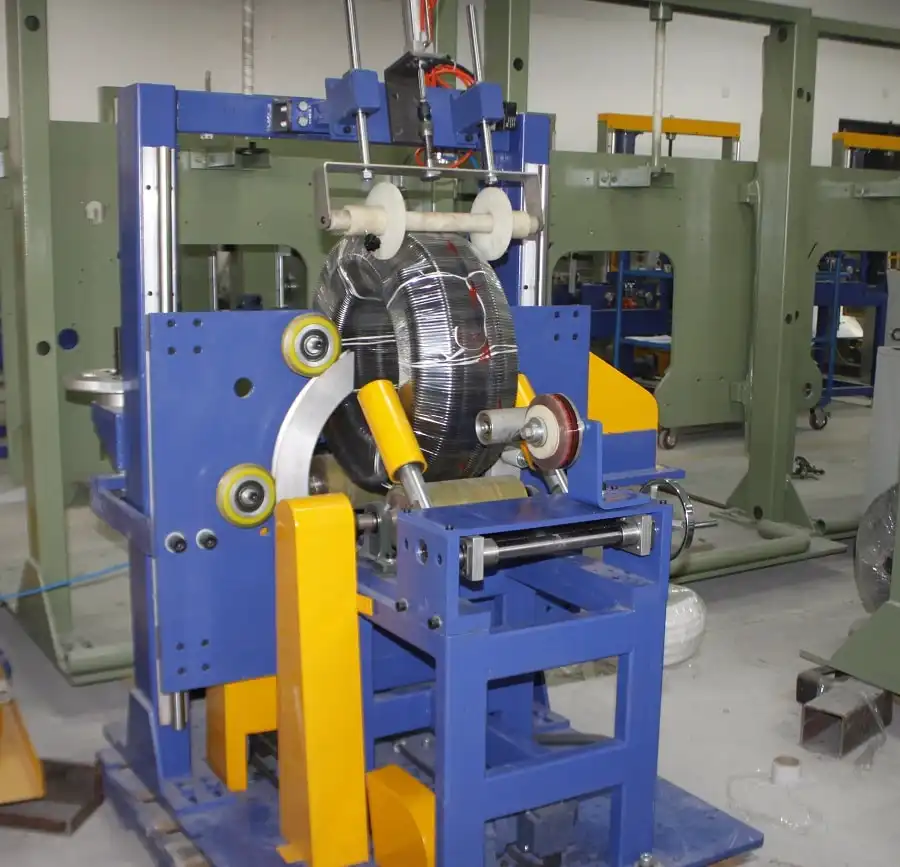
My journey in the packing machine industry taught me a crucial lesson: the machine itself is only part of the solution. The support and expertise behind it are just as important. When I started FHOPEPACK, I wanted to build a platform that shared knowledge and truly helped businesses succeed. Many suppliers are great at selling. But when problems arise, or you need technical advice, they become hard to reach. This creates a “supplier trust crisis.” This is especially true in a market like India where quick support can make or break an operation. A good partner will take the time to understand your factory’s unique challenges. They will ask about your specific coil types, your throughput requirements, and your budget. They will offer tailored solutions, not just off-the-shelf products. They will provide excellent after-sales service, including installation, training, and quick access to spare parts. This ensures your machines run smoothly for years. This kind of partnership minimizes downtime. It maximizes your investment. It gives you peace of mind. As someone who built a successful factory from the ground up, I know the value of a trusted expert. This is why I am dedicated to sharing my insights. I want to help you make informed decisions for your Indian business.
Key Criteria for Selecting Your Coil Wrapping Machine Partner
1. Industry Expertise and Experience
- Deep Domain Knowledge: Look for a partner who truly understands the nuances of coil packing. They should know about different materials, coil sizes, and specific industry challenges in India.
- Proven Track Record: Review their case studies and customer testimonials. Do they have successful installations in similar factory environments?
- Innovation and R&D: A forward-thinking company invests in research and development. This means their machines incorporate the latest technology and improvements.
2. Comprehensive Solution Provider
- Customization Capabilities: Can they tailor the machine to your specific needs? Not all coils are the same, and neither are all factory layouts.
- Integration Support: Can the machine integrate with your existing production lines? A good partner helps with seamless integration.
- Beyond the Machine: Do they offer advice on optimizing your entire packing process? A true expert provides guidance, not just hardware.
3. Robust After-Sales Service and Support
- Technical Support: Is there a reliable and responsive technical support team? Downtime is costly, so quick problem resolution is essential.
- Spare Parts Availability: Do they have a readily available inventory of spare parts? Delays in getting parts can cripple production.
- Training Programs: Do they provide comprehensive training for your operators and maintenance staff? Well-trained staff maximize machine efficiency and lifespan.
- Local Presence/Support in India: For businesses in India, having a local service network or easily accessible support is a huge advantage. This ensures faster response times.
4. Transparency and Trustworthiness
- Clear Communication: A trustworthy partner communicates openly about costs, timelines, and machine capabilities.
- Fair Warranty Policy: Understand their warranty terms. A strong warranty indicates confidence in their product.
- Long-Term Relationship Focus: Do they seem interested in a long-term partnership or just a one-time sale? A partner committed to your success is invaluable.
| Selection Criterion | What to Look For | Why It Matters for Your Indian Business |
|---|---|---|
| Expertise | Years of experience, specific coil packing knowledge | Ensures tailored solutions, avoids costly mistakes |
| Product Quality | Durable materials, advanced technology, consistent performance | Reduces breakdowns, maximizes uptime, ensures long life |
| Service & Support | Fast response, spare parts, skilled technicians | Minimizes downtime, keeps production running smoothly |
| Customization | Ability to adapt machines to unique requirements | Optimizes fit for specific products and factory layouts |
| Reputation | Positive reviews, referrals, strong industry standing | Builds confidence, assures reliability and trustworthiness |
| Total Cost of Ownership | Beyond purchase price, consider maintenance, energy, lifespan | Ensures long-term financial viability and ROI |
Conclusion
Coil wrapping machines are vital for Indian manufacturers. They enhance efficiency, boost safety, protect products, and deliver strong ROI. Partnering with experts like FHOPEPACK ensures your success.