
How can coil wrapping machines help Indian factories reduce dust contamination?
Are you a factory manager in India, constantly fighting dust and its impact on your operations? Do you worry about product damage, worker safety, and client complaints due to contamination? I know the struggle. I have seen countless factories, just like yours, grappling with these issues. The truth is, dust is more than a nuisance; it costs you money, time, and trust.
Coil wrapping machines help Indian factories reduce dust contamination by creating a tight, protective barrier around products like steel coils and wire. This physical shield stops dust from settling on surfaces during storage and transport. It also minimizes product exposure during the packing process itself, significantly cutting down on contamination risks.
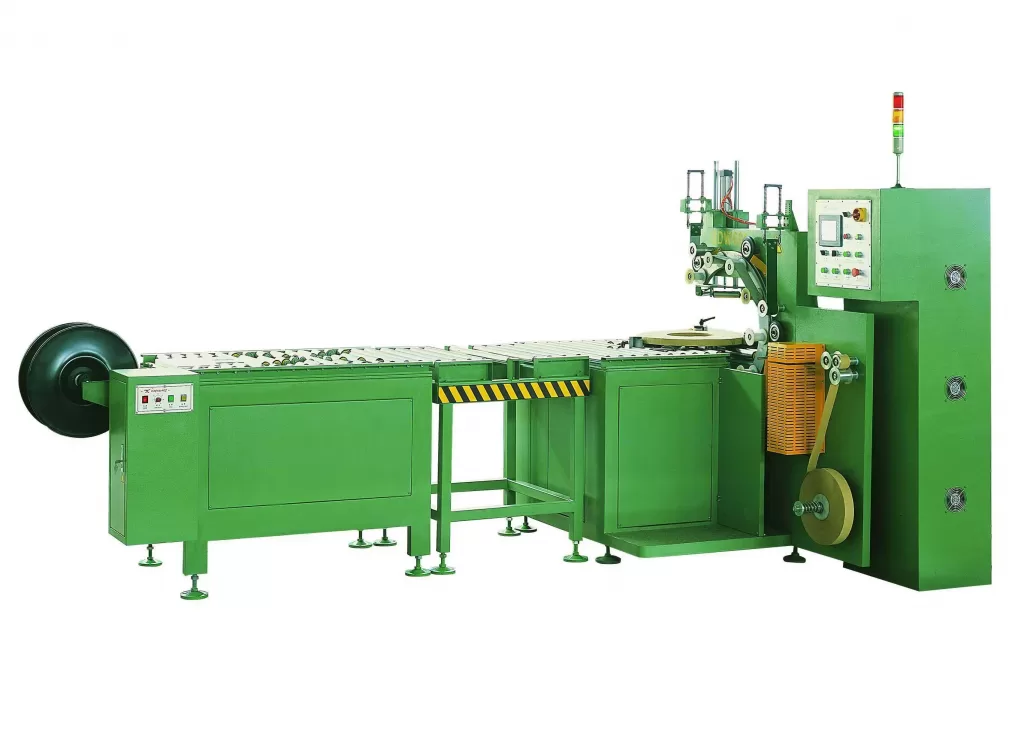
So, how exactly does this simple yet powerful technology work to solve such a complex problem? Let’s dive deeper into the specific ways coil wrapping machines can transform your factory’s fight against dust. I will share insights from my years in the packing machine industry.
1. How do coil wrapping machines create a sealed environment against dust?
Does your finished product often leave the factory looking clean, only to arrive at the customer’s site covered in dust? This can lead to frustration and lost business. The journey from your production line to the final destination is often where contamination happens.
Coil wrapping machines create a sealed environment against dust by applying multiple layers of stretch film tightly around the coil. This film acts as a physical barrier, preventing dust particles, moisture, and other contaminants from reaching the product surface. The wrapping process ensures full coverage and a secure seal.

I have seen many factories struggle with open storage or manual wrapping methods. These methods just do not offer the protection needed in dusty environments. Automated coil wrapping machines change this entirely. They use specialized stretch films designed for strength and elasticity. This film wraps around the coil under tension. It creates a robust, multi-layered shield. This shield keeps dust out effectively. It also protects against other environmental factors like moisture and scratches. Think of it as putting your valuable product in a vacuum-sealed bag. The film clings tightly to the coil’s shape, leaving no gaps for dust to enter. This means less cleaning, fewer quality control issues, and happier customers. My own experience in setting up packing lines taught me the value of a truly sealed pack. When I started my factory, we learned quickly that protecting the product from the outside world was critical. It was not just about looks; it was about preserving the material integrity. This full containment is a major benefit for factories operating in areas where airborne particles are common, such as many industrial zones in India. The machine applies the film consistently. This means every coil gets the same high level of protection. Manual wrapping cannot achieve this consistency.
The Science of the Seal: How Films and Tension Work Together
Coil wrapping machines use specific techniques to create a tight, dust-proof seal.
Material Selection: The Right Film for the Job
- Linear Low-Density Polyethylene (LLDPE) Film: This is the most common film. It is strong and stretchy. It can be stretched up to 300% of its original length. This stretching makes the film thinner but also stronger. It creates a tight, resilient layer.
- UV Stabilized Film: For outdoor storage, UV stabilizers are added. This stops the film from breaking down under sunlight. It ensures the dust barrier stays strong over time.
- Anti-static Film: Some films have anti-static properties. This is important. Dust often sticks to static surfaces. Anti-static film reduces this attraction.
Applying Tension: The Key to a Tight Wrap
The machine applies significant tension during wrapping. This tension does several things:
- Eliminates Gaps: High tension pulls the film tight against the coil. It removes air pockets and open seams. These are common entry points for dust.
- Increases Puncture Resistance: A stretched film is harder to puncture. This means less risk of the dust barrier being broken by impact during handling.
- Layer Adhesion: The film’s natural cling factor, combined with tension, makes each layer stick to the one below it. This creates a solid, almost seamless block.
Overlapping Strategy
Machines use an overlap percentage. This ensures no part of the coil is left uncovered.
- Typical Overlap: Usually between 30% and 70%. A higher overlap means more layers. More layers mean better dust protection. It also means increased film usage.
- Edge Protection: The machine is designed to cover the coil’s edges thoroughly. Edges are often where dust first settles. They are also vulnerable to damage.
| Feature | Manual Wrapping | Automated Coil Wrapping Machine |
|---|---|---|
| Film Tension | Inconsistent, depends on operator strength | Consistent, machine-controlled |
| Overlap | Variable, often leaves gaps | Precise, adjustable, full coverage |
| Layers | Few, can be uneven | Multiple, uniform, tightly bonded |
| Seal Quality | Looser, susceptible to dust and moisture | Tight, secure, dust-proof, moisture-resistant |
| Speed | Slow, labor-intensive | Fast, efficient, high throughput |
| Material Use | Can be wasteful due to uneven application | Optimized, reduces material waste |
2. How do automated coil wrapping processes reduce human exposure and handling?
Is your packing line still a place where workers lift heavy items and manually struggle with wrapping? This is not only slow and inefficient; it is a major safety risk. It also means more opportunities for dust to settle. Dust can be agitated by movement and contact.
Automated coil wrapping processes greatly reduce human exposure and handling by taking over the physical tasks of moving and wrapping coils. This automation minimizes the number of times workers need to touch the product. It also shortens the time coils are exposed to the open, dusty environment. This leads to less dust transfer and fewer safety incidents.
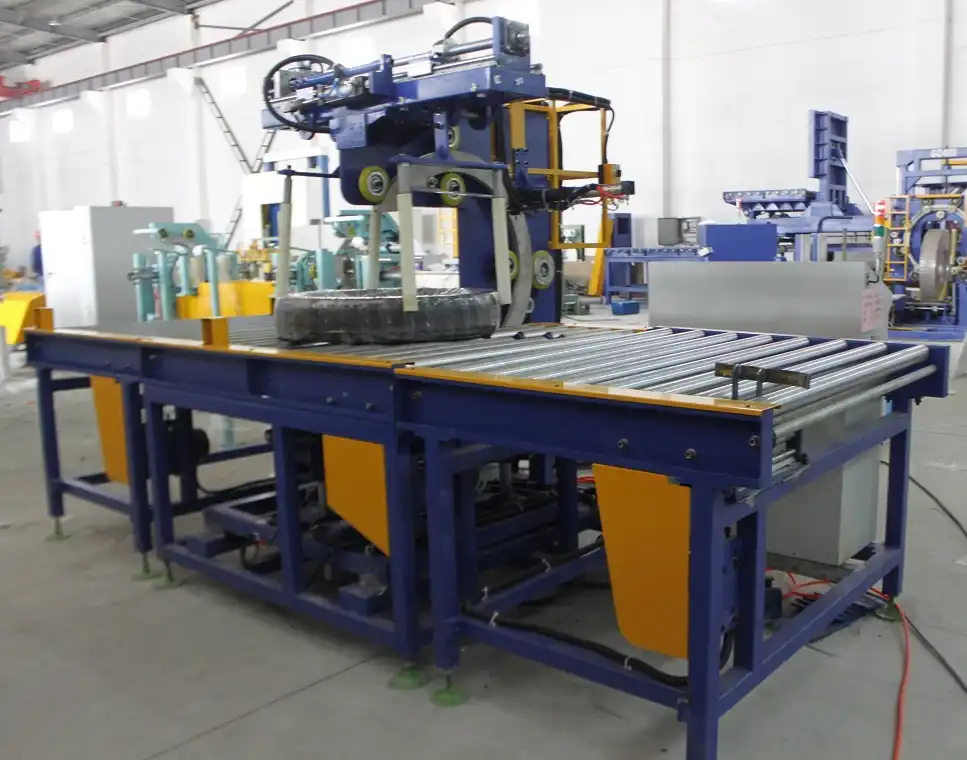
I remember when I first started my factory. Manual handling of heavy coils was a constant headache. It was slow. It was dangerous. Workers got tired. This led to mistakes and injuries. Automated machines remove workers from direct contact with the coils during the packing process. The machine loads, wraps, and unloads the coils itself. This means less manual lifting. It means less bending and stretching. It makes the entire area safer. When workers do not have to handle the coils directly, they are not agitating dust that might have settled on the coil or on the packing material. This keeps the surrounding air cleaner. It also keeps the product cleaner. It also frees up workers to do other, more skilled tasks. This is a huge benefit for factories aiming to improve overall efficiency and safety standards. Michael, the factory manager in Mexico, understands this well. He looks for solutions that reduce injury risk and insurance costs. Automated wrapping directly addresses these concerns. It is not just about dust; it is about a better, safer workplace. This is a crucial step towards modernizing any packing operation, especially in countries like India where labor-intensive processes are still common. I have always believed that investing in good machines is an investment in your people’s well-being.
The Ripple Effect: Safety, Efficiency, and Cleanliness
Reducing human interaction in the packing process has a broad positive impact on a factory.
Enhanced Worker Safety
- Reduced Manual Strain: Workers no longer need to manually lift or maneuver heavy coils. This lowers the risk of back injuries, strains, and other musculoskeletal disorders.
- Fewer Accidents: Automated systems use conveyors and robotic arms for movement. This removes humans from direct contact with moving machinery parts. This significantly cuts down on accidents.
- Better Air Quality: Less manual agitation means fewer dust particles become airborne. This creates a healthier breathing environment for workers. It reduces respiratory problems.
Streamlined Operations
- Increased Speed: Machines wrap coils much faster and more consistently than manual methods. This boosts throughput. It eliminates packing as a bottleneck.
- Consistent Quality: Every coil is wrapped with the same tension and overlap. This ensures uniform protection. It reduces errors that lead to reworks.
- Optimized Workflow: Automation allows for a more continuous flow of products. There are fewer stops and starts. This makes the entire production line smoother.
Minimized Contamination Risk
- Limited Dust Transfer: When coils are moved by machine, there is less physical contact. This means less chance of transferring dust from hands, clothing, or the environment onto the product.
- Faster Sealing: Automated systems wrap quickly. This minimizes the time the product is exposed to the open air before being fully protected.
- Controlled Environment: Some automated lines can even be integrated into semi-enclosed spaces. This further shields the packing process from ambient dust.
| Aspect | Manual Handling & Packing | Automated Coil Wrapping Process |
|---|---|---|
| Worker Interaction | High, direct contact with product and film | Low, supervision and maintenance only |
| Injury Risk | High (strains, crushed limbs) | Low (primarily machine guarding related) |
| Dust Agitation | Significant (movement, handling of film) | Minimal (controlled, smooth machine motion) |
| Exposure Time | Longer (due to slower process) | Shorter (fast, continuous wrapping) |
| Consistency | Variable, prone to human error | High, machine-driven precision |
| Labor Cost | High, ongoing wages for multiple workers | Lower, initial investment with long-term savings |
3. How does reducing dust contamination improve product quality and customer satisfaction?
Are your customers complaining about dirty products or damaged goods upon arrival? Product quality is not just about manufacturing; it is also about how you protect it during transit. Dust contamination can undermine all your hard work.
Reducing dust contamination directly improves product quality by keeping surfaces clean and free from abrasive particles. This prevents cosmetic flaws, material degradation, and potential damage during handling. Clean products enhance customer satisfaction, build trust, and reduce costly returns or claims.
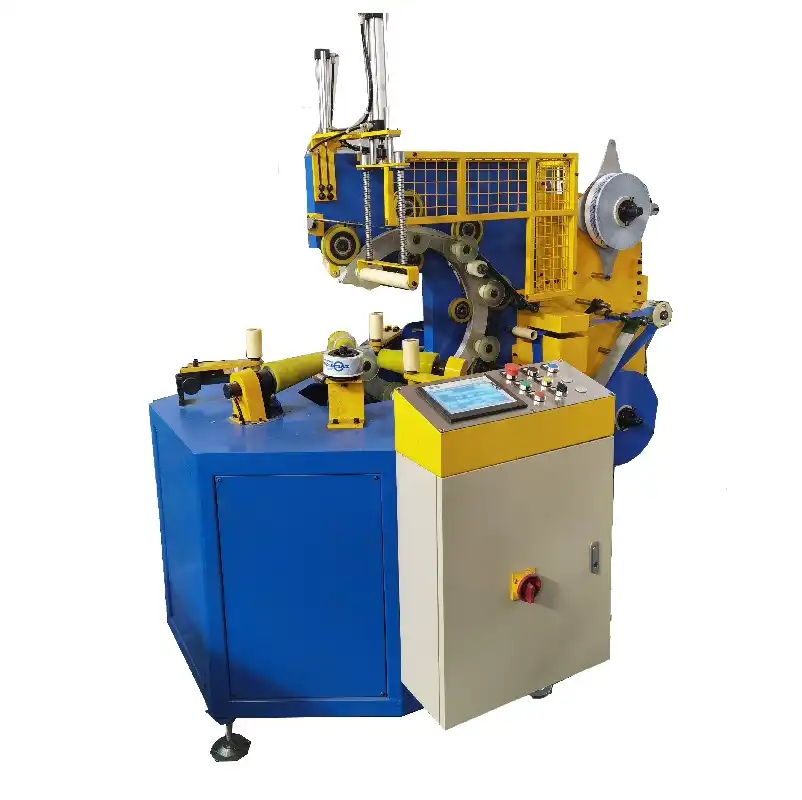
In my years in the packing machine business, I have seen this happen too often. A perfect coil leaves the factory, but arrives at the client’s site with dust embedded in its surface or trapped in its layers. This is especially true for sensitive materials like polished steel or copper. Dust can be abrasive. It can scratch surfaces. It can also cause problems in later manufacturing steps. For example, if a steel coil is contaminated with dust, it might not bond properly during coating or welding. This leads to rejections and lost profits. When you deliver a clean, well-protected product, you are not just selling a material; you are selling reliability and quality. This builds a strong reputation. It encourages repeat business. Michael, in his factory, faces product damage and customer complaints. Eliminating dust contamination is a direct way to solve these issues. It shows clients that you care about their end product. It shows that you care about their processes. I have always told my clients that the packing is the last impression you make before the product is used. Make it a good one. It really makes a difference.
Beyond Aesthetics: The Business Impact of Clean Products
The benefits of preventing dust contamination extend far beyond just good looks. They impact your bottom line and market standing.
Direct Impact on Product Integrity
- Surface Protection: Dust, especially hard mineral dust, acts as an abrasive. It can scratch delicate surfaces of coils. This lowers their aesthetic and functional value.
- Prevention of Corrosion: Dust often holds moisture and can contain corrosive agents. When trapped against metal surfaces, it can accelerate rust and other forms of corrosion, particularly in humid Indian climates.
- Optimized Downstream Processes: Clean coils are easier to process in subsequent manufacturing steps. For example, in painting or coating lines, dust acts as a barrier. It prevents proper adhesion. This leads to defects and rework.
- Reduced Material Loss: Preventing contamination means less scrap and fewer rejections. This directly saves material costs.
Enhanced Customer Perception and Loyalty
- First Impressions Matter: A clean, well-wrapped product immediately conveys professionalism and care. This builds confidence in the supplier.
- Fewer Complaints and Returns: When products arrive in pristine condition, customer complaints related to contamination or damage decrease. This reduces the administrative burden of handling claims. It also improves customer satisfaction scores.
- Brand Reputation: Consistently delivering high-quality, clean products strengthens a factory’s brand reputation. It positions them as a reliable and quality-focused supplier. This is a competitive advantage.
- Increased Sales and Market Share: Satisfied customers are more likely to place repeat orders. They are also more likely to recommend your factory to others. This leads to business growth.
| Impact Area | Without Dust Contamination Control | With Dust Contamination Control |
|---|---|---|
| Product Aesthetics | Dull, dirty, potential scratches | Shiny, clean, pristine |
| Material Degradation | Higher risk of corrosion, pitting | Minimal risk, extended shelf life |
| Processing Efficiency | Rework, adhesion issues, production delays | Smooth, efficient, consistent results |
| Customer Complaints | Frequent, high return rates | Rare, high customer satisfaction |
| Brand Image | Perceived as lower quality, unreliable | Perceived as high quality, trustworthy |
| Profit Margins | Reduced by scrap, claims, reworks | Increased by reduced waste, repeat business |
4. What are the long-term operational and safety benefits for Indian factories battling dust?
Are you looking at investments with a clear return? Do you need solutions that not only solve immediate problems but also contribute to your factory’s overall long-term health and profitability? Dust is not just a daily fight; it has lasting consequences.
Coil wrapping machines offer long-term operational and safety benefits for Indian factories by providing a clear return on investment through reduced labor costs, less product damage, and improved worker safety. They create a cleaner, more efficient, and safer production environment. This leads to higher profitability and a stronger market position over time.

I have always advised my clients to think beyond the initial purchase cost. Look at the total cost of ownership. Look at the long-term gains. In India, factories often operate in challenging conditions with significant dust. This wears down machinery faster. It impacts worker health. It drives up maintenance costs. By automating the packing process with coil wrapping machines, you tackle these issues head-on. First, you dramatically reduce the need for manual labor in a strenuous, often dusty, part of the operation. This saves on wages. It also reduces costs related to worker injury and turnover. Second, you protect your products better. This means fewer losses from damage and contamination. This directly boosts your bottom line. Third, a cleaner environment is a safer environment. This means healthier workers. This means better morale. This means lower insurance premiums. These are not small things. These are fundamental improvements that lead to sustainable growth. Michael, in his profile, specifically mentions seeking solutions with clear ROI. Coil wrapping machines provide this by addressing cost, efficiency, and safety all at once. My own journey, from employee to factory owner, taught me that smart investments in machinery pay dividends in every aspect of the business.
A Holistic Approach to Factory Improvement
The integration of coil wrapping machines drives systemic improvements across the factory floor.
Financial Returns and Cost Savings
- Reduced Labor Costs: A single machine can replace multiple workers involved in manual packing. This leads to significant savings on salaries, benefits, and training.
- Lower Product Loss: Minimizing dust contamination and physical damage during packing means less scrap, fewer rejections, and fewer customer returns. This directly impacts profit margins.
- Optimized Film Usage: Automated machines use film more efficiently with consistent tension and overlap. This reduces material waste compared to inconsistent manual application.
- Reduced Insurance Premiums: A safer workplace with fewer accidents can lead to lower worker’s compensation and general liability insurance costs.
- Improved Throughput: Faster packing speeds mean higher production capacity. This allows factories to meet greater demand and increase sales volume.
Enhanced Operational Efficiency and Reliability
- Consistent Operation: Machines work tirelessly without fatigue. This ensures continuous packing, even during peak production times.
- Less Downtime: Automated systems reduce bottlenecks at the packing stage. This keeps the entire production line flowing smoothly.
- Predictable Maintenance: Modern machines come with diagnostic tools. This allows for scheduled maintenance. It prevents unexpected breakdowns.
- Better Inventory Management: Properly wrapped and protected coils are easier to store. They are less prone to damage. This simplifies inventory control.
Improved Workplace Environment and Compliance
- Healthier Workers: Less dust in the air means fewer respiratory issues and allergies among employees. This leads to better attendance and productivity.
- Compliance with Standards: Many industries and export markets have strict quality and cleanliness standards. Automated packing helps factories meet these.
- Enhanced Employee Morale: Workers appreciate investments in their safety and well-being. This can boost morale and reduce employee turnover.
- Sustainability: Efficient use of packing materials and reduced waste contribute to more sustainable manufacturing practices.
| Benefit Category | Short-Term Gains | Long-Term Impact |
|---|---|---|
| Cost Reduction | Immediate labor savings, less material waste | Sustained profit increase, lower insurance |
| Product Quality | Cleaner products, fewer immediate rejections | Stronger brand, reduced warranty claims |
| Operational Efficiency | Faster packing, fewer bottlenecks | Higher capacity, competitive advantage |
| Worker Safety | Fewer accidents, less strain | Healthier workforce, lower turnover, better morale |
| Environmental | Reduced dust levels | Cleaner facility, compliance with regulations |
Conclusion
Coil wrapping machines offer Indian factories a robust solution against dust contamination. They create a sealed barrier, reduce human exposure, and significantly improve product quality and safety, leading to long-term profitability.








