
Why American Engineers Compare Pallet Inverter Models for Heavy Steel Loads?
Are you struggling with the challenges of moving heavy steel loads in your warehouse? Do you worry about worker safety, slow processes, or damaged products? Many companies, especially those dealing with heavy materials like steel, face these problems daily. Ignoring these issues can lead to costly accidents, missed deadlines, and unhappy customers.
American engineers carefully compare pallet inverter models for heavy steel loads because these machines directly solve critical operational challenges. They improve safety, boost efficiency, and save money. This choice ensures steel products move safely and quickly through the supply chain. Engineers look for robust designs that handle extreme weights without failing. They also want systems that protect workers and keep production lines running smoothly. This focus on strong, reliable equipment comes from a need for both high performance and safe work environments.

As someone who has built a career around packing machines and helped many businesses grow, I know that choosing the right equipment makes a huge difference. Let’s look at the key reasons why American engineers dedicate so much thought to selecting the best pallet inverter for their heavy steel operations. This information can help you make smart choices for your own business.
Why is safety a top concern for American engineers when selecting heavy-duty pallet inverters?
Are your workers at risk when they handle heavy steel loads? Do you worry about accidents and injuries in your warehouse? The manual handling of heavy items like steel coils or sheets is one of the most dangerous tasks in any industrial setting. This risk is a major problem for many companies.
American engineers make safety their top concern when they choose heavy-duty pallet inverters because protecting workers and preventing accidents is not just good practice; it is also a legal and financial necessity. Heavy steel loads can cause severe injuries or even death if not handled correctly. Engineers look for features that remove human interaction from dangerous lifting and turning tasks. They want machines that keep loads stable and workers safe at all times. This focus on safety helps companies avoid costly fines, lawsuits, and lost work time due to injuries.
From my experience in the packing machine industry, I have seen firsthand how much impact a single accident can have. It affects not only the injured worker but also team morale and company finances. Engineers understand this deeply. They know that investing in safer equipment like a heavy-duty pallet inverter pays off by protecting people and the company’s bottom line. They carefully check the safety features of each model.
Dive deeper into safety considerations for heavy steel loads:
When engineers choose pallet inverters for heavy steel loads, they are not just looking at how well the machine works. They are also looking at how safe it is. They think about all the ways things can go wrong and how the machine can prevent those problems. This is very important when you deal with materials that weigh a lot and can cause serious harm. Engineers want systems that remove the risk of human error in dangerous tasks. They focus on designs that are fail-safe and easy for workers to use without putting themselves in danger. They also make sure the equipment meets all safety rules.
-
Preventing Load Shifts and Falls ⚠️ Heavy steel loads are often unstable. If they move suddenly, they can fall and cause huge damage or injuries. American engineers look for pallet inverters with very strong clamping systems. These clamps must hold the load securely from all sides. They want machines that can handle changes in load shape or size without losing grip. For example, some steel products might shift during rotation if not held properly. A good inverter has sensors and strong hydraulic or electric systems. These systems ensure the load stays centered and clamped tight throughout the entire process. This prevents any unexpected movements that could lead to a fall. They also check for features that make the machine stable on the floor, even when it holds a heavy, off-center load. This attention to detail means the load stays safe and secure.
-
Protecting Workers from Injury 👷 Manual handling of heavy steel is a common cause of back injuries, crushed limbs, and other serious accidents. Pallet inverters remove the need for workers to physically lift, push, or turn heavy pallets. Engineers choose models that have clear safety zones and emergency stop buttons. They want systems that automatically shut down if a worker gets too close to moving parts. They also check for guards and barriers that separate the worker from the operating machine. For instance, some inverters come with light curtains or pressure mats. These safety features detect if a person steps into a dangerous area and instantly stop the machine. This way, the machine does the heavy and risky work, and people stay safe. My own experience has taught me that preventing one serious injury is worth more than the cost of any machine.
-
Meeting OSHA and Industry Standards ✅ In the United States, the Occupational Safety and Health Administration (OSHA) sets strict rules for workplace safety. Companies must follow these rules to avoid fines and ensure worker well-being. Engineers make sure that any pallet inverter they choose meets or goes beyond these standards. They look for machines with proper safety certifications. They also check that the machine is built with high-quality materials and has reliable controls. This includes features like clear warning labels, secure locking mechanisms, and proper electrical safety. By choosing equipment that meets these standards, companies not only stay legal but also show a strong commitment to safety. This helps build a safe work culture, which I always tell my clients is key for long-term success.
How do engineers evaluate a pallet inverter’s reliability and efficiency for continuous steel operations?
Is your current pallet handling slowing down your production line? Do you worry about machine breakdowns, especially when moving heavy steel? In the fast-paced world of manufacturing and logistics, every minute of downtime costs money.
Engineers evaluate a pallet inverter’s reliability and efficiency for continuous steel operations by looking at its build quality, speed, and how easy it is to maintain. They know that heavy steel handling demands machines that can work without stopping, day in and day out. They look for strong motors, durable parts, and quick cycle times. This helps keep the flow of materials steady and reduces delays. Their goal is to find equipment that reliably performs many cycles each hour, year after year. This focus on consistent performance helps companies meet tight deadlines and keep costs low.

I have seen countless factories where a single machine breakdown can stop an entire production line. When you handle heavy steel, the stakes are even higher. A reliable pallet inverter means fewer worries about unexpected stops. An efficient one means more product moves through the system faster. Engineers understand that a small gain in speed or a small drop in downtime adds up to big savings over time. They carefully check performance data and user reviews before making a choice.
Dive deeper into reliability and efficiency for heavy steel handling:
When dealing with heavy steel, machines need to be tough and fast. Engineers do not just want a machine that works; they want one that works well, all the time. They think about the pressure of a busy warehouse or factory. They know that if a machine breaks down, it stops everything. This costs a lot of money and can hurt customer trust. So, they look closely at how the machine is built and how fast it can do its job. They also consider how easy it is to keep running smoothly without needing constant repairs. This level of detail helps them choose a machine that will be a long-term asset.
-
Reducing Downtime in High-Volume Operations ⚡ Downtime is a big enemy in any production or logistics setting. When a machine stops, work stops. For heavy steel operations, this can mean a lot of money lost very quickly. Engineers look for pallet inverters made from heavy-duty components. These components include strong steel frames, powerful motors, and durable hydraulic systems. They also check for easy access to parts that might need maintenance. They prefer models with self-diagnostic features. These features can tell you when something is wrong before it becomes a big problem. This proactive approach helps schedule maintenance and avoids unexpected shutdowns. My personal experience designing machines taught me that simple, robust designs often last longer and have less downtime. This is especially true when dealing with the stress of heavy loads.
-
Maintaining Throughput with Durable Machinery ⚙️ Throughput is the amount of work a machine can do in a set time. For continuous operations, high throughput is essential. Engineers demand machines that can handle heavy steel loads repeatedly without showing wear and tear too quickly. They look at the quality of materials used in critical areas. This includes the clamps, platforms, and rotation mechanisms. They want parts that resist abrasion and impact. They also check how many cycles the machine can perform before needing major repairs. For example, some pallet inverters are designed with oversized bearings and stronger shafts. These design choices allow them to handle constant heavy loads better. This durability helps keep production numbers high and consistent, which is very important for meeting demand.
-
Optimizing Workflow for Faster Cycles 🔄 Efficiency is not just about raw speed. It is also about how well the machine fits into the overall workflow. Engineers analyze the cycle time of different pallet inverter models. Cycle time is how long it takes for one complete pallet exchange. They also consider how easy it is for operators to load and unload pallets. They look for features like automatic centering or simple controls. These features can shave seconds off each cycle. Over thousands of cycles, these small savings add up to significant time gains. For example, a fully automatic system might reduce operator involvement to almost zero. This frees up staff for other tasks. This kind of optimization improves the overall flow of goods in the warehouse or factory. This is a goal I always strive for when designing solutions for my clients.
What financial returns do American industries seek by investing in advanced pallet inverter technology?
Are you looking for ways to cut costs and increase profits in your heavy goods handling? Do you wonder if new equipment can really pay for itself? Many businesses struggle to justify big investments. But the right technology can offer big financial returns.
American industries seek significant financial returns by investing in advanced pallet inverter technology because these machines reduce labor costs, minimize product damage, and improve overall operational efficiency. By automating the risky and slow task of pallet changing for heavy steel, companies save money on wages, injury claims, and repair costs for damaged goods. They also boost their capacity and speed up their supply chain. This investment helps companies achieve a strong return on investment (ROI) by turning operating expenses into long-term savings and increased productivity.

From my early days working in a factory to running my own successful business, I learned that every dollar spent must bring value. When I advise my clients, I always emphasize looking at the long-term benefits of an investment. A pallet inverter for heavy steel is not just a machine; it is a strategic financial tool. It helps reduce high costs related to manual labor and potential damage. This focus on clear financial benefits drives engineers and business leaders to compare models closely.
Dive deeper into the economic benefits of pallet inverter investments:
Companies do not just buy machines because they are new. They buy them to solve problems and make more money. For heavy steel operations, the costs of manual handling can be very high. This includes wages, but also the hidden costs of injuries, damaged products, and slow work. Engineers look at how a pallet inverter can reduce these costs. They calculate how quickly the machine will pay for itself. This focus on return on investment (ROI) is key for any capital expenditure. They also consider how the machine can help them grow their business and serve more customers.
-
Lowering Labor Costs and Manual Handling 💰 Labor is often one of the biggest costs for any company. Manual pallet changing for heavy steel requires multiple workers. It is also slow and physically demanding. An automated pallet inverter can do the work of several people much faster and without breaks. Engineers calculate the savings on wages, benefits, and overtime. They also factor in the reduction in costs related to recruiting and training new staff. For instance, if a company uses three workers for four hours each day to manually handle pallets, an inverter might reduce this to one worker for two hours. This directly cuts labor expenses. My own experience showed me that freeing up workers from repetitive, hard tasks allows them to do more valuable work elsewhere in the factory.
-
Minimizing Product Damage and Returns 📉 Heavy steel products can be very expensive. If they get damaged during handling, it can lead to huge losses. Manual methods are prone to errors and drops. An advanced pallet inverter handles loads gently and precisely. It reduces the risk of scratches, dents, or other damage to the steel. This means fewer damaged products that need to be scrapped or returned. Returns also hurt customer trust. Engineers look for machines with features like adjustable clamping pressure and smooth rotation. These features protect the integrity of the heavy loads. Avoiding damage directly improves product quality and reduces the costs of rework and waste. This protects the company’s reputation and bottom line.
-
Extending Pallet Life and Reducing Waste 🌱 Pallets themselves are an ongoing expense. Heavy steel loads can quickly damage traditional wood pallets, especially during manual transfers or when they are dropped. This means companies constantly buy new pallets. A pallet inverter handles pallets carefully. It reduces wear and tear on them. This helps extend the life of pallets, whether they are wood, plastic, or metal. Engineers consider the cost savings from not having to replace pallets as often. This also means less waste going to landfills. For example, if a pallet lasts twice as long, the company halves its pallet purchasing costs. This small saving per pallet adds up to big money over time. It also supports environmental goals, which is a growing concern for many businesses.
How do pallet inverters help American companies adapt to evolving industry standards and varied load types?
Is your business struggling to keep up with changing customer demands or new shipping rules? Do you need to handle different types of pallets and loads, but your current system is too rigid? In today’s global market, flexibility is key.
Pallet inverters help American companies adapt to evolving industry standards and varied load types by offering versatile solutions for diverse handling needs. Engineers look for machines that can handle different pallet sizes and materials, such as Euro pallets, US pallets, or plastic pallets. They also need equipment that can manage various product types and weights. This adaptability is critical for companies that ship internationally or deal with a range of products. Investing in a flexible pallet inverter allows businesses to quickly adjust to new market requirements without needing to buy entirely new equipment. This ensures compliance and keeps the supply chain flowing.
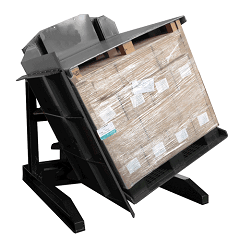
When I started FHOPEPACK, my vision was to provide adaptable solutions. I know that businesses change, and so do their needs. Companies dealing with heavy steel often have to send products to different countries, each with its own pallet standards. Or they might need to use specific pallets for in-house hygiene reasons. A static, single-purpose machine quickly becomes a problem. Engineers know this. They seek out pallet inverters that can handle a wide range of tasks, future-proofing their operations against upcoming challenges.
Dive deeper into adaptability and compliance with pallet inverters:
The world of logistics is always changing. New rules, new customers, and new products mean companies must be ready for anything. For businesses handling heavy steel, this often means dealing with many different types of pallets. It also means keeping up with rules for shipping across borders. Engineers selecting pallet inverters need to think about more than just today’s needs. They need to choose machines that can grow and change with the business. This foresight helps companies stay competitive and avoid problems in the future. They look for versatility and systems that support international trade.
-
Handling Diverse Pallet Types (Wood, Plastic, Metal) 🌐 Different industries and regions use different types of pallets. For example, Europe widely uses Euro pallets, while North America uses GMA (American) pallets. Some companies also use plastic pallets for hygiene or metal pallets for heavy, specific loads. Engineers need pallet inverters that can easily switch between these types. They look for adjustable clamping mechanisms and platforms. These allow the machine to safely grip and turn pallets of various sizes and materials. This flexibility is very important for multinational companies or those serving diverse markets. It means they do not need separate machines for each pallet type. This saves space and money, and makes operations much simpler.
-
Conforming to International Shipping Regulations 🚢 Shipping heavy steel across borders involves strict rules, especially regarding pallet hygiene and type. For instance, many countries require heat-treated (ISPM 15 compliant) wood pallets for international shipments. But products might arrive on non-compliant pallets. Pallet inverters allow companies to transfer products from one type of pallet to another quickly and easily. This ensures that only compliant pallets leave the facility. Engineers ensure the chosen inverter can handle these specific transfer needs efficiently. This helps avoid delays at customs, fines, and rejection of shipments. It is a critical step in maintaining a smooth global supply chain. This is something I have helped many clients navigate successfully.
-
Future-Proofing for Changing Business Needs 📈 Businesses evolve. A company might start by only shipping locally, but then expand internationally. Or it might introduce new products that require different pallet types. Engineers think about how a pallet inverter can support these future changes. They look for modular designs that can be upgraded or expanded later. They also consider if the machine can handle a wider range of weights or dimensions than currently needed. This foresight means the initial investment will continue to provide value for many years. It prevents the need to buy entirely new equipment when business needs shift. This adaptability provides a strategic advantage and long-term cost savings for American companies in the heavy industries.
Conclusion
American engineers carefully compare pallet inverter models for heavy steel loads to boost safety, improve efficiency, cut costs, and adapt to changing industry demands. Their detailed analysis helps businesses find robust, reliable machines that protect workers and products. This ensures smooth operations and strong financial returns. Investing in the right pallet inverter is a smart choice for any company handling heavy goods.








