
Which Total Cost of Ownership Factors Matter Most for European Slit Coil Packing Lines?
European factories operate under intense pressure. You need maximum efficiency, strict safety, and tight cost control, especially on your packing lines. The initial price tag of a new machine often seems like the only thing that matters. But that upfront cost is just the tip of the iceberg. What about the hidden expenses that eat into your profits day after day, year after year? Ignoring these can sink even the most promising investment. As someone who built a packing machine factory from the ground up, I know the true cost of machinery extends far beyond purchase. Today, I want to share my insights on the real Total Cost of Ownership (TCO) factors for European slit coil packing lines that you absolutely must consider.
The most critical TCO factors for European slit coil packing lines include operating efficiency, specifically labor automation, stringent safety compliance costs, and the often-overlooked expense of machine reliability and its direct impact on downtime. Focusing on these areas ensures a more sustainable and profitable investment for manufacturers in the competitive European market.
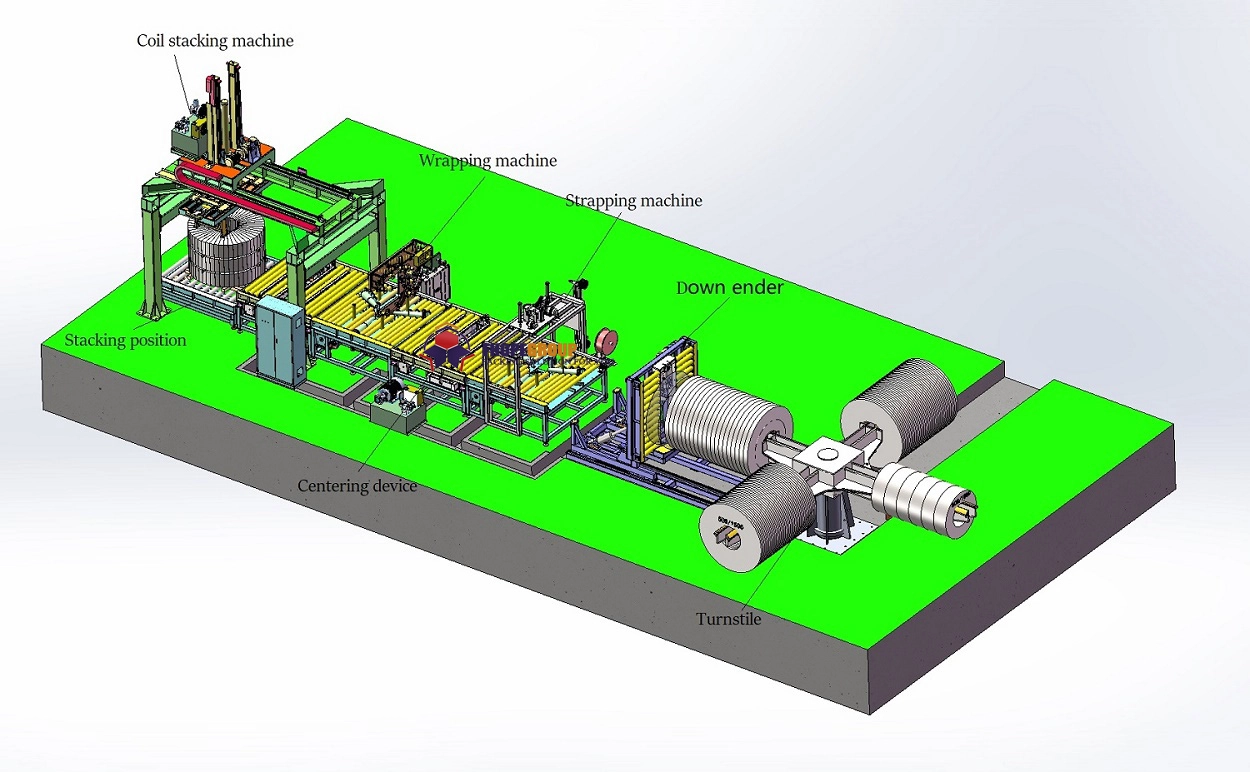
Understanding these top-level factors is a good start. But if you want to truly master your packing line investment, we need to peel back the layers and examine how each of these elements impacts your operations, your people, and your bottom line. Let’s dive deeper into what really drives the total cost of ownership.
Are Operating Efficiency and Hidden Labor Costs Your Biggest Concerns?
Many European coil factories still rely heavily on manual packing processes. This approach might seem cheaper at first glance. However, this reliance creates massive bottlenecks. It slows down your entire production line. It also hides a huge cost burden in wages, overtime, and human error. Your overall efficiency suffers greatly. The real game-changer is often automation. Investing in the right automated packing line can dramatically cut these hidden labor costs and boost your overall output significantly.
Operating efficiency and hidden labor costs are major TCO drivers for European slit coil packing lines. Manual processes lead to bottlenecks, high wages, overtime, and errors. Automated solutions directly address these issues, reducing labor dependency and significantly improving throughput and cost-effectiveness over the long term.
The High Price of European Labor
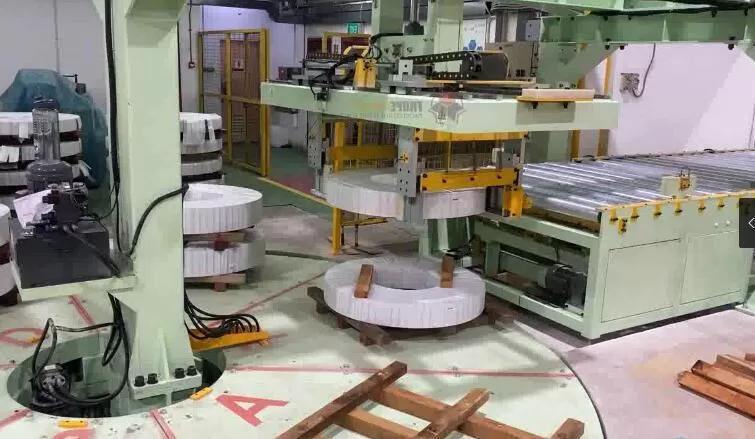
Labor costs in Europe are among the highest in the world. This includes not just wages but also significant social security contributions, healthcare benefits, and sometimes strong union agreements. From my years observing and building packing solutions, I have seen firsthand how these costs add up fast. Each person on your packing line represents a substantial ongoing expense. Relying on more people means accepting a higher baseline cost.
Beyond Wages: Hidden Efficiency Drainers
The problem extends beyond direct wages. Manual packing is inherently slower and less consistent than machine-driven processes. This leads to production bottlenecks at the end of your line. These bottlenecks then slow down upstream processes. You might need to pay overtime to catch up, further inflating costs. Human fatigue also leads to errors, inconsistent packing quality, and even product damage. I’ve heard stories from clients about damaged coil edges during manual handling or poorly wrapped coils leading to customer complaints. This adds to rework costs and potential customer dissatisfaction. Turnover rates among manual laborers can also be high for repetitive, physically demanding jobs. Each new hire means recruitment costs and training time. This directly impacts your productivity and adds to hidden TCO.
Smart Automation: Your Path to Profitability
Modern automated packing lines drastically reduce the need for manual labor. This directly cuts your payroll expenses. A single machine can often do the work of several people, faster and more consistently. These machines also run with higher precision. They optimize packaging material use, reducing waste. They can run for longer shifts with minimal supervision. They do not get tired. They make fewer mistakes. This means higher throughput, lower material costs, and fewer errors. For example, a fully automated wrapping machine can apply precise amounts of stretch film or steel strip. This reduces material over-usage which is a constant hidden cost in manual wrapping. When I helped design systems for my factory, we always focused on this efficiency. It ensures a clear return on investment (ROI) by maximizing output while minimizing operational expenses.
Does Safety Compliance Drive Up Your European Packing Line Expenses?
Handling heavy steel coils and wires manually involves very high risks for workers. Injuries can happen often. These incidents are not just tragic for employees. They lead to huge, unexpected costs for your business. Think about rising insurance premiums, workers’ compensation claims, legal fees, and lost production time. Your company’s reputation also takes a hit. Investing in packing lines with advanced safety features is not an option; it is a necessity. It protects your team and safeguards your company’s financial health in the long run.
Safety compliance and injury-related expenses are significant TCO components in European packing lines. This is due to high labor costs and strict regulations. Manual handling of heavy materials leads to increased risk of accidents, higher insurance premiums, workers’ compensation, and production downtime. Automated systems with built-in safety features drastically reduce these costly liabilities.
The True Cost of Workplace Injuries
A single workplace injury can lead to a cascade of financial penalties. Beyond the immediate medical bills, you face lost productivity from the injured worker and their replacement. There are administrative costs for investigations and paperwork. Your workers’ compensation premiums will likely increase. Legal fees can add up if a lawsuit occurs. Fines from regulatory bodies are also possible for safety violations. I have seen firsthand the devastating impact of serious accidents, not just on the individual but on the entire factory’s morale and bottom line. It is a cost no business wants to bear, yet it is often underestimated until it happens.
Navigating European Safety Regulations
Europe has some of the strictest safety regulations worldwide. The Machinery Directive (2006/42/EC) and CE marking requirements are prime examples. Compliance is not optional. Non-compliance can lead to hefty fines, forced shutdowns, and even criminal charges. When you invest in a packing machine, you must ensure it meets all these standards. This often means higher upfront costs for machines built to these specifications. But it is a necessary investment to avoid much larger penalties later. My experience building machines for export showed me how critical it is to design for safety from the ground up, not as an afterthought. This includes proper guarding, emergency stops, and clear warning labels.
Integrated Machine Safety Features for Risk Reduction
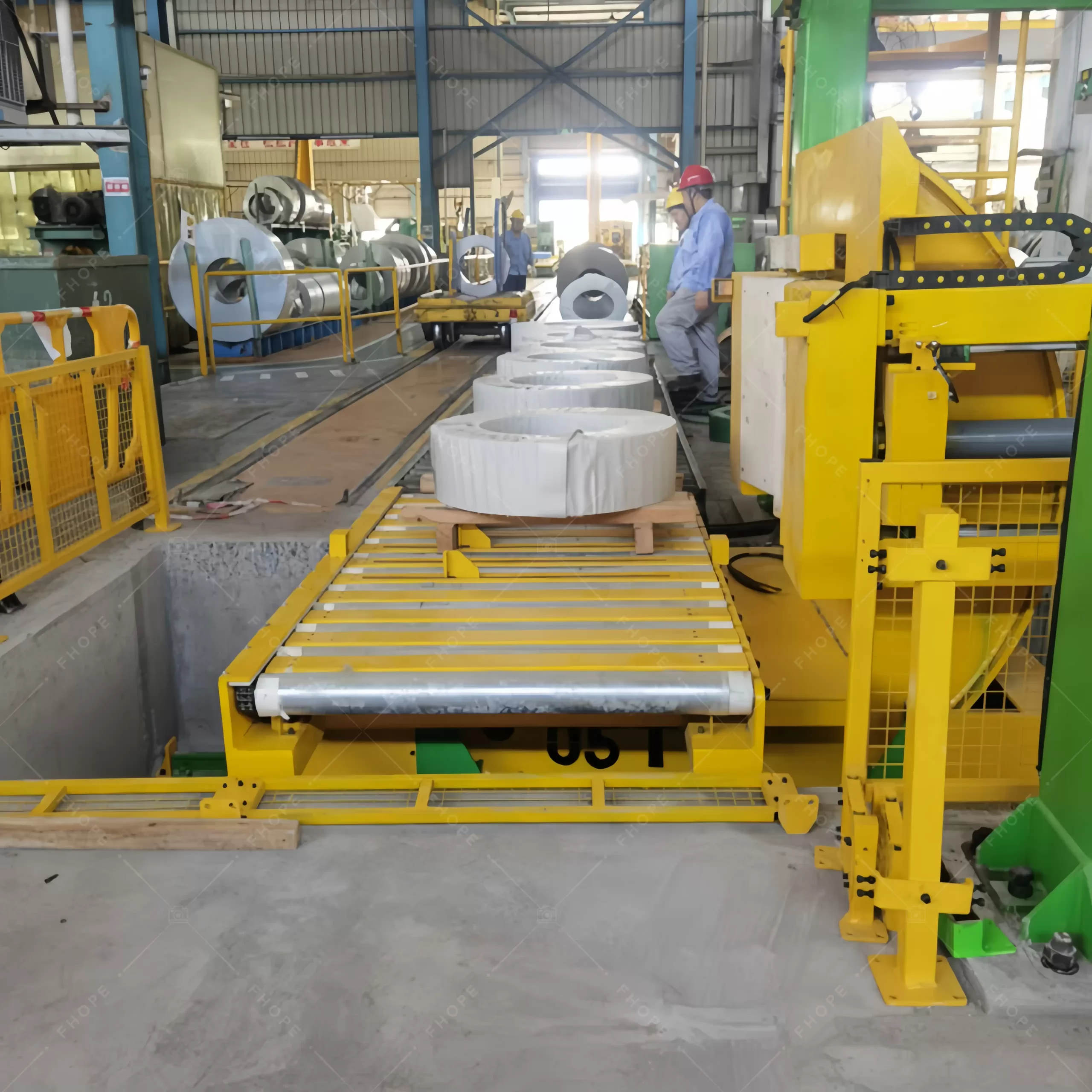
Modern packing machines are designed with safety as a core component. They incorporate features that significantly reduce manual handling of heavy items. This includes automatic coil loading and unloading systems. They have light curtains, safety interlocks on guards, and emergency stop buttons placed strategically. Robotic arms or automated transfer carts can move heavy coils, removing humans from dangerous lifting and maneuvering tasks. This drastically lowers the risk of crushing injuries or strains. For example, a fully automated strapping machine for steel coils ensures no worker needs to be near the moving coil during the strapping process. By minimizing human interaction with dangerous moving parts and heavy loads, you fundamentally improve worker safety. This translates directly into lower injury rates, reduced insurance costs, and a safer, more productive workforce. It also shows your commitment to employee well-being, which improves morale and retention.
How Does Machine Reliability Impact Your Bottom Line?
Many factory managers only look at the initial price of a packing machine. They often try to find the cheapest option available. But a low upfront cost often means lower quality components. This leads to frequent breakdowns, unexpected repairs, and frustratingly long periods of non-operation. Every minute your packing line is down, you lose money. You also risk missing important delivery deadlines. True value comes from reliability. A robust, well-engineered machine might cost more initially, but it runs consistently, reduces maintenance needs, and keeps your production flowing smoothly.
Machine reliability is a crucial TCO factor, directly influencing the true cost of downtime for European slit coil packing lines. Low-quality machines lead to frequent breakdowns, expensive repairs, and significant production losses. A reliable machine, though potentially higher in initial cost, ensures consistent operation, minimal maintenance, and sustained output, safeguarding overall profitability.

Calculating the Cost of Production Downtime
Downtime is incredibly expensive. It is not just the cost of repair parts or a technician’s visit. When your packing line stops, your entire production chain can grind to a halt. You lose revenue from unproduced coils. You are still paying for idle labor. Your fixed overhead costs (rent, utilities) continue to accumulate even when nothing is being made. You might face penalties for late deliveries or lose customer contracts. Expedited shipping to meet deadlines adds further costs. I’ve seen factories lose hundreds of thousands of dollars from just a few days of unexpected downtime. For example, if your line processes 50 coils per hour, and each coil is worth $1,000, an hour of downtime costs you $50,000 in lost production value alone, not counting other associated costs.
Maintenance Strategies: Reactive vs. Proactive
Unreliable machines force you into a reactive maintenance strategy. You fix things only when they break. This means unexpected stops and often higher repair costs because emergency repairs are generally more expensive. Parts might need to be rushed. This contrasts sharply with a proactive approach. Reliable machines allow for planned preventive maintenance. You schedule service during off-peak hours or planned shutdowns. This minimizes disruption. It also identifies small issues before they become major breakdowns. My own factory focused on robust design. We learned that investing in high-quality components and engineering upfront prevents costly failures later. This means less unexpected downtime for our clients.
Spare Parts Availability and Service Support
Even the best machines need parts and service over time. The TCO of a machine includes the cost and availability of spare parts. For European operations, it is vital to work with suppliers who can provide quick access to parts and skilled technicians. Delays in receiving a critical part can extend downtime for days or weeks. This increases your losses. Good suppliers offer local support or have efficient international logistics. They offer comprehensive service contracts and training for your staff. This ensures you can resolve issues quickly. Cheaper machines often come with poor support, generic parts, or long shipping times from distant locations. This hidden cost can be a huge burden.
Impact on Product Quality and Customer Satisfaction
A poorly performing or unreliable packing machine can also directly impact your product quality. Inconsistent wrapping, loose strapping, or damaged edges during the packing process lead to scrap material. This adds to your waste costs. It also leads to customer complaints and potential returns. This harms your reputation and future sales. Reliable machines ensure consistent, high-quality packaging. This protects your product, reduces damage claims, and keeps your customers happy. Ultimately, a reliable machine contributes to your overall brand image and long-term profitability.
Conclusion
To truly optimize your European slit coil packing line, look beyond the initial price. Focus instead on operating efficiency through automation, robust safety compliance, and the critical importance of machine reliability. These factors will ultimately drive your long-term success and profitability.
My insights!
From my journey, moving from an employee to owning a packing machine factory, I saw countless times how critical it is to look at the full picture. The true value of a machine is not in its price tag, but in how it performs over years. It’s about empowering your team, making your operations safer, and ensuring consistent output that drives your business forward. I built FHOPEPACK to share this kind of practical knowledge, so you can make investments that truly pay off.








