
How Can Predictive Maintenance Extend the Life of Your Steel Coil Packing Line?
Working in a busy metal processing factory, you know the pressure. Every minute of downtime costs money. Manual processes for packing steel coils or wire are slow, risky, and lead to product damage. You need things to run smoothly, safely, and efficiently. But how do you stop problems before they even start? How do you keep your valuable packing equipment running year after year without unexpected breakdowns? This is a challenge many factory managers like you face every day.
Predictive maintenance uses data and smart technology to foresee equipment failures, allowing you to perform maintenance only when needed, significantly extending the operational life of your steel coil packing line by preventing major breakdowns and optimizing component wear. It shifts your strategy from reacting to problems to actively preventing them. This approach helps reduce unexpected downtime, lowers repair costs, and ensures a more consistent production flow.
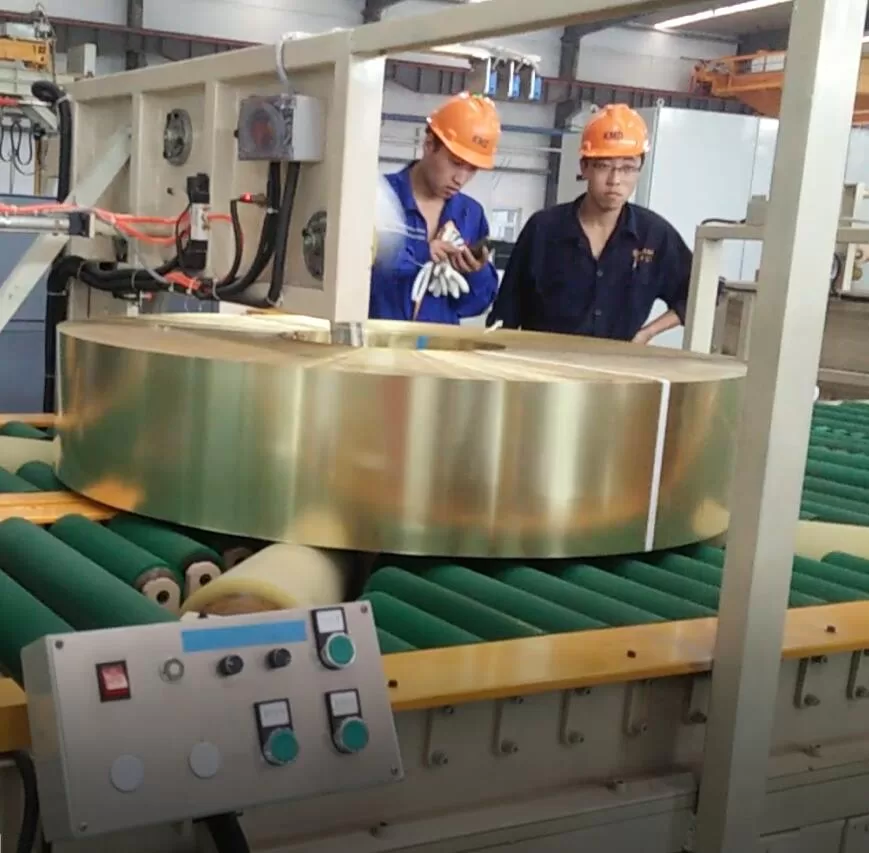
You are not alone if you have felt frustrated by equipment that fails without warning, or by maintenance schedules that do not quite fit your real needs. I have been there myself, building my own packing machine factory. I understand that simply buying a machine is not enough. You need a solution that truly solves your production bottlenecks and helps you grow. Let us explore how predictive maintenance can be that solution, transforming how you manage your packing line and protecting your investment for the long haul.
What is Predictive Maintenance and Why Does It Matter for Your Packing Line?
Imagine your steel coil packing line running at full speed, then suddenly it stops. A critical part failed without warning. Now, your production is on hold, workers are idle, and delivery schedules are at risk. This is the reality of reactive maintenance, and it costs factories like yours a fortune. Is there a better way to ensure your operations are consistently productive and reliable?
Predictive maintenance uses real-time data and advanced analytics to monitor the condition of your equipment, forecasting potential failures before they happen, which is crucial for maximizing uptime and extending the lifespan of complex machinery like steel coil packing lines. It helps you schedule maintenance precisely when it is needed, avoiding both premature repairs and costly breakdowns. This approach keeps your line running more smoothly and reliably.

Moving Beyond Guesswork to Precision Maintenance
For years, factories relied on two main types of maintenance: reactive and preventive. Reactive maintenance means you fix things only after they break. This leads to unexpected downtime, higher repair costs, and production delays. Preventive maintenance means you follow a fixed schedule, like changing oil every three months. While better than reactive, it can lead to unnecessary maintenance if a part is still good, or it might miss a problem that develops quickly between scheduled checks. Neither approach is truly optimal for a high-intensity environment like a metal processing plant.
Predictive maintenance changes the game entirely. It uses technology to gather data about your packing line’s health. This data can come from various sensors:
- Vibration sensors: These detect unusual vibrations in motors, bearings, or other moving parts. Increased vibration can signal wear or misalignment.
- Temperature sensors: Overheating is often a sign of friction, electrical problems, or failing components. Monitoring temperatures can prevent fires and component damage.
- Acoustic sensors: These listen for unusual sounds that indicate problems, such as grinding or squealing.
- Current and voltage sensors: Changes in electrical patterns can point to motor issues or power supply problems.
- Pressure sensors: Important for hydraulic or pneumatic systems that might be part of your packing process.
This data goes into a system that uses algorithms and sometimes even artificial intelligence to analyze patterns. The system learns what “normal” looks like for your machine. When it sees deviations, it flags them. It can then predict when a component might fail. For instance, if a bearing’s vibration levels start slowly increasing over weeks, the system will alert you. It might say, “This bearing is likely to fail in the next two weeks.”
Think about the implications for your steel coil packing line. Manual packing of heavy steel coils is risky and slow. Automated lines improve safety and speed. But even automated lines need to stay running. If your machine can tell you exactly when its wrapping arm motor or its coil indexing system needs attention, you can schedule that maintenance during off-peak hours or planned shutdowns. You can order the exact part you need ahead of time. This eliminates the frantic search for spare parts during a breakdown and cuts down on labor costs for emergency repairs. It means more coils packed, fewer injuries, and a healthier bottom line. For me, seeing a factory operate without these unexpected hitches was always a sign of true efficiency, something I aimed for in my own setup.
| Maintenance Type | Trigger | Pros | Cons |
|---|---|---|---|
| Reactive | Failure | No initial planning | Unscheduled downtime, high emergency costs, safety risks |
| Preventive | Time/Usage-based | Reduced breakdowns, planned maintenance | Unnecessary maintenance, missed problems between schedules |
| Predictive | Data/Condition-based | Optimal uptime, lower costs, extended asset life | Requires initial investment in technology and expertise |
How Does Predictive Maintenance Work in Practice for Steel Coil Packing?
You know your steel coil packing line is a complex system. It has many moving parts, motors, sensors, and control systems. The thought of setting up a sophisticated monitoring system might seem overwhelming. So, how exactly can you implement predictive maintenance for something as specific as wrapping heavy steel coils or bundles of wire? What are the actual steps involved?
In practice, predictive maintenance for a steel coil packing line involves installing a network of sensors on critical components to collect continuous operational data, feeding it into a data analytics platform that uses algorithms to identify anomalies and predict potential failures, and then generating actionable alerts for timely, condition-based maintenance. This systematic approach ensures problems are addressed before they cause costly downtime.

A Step-by-Step Approach to Smarter Maintenance
Implementing predictive maintenance is not about buying one magic box. It is about building a smart system that understands your machinery. Here is how it typically works for a steel coil packing line, based on what I have seen work well in various factory settings:
First, you need to identify the most critical components on your packing line. These are the parts whose failure would cause the most significant disruption or pose the highest safety risk. For a steel coil packing machine, this might include:
- The main motor that drives the wrapping or banding mechanism.
- Bearings in the rotary wrapping arm or turntable.
- Hydraulic pumps or pneumatic cylinders used for coil lifting, tilting, or clamping.
- Conveyor belts and their rollers or drives.
- Sensors that detect coil position or tension.
Once identified, you install the right sensors on these components. As I mentioned earlier, these could be vibration sensors, temperature sensors, current sensors, or others. These sensors are robust and designed to work in harsh industrial environments. They constantly collect data from your machines.
This collected data then gets sent to a central system. This can be a local server or a cloud-based platform. This system is where the magic happens. It uses specialized software and algorithms. These algorithms are trained on historical data from your machine or similar machines. They learn what “normal” operation looks and sounds like. For instance, they know the typical vibration signature of a healthy motor or the normal temperature range of a bearing.
When the system detects a deviation from the normal pattern—a slight increase in vibration, a gradual rise in temperature, or an unusual power draw—it flags it. This is not just a simple alert. The system often uses machine learning to analyze these deviations. It can compare them to patterns of past failures to predict the type of failure and when it might occur. This means it can distinguish between a minor fluctuation and a real developing problem.
Finally, the system generates an alert. This alert can be sent to maintenance staff via email, text message, or a dashboard. The alert includes specific details: which machine, which component, what the anomaly is, and the predicted time to failure. With this information, your team can then schedule maintenance at a convenient time, order the correct parts, and perform the repair before a breakdown happens. This proactive approach not only saves you money but also significantly improves safety, as your team is not scrambling to fix a broken machine under pressure. My own experience taught me that planned work is always safer and more efficient than emergency fixes.
What Are the Tangible Benefits of Implementing Predictive Maintenance?
We have talked about what predictive maintenance is and how it works. But as a factory manager focused on the bottom line, your question is likely: What is the real return on investment? Does it truly make sense to invest in this technology? What tangible improvements can I expect to see in my operations, especially given the challenges of high labor costs, product damage, and the constant need for efficiency Michael Chen, you, are facing?
Implementing predictive maintenance on your steel coil packing line yields significant tangible benefits, including substantial reductions in unplanned downtime by up to 75%, cuts in maintenance costs by 25-30% through optimized scheduling, and a remarkable extension of equipment lifespan by 20-40%, directly boosting productivity, lowering operational expenses, and improving overall profitability. It also contributes to a safer working environment by minimizing emergency repairs and manual handling risks.

Real-World Returns for Your Factory
The benefits of predictive maintenance are not just theoretical; they translate directly into cost savings, increased safety, and improved operational efficiency for your factory. Let us break down the key advantages:
- Significant Reduction in Unplanned Downtime: This is perhaps the biggest benefit. Unexpected breakdowns bring everything to a halt. With predictive maintenance, you shift from reactive fixes to planned interventions. You can schedule repairs during off-peak hours or already planned shutdowns. This means your steel coil packing line runs more consistently, packing more coils, and reducing costly production delays. Estimates show that unplanned downtime can be reduced by 50% to 75%.
- Lower Maintenance Costs: While there is an initial investment in the technology, the long-term savings are substantial. You no longer spend money on unnecessary preventive maintenance on parts that are still good. You also avoid expensive emergency repairs and rush shipping for parts. Repair work becomes more efficient because technicians know exactly what the problem is and have the right tools and parts ready. Overall maintenance costs can drop by 25% to 30%.
- Extended Equipment Lifespan: By addressing small issues before they become major problems, you reduce wear and tear on your machinery. This careful attention helps your steel coil packing line last longer. Components are replaced only when their performance starts to decline, not after they fail completely. This can extend the life of your equipment by 20% to 40%, meaning you get more value from your capital investment.
- Improved Safety: Manual handling of heavy steel coils is risky. Any malfunction on an automated line can also pose a hazard. By predicting failures, you minimize the need for emergency, high-stress repairs. Workers are not exposed to dangerous situations that arise from sudden breakdowns. For me, safety was always paramount when designing equipment and setting up factory processes. A safer workplace means fewer injuries, lower insurance costs, and a more stable workforce.
- Optimized Spare Parts Inventory: When you know exactly which part will fail and when, you can optimize your spare parts inventory. You do not need to keep a large stock of every possible part, tying up capital. You can order parts just in time for scheduled repairs, reducing storage costs and waste.
- Increased Product Quality and Reduced Damage: Michael Chen, you mentioned product loss during internal transfer and packing. A smoothly running machine with well-maintained components is less likely to cause damage to steel coils or wire products. Consistent operation reduces variations that can lead to scratches, dents, or improper wrapping, resulting in fewer customer complaints and higher product quality. This protects your reputation and your profit margins.
These benefits directly address the challenges faced by factories today. Moving to a predictive maintenance model is not just an upgrade; it is a strategic decision that supports long-term growth and operational excellence.
How Can You Get Started with Predictive Maintenance for Your Operations?
The idea of predicting equipment failures sounds great. But transforming your existing maintenance practices can feel like a big project. You might be thinking: Where do I even begin? What steps should a factory like mine take to successfully integrate predictive maintenance into our steel coil packing line without disrupting everything? Is it too complex for us?
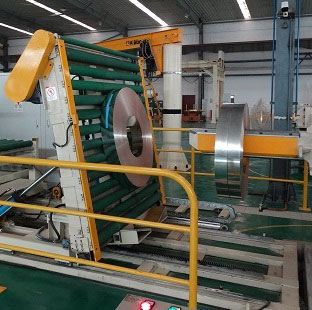
To begin with predictive maintenance for your steel coil packing line, start small by identifying one critical machine for a pilot project, select the right sensors and data platform, train your team on data interpretation, and then expand gradually, focusing on continuous improvement and learning from initial successes. Partnering with experienced technology providers can significantly smooth this transition and accelerate results.
Your Path to a Smarter Packing Line
Starting with predictive maintenance does not have to be an all-or-nothing leap. You can implement it in phases, learning and adapting as you go. Here is a practical roadmap:
- Start with a Pilot Project: Do not try to equip your entire factory overnight. Choose one critical piece of equipment, like your primary steel coil packing machine or a high-wear component within it. This allows you to test the technology, understand the process, and demonstrate early success without a massive initial investment or disruption. Identify what specific problem you want to solve with this pilot – perhaps reducing downtime for a particular motor or improving bearing life.
- Assess Your Current Equipment and Needs: Before buying any sensors, understand your existing machinery. Are your machines new and digitally ready, or older and in need of some retrofitting? What data points are most important for your specific packing line? A good technology partner can help you answer these questions and recommend the right types and numbers of sensors.
- Choose the Right Technology and Partner: There are many predictive maintenance solutions available. Look for systems that are user-friendly, scalable, and provide clear, actionable insights. Crucially, find a partner who understands industrial machinery, especially packing equipment. This is where my own experience comes in. Having built and run a packing machine factory, I know the nuances of these machines. A partner who understands the mechanics, not just the data, can make all the difference. They should offer support not just in selling software but in helping you integrate it and interpret the results.
- Install Sensors and Data Collection Systems: This involves physically attaching sensors to your chosen pilot machine. These sensors will continuously collect data. Ensure the data collection system is reliable and can transmit data securely, whether it is wired or wireless.
- Analyze Data and Act on Insights: Once data starts flowing, you will begin to see patterns. The system will alert you to anomalies. Your maintenance team will need to learn how to interpret these alerts and translate them into planned maintenance actions. This might require some training for your staff.
- Measure and Evaluate Results: After a few months, compare your performance metrics (downtime, maintenance costs, part life) before and after implementing predictive maintenance on your pilot machine. The positive results will build confidence and provide a strong case for expanding the program to other machines.
- Scale Up Gradually: Once your pilot is successful, you can gradually expand the predictive maintenance program to other critical machines in your factory. Prioritize machines that are expensive to repair, cause significant bottlenecks, or have high safety risks.
Remember, the goal is not just to collect data, but to use that data to make smarter, more proactive decisions. It is about transforming your maintenance strategy from reactive guesswork to data-driven precision. This is how you secure long-term reliability for your packing operations.
How Does My Experience Reinforce the Value of Predictive Maintenance?
You have heard about the technical aspects and the benefits. But does this approach truly work in the real world of heavy industry? Can someone who has walked in your shoes, managing a factory floor, truly vouch for the transformative power of predictive maintenance? What insights can I share from my own journey that prove this is not just theory, but a practical path to success?
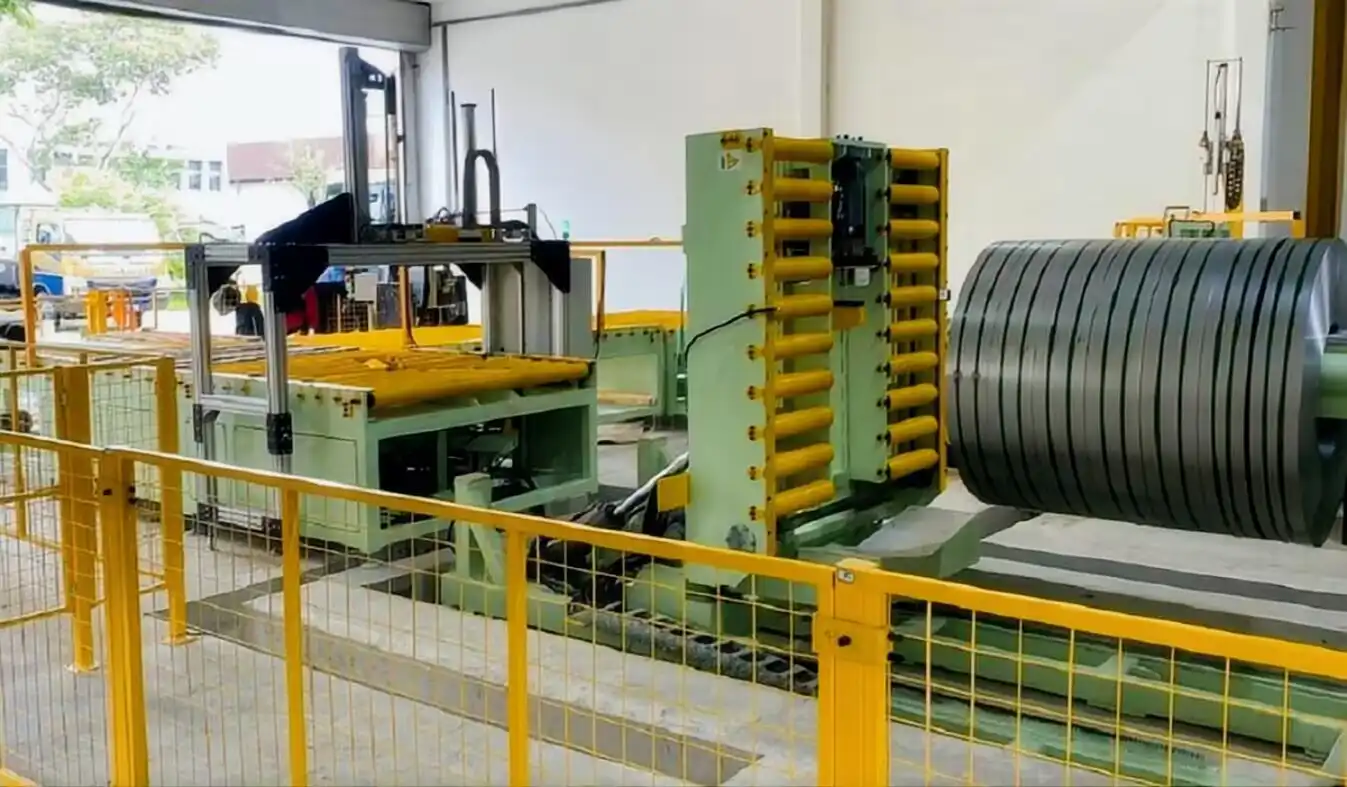
My journey from a packing machine engineer to establishing FHOPEPACK, building a successful factory, and achieving financial independence taught me the non-negotiable value of equipment reliability and operational efficiency, validating that predictive maintenance is essential for avoiding costly downtime, ensuring worker safety, and sustaining business growth. I learned that true success comes from proactive solutions and knowledgeable partnerships.
My Personal Journey: From Factory Floor to FHOPEPACK
My path in the packing machine industry has been long and rewarding. I started as an employee on the factory floor, much like many of your team members. I saw firsthand the struggles: the unexpected breakdowns, the frantic rush to fix machines, the dangers of manual handling of heavy items like steel coils, and the constant pressure to hit production targets. I experienced the frustration of production lines grinding to a halt because a small, unmonitored component failed. I saw the impact on worker morale, safety records, and ultimately, the company’s bottom line.
This direct experience shaped my understanding of what truly matters in industrial operations: reliability, safety, and efficiency. It drove me to not just build machines, but to build reliable machines. When I founded FHOPEPACK and later established my own packing machine factory, these principles were at its core. My financial independence came directly from understanding these needs and providing solutions that truly helped my clients grow their businesses.
One of the biggest lessons I learned was that the upfront cost of quality equipment and intelligent systems is always outweighed by the long-term benefits. Investing in strong, durable equipment that can withstand high-intensity environments, as Michael Chen seeks, is key. But even the best machine needs smart care. That is where predictive maintenance comes in.
I remember times when we would rely on scheduled maintenance. We would shut down a line, open up a machine, and sometimes find that components were still perfectly fine. That was wasted time and money. Other times, a part would fail just days after a scheduled check, leaving us scrambling. It became clear that a more intelligent approach was needed. We started experimenting with monitoring systems, even basic ones at first, to listen to our machines, to understand their health, and to predict their needs.
This experience solidified my belief that true “mastery” in packing machine operations—our FHOPEPACK slogan—comes not just from building robust machines, but from empowering users to keep them running flawlessly. Predictive maintenance embodies this philosophy. It turns your packing line from a black box into a transparent system, telling you its health status and future needs. It means you are not just buying a machine; you are gaining a partner who offers foresight and control. This shift is crucial for dealing with challenges like high labor costs, ensuring safety, reducing product loss, and overcoming supplier trust issues. It is about smart, proactive management that I believe is essential for any factory aiming for sustained growth and profitability.
Conclusion
Predictive maintenance empowers you to control your steel coil packing line’s future, preventing costly downtime, enhancing safety, and significantly extending equipment life. It is a smart investment for lasting efficiency and profit.








