
Which Pallet Inverter Vendor Provides Better Long-Term Support for High-Volume Bottling Lines?
High-volume bottling lines are like the heart of many businesses, especially in the food and beverage industry. When this heart slows down or stops, everything suffers. Pallet handling is a critical part of these operations. I have seen firsthand how much stress managers face when their pallet inverters fail. They worry about delays, lost money, and unhappy customers. It is not just about moving pallets; it is about keeping a steady flow and avoiding costly disruptions.
For high-volume bottling lines, a vendor provides better long-term support when they offer robust, reliable equipment, have a deep understanding of unique operational challenges like diverse pallet types, and provide proactive, comprehensive after-sales service including readily available spare parts and skilled technical assistance.
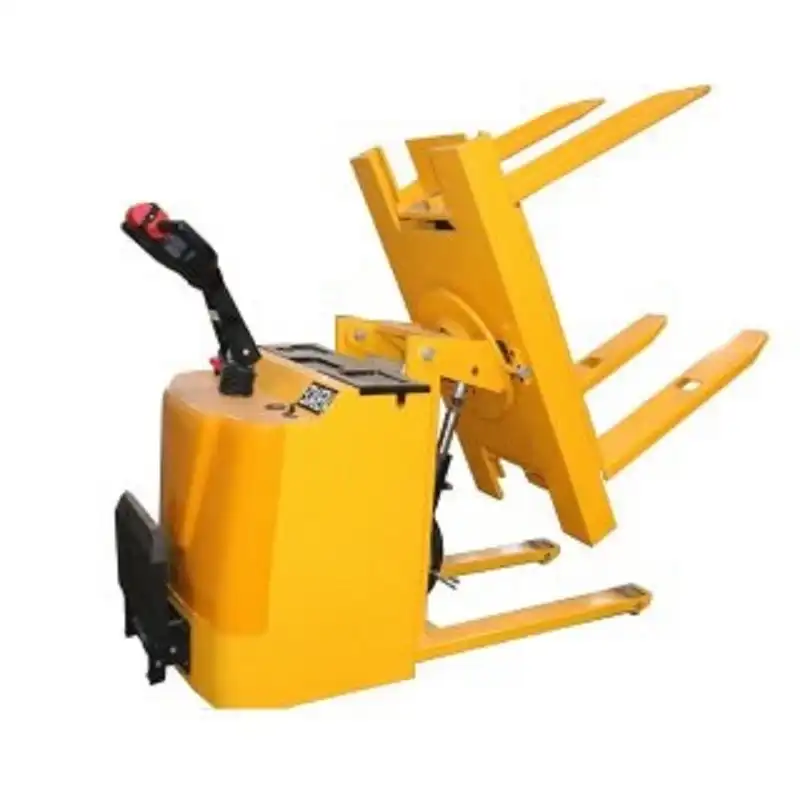
Finding the right partner for your pallet inverter needs is more than just buying a machine. It is an investment in your line’s future. You need a vendor who truly understands the demands of a fast-paced environment. Let’s look at what really makes a difference for long-term success in this crucial area.
How Important is Equipment Reliability for Long-Term Support in Bottling Lines?
Imagine your bottling line running perfectly, churning out thousands of products every hour. Suddenly, a crucial piece of equipment, your pallet inverter, breaks down. Your entire operation grinds to a halt. This is a nightmare scenario I have seen many times. The immediate costs are high, but the long-term damage to your reputation and client trust can be even worse. This is why equipment reliability is not just a feature; it is the foundation of long-term support.
Equipment reliability is paramount for long-term support in high-volume bottling lines because it directly prevents costly downtime, minimizes production losses, and ensures consistent operational efficiency, making it the most critical factor for sustained success.
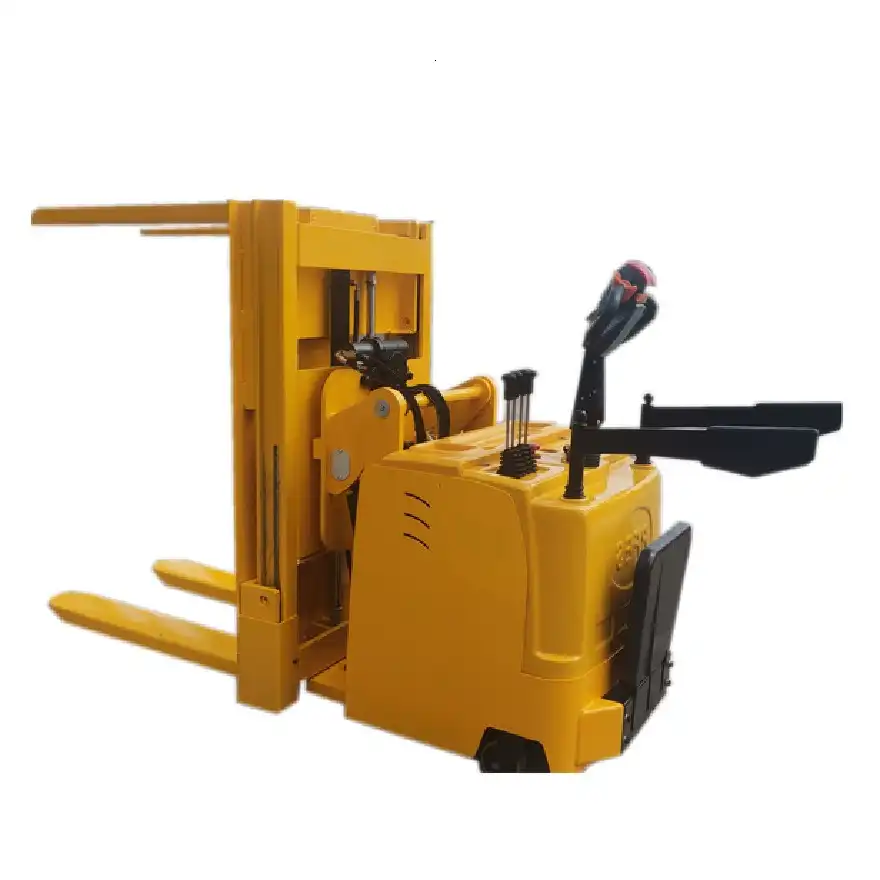
When I first started in the packing machine industry, I learned quickly that a cheap machine often costs more in the long run. My journey from an employee to factory owner taught me this lesson deeply. High-volume environments, like bottling lines, put machines under extreme stress. They operate almost non-stop, often for multiple shifts. A pallet inverter in such a setting needs to be built to last. It must handle thousands of pallet changes daily without fail. If a machine frequently breaks down, even with good service, it still creates problems. The best long-term support starts with equipment that does not need constant fixing. It reduces the need for repairs, saves on spare parts, and keeps your team focused on production, not maintenance. A truly reliable machine means fewer headaches and more profits. It means your team can trust the equipment to do its job, day in and day out. This trust builds efficiency and peace of mind.
Here is what defines a truly reliable pallet inverter:
-
Robust Construction Materials:
- High-Strength Steel: The machine frame and critical moving parts must use industrial-grade, heavy-duty steel. This prevents bending or cracking under constant load.
- Corrosion Resistance: For bottling lines, especially in food and beverage, hygiene is key. Materials must resist rust and corrosion from spills or cleaning agents. Stainless steel parts are often a good choice for critical contact points.
- Quality Bearings and Components: Cheap bearings wear out fast. Look for reputable brands in motors, hydraulics, and electrical components. These parts are the workhorses of the machine.
-
Engineered for Continuous Operation:
- Duty Cycle Rating: Understand the machine’s intended use. A high-volume line needs a machine designed for continuous, heavy-duty cycles, not intermittent use.
- Overload Protection: Good systems have built-in safeguards to prevent damage from accidental overloads or incorrect operation. This extends component life.
- Heat Management: Motors and hydraulic systems generate heat. Proper cooling and ventilation are important to prevent overheating and premature failure.
-
Simple, Durable Design:
- Fewer Moving Parts: A simpler design often means less can go wrong. Complex mechanisms increase potential failure points.
- Easy Access for Maintenance: While a reliable machine needs less maintenance, when it does, it should be easy to access internal components. This saves time and effort during routine checks or repairs.
- Proven Technology: While innovation is good, cutting-edge untested technology can be risky in critical production environments. Proven designs with a track record of reliability are often a safer bet for long-term performance. My own experience building machines showed me that refining existing designs often leads to the most dependable products.
Can a Vendor Truly Understand the Unique Challenges of High-Volume Bottling Operations?
Many companies sell machines, but few truly understand the daily pressures faced by a logistics manager in a high-volume bottling plant. I have walked those factory floors myself. I have seen the challenges of managing diverse pallet types, tight schedules, and the constant demand for speed. A vendor who gets this understands your real needs. They do not just sell you a machine; they offer a solution that fits your specific operation. This deep understanding is a cornerstone of long-term support.
A vendor truly understands the unique challenges of high-volume bottling operations when they listen actively to specific pain points like varied pallet specifications and labor shortages, offer customized solutions, and demonstrate prior experience in similar fast-paced environments.
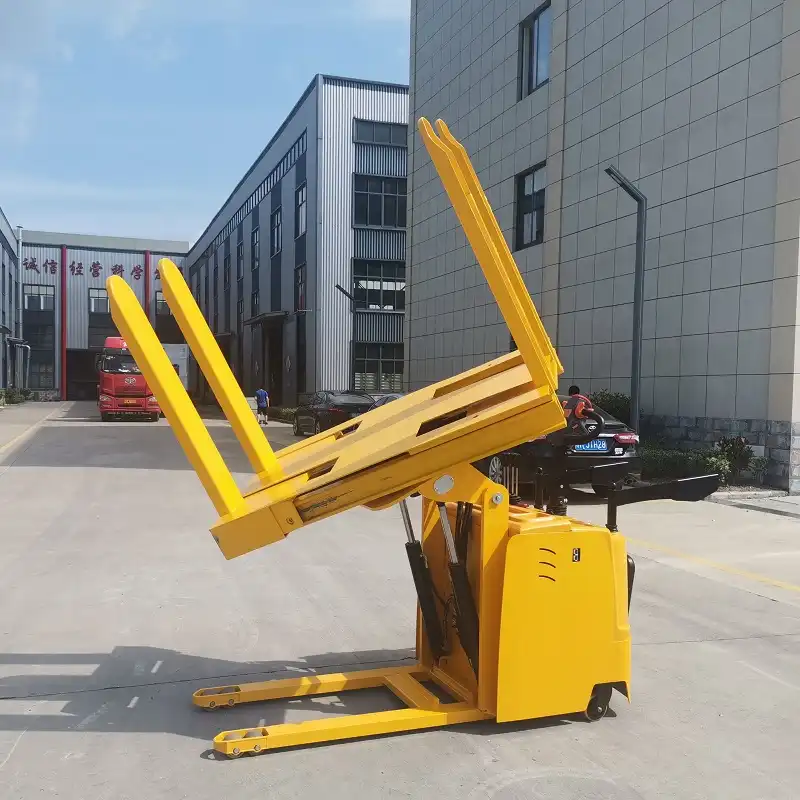
When I started my own packing machine factory, I made sure my team and I spent time on the factory floor. We talked to operators, supervisors, and managers. This allowed us to see their daily struggles. For a bottling line, one major challenge is pallet diversity. You might deal with Euro pallets for exports, US pallets for domestic distribution, and plastic pallets for hygiene-sensitive products. Each type has different sizes and weights. An effective vendor knows this is not a one-size-fits-all problem. They will offer a pallet inverter that adapts to these different types without extensive manual adjustments. They also know that labor is expensive and often hard to find. So, their solutions focus on automation to reduce manual handling. This not only cuts costs but also improves safety. They understand that every second saved in pallet switching adds up in a high-volume setting. This kind of vendor insight comes from experience, not just sales brochures.
Here is how a vendor shows true understanding of your operational context:
-
Active Listening and Needs Assessment:
- Detailed Site Visits: The best vendors visit your facility. They observe your current workflow, identify bottlenecks, and ask specific questions about your pallet types, volume, and existing challenges. They do not just push a standard product.
- Understanding Regional Standards: For international operations, knowing about Euro, US, and other regional pallet standards is vital. A good vendor knows these differences and offers machines that can handle them. For example, my clients in Europe often need machines that easily switch between Euro and plastic pallets.
- Quantifying Pain Points: They help you quantify the cost of your current problems. This includes labor costs for manual pallet changes, time lost due to inefficient processes, and safety incident costs.
-
Customization and Adaptability:
- Flexible Machine Design: They offer pallet inverters that can be adjusted for different pallet sizes and materials quickly. This could mean adjustable clamps or programmable settings.
- Modular Solutions: Sometimes, a single machine is not enough. A vendor might suggest a modular system that can be expanded or modified as your needs change. This future-proofs your investment.
- Integration with Existing Lines: A good solution integrates seamlessly with your current bottling or conveying lines. It should not be a standalone piece of equipment that creates more work to manage.
-
Industry-Specific Experience:
- Case Studies and References: Ask for examples of their work in similar high-volume bottling or food processing environments. Real-world examples show they have faced and solved these problems before.
- Knowledge of Regulatory Compliance: In the food and beverage industry, hygiene and safety regulations are strict. A knowledgeable vendor understands these rules and ensures their equipment meets them. This prevents future compliance issues.
- Problem-Solving Approach: Instead of selling a product, they sell a solution to your specific problem, whether it is increasing throughput, improving safety, or reducing labor costs. This is the difference between a salesperson and a partner.
What Does “Comprehensive After-Sales Service” Really Mean for Pallet Inverters?
When you invest in a pallet inverter for a high-volume bottling line, the purchase price is only one part of the equation. What happens after the machine is installed? This is where long-term support truly shines. “Comprehensive after-sales service” means more than just a warranty. It means a vendor stands by their product, helps you keep it running efficiently, and responds quickly when things go wrong. Without it, even the best machine can become a liability.
For pallet inverters, comprehensive after-sales service means providing readily available spare parts, prompt and skilled technical support, clear maintenance schedules, and effective operator training to minimize downtime and ensure the equipment operates at peak performance throughout its lifespan.
My experience building and running a factory taught me that a broken machine is a useless machine. No matter how good it was when new, if you cannot fix it quickly, it costs you money. When I sell a machine, I think about its entire life cycle. I make sure my clients have access to what they need, when they need it. For pallet inverters in bottling lines, this means spare parts must be easy to order and delivered fast. Imagine losing production for days because a simple part is back-ordered. This is unacceptable. Good service also includes responsive technical support. Can you call someone who understands your problem and guide you through a fix? Or send a technician quickly if needed? Training your operators and maintenance staff is also part of this. They need to know how to use the machine correctly and perform basic maintenance. This proactive approach prevents many small issues from becoming big problems.
Here are the key elements of truly comprehensive after-sales service:
-
Spare Parts Availability and Logistics:
- Local Stock or Fast Shipping: Critical spare parts should be available either locally or through a highly efficient shipping network. Discuss average lead times for common wear parts and major components.
- Clear Parts Catalog: The vendor must provide a clear, easy-to-understand parts catalog with diagrams and part numbers. This makes ordering correct parts simple and fast.
- Recommended Spares List: A proactive vendor will provide a list of recommended spare parts to keep on hand based on your machine’s usage and common wear patterns. This minimizes unexpected downtime.
-
Technical Support and Maintenance:
- Responsive Helpdesk: Access to knowledgeable technical staff who can troubleshoot issues over the phone or via video call. This can solve many problems without a site visit.
- On-Site Technicians: For complex issues, the vendor should have a network of qualified technicians who can be dispatched quickly to your location. In Europe, especially, local support can vary greatly.
- Preventative Maintenance Programs: Offerings like scheduled inspections and maintenance contracts can extend machine life and prevent costly breakdowns. This shifts from reactive fixes to proactive care.
- Software Updates: For automated systems, ensure the vendor provides regular software updates that improve performance, add features, or fix bugs.
-
Training and Documentation:
- Operator Training: Thorough training for your staff on how to safely and efficiently operate the pallet inverter. This includes daily checks and basic troubleshooting.
- Maintenance Training: Training for your maintenance team on routine tasks, minor repairs, and understanding diagnostic codes. This empowers your team to handle small issues in-house.
- Clear Manuals: Comprehensive, easy-to-understand operation and maintenance manuals. These documents are crucial for reference and training new staff members. Good documentation is often overlooked but extremely valuable.
How Do Flexible Solutions Impact the Longevity and Adaptability of Your Packing Machine Investment?
In the dynamic world of logistics and bottling, what works today might not be enough tomorrow. Market demands change, product lines evolve, and new pallet standards emerge. An investment in a packing machine, especially a pallet inverter, needs to offer flexibility. If your equipment cannot adapt, it quickly becomes obsolete. This reduces its lifespan and forces new, unplanned investments. Flexible solutions ensure your initial investment continues to serve your business for many years, making it a truly long-term asset.
Flexible solutions greatly impact the longevity and adaptability of your packing machine investment by allowing the equipment to handle diverse pallet types, integrate with evolving production lines, and accommodate future operational changes, thereby maximizing its service life and return on investment.
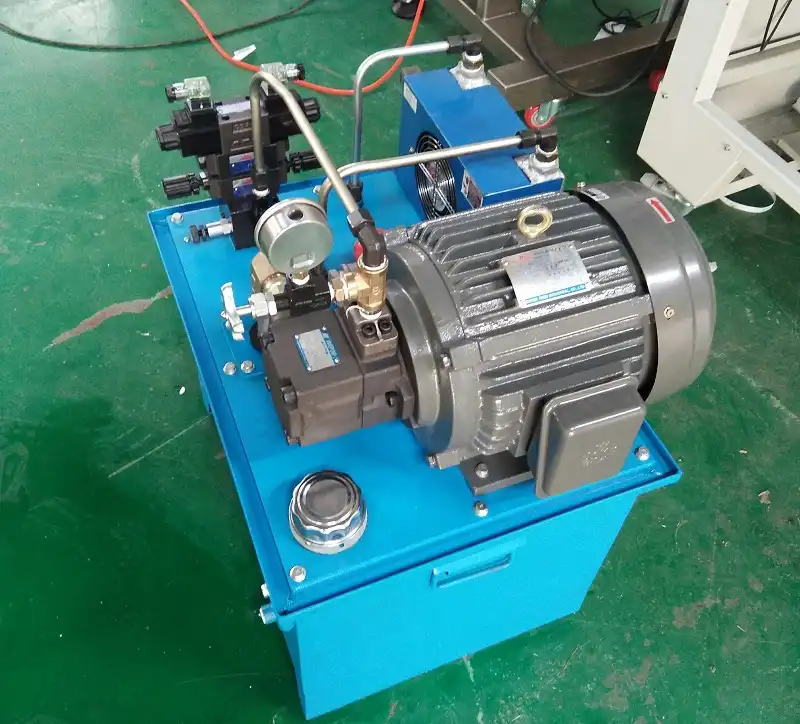
When I advise clients, I always tell them to think beyond today’s needs. I have seen companies buy equipment that perfectly met their immediate requirements, only to find it unsuitable a few years later. For example, a bottling line might suddenly need to export to a new market with different pallet standards. If their pallet inverter cannot handle the new pallet size or type, they have a big problem. A flexible solution means the machine can be easily adjusted or upgraded. This could involve quick-change tooling for different pallet sizes, or a modular design that allows for future additions like automated loading or unloading systems. It also means the machine can integrate with different levels of automation. Perhaps you start with a semi-automatic system and later upgrade to fully automatic. This adaptability prevents you from having to replace entire systems. It protects your initial capital outlay and gives you peace of mind that your investment will grow with your business.
Consider these aspects of flexible solutions:
-
Adaptability to Pallet Variations:
- Multi-Standard Compatibility: The machine should handle a range of pallet sizes (e.g., Euro, US, industrial) and materials (wood, plastic, metal) without significant retooling or lengthy changeovers. This is crucial for international trade.
- Adjustable Clamp or Pressures: The ability to adjust clamping pressure and opening sizes means the machine can gently handle sensitive goods while securely holding heavy loads.
- Programmable Settings: Easy-to-change settings for different pallet types or product weights. This allows operators to switch between tasks quickly, increasing efficiency.
-
Scalability and Future Integration:
- Modular Design: Can the core machine be integrated into a larger automated system later? For example, can it be linked with conveyors, robotics, or palletizers down the line? This allows for phased automation.
- Open Control Systems: Machines with standard industrial control systems (PLCs) are easier to integrate with other factory systems. Proprietary systems can lock you into a single vendor for future upgrades.
- Capacity Upgrades: Is there an option to upgrade components (e.g., motors, hydraulics) to handle higher throughput or heavier loads if your production increases?
-
Ease of Repurposing or Relocation:
- Mobile or Semi-Mobile Options: For some operations, a mobile pallet inverter can be moved between different lines or warehouses. This adds immense flexibility to your facility layout.
- Minimal Footprint: A compact design that does not consume excessive floor space. This is important in crowded factory environments and allows for more flexible placement.
- Simple Installation and Commissioning: A machine that is relatively easy to install and set up reduces initial costs and makes future relocation or reconfiguration less daunting. When I design machines, I always think about how easily they can be moved or fitted into different spaces.
Conclusion
Choosing a pallet inverter vendor for high-volume bottling lines requires looking beyond just the machine itself. Focus on a partner who offers robust reliability, deep industry understanding, comprehensive after-sales support, and flexible solutions. These factors ensure your pallet inverter investment provides value for years, keeping your operations smooth and efficient.








