
What Cost Factors Matter Most When Purchasing a Pallet Inverter for Dairy Operations?
Working in the packing machine industry for many years, I have seen too many businesses struggle with inefficient operations. The pressure to deliver quickly, keep costs low, and ensure safety is immense. For those in dairy operations, these challenges are even greater. Your products have short shelf lives and demand strict hygiene. This means every part of your supply chain, especially pallet handling, must be perfect. If you are a logistics manager like Carlos, you know that mistakes or delays here can mean big losses. You are not just buying a machine. You are investing in the heart of your operation.
When you are buying a pallet inverter for dairy operations, the most important cost factors go far beyond the initial purchase price. These include the machine’s reliability and durability, how much it saves you in labor and operational efficiency, the safety improvements it brings, and the long-term support and maintenance from the supplier. For dairy, specifically, you must also consider hygiene, speed, and how well the machine handles different pallet types for a smooth, compliant, and cost-effective operation.
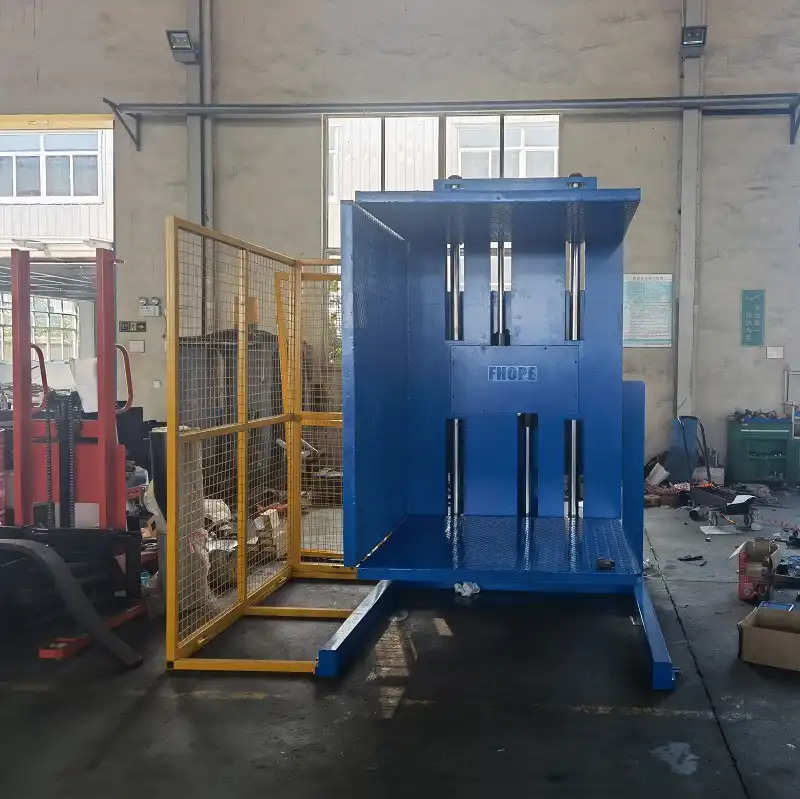
Many people focus only on the sticker price. They think a cheaper machine is a better deal. But I have learned from my journey, from an employee to owning a packing machine factory, that this thinking often leads to more costs down the road. True value comes from understanding the full picture. Let us look at what really matters.
Does the upfront cost define your total investment?
Many times, I see companies get excited by a low price tag. They think they are saving money. But in the world of high-volume dairy logistics, this can be a big mistake. The initial purchase price is just one small part of your total investment. If you are managing thousands of pallets daily, as many in the dairy sector do, you need equipment that performs day in and day out. A cheap machine might fail often, costing you much more in the long run.
The upfront cost of a pallet inverter does not define your total investment. Your real investment includes the machine’s purchase price, its expected lifespan, how much it costs to run, and its ability to adapt to your changing needs. For dairy operations, factors like durable construction for hygiene, consistent performance in demanding environments, and flexibility with various pallet types are crucial long-term value points.
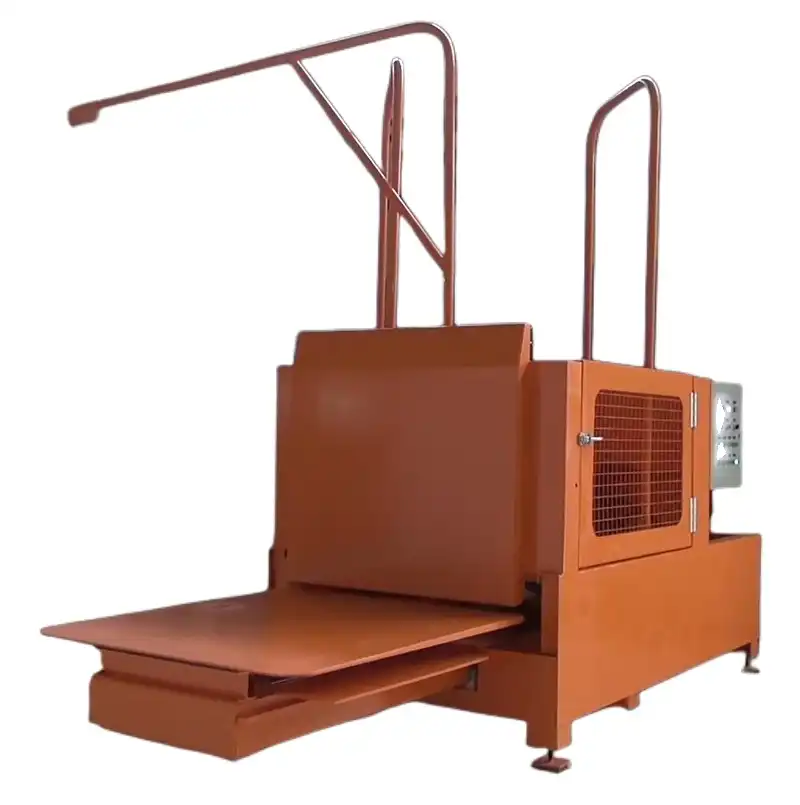
From my experience helping many clients grow their businesses, I have seen how a focus on long-term value pays off. When I first started in this industry, I thought success was about selling many machines. But I learned it is about selling the right solution. You need a machine that is built to last. This is especially true in dairy operations where speed and hygiene are paramount. The machine needs to handle different pallet types, such as Euro pallets, US pallets, or plastic pallets, without causing delays. It also needs to be easy to clean to meet strict food safety rules. A machine that breaks down often or cannot handle your daily volume will quickly eat into any initial savings you made. This is why you need to look at more than just the price.
-
Machine Durability and Build Quality:
- Good machines use strong materials. This means they last longer.
- Look for stainless steel in dairy. It is easy to clean. It stops rust.
- Strong parts mean fewer breakdowns. This saves repair costs.
- Example: I once helped a client who bought a cheaper inverter. It broke down every month. The dairy products sat waiting. They lost more money from spoiled goods than they saved on the machine. We replaced it with a heavy-duty model. It cost more upfront. But it saved them hundreds of thousands in lost product and repairs.
-
Adaptability to Pallet Types and Loads:
- Dairy operations handle many pallet sizes. Euro, US, plastic pallets are common.
- The inverter must switch between these easily. It should not need manual adjustments.
- It must handle different product weights. Dairy products are heavy.
- This flexibility keeps your lines moving. It avoids bottlenecks.
-
Expected Lifespan and Resale Value:
- A high-quality machine works for many years. It gives a good return on investment.
- Good brands hold their value. You can sell them later if you upgrade.
- A cheap machine might need replacing fast. This means you buy twice.
-
Energy Consumption:
- All machines use power. Some use more than others.
- Check the energy rating. Lower power use saves money daily.
- Over years, this adds up to big savings.
| Cost Factor | Why It Matters for Dairy Operations | Short-Term vs. Long-Term Impact |
|---|---|---|
| Initial Purchase Price | Base cost. Must fit budget. | Short-term: Direct cash outflow. |
| Build Quality & Materials | Essential for hygiene, heavy loads, continuous operation. | Long-term: Reduces repairs, increases lifespan, ensures food safety. |
| Adaptability (Pallet Types) | Handles Euro, US, plastic pallets. Crucial for exports and varied supply. | Long-term: Prevents delays, increases flexibility, avoids manual intervention. |
| Energy Efficiency | Powers the machine daily. | Long-term: Reduces operational utility bills significantly. |
| Expected Lifespan | How long the machine will work effectively. | Long-term: Spreads investment cost over more years, better ROI. |
How do operational savings impact your bottom line?
When I started my factory, I learned quickly that costs are not just about buying things. They are about how you use them every day. For a warehouse and logistics manager like Carlos, the real savings come from how a pallet inverter changes your daily operations. We are talking about reducing manual labor, speeding up processes, and cutting down on errors. These things directly affect your profit.
Operational savings impact your bottom line significantly by reducing labor costs, increasing throughput, and minimizing errors in your pallet handling process. For dairy operations, where speed and efficiency are critical for product freshness, an automated pallet inverter can shorten cycle times, allow staff to focus on higher-value tasks, and ensure smooth, continuous flow of thousands of pallets daily, directly boosting your overall profitability.
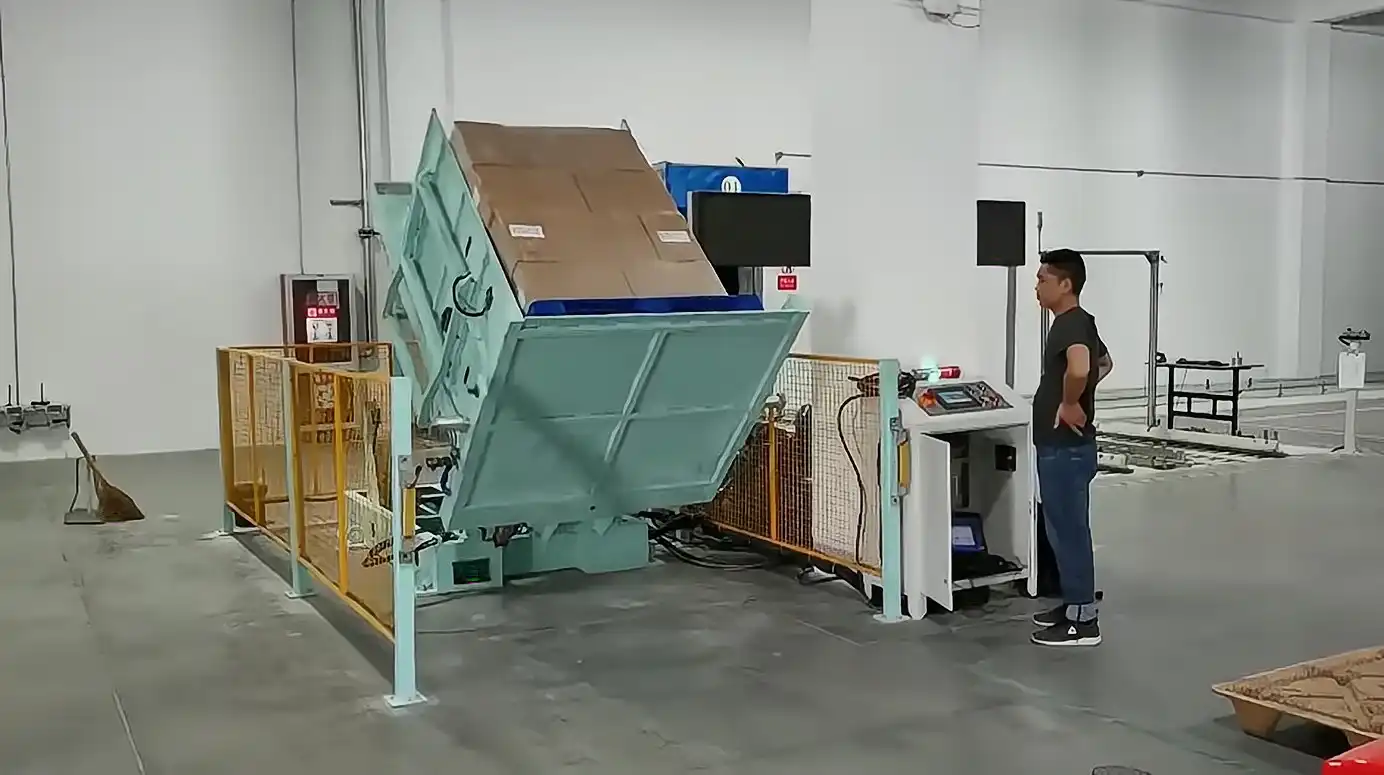
I have seen countless factories where workers spend hours manually changing pallets. It is slow, tiring, and prone to mistakes. This is a huge hidden cost. Think about Carlos’s situation in Spain, managing a multinational food and beverage group. He deals with thousands of pallets daily, often needing to switch between Euro and US standards for export. If this process is manual, it will quickly lead to delays, higher labor costs, and unhappy customers. An automatic pallet inverter can change pallets in minutes, not hours. This frees up staff for other important tasks. It means fewer people needed for strenuous work, which is important given labor shortages and rising wages. The machine works faster, so more pallets move through your system each hour. This speed keeps your products fresh and gets them to market on time. This is where a smart investment truly pays off.
-
Labor Cost Reduction:
- Manual pallet changes need many workers. These workers cost money.
- An automatic inverter can do the job of several people.
- This means you can have fewer staff doing heavy lifting.
- The remaining staff can do more skilled work.
- Fact: Labor costs keep rising. Investing in automation is a way to control this.
-
Increased Throughput and Efficiency:
- Machines work faster than people for repetitive tasks.
- A pallet inverter can change pallets much quicker.
- This means your warehouse can process more pallets in the same amount of time.
- Higher throughput helps meet tight delivery schedules. This is critical for dairy products.
- It avoids bottlenecks in your receiving or shipping areas.
-
Reduced Product Damage and Errors:
- Manual handling of pallets can lead to products falling or getting damaged.
- Machines perform tasks consistently. They make fewer mistakes.
- Less damage means less waste. It saves money on spoiled goods.
- Accurate pallet changes mean fewer wrong shipments. This keeps customers happy.
- My Story: Early in my career, I saw a client lose a whole truckload of milk cartons due to a poorly executed manual pallet transfer. It was a huge financial hit. That experience taught me the value of precise, automated handling.
-
Space Utilization:
- Some pallet inverters are compact. They save floor space in your warehouse.
- Efficient use of space means you can store more products.
- This avoids needing larger, more expensive warehouse facilities.
| Operational Benefit | Direct Impact on Bottom Line | Relevance for Dairy Operations |
|---|---|---|
| Reduced Manual Labor | Lower wage expenses, fewer hiring challenges, better staff allocation. | Address labor shortages, reduce physical strain, improve workforce morale. |
| Faster Pallet Switching | Increased daily processing capacity, reduced lead times. | Essential for fresh product delivery, meeting tight market windows. |
| Minimized Product Damage | Less waste, fewer rejections, higher product quality delivered. | Protects perishable goods, maintains brand reputation, avoids financial losses. |
| Improved Workflow Consistency | Predictable operations, fewer unplanned stops, smoother supply chain. | Ensures reliable delivery schedules, especially for export. |
| Optimized Space & Layout | Potentially smaller footprint, better organization, more storage. | Maximize use of expensive cold storage space. |
What is the true cost of safety and compliance?
Safety is not just a buzzword. It is a critical part of running any successful operation, especially in a busy dairy warehouse. When I built my factory, safety was always a top priority. I saw firsthand the terrible consequences of accidents. For a manager like Carlos, who is responsible for many people and valuable products, safety issues can be devastating. They lead to injuries, fines, and a bad reputation.
The true cost of safety and compliance for a pallet inverter extends beyond initial safety features. It includes preventing accidents, avoiding potential fines for non-compliance, maintaining employee morale, and protecting your brand’s reputation. For dairy operations, mechanical handling eliminates the high risks associated with manual pallet turning, significantly reducing the likelihood of product damage, worker injury, and costly legal or insurance claims.
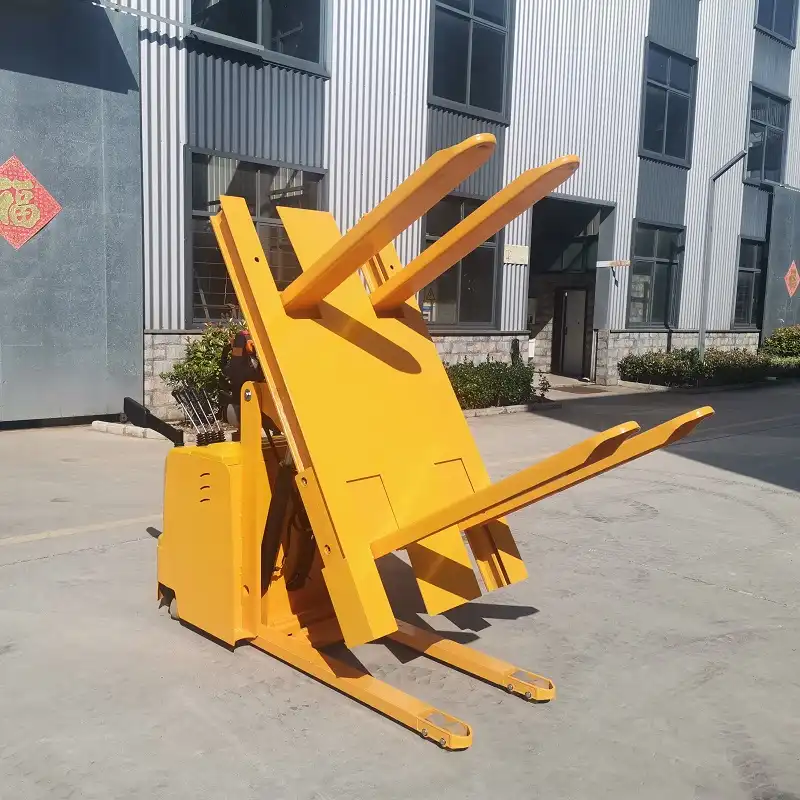
Carlos’s experience in warehousing highlights a critical point: manual pallet handling often involves workers flipping heavy pallets by hand. This is incredibly dangerous. He mentioned it already led to several accidents. Think about the costs of just one injury. There are medical bills, lost work time, potential legal fees, and increased insurance premiums. Beyond the money, there is the human cost of suffering and the drop in team morale. A reliable pallet inverter removes this danger completely. It handles heavy loads safely and predictably. This protects your workers. It also helps you meet strict safety standards and food hygiene regulations, which are vital for dairy products. Compliance avoids fines and ensures your products can be exported without issues. Investing in safety is not an expense. It is a smart investment in your people and your business’s future.
-
Reduced Risk of Worker Injury:
- Manual pallet handling is a major cause of injuries.
- These injuries lead to medical costs, lost workdays, and insurance claims.
- An automatic inverter removes people from dangerous tasks.
- This keeps your team safe and productive.
- Personal Lesson: In my early days, I witnessed a serious back injury from manual lifting. It affected not just the worker, but the whole team’s morale. I promised myself to prioritize automated solutions that protect people.
-
Compliance with Regulations:
- Many countries have strict safety and hygiene rules for food processing.
- Dairy operations face specific demands for cleanliness and material handling.
- A well-designed inverter helps you meet these rules.
- This avoids fines and legal problems.
- It also ensures your products meet international export standards.
-
Protection Against Product Damage and Spoilage:
- Poor handling can damage products or lead to contamination.
- In dairy, this means spoiled goods and wasted inventory.
- An inverter handles pallets smoothly. It reduces impact and risk of damage.
- This keeps your products intact and hygienic.
-
Insurance Costs and Reputation:
- A good safety record can lower your insurance premiums.
- Fewer accidents mean fewer claims.
- A safe workplace also builds a good reputation.
- This helps attract and keep good employees. It shows you care about your people.
| Safety & Compliance Factor | Direct Cost Impact | Benefit for Dairy Operations |
|---|---|---|
| Worker Injury Prevention | Avoids medical bills, legal costs, lost productivity, higher premiums. | Protects employees from strenuous and dangerous manual tasks, improves morale. |
| Regulatory Adherence | Prevents fines, legal actions, business interruptions. | Ensures food safety standards, avoids recall risks, supports export compliance. |
| Product Integrity | Reduces waste from damage, maintains quality, protects revenue. | Critical for perishable dairy products, maintains customer trust. |
| Reputation & Morale | Improves employee retention, attracts talent, strengthens brand image. | Positions the company as responsible, enhances internal and external perception. |
Can you afford to overlook long-term support and scalability?
When you buy a piece of machinery, it is not a one-time transaction. It is the start of a relationship, especially for a key piece of equipment like a pallet inverter in a busy dairy operation. From my years building FHOPEPACK, I have learned that reliable support after the sale is just as important as the machine itself. Carlos wants a long-term partner, not just a seller. This is a very smart approach.
You cannot afford to overlook long-term support and scalability when purchasing a pallet inverter. These factors ensure your machine stays operational, adapts to future growth, and maintains its value over time. For dairy operations, consistent, rapid technical support and access to spare parts are essential to prevent costly downtime, while the ability to integrate with future automation keeps your facility competitive and efficient.
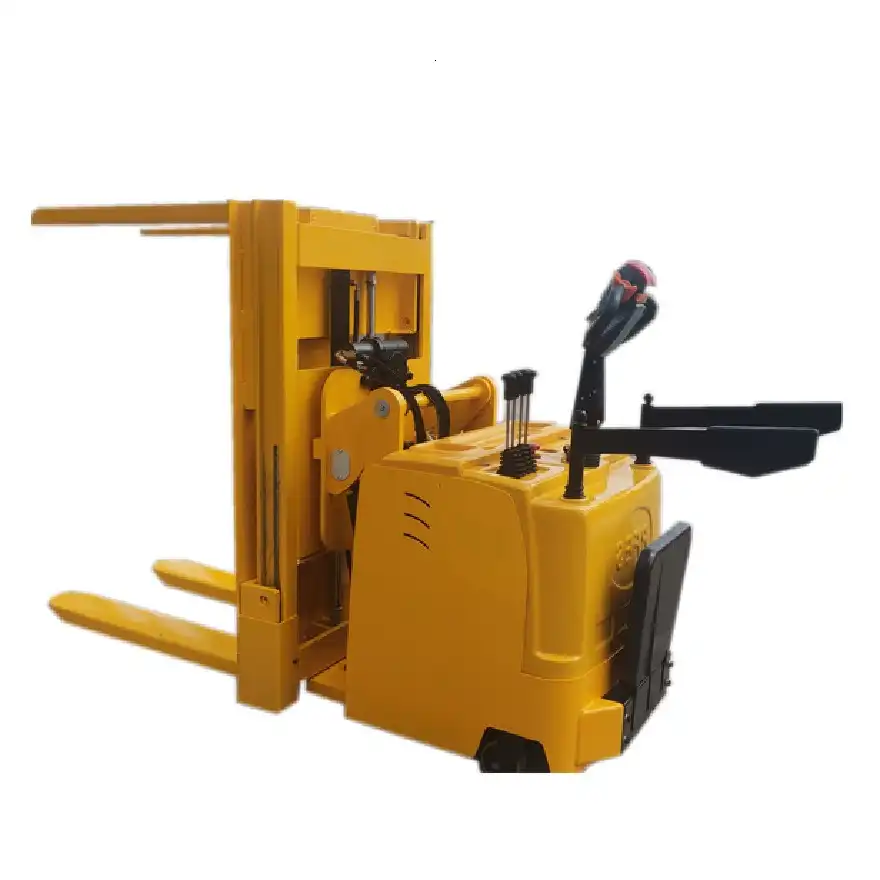
Think about what happens if your pallet inverter breaks down. Every minute it is not working, your dairy products are sitting still. This costs you money, risks spoilage, and creates delays. You need a supplier who can respond fast, offer clear advice, and provide the right spare parts quickly. This is where a true partner shines. Beyond repairs, you also need to think about the future. Will your new machine fit into a more automated system if you expand? Can it handle increased volumes? A good supplier will help you plan for growth. They will offer solutions that can scale with your business. This means your initial investment keeps giving you returns for many years, even as your needs change. This long-term thinking is what separates successful companies from those always struggling.
-
After-Sales Service and Technical Support:
- Machines need maintenance. They can sometimes break down.
- You need fast, reliable support from your supplier.
- Can they answer questions quickly? Do they have skilled technicians?
- Crucial for Dairy: Downtime is very costly due to perishable goods. Fast repairs are essential.
- I always tell my clients, the best machine is useless if you cannot get it fixed.
-
Availability of Spare Parts:
- Parts wear out. You will need replacements over time.
- Does the supplier keep parts in stock? Can they ship fast?
- Waiting weeks for a part can halt your entire operation.
- This is a hidden cost many buyers forget.
-
Warranty and Guarantees:
- A good warranty protects your investment. It covers defects.
- Understand what is covered and for how long.
- A strong guarantee shows the supplier trusts their product.
-
Scalability and Future Integration:
- Your business will grow. Your needs might change.
- Can the inverter handle higher volumes later?
- Can it connect with other automated systems you might add?
- Choosing a system that can grow with you saves you from buying new equipment too soon.
- This forward-thinking approach makes your investment future-proof.
- Carlos’s Goal: He wants to increase automation. A scalable inverter will help him achieve this goal.
| Support & Scalability Factor | Impact on Dairy Operations | Long-Term Value Creation |
|---|---|---|
| Technical Support Quality | Minimizes downtime, ensures rapid problem resolution, maintains workflow. | Reduces operational risks, protects investment, builds trust. |
| Spare Parts Availability | Guarantees quick repairs, prevents extended production stoppages. | Essential for continuous operation, avoids costly delays and potential spoilage. |
| Warranty & Service Plans | Provides financial protection against unexpected failures, planned maintenance. | Lowers total cost of ownership, ensures consistent machine performance. |
| Scalability for Growth | Adapts to increased demand, integrates with future automation. | Future-proofs investment, avoids premature replacement, supports business expansion. |
| Supplier Relationship | Partner who understands your needs, offers ongoing solutions. | Beyond just a machine, gains an expert resource for operational improvements. |
Conclusion
Choosing a pallet inverter for dairy operations means looking beyond just the price tag. You must consider total investment, operational savings, safety, and long-term support. These factors are critical for efficiency, cost control, and business growth.








