
Which Pallet Inverter Type Suits Warehouse Engineers Handling Mixed Pallet Sizes?
The world of logistics moves fast. If you are a warehouse engineer, you know the pain of managing different pallet sizes. You might be dealing with Euro pallets, American pallets, or even various plastic types. These differences can slow down your operations. They can also lead to costly mistakes. I have seen this problem many times in my journey through the packing machine industry. It is a real challenge for businesses, especially those in fast-paced sectors like food and beverage distribution.
For warehouse engineers facing mixed pallet sizes, a versatile pallet inverter is essential. The best types offer adjustable clamping and side-shifting features. They can handle various dimensions and materials. These machines also need to be robust for heavy loads and continuous operation. This ensures high efficiency, improved safety, and reduced labor costs.
This challenge is not just about moving goods. It is about keeping your operations smooth and your customers happy. I have learned that the right equipment can make all the difference. Let’s explore how to choose the perfect pallet inverter. We will look at what makes some types better than others for your specific needs.
Why are mixed pallet sizes a recurring headache for warehouse operations?
Managing different pallet sizes can feel like a constant battle. It often leads to bottlenecks and higher costs. You might experience delays in shipping. Goods can also get damaged more easily. This problem affects daily operations, especially in international logistics.
Mixed pallet sizes create significant operational inefficiencies and safety risks. They force manual handling, cause inventory issues, and slow down truck loading and unloading. This leads to increased labor costs and potential fines from delayed shipments.
When I first started in the packing machine industry, I saw many factories struggling with this. They would have different pallets for incoming materials and outgoing products. For example, some suppliers would use sturdy wooden pallets. Others would use lighter plastic ones. Then, international shipments needed specific Euro or American standard pallets. It created a complex puzzle. My early work taught me that every minute spent on inefficient pallet handling costs money. It also puts stress on the warehouse team. This is why I am so passionate about sharing solutions that make this process easier and safer.
-
Increased Manual Labor and Time ⏳:
- Warehouse staff often spend valuable time manually transferring goods from one pallet type to another. This is especially true for companies like the one Carlos manages, dealing with thousands of pallets daily for exports. Each manual transfer takes time. It slows down the entire dispatch process. This human intervention directly impacts the speed of goods movement. It also adds to labor costs. In today’s market, finding skilled labor for high-intensity tasks is hard. The rising cost of labor means businesses must find ways to reduce manual work. Automating pallet changes directly addresses this. It frees up staff for other important tasks.
- Example: A warehouse needs to ship products from an American-sized pallet to a Euro pallet for a European client. Manually, this involves two or more workers. They might use a forklift to move the goods. Then, they transfer them by hand or with a manual lifter. This process can take several minutes per pallet. For thousands of pallets, this adds up to many hours each day. This slows down order fulfillment. It creates a backlog in the shipping department.
-
Higher Risk of Damage and Accidents ⚠️:
- Manual pallet transfers are dangerous. There is a high risk of products falling during the transfer. This leads to damaged goods and financial losses. More importantly, it puts employees at risk of injury. Incidents like these can result in costly medical bills. They also lead to workers’ compensation claims. These events disrupt operations. They also lower team morale. Carlos’s concern for safety is well-founded. A single accident can have a big impact on a company’s bottom line and reputation.
- Example: Workers might try to use forklifts to carefully tilt a loaded pallet. This is done to slide another pallet underneath. This method is risky. It can cause the load to shift or even topple over. If a heavy box falls, it could injure a worker. It could also damage high-value products. These accidents not only cause delays but also increase insurance premiums and lead to potential legal issues.
-
Compliance Issues and Customer Dissatisfaction 📉:
- Different countries and industries have strict rules for pallet dimensions. Not following these rules can lead to rejected shipments. It can also result in hefty fines. When shipments are delayed or rejected, it frustrates customers. This is especially true for e-commerce and retail clients. They expect quick deliveries. Meeting these diverse requirements manually is difficult. It is also prone to errors. An automated solution ensures consistent compliance. This keeps customers happy and avoids penalties.
- Example: A food and beverage group in Europe ships products to various countries. Each country has specific import regulations regarding pallet types. If an American-sized pallet arrives in a country that only accepts Euro pallets, customs may reject the shipment. This leads to delays, return shipping costs, and potential contract penalties. This directly harms customer relationships and the company’s reputation.
What specific pallet inverter features address diverse pallet dimensions and types?
Finding the right pallet inverter means looking for specific features. These features must allow the machine to handle many different pallet sizes. This is key for efficient warehouse operations.
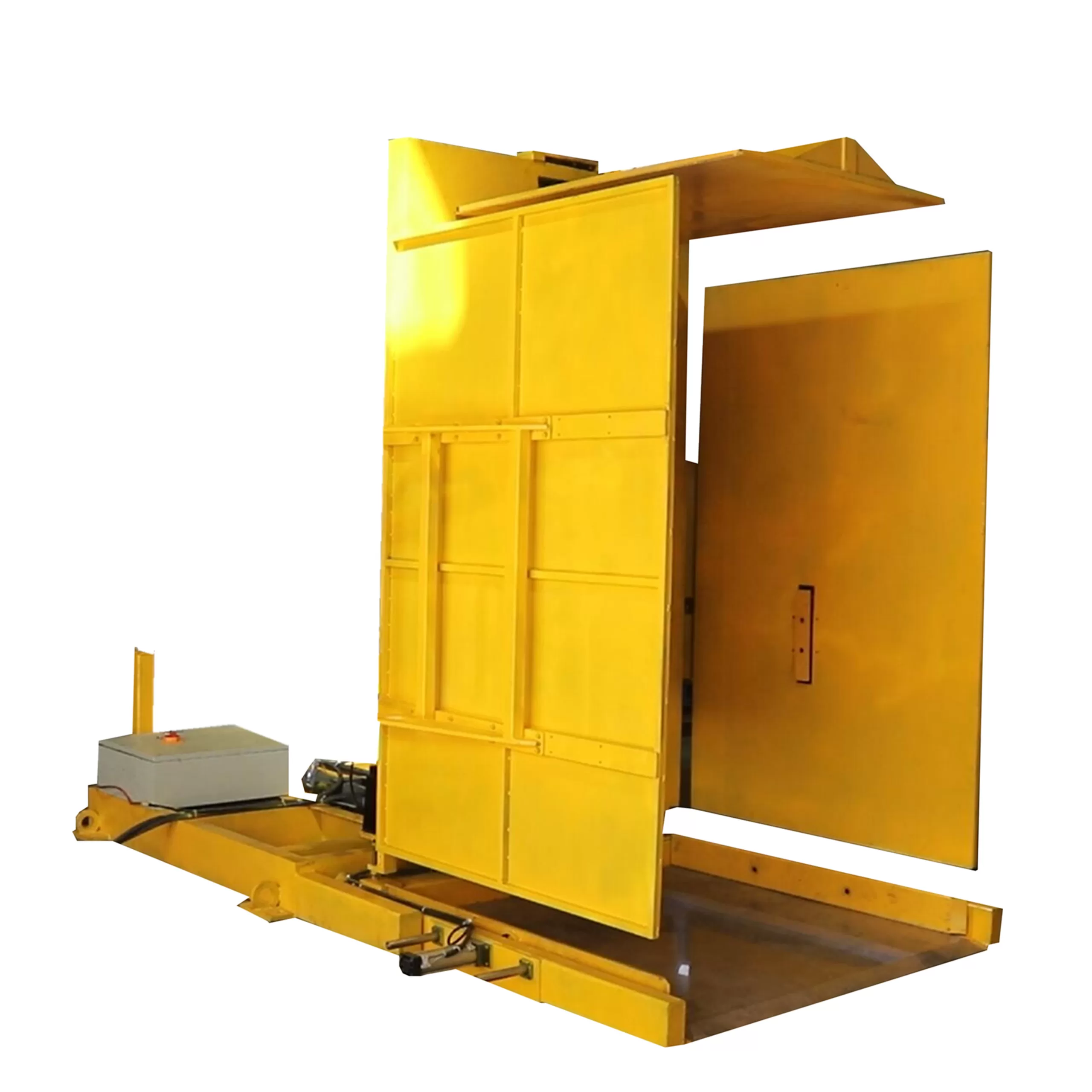
The most crucial features for handling diverse pallet dimensions are adjustable clamping systems, variable opening sizes, and interchangeable platforms. These allow the machine to securely grip and invert pallets of different heights and widths. Some advanced models also offer side-shifting capabilities for perfect alignment.
When I was helping clients set up their factories, I noticed a common issue. They often bought equipment that only worked for one specific pallet type. This limited their growth. If they wanted to expand into new markets, they needed new machines. My approach has always been to think ahead. I wanted to design solutions that were flexible. I learned that adaptable features save businesses money in the long run. They also make operations much smoother.
-
Adjustable Clamping Systems ⚙️:
- An adjustable clamping system is vital. It lets the pallet inverter securely hold pallets of different heights and widths. This feature uses hydraulic or electric mechanisms. They can move to fit various load sizes. Without proper clamping, loads can shift or fall during the inversion process. This leads to product damage or safety hazards. For a manager like Carlos, whose warehouse handles diverse pallet types, this adjustability is a must-have. It means the same machine can process Euro, American, and even plastic pallets without needing manual adjustments for each new size. This saves significant time and reduces the risk of human error.
- How it works: The machine’s clamps can move inwards and outwards. They can also move up and down. This allows them to grip a wide range of pallet and load dimensions. The operator can set these dimensions using a control panel. This ensures a tight and secure hold for every operation.
-
Variable Opening Sizes and Interchangeable Platforms ↔️:
- A pallet inverter with a variable opening size can physically open wider or narrower. This accommodates different pallet widths. Some advanced models also offer interchangeable platforms or extensions. These can be added or removed to support longer or wider pallets. This adaptability is critical for warehouses that deal with a mix of standard and non-standard pallet sizes. It ensures the machine can handle all incoming and outgoing goods. This maximizes the machine’s utility and reduces the need for multiple specialized machines.
- Consideration for Carlos: If Carlos’s operation deals with both standard Euro (800x1200mm) and American (1000x1200mm) pallets, a machine with a fixed opening would not work. A variable opening allows him to use one machine for both. This reduces capital expenditure and simplifies maintenance.
-
High Load Capacity and Robust Construction 💪:
- Pallet inverters must handle heavy loads. They need to do this continuously in busy warehouse environments. Machines made with high-quality, durable materials are essential. They ensure long-term stability and reliability. A robust construction also minimizes downtime for repairs. This is crucial for operations that run around the clock. Carlos prioritizes equipment reliability. He knows that machine breakdowns can lead to significant disruptions and financial penalties.
- Importance for busy warehouses: In a facility that processes thousands of pallets daily, every component of the pallet inverter is under constant stress. A machine built with strong steel and high-quality hydraulics will perform consistently. It will resist wear and tear over time. This reduces maintenance costs and extends the machine’s lifespan.
-
Side-Shifting and Centering Capabilities 🎯:
- Some advanced pallet inverters include side-shifting or centering features. These help perfectly align the load before inversion. This is especially useful for unstable loads or when precise placement is needed for the new pallet. This feature reduces manual intervention. It also prevents goods from shifting or becoming damaged during the transfer. It adds an extra layer of efficiency and safety to the process.
- Benefit: After the inversion, the machine can precisely position the newly transferred load. This makes it easier for forklifts to pick up the pallet. It also helps with seamless integration into automated conveying systems.
How can pallet inverters enhance safety and efficiency in a busy warehouse?
Safety and efficiency are top priorities in any warehouse. Pallet inverters can transform how these operations run. They reduce risks and speed up processes. This creates a better working environment.
Pallet inverters significantly boost safety by eliminating manual lifting and tilting. This reduces the risk of accidents and injuries. They enhance efficiency by speeding up pallet transfers and standardizing the process. This leads to faster throughput and less human error.
I have always believed that good engineering should not just be about performance. It must also be about protecting people. In my early days, I saw firsthand how dangerous manual pallet handling could be. Workers risked back injuries or worse when trying to flip heavy loads. This motivated me to look for safer, more efficient methods. It is why FHOPEPACK focuses on solutions that improve both the bottom line and employee well-being.
-
Eliminating Manual Handling and Reducing Injury Risk 🛡️:
- Manual pallet transfers are a major cause of workplace injuries. Workers often lift, tilt, or maneuver heavy and awkward loads. This can lead to strains, sprains, or even crush injuries. A pallet inverter completely removes this need. The machine does all the heavy lifting and turning. This protects employees from physical harm. It also reduces the number of work-related accidents. For Carlos, who has already experienced several accidents from manual transfers, this is a critical benefit. It directly lowers insurance costs and potential compensation claims.
- Real-world impact: In many warehouses, manual methods involve workers using pry bars or tilting forklifts. These methods are inherently unstable. They create a high risk of loads toppling. An automated inverter secures the load from all sides. It performs a controlled inversion. This ensures safety for both the goods and the operators.
-
Faster Pallet Switching Speeds ⏱️:
- Pallet inverters perform transfers much faster than manual methods. A machine can switch a pallet in a matter of seconds or minutes. Manual processes can take significantly longer, especially for heavy or unstable loads. This speed boost directly translates into higher throughput. It helps meet tight delivery schedules. For the fast-paced demands of e-commerce and retail, this efficiency is invaluable. It ensures products move quickly from the warehouse to the customer.
- Impact on customer satisfaction: Shorter delivery cycles are a key demand from modern customers. By speeding up pallet changes, warehouses can process more orders in less time. This allows for faster dispatch and delivery. It directly improves customer satisfaction and strengthens brand loyalty.
-
Standardizing Operations and Reducing Errors ✅:
- Manual pallet changes are inconsistent. The quality of the transfer depends on the individual worker’s skill and care. This can lead to varying results, including damaged goods or incorrect pallet types. An automated pallet inverter performs the same operation consistently every time. This standardizes the process. It eliminates human error. This leads to fewer mistakes and higher quality control. It also ensures compliance with different pallet regulations.
- Achieving consistency: The machine follows a programmed sequence. It applies the same force and movement to every pallet. This consistency is hard to achieve with manual labor. It is especially important when dealing with fragile or high-value goods.
-
Optimizing Labor Allocation 📊:
- By automating pallet changes, warehouses can free up their labor force. Employees who once spent hours on strenuous manual transfers can now be reassigned to other value-added tasks. This can include inventory management, order picking, or quality control. This not only makes better use of human resources but also addresses the challenge of labor shortages. It makes the warehouse a more attractive place to work.
- Long-term benefits: Reducing reliance on strenuous manual tasks helps retain employees. It also makes it easier to recruit new talent. Young workers are less willing to do physically demanding jobs. Automation provides a safer and more technologically advanced work environment.
Are mobile or fixed pallet changers better for adaptable logistics needs?
The choice between a mobile and fixed pallet changer depends on your warehouse layout and operational flow. Both have distinct advantages for adaptable logistics needs. It is about matching the machine to your specific challenges.
For adaptable logistics, both mobile and fixed pallet changers offer unique benefits. Mobile units provide unmatched flexibility for varying locations or low-volume needs. Fixed units offer higher throughput and seamless integration into automated lines. The ‘better’ choice depends on a warehouse’s specific operational volume, layout flexibility, and future automation goals.

When I founded FHOPEPACK, I aimed to provide solutions for all kinds of factories. Some had large, dedicated spaces for packing. Others had smaller, more dynamic setups. I realized that one-size-fits-all solutions rarely work. That is why understanding the nuances between fixed and mobile options is vital. My experience shows that the right choice can significantly impact a factory’s efficiency and future growth.
-
Mobile Pallet Changers: Flexibility and Versatility 🚚:
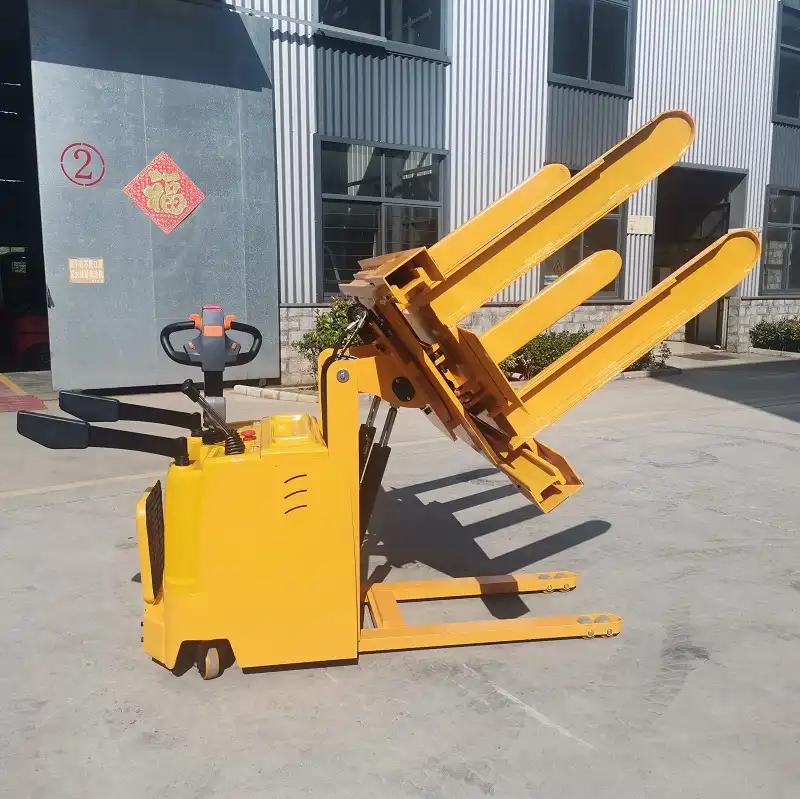
- Pros: Mobile pallet changers offer incredible flexibility. They can be moved to different parts of the warehouse where needed. This is ideal for operations with varying workflows. It is also great for lower volume requirements. Or, you might need to handle pallets in different zones. They do not require a permanent installation. This means they are easy to deploy and reconfigure. They are perfect for companies that need to switch pallets at various points. They also suit those with limited dedicated space.
- Best for: Warehouses with multiple, spread-out pallet changing needs. Companies handling small to medium volumes. Operations that require the machine to adapt to changing floor plans.
- Cons: Mobile units typically have lower throughput compared to fixed systems. They also require a forklift or pallet truck to bring loads to them. This can add a step to the process. Their portability might mean less integration with fully automated conveyor lines.
- Consideration for Carlos: If Carlos has multiple smaller warehouses or needs to perform pallet changes at different loading docks without a fixed setup, a mobile unit could be very practical for certain tasks.
- Pros: Mobile pallet changers offer incredible flexibility. They can be moved to different parts of the warehouse where needed. This is ideal for operations with varying workflows. It is also great for lower volume requirements. Or, you might need to handle pallets in different zones. They do not require a permanent installation. This means they are easy to deploy and reconfigure. They are perfect for companies that need to switch pallets at various points. They also suit those with limited dedicated space.
-
Fixed Pallet Changers: High Throughput and Automation Integration 🏭:
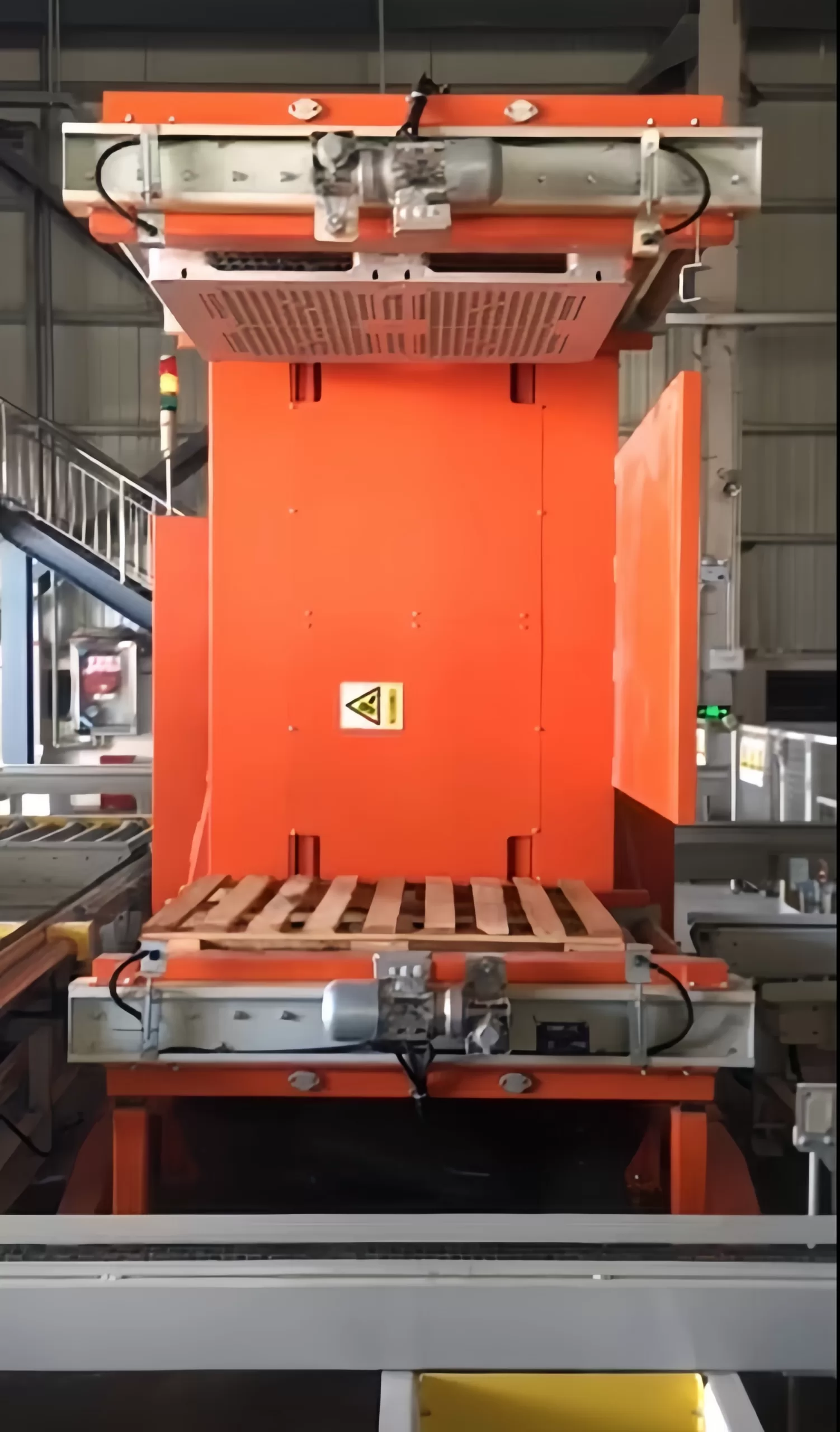
- Pros: Fixed pallet changers are built for high volume and continuous operation. They are often integrated directly into conveyor systems. This creates a seamless, automated flow. This setup offers the highest efficiency and fastest throughput. It reduces manual intervention to a minimum. They are more robust and can handle heavier loads consistently. This makes them ideal for large distribution centers. They suit facilities with a clear, high-volume pallet changing point.
- Best for: Large-scale operations with dedicated pallet transfer zones. High-volume distribution centers. Companies pursuing full warehouse automation.
- Cons: Fixed units lack the flexibility of mobile changers. They are tied to a specific location. Their installation often requires civil works and integration with existing infrastructure. This can be more complex and costly upfront.
- Consideration for Carlos: For his main regional distribution center, handling thousands of pallets daily, a fixed, high-capacity pallet changer integrated into a conveying line would likely offer the most significant long-term benefits in terms of efficiency, safety, and cost reduction. It aligns with his goal of increasing automation.
- Pros: Fixed pallet changers are built for high volume and continuous operation. They are often integrated directly into conveyor systems. This creates a seamless, automated flow. This setup offers the highest efficiency and fastest throughput. It reduces manual intervention to a minimum. They are more robust and can handle heavier loads consistently. This makes them ideal for large distribution centers. They suit facilities with a clear, high-volume pallet changing point.
-
Hybrid Solutions and Strategic Placement 🧭:
- Sometimes, the best solution combines both types. A warehouse might use a fixed pallet changer for its main, high-volume operations. Then, it uses mobile units for specific, lower-volume needs or for backup. Strategic placement of fixed units, optimized for traffic flow, is also key. This ensures maximum efficiency. The decision should consider current needs and future growth plans.
- My advice: I often tell clients to map out their entire pallet flow. This helps identify bottlenecks. It also shows where automation will have the biggest impact. This detailed analysis guides the choice between mobile and fixed units. It sometimes leads to a blended approach.
Conclusion
Choosing the right pallet inverter is crucial for modern warehouses. It helps manage mixed pallet sizes, boosts safety, and cuts costs. The best solution often involves versatile machines with adjustable features. They handle diverse pallet types and integrate with your operations. This investment ensures efficiency, safety, and customer satisfaction, making the pallet inverter a vital part of your logistics strategy.








