
How does a pallet inverter improve safety compared to forklifts in pallet exchange tasks?
Warehouses today face big challenges. One of the biggest is moving goods safely and fast. We need to handle thousands of pallets every day. This is true for busy places like Carlos Rodríguez’s distribution center in Europe. He deals with different pallet types, like Euro and US pallets. These need frequent changes. Manual methods, often using forklifts, can be slow and dangerous. They put workers at risk and cause delays.
A pallet inverter significantly boosts safety by taking human workers out of high-risk tasks. This machine handles the entire pallet exchange process. It locks the load securely and rotates it. This removes the need for people to manually lift, tilt, or re-stack heavy goods. It makes the job much safer than traditional methods that rely on forklifts.

You might wonder how a simple machine can change so much. We will look at the real dangers of old methods. Then, we will see how modern pallet inverters solve these problems. We will also explore the other benefits they bring to your warehouse.
Why is traditional pallet exchange with forklifts a safety nightmare?
Think about how pallet exchange often happens in many warehouses. A forklift lifts a pallet. Workers then manually help move the goods or switch the base pallet. This sounds simple. But it creates many risks. These risks hurt workers and slow down operations. Carlos in Spain knows this well. He faces many accidents from manual pallet flips. His workers are also less willing to do such hard work.
Traditional pallet exchange with forklifts is a safety nightmare because it depends too much on human action. This includes lifting, tilting, and moving heavy, often unstable loads. This process has high risks of loads falling, equipment hitting people, and workers getting hurt from strains or impacts. These risks are very high because of human error and the difficult nature of the work.
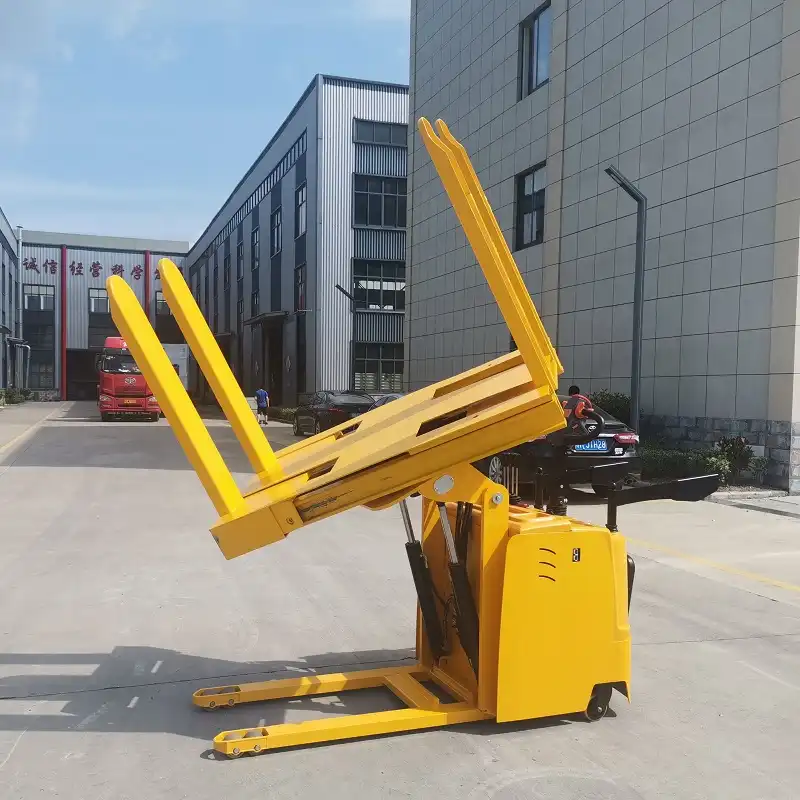
My years in the packing machine industry taught me a lot. I have seen many warehouses where manual methods caused problems. These problems range from small drops to serious worker injuries. It is not just about human error. It is also about asking people to do tasks that are too heavy or too risky for them. Here is why it is so dangerous:
- ⚠️ High Risk of Human Error and Fatigue: Forklift operators work long shifts. They might get tired. A small mistake can lead to big problems. They could drop a heavy load. They could hit another worker or equipment. Workers helping with the exchange might lose their grip. This puts them in danger. This is especially true when handling different pallet types. Like when you change from a Euro pallet to a US pallet. The load needs careful handling. This need for constant focus causes fatigue. Fatigue then increases the chance of accidents. Many times, I saw small errors turn into big safety incidents. This happens because people get tired and less careful over time.
- 📦 Unstable Loads and Falling Goods: Many products on pallets are not perfectly stable. Think about stacks of food and drink products in Carlos’s warehouse. When a forklift tilts a pallet, goods can shift. They can fall. This creates a big hazard zone for anyone nearby. It can cause product damage. It can also cause severe injuries if items fall on a worker. Manual tilting or flipping also means workers are very close to these unstable loads. This increases their risk. This is a common issue when trying to quickly switch pallets to meet export rules. The speed makes the risk even higher.
- 💥 Collision Risks in Busy Environments: Forklifts are heavy machines. They move fast in tight spaces. Warehouses are often busy places with many forklifts and people. The more forklifts move around, the higher the chance of collisions. When forklifts are busy with pallet exchange, they might block aisles. This makes the workspace more crowded. It increases the risk of hitting other forklifts, shelves, or pedestrians. This is a problem Carlos faces in his high-volume distribution center. There are thousands of pallets moving every day. More movement means more chances for accidents.
- 💪 Repetitive Strain and Physical Injuries: Manual pallet exchange often involves heavy lifting, bending, and twisting. Workers have to handle goods, remove old pallets, and place new ones. Doing these actions over and over causes strain on the body. This leads to back injuries, muscle pulls, and other long-term health problems. Many young people do not want these jobs anymore. This makes finding workers hard. Carlos already faces labor shortages. He knows that better safety means less injury. Less injury means happier workers and lower insurance costs. The physical demands of manual work directly lead to higher injury rates over time.
How does a pallet inverter revolutionize warehouse safety?
Now, let us talk about how a pallet inverter changes everything. It is a machine designed specifically for changing pallets. It takes away many of the dangers we just talked about. I have seen how my clients, like Carlos, benefit greatly from this change. They want safer workplaces. They also need more efficient ways to handle different pallet types. A pallet inverter gives them both.
A pallet inverter revolutionizes warehouse safety by automating the pallet exchange process. It keeps human operators out of direct contact with heavy, moving loads. The machine securely clamps the product, flips it, and places it on a new pallet. This greatly reduces risks like falling goods, forklift collisions, and worker injuries from manual handling. It creates a much safer working environment for everyone.

When I first started FHOPEPACK, I knew the industry needed smarter solutions. I wanted to help businesses grow. Safety is a big part of that. A pallet inverter is a perfect example of smart engineering that helps solve real problems. Here is how it makes a warehouse much safer:
- 🤖 Automated and Controlled Process: A pallet inverter handles the entire exchange process automatically. Workers load a pallet into the machine. The machine then does the rest. It grips the load firmly. It rotates it. Then it places it onto a new pallet. This means no human has to be near the moving load. The process is smooth and controlled. This removes the risk of sudden movements or dropped items. It also removes the need for workers to be in dangerous areas. This change alone reduces many accident types. It protects both people and products. It provides a consistent and predictable operation every time.
- 🔒 Secure Load Handling: Unlike a forklift that might only support a pallet from the bottom, a pallet inverter clamps the load from multiple sides. This holds the product firmly in place during the entire exchange. There is almost no chance for goods to shift or fall. This is very important for fragile items. It is also good for unstable stacks. This secure handling makes sure your products stay safe. It also means workers are safe because there are no falling goods. This secure method of handling is a key safety feature that manual methods simply cannot match.
- ⬇️ Reduced Forklift Movement and Traffic: With a pallet inverter, forklifts only need to load and unload the machine. They do not need to perform complex lifting and tilting maneuvers. This means fewer forklift movements within the active work zone. Less forklift traffic means fewer chances for collisions with other equipment or people. A calmer, less chaotic environment is always a safer one. This also frees up forklifts for other tasks. This helps improve overall warehouse flow and organization. Carlos can certainly appreciate fewer forklifts crisscrossing his busy facility.
- ⚕️ Elimination of Ergonomic Risks: A pallet inverter removes the need for manual lifting, bending, or struggling with heavy pallets. Workers no longer perform physically demanding tasks. This greatly lowers the risk of back injuries, strains, and other musculoskeletal problems. It creates a healthier workplace for employees. It also makes the job more attractive. This helps solve labor shortage issues. Carlos knows that fewer injuries mean lower medical costs and higher worker morale. A pallet inverter looks after your goods. It also looks after your most important asset: your people.
Beyond safety, what operational gains do pallet inverters offer?
Safety is the first big gain. But pallet inverters do much more than just keep your workers safe. They also make your whole operation run better. They help you save money. They help you meet customer demands. These are all things important to a manager like Carlos. He wants efficient operations and satisfied customers. He also needs to control costs.
Beyond safety, pallet inverters offer significant operational gains. They increase efficiency, reduce product damage, and lower operating costs by automating pallet changes. They handle diverse pallet types, like Euro and US pallets, easily. This helps businesses meet different shipping standards and customer expectations faster. They also streamline the entire logistics process.
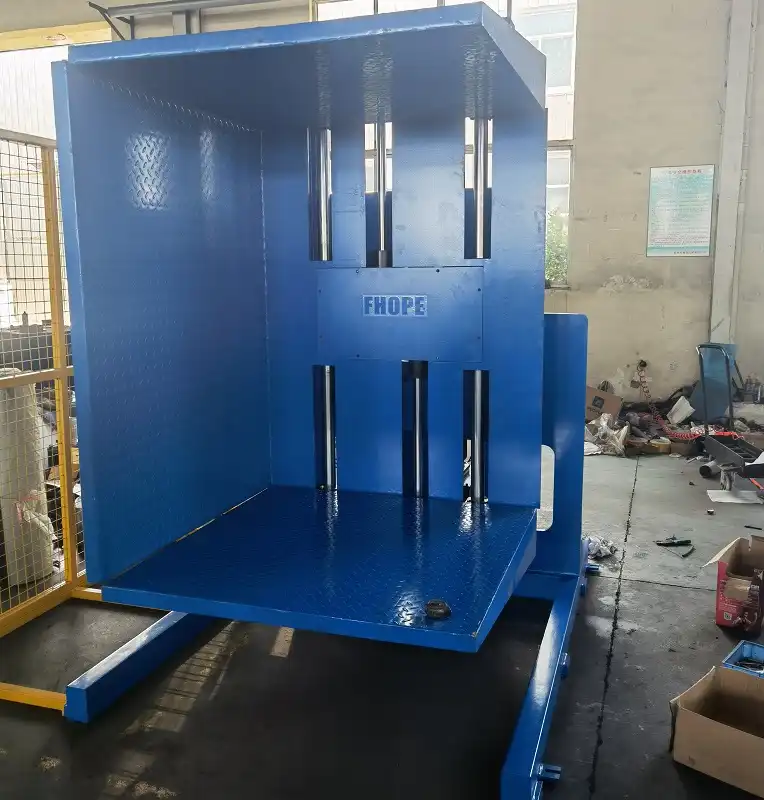
I always tell my clients that investing in the right machine is investing in their future. It is not just about the machine. It is about the complete solution. Pallet inverters provide many solutions for common warehouse problems. Here is how they boost your operations:
- 📈 Increased Efficiency and Throughput: Pallet inverters work much faster than manual methods. They can change pallets in minutes. This speeds up your entire process. You can move more goods in less time. This means you can ship orders faster. This helps you meet urgent customer demands. For someone like Carlos, who faces pressure for shorter delivery cycles, this is very important. Faster pallet changes directly lead to higher productivity. It means you can handle a larger volume of goods without adding more staff.
- 🛡️ Reduced Product Damage: Manual handling of pallets and goods often leads to product damage. Items can fall. They can get crushed. A pallet inverter handles products gently and securely. It keeps the load stable throughout the entire change. This significantly reduces damage. Less damage means less waste. It means fewer returns. It also means happier customers. This saving on damaged goods can add up to a lot of money over time. It protects your profit margins.
- 💰 Lower Operating Costs: A pallet inverter reduces the need for many workers to manually handle pallets. This cuts down on labor costs. It also reduces costs related to worker injuries. This includes insurance claims and medical expenses. The faster process also saves time. Time is money in a warehouse. Over time, these savings make the machine a very good investment. Carlos wants to reduce total operating costs. This machine helps him do just that. It improves cost-efficiency across the board.
- 🌐 Versatility and Compliance: Many businesses, like Carlos’s, deal with different pallet standards. They need to switch between Euro pallets, US pallets, and plastic pallets for export. A pallet inverter can handle all these different types. It makes switching pallets easy and fast. This ensures your shipments meet the specific rules of different countries. It avoids delays and penalties. This compliance is key for international logistics. It keeps your customers happy. It also makes your supply chain run smoothly.
Choosing the right pallet inverter for your specific safety and efficiency needs?
Okay, you see the benefits. But how do you pick the right machine for your warehouse? It is not about buying the first one you see. It is about finding the right fit. It is about partnering with someone who understands your real problems. This is exactly what Carlos seeks. He wants a partner, not just a seller. He needs a reliable system that works for his high-volume, international business.
Choosing the right pallet inverter means carefully looking at your specific operational needs. You must think about your pallet types, daily volume, and desired level of automation. It is vital to select a reliable machine with strong safety features. Also, choose a supplier who offers long-term partnership, not just a sale. They should understand your unique challenges and provide expert support.
At FHOPEPACK, we believe in sharing knowledge. We help people understand the craft. Choosing a machine is a big step. I have guided many clients through this. Here is what I advise:
- 📊 Assess Your Specific Needs and Challenges: First, understand your own warehouse. How many pallets do you handle each day? What types of pallets do you use (Euro, US, plastic)? What are your biggest safety risks right now? How much space do you have for a machine? Do you need a fully automatic system or a semi-automatic one? Carlos, for example, needs to handle thousands of pallets daily. He deals with diverse pallet types. He needs something that fits a high-intensity environment. Knowing these details helps you narrow down your choices.
- ⚙️ Look for Key Features and Reliability: A good pallet inverter must be reliable. It needs to work well every day. Look for machines with strong build quality. Check for important safety features. These include safety light curtains, emergency stops, and secure clamping mechanisms. Consider how easy it is to maintain the machine. Does it have simple controls? Can it handle different load weights and sizes? These features ensure the machine is safe and lasts a long time.
- 🤝 Find a Supplier Who Acts as a Partner: Do not just buy a machine from anyone. Find a supplier who truly understands your warehouse challenges. They should be able to offer solutions tailored to your needs. They should not just push a product. This is what FHOPEPACK aims for. We want to be a knowledge-sharing platform and a reliable partner. A good partner listens to your pain points. They help you find the best long-term solution. Carlos wants someone who understands warehouse automation, not just a machine seller.
- 🛠️ Consider Long-Term Support and Service: After you buy the machine, what happens next? A good supplier offers full support. This includes installation help, training for your staff, and easily available spare parts. They also offer good after-sales service. This ensures your pallet inverter keeps running smoothly for years. This ongoing support is key to getting the most out of your investment. It also ensures safety and efficiency continue without interruption.
Conclusion
Pallet inverters fundamentally boost warehouse safety by removing workers from dangerous, manual tasks. They offer controlled, automated handling, which reduces accidents, product damage, and operational costs. By investing in a reliable pallet inverter, businesses can create safer workplaces and achieve greater efficiency and compliance in their pallet exchange operations.








