
Which pallet inverter supplier offers the best ROI for retail distribution plants?
Working in the packing machine industry, I have seen many warehouse managers facing a common headache. You are managing a busy retail distribution plant. Thousands of pallets move every day. You have different pallet types – Euro, US, plastic – and you need to switch them quickly and safely. Manual handling is slow, risky, and expensive. This situation causes real stress. It impacts your delivery times, costs you money, and sometimes even leads to accidents.
Finding the right pallet inverter supplier is not just about buying a machine; it is about investing in a solution that solves these exact problems and delivers a clear return on investment (ROI). A great supplier offers reliable equipment, understands your operational needs, and provides support that helps you cut costs, boost efficiency, and improve safety. This leads to measurable financial gains and smoother operations, which is the true definition of a high ROI.
I know these challenges well because I started my journey right on the factory floor. I have seen first-hand the difference that smart, reliable packing and handling solutions make. That is why I want to share my insights with you today. We will look at what makes a pallet inverter so important, how to measure its ROI, and what you should demand from your supplier. This guide will help you find a partner who truly understands your needs and helps your retail distribution plant thrive.
Why is a Pallet Inverter a Must-Have for Modern Retail Distribution?
Are you feeling the pressure from diverse pallet needs, rising labor costs, and constant safety concerns in your retail distribution plant? Many managers I speak with are. They tell me about the constant struggle to manage different pallet sizes for imports and exports. Imagine a typical day: a shipment arrives on standard wooden pallets, but it needs to go out to a customer on lighter plastic hygiene pallets. Or perhaps you receive goods on US pallets that need to be transferred to Euro pallets for onward distribution in Europe. Manual switching is often the go-to method, but it comes with a heavy price. It is incredibly slow, tying up valuable staff who could be doing other tasks. It also leads to mistakes, like damaged goods or incorrect pallet types being sent out, which results in costly returns and unhappy customers.
A pallet inverter directly tackles these operational bottlenecks, turning what used to be a major pain point into a smooth, automated process. It allows for quick, safe, and efficient transfer of goods from one pallet type to another without needing to unload the product itself. This saves immense time and significantly reduces the risks associated with manual handling, making it an essential tool for any retail distribution plant aiming for peak performance and safety.
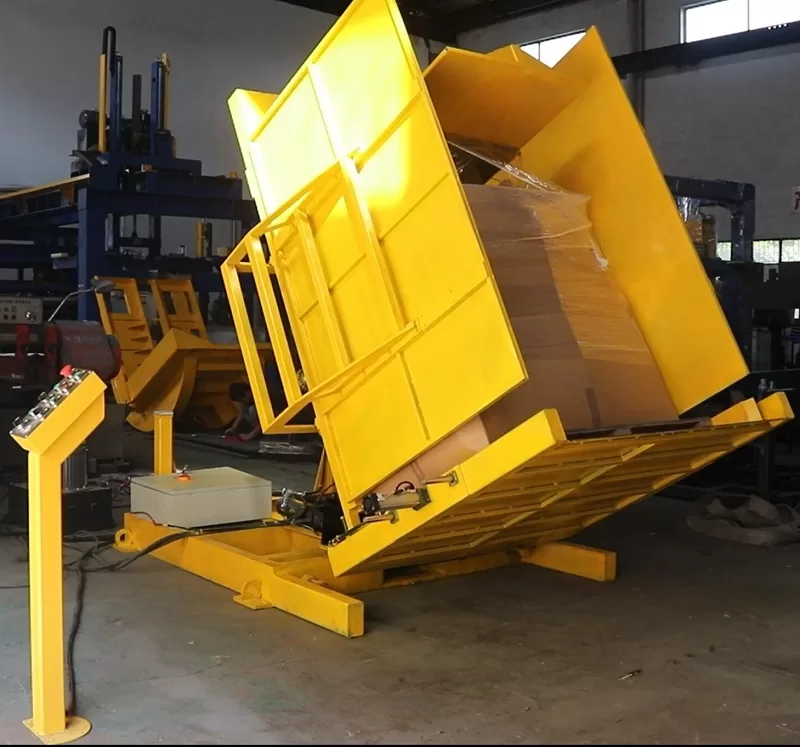
Retail distribution environments are unique. They demand speed, flexibility, and absolute reliability. Goods need to move quickly from receiving to dispatch, often with tight deadlines driven by e-commerce and just-in-time inventory systems. This is where a pallet inverter becomes a strategic asset. From my experience, walking through countless factories and warehouses, I have seen operations transform when they adopt this technology. Instead of a team of workers manually lifting and shifting heavy loads, which is slow and dangerous, a single machine can do the job in minutes. This not only speeds up the process but also frees up your team to focus on value-added tasks. Think about the common scenario where workers need to manually turn pallets or transfer goods by hand. This job is physically demanding. It often leads to fatigue and mistakes. More importantly, it creates significant safety risks. I have heard stories of workers suffering back injuries or even goods toppling over during manual transfers. These incidents are not just tragic for the individuals involved. They also lead to expensive workers’ compensation claims, increased insurance premiums, and costly operational downtime. Introducing a mechanized solution like a pallet inverter drastically reduces these risks. It safeguards your team and your inventory. This shift from manual to automated processes is not just about efficiency; it is about creating a safer, more sustainable work environment. When you reduce the physical strain on your employees, you also improve morale and retention, which is a big win in today’s tight labor market. The consistency a machine offers also means fewer errors in pallet changes. This ensures that goods are always on the correct pallet type for their destination, preventing costly reworks or rejected shipments. For a retail distribution plant, where margins can be tight and customer satisfaction is paramount, these benefits directly translate into a stronger bottom line and a more reliable supply chain. It moves you from simply reacting to daily challenges to proactively managing your operations with precision and control.
How Do You Calculate the Real ROI of Your Pallet Inverter Investment?
Are you struggling to justify the upfront cost of a new pallet inverter to your finance department or management? Many business leaders find it hard to see beyond the initial price tag. They often overlook the significant, long-term savings and benefits that a strategic investment can bring. But understanding the true ROI of a pallet inverter requires looking at more than just the purchase price. It involves a detailed analysis of both the direct and indirect savings, as well as the improvements in efficiency and safety. Without a clear ROI calculation, it is hard to make a strong case for investment, leaving your plant stuck with outdated, inefficient, and risky manual processes.
Calculating the real ROI of a pallet inverter involves weighing the initial investment against the total savings and gains over its operational lifespan. Key factors include direct cost reductions in labor and product damage, increased operational efficiency leading to higher throughput, and significant improvements in workplace safety. By quantifying these elements, you can demonstrate how a pallet inverter pays for itself through tangible benefits, providing a clear financial advantage over manual methods.

From my years in the packing machine industry, I have learned that ROI is not just a buzzword; it is the language of smart investment. When considering a pallet inverter, you need to break down its financial impact into several categories. Let us look at them:
-
Labor Cost Savings 💸:
- Reduced Man-Hours: Manual pallet changing often requires multiple workers. A pallet inverter can do the job with one operator, or even fully automatically. If you save 2-3 hours of labor per day at an average hourly wage, these savings add up quickly over a year.
- Lower Overtime: Faster processing reduces the need for costly overtime during peak periods.
- Fewer Hires: With increased efficiency, you might avoid hiring additional staff, especially during expansion. This is a big win given today’s labor shortages.
-
Decreased Product Damage 📦:
- Reduced Breakage: Manual handling increases the risk of goods falling or getting damaged. A machine handles loads gently and consistently.
- Fewer Returns/Claims: Less damage means fewer customer complaints, returns, and associated processing costs. This also protects your brand reputation.
-
Improved Operational Efficiency 🚀:
- Faster Throughput: A pallet inverter can complete a pallet transfer in minutes, significantly faster than manual methods. This speeds up your entire logistics chain.
- Reduced Delays: Quicker transfers mean less bottlenecking at loading docks and faster dispatch times. This is vital for meeting customer delivery expectations, especially in e-commerce.
- Better Space Utilization: Faster turnaround can mean less need for temporary storage space for goods awaiting transfer.
-
Enhanced Safety Benefits 💪:
- Reduced Accidents: Eliminating manual lifting and turning of heavy pallets drastically lowers the risk of worker injuries (back strains, crushed limbs, etc.).
- Lower Insurance Premiums: Fewer workplace accidents can lead to reduced workers’ compensation claims and potentially lower insurance costs over time.
- Improved Morale: A safer work environment boosts employee satisfaction and retention. Happy employees are productive employees.
-
Compliance and Customer Satisfaction ✅:
- Meeting Regulations: Ensuring goods are on the correct pallet type for specific countries or industries prevents fines and delays.
- Faster Delivery: Meeting shorter delivery windows demanded by modern retail clients directly impacts customer loyalty and repeat business.
To calculate the ROI, you sum up all these annual savings and divide them by the initial investment cost of the pallet inverter (machine purchase, installation, training). For example, if your total annual savings from labor, damage, and efficiency are $50,000, and the machine costs $150,000, your payback period is 3 years. After that, every year is pure savings. My experience shows that these machines often pay for themselves much faster than people expect, especially in high-volume retail distribution plants. This makes a clear, quantifiable case for investment.
What Defines a Truly Reliable Pallet Inverter Supplier for Retail Operations?
Are you tired of dealing with suppliers who just sell you a machine and then disappear when you need support? Many managers I talk to express frustration with vendors who lack a deep understanding of their specific operational pain points. They want a partner, not just a seller. In the demanding environment of retail distribution, where equipment downtime can cost thousands per hour, choosing the right pallet inverter supplier goes far beyond comparing spec sheets and price tags. A truly reliable supplier can be the difference between smooth, uninterrupted operations and constant headaches, lost revenue, and damaged reputation.
A truly reliable pallet inverter supplier for retail operations is defined by several critical factors: proven machine quality and durability, customizable solutions that fit specific needs, comprehensive technical support and readily available spare parts, and a deep understanding of logistics and safety requirements. They act as a partner, not just a vendor, providing expertise and support throughout the entire lifecycle of the equipment, ensuring long-term operational stability and maximum ROI.

From my own journey, building a packing machine factory after working on the shop floor, I learned early on that trust and reliability are everything. When I was starting out, I faced challenges similar to what many of my clients experience today. I needed equipment that simply worked, day in and day out, without fail. This perspective guides FHOPEPACK’s philosophy. For a pallet inverter supplier, here is what truly matters:
-
Robust Engineering and Build Quality 🛠️:
- Durability for High Volume: Retail distribution plants run 24/7. The machine must be built to withstand continuous, heavy use without frequent breakdowns. Look for high-grade materials and robust construction.
- Reliable Components: Are critical components (hydraulics, electrical systems, motors) from reputable brands? This impacts uptime and maintenance costs. A good supplier will use parts that are globally available, not proprietary components that lock you into expensive replacements.
- Safety Features: Integrated safety mechanisms, such as light barriers, emergency stops, and interlocks, are non-negotiable. A reliable supplier prioritizes operator safety in design.
-
Customization and Adaptability 🔄:
- Multi-Pallet Compatibility: Can the machine handle a wide range of pallet sizes and types (Euro, US, plastic, wood)? Retail often deals with diverse goods and destinations.
- Throughput Requirements: Can the supplier tailor the machine to your specific volume needs, from semi-automatic to fully integrated automatic systems?
- Space Constraints: Warehouses have limited space. Can the supplier offer solutions that fit your existing layout? This might mean top-press, side-press, or even mobile units.
-
Expert Technical Support and Service 📞:
- Responsive Assistance: When a machine goes down, you need help fast. A good supplier offers quick response times for technical queries and on-site support.
- Skilled Technicians: Are their service teams knowledgeable and well-trained? They should be able to diagnose and fix problems efficiently.
- Preventative Maintenance Plans: Do they offer maintenance contracts to minimize unexpected downtime and extend machine life? Proactive service is always better than reactive repairs.
-
Availability of Spare Parts ⚙️:
- Local Stock: Quick access to common spare parts is crucial. Delays in receiving a part can mean days of lost production.
- Clear Part Identification: Well-documented parts manuals and clear identification make ordering replacements straightforward.
-
Industry Expertise and Partnership Mindset🤝:
- Understanding Retail Logistics: Does the supplier understand the specific challenges of retail distribution, such as peak seasons, diverse product lines, and stringent delivery schedules?
- Consultative Approach: They should not just sell a machine. They should work with you to analyze your needs, identify bottlenecks, and recommend the best solution for your operation. This is what Carlos is looking for. This kind of partnership ensures that the solution genuinely adds value and supports your business goals in the long run. Choosing a supplier like this is not just buying equipment; it is building a foundation for continued operational excellence.
Beyond the Machine: How Does Supplier Partnership Secure Your Long-Term ROI?
Have you ever purchased a piece of equipment only to find that the supplier disappears after the sale, leaving you to fend for yourself when problems arise? This common scenario can quickly turn a promising investment into a long-term liability. The initial purchase price of a pallet inverter is only one part of the equation. The true cost, and more importantly, the long-term return on investment, is heavily influenced by the ongoing support and partnership you receive from your supplier. Without robust post-purchase support, even the most advanced machine can become a bottleneck, leading to unexpected costs, operational downtime, and ultimately, a failed investment.
A strong supplier partnership secures your long-term ROI by providing consistent, reliable post-purchase support, including expert installation, thorough operator training, proactive maintenance, and rapid access to spare parts and technical assistance. This ongoing commitment ensures maximum machine uptime, extends equipment life, reduces unexpected operational costs, and keeps your retail distribution plant running smoothly, transforming the initial investment into sustained profitability.
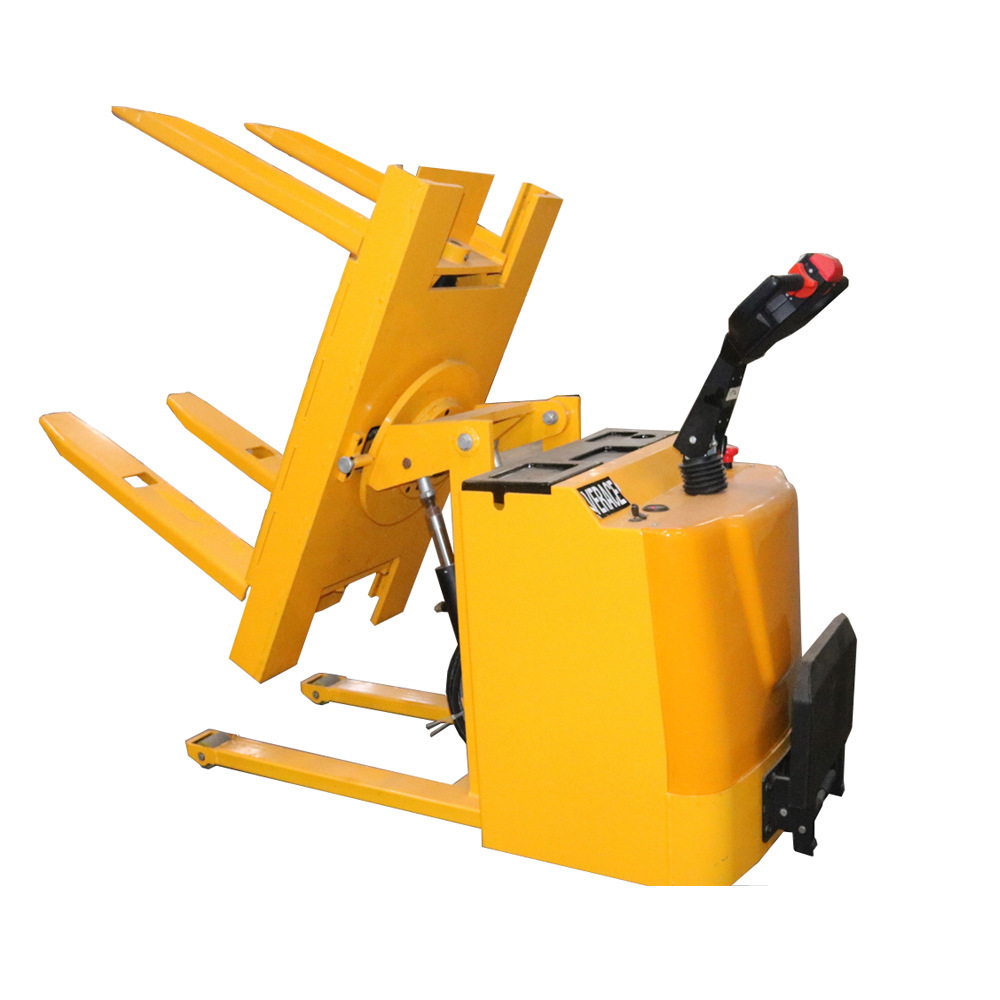
When I founded FHOPEPACK, one of my core principles was to offer more than just machinery. I wanted to share knowledge and build lasting relationships. This commitment comes from my own experience seeing how a lack of support can cripple even the best equipment. For a retail distribution plant, your pallet inverter is a critical link in your supply chain. Its continuous operation is vital. Here is how a supplier partnership plays a huge role in securing your long-term ROI:
-
Professional Installation and Commissioning ✅:
- Correct Setup: Proper installation by skilled technicians ensures the machine operates at peak efficiency from day one. Incorrect setup can lead to performance issues and premature wear.
- Seamless Integration: A good supplier helps integrate the pallet inverter into your existing production lines or warehouse layout, minimizing disruption and maximizing flow.
-
Comprehensive Operator Training 🧑🏫:
- Safe Operation: Well-trained operators use the machine safely and efficiently, reducing the risk of accidents and damage. They understand emergency procedures and routine checks.
- Optimized Performance: Trained staff can operate the machine at its maximum capacity, fully leveraging its capabilities and contributing to higher throughput.
- Basic Troubleshooting: Empowering your team with basic troubleshooting skills can resolve minor issues quickly without needing to call for external support every time.
-
Proactive Maintenance and Support Plans ⚙️:
- Scheduled Servicing: Regular maintenance reduces the likelihood of unexpected breakdowns, which are costly in terms of downtime and emergency repairs.
- Extended Lifespan: Proper maintenance extends the operational life of the equipment, maximizing your investment over more years.
- Remote Diagnostics: Some suppliers offer remote monitoring and diagnostics, allowing for quick identification and resolution of issues, sometimes even before they become critical.
-
Responsive Technical Assistance and Spare Parts Supply 💬:
- Rapid Problem Solving: When an issue does arise, you need quick access to technical experts who can provide solutions, whether over the phone or with an urgent on-site visit.
- Guaranteed Part Availability: Knowing that spare parts are readily available and can be shipped quickly is crucial. Long waits for parts can halt your entire operation.
- Software Updates: For smart, automated systems, ongoing software updates ensure the machine remains compatible with evolving operational needs and offers the latest features.
-
Future-Proofing and Upgrades 💡:
- Scalability Advice: A trusted partner can advise on how to scale your pallet handling operations as your business grows, suggesting upgrades or additional equipment.
- Technological Advancements: They keep you informed about new technologies or improvements that could further enhance your efficiency and ROI.
Ultimately, a supplier who views themselves as your partner will invest in your success. This type of relationship builds trust, reduces long-term operational costs, and ensures that your pallet inverter continues to deliver significant value year after year. It means you are not just buying a machine; you are buying peace of mind and sustained efficiency for your retail distribution plant.
Conclusion
Choosing the right pallet inverter supplier is crucial for the success and profitability of any retail distribution plant. By focusing on critical factors like machine reliability, comprehensive support, and a true partnership, businesses can ensure a strong ROI. This leads to reduced costs, enhanced safety, and improved efficiency, making a pallet inverter a strategic asset for mastering packing challenges.








