
Which Pallet Inverter Supplier Offers Canadian Plants the Best Long-Term ROI?
Are your Canadian plant operations struggling with inefficient pallet changes, rising labor costs, and constant pressure to meet tighter delivery schedules? Many businesses face the challenge of needing to move goods safely and quickly, but outdated methods or unreliable equipment can quickly drain resources. This situation does not just slow you down; it costs you real money and puts your team at risk every single day.
FHOPEPACK, drawing on my decades of experience in the packing machine industry, firmly believes that the best pallet inverter supplier for Canadian plants offers a combination of robust, reliable machinery, comprehensive after-sales support, and a deep understanding of unique operational challenges, leading to significant long-term ROI through enhanced safety, efficiency, and reduced labor costs.
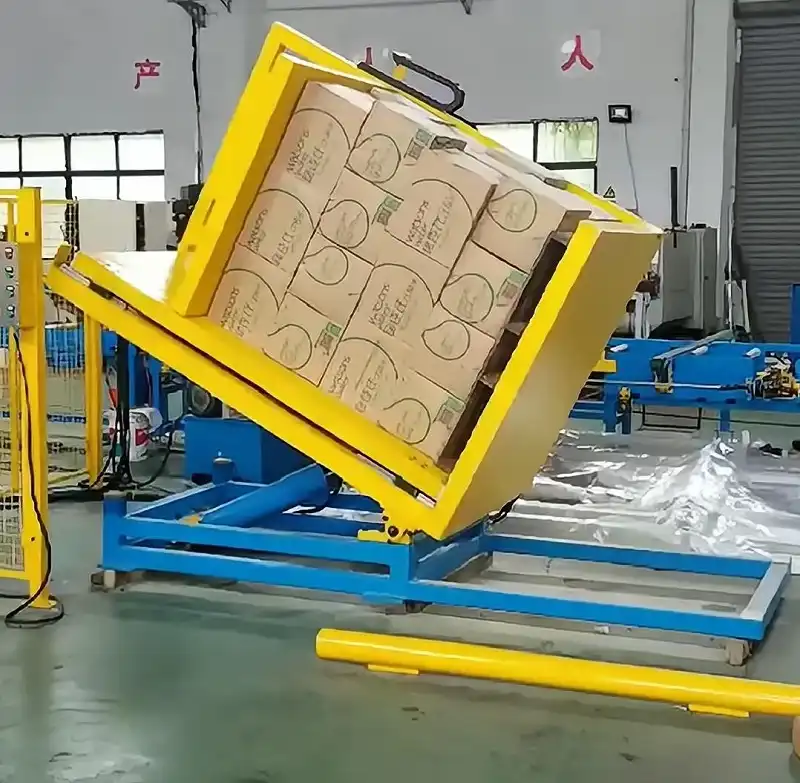
Choosing the right pallet inverter is not just about the machine itself. It is about making a smart investment in your plant’s future. Let’s explore what truly defines long-term value and how to pick a partner who understands your needs in Canada.
What Challenges Do Canadian Plants Face That Pallet Inverters Can Solve?
Do manual pallet handling processes feel like a constant bottleneck in your Canadian plant? Many operations know the frustration of moving heavy loads by hand. This can lead to slow workflows, tired employees, and even dangerous accidents. The pressure to keep goods moving means any slowdown can impact your bottom line and customer trust.
Canadian plants often grapple with diverse pallet types, high labor costs, stringent safety regulations, and pressure for faster delivery, all of which manual pallet handling exacerbates; pallet inverters directly address these by automating the process, improving safety, and boosting throughput.

When I started FHOPEPACK after years in the packing machine industry, I saw first-hand how much simple automation could change a factory floor. For Canadian plants, these challenges are especially sharp. Understanding them is the first step toward finding a real solution.
-
Diverse Pallet Specifications:
- Many Canadian businesses deal with both domestic and international shipping. This often means switching between different pallet types. You might need to move products from a wooden Euro pallet to a plastic hygiene pallet for food processing, or from a standard North American pallet to a different size for export. Doing this by hand is very slow. It also needs many workers. This creates a big bottleneck. Pallet inverters handle these changes quickly. They adapt to many sizes and materials, making the process smooth. This stops delays at your shipping dock.
- Think about a food processing plant shipping across borders. They need to switch pallets for different regulations. An inverter does this fast. It keeps products moving. It prevents hold-ups that can spoil goods or miss delivery times.
-
Rising Labor Costs and Shortages:
- Finding enough skilled labor is a growing problem across Canada. The cost of wages and benefits also keeps going up. Manual pallet changing is heavy work. It often requires two or more people. Young workers are less willing to do this kind of job. This makes staffing hard. When you use a pallet inverter, you need fewer people for this task. It lets your existing staff focus on other, more valuable jobs. This brings down your overall labor costs. It also makes your plant more efficient.
- I saw this many times in my factory. When we automated, we could shift workers to quality control or machine operation. This made better use of their skills. It also saved us money in the long run.
-
Safety Risks and Accidents:
- Moving heavy pallets by hand is dangerous. There is a high risk of goods falling. Workers can get injured from lifting, twisting, or being crushed. These accidents lead to high medical costs. They also mean lost workdays and higher insurance premiums. A good pallet inverter makes the process safe. It takes the heavy lifting away from people. It holds pallets and products securely during the change. This protects both your goods and your employees. It helps your plant meet strict Canadian safety standards.
- I always put safety first in my factories. One injury is too many. Machines can do dangerous tasks so people do not have to. This makes the workplace much better for everyone.
-
Pressure for Faster Delivery Times:
- Customers, especially in e-commerce, want their orders faster than ever. This means your warehouse and logistics operations must be quick. Manual pallet changes can slow down your entire supply chain. This leads to missed deadlines and unhappy customers. An automated pallet inverter speeds up the process significantly. It helps you keep up with demand. It ensures your goods are ready for shipment without delay. This leads to happier clients and repeat business.
- In today’s fast world, every minute counts. Speed means staying competitive. A pallet inverter helps you deliver on that promise.
How Does a Quality Pallet Inverter Truly Boost Long-Term ROI for Businesses Like Yours?
Are you looking at the upfront cost of a pallet inverter and wondering about its real value? Many plant managers focus only on the initial price. But a cheap machine that breaks down often or does not do the job right will cost you more money over time. True value comes from what the machine saves and earns you in the long run.
A quality pallet inverter delivers long-term ROI by significantly cutting labor costs, preventing costly product damage, reducing workplace injuries and associated claims, optimizing warehouse space, and improving overall operational efficiency, ensuring a swift return on investment.
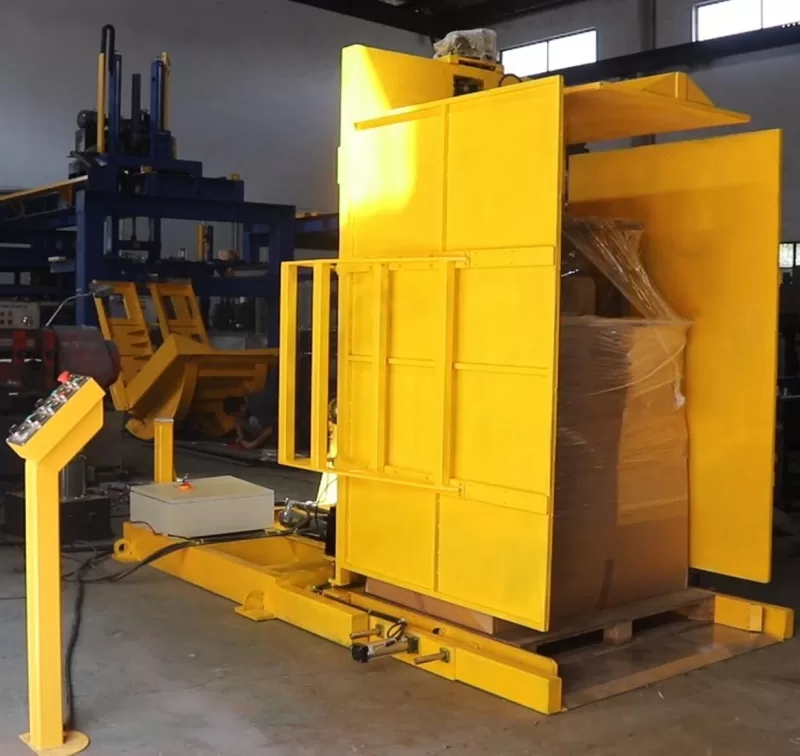
From my experience in building and running factories, I learned that the initial investment is just one part of the story. The real gains are in how a machine changes your daily operations. Let’s look at how a good pallet inverter can truly pay you back for years.
-
Direct Cost Savings from Labor and Damage:
- A pallet inverter lets you use fewer workers for pallet changes. One person can often operate the machine instead of two or three doing it by hand. This directly lowers your labor expenses. It also cuts down on overtime. Beyond labor, a good inverter handles products gently. This means less damage to your goods during transfers. Reduced damage saves you money from spoiled inventory. It also lowers costs for returns and repacking. These savings add up quickly. They make a big impact on your budget.
- When I first automated some lines, I was amazed at how much money we saved just from less damage. It was not just the product cost. It was also the time spent sorting, returning, and re-shipping.
-
Increased Operational Efficiency and Throughput:
- Manual pallet changes are slow and inconsistent. An automated inverter works much faster. It performs changes in minutes, not tens of minutes. This speed helps your entire logistics flow. It means trucks spend less time waiting at your dock. It also means products move through your warehouse quicker. Higher throughput lets you handle more volume without expanding your physical space. This directly leads to more sales and profits. Your whole operation becomes smoother.
- I always pushed for efficiency in my factory. Faster lines meant we could take on more orders. A pallet inverter is a key part of that overall speed-up.
-
Enhanced Safety and Reduced Liabilities:
- Workplace injuries are expensive. They involve medical bills, lost work time, and potential legal costs. A pallet inverter removes humans from the most dangerous parts of pallet handling. It securely holds loads. It operates with clear safety features. This drastically lowers the risk of accidents. Fewer injuries mean lower insurance premiums. It also means a safer, more positive work environment. Investing in safety is not just good for your team; it is good for your wallet. It protects your company from big financial hits.
- Safety was non-negotiable for me. Machines must protect workers. This approach paid off not only in human terms but in financial terms too.
-
Optimized Space Usage and Inventory Management:
- Sometimes, changing pallets is about maximizing storage. You might move products from weaker transport pallets to stronger, more space-efficient storage pallets. Pallet inverters make this simple. They help you fit more goods into your existing warehouse space. This avoids the cost of renting or building new storage. Also, with faster handling, inventory moves quicker. This reduces the amount of stock you need to hold. Better inventory turns save money on holding costs and potential obsolescence.
- Every square foot in a Canadian warehouse costs money. Using space smarter is like adding money to your bottom line.
What Should You Look For in a Pallet Inverter Supplier to Ensure Long-Term Partnership and Support?
Buying a pallet inverter is a big decision. You do not just buy a piece of metal. You buy into a relationship with the supplier. Many companies focus on just selling you a machine. But what happens when you need parts? Or when something goes wrong? A supplier who disappears after the sale is not a partner. This can leave you stranded and losing money.
To ensure a long-term partnership, a pallet inverter supplier must offer proven machine reliability, comprehensive after-sales service including parts and maintenance, customization options for specific Canadian plant needs, and a track record of understanding and solving client operational challenges.
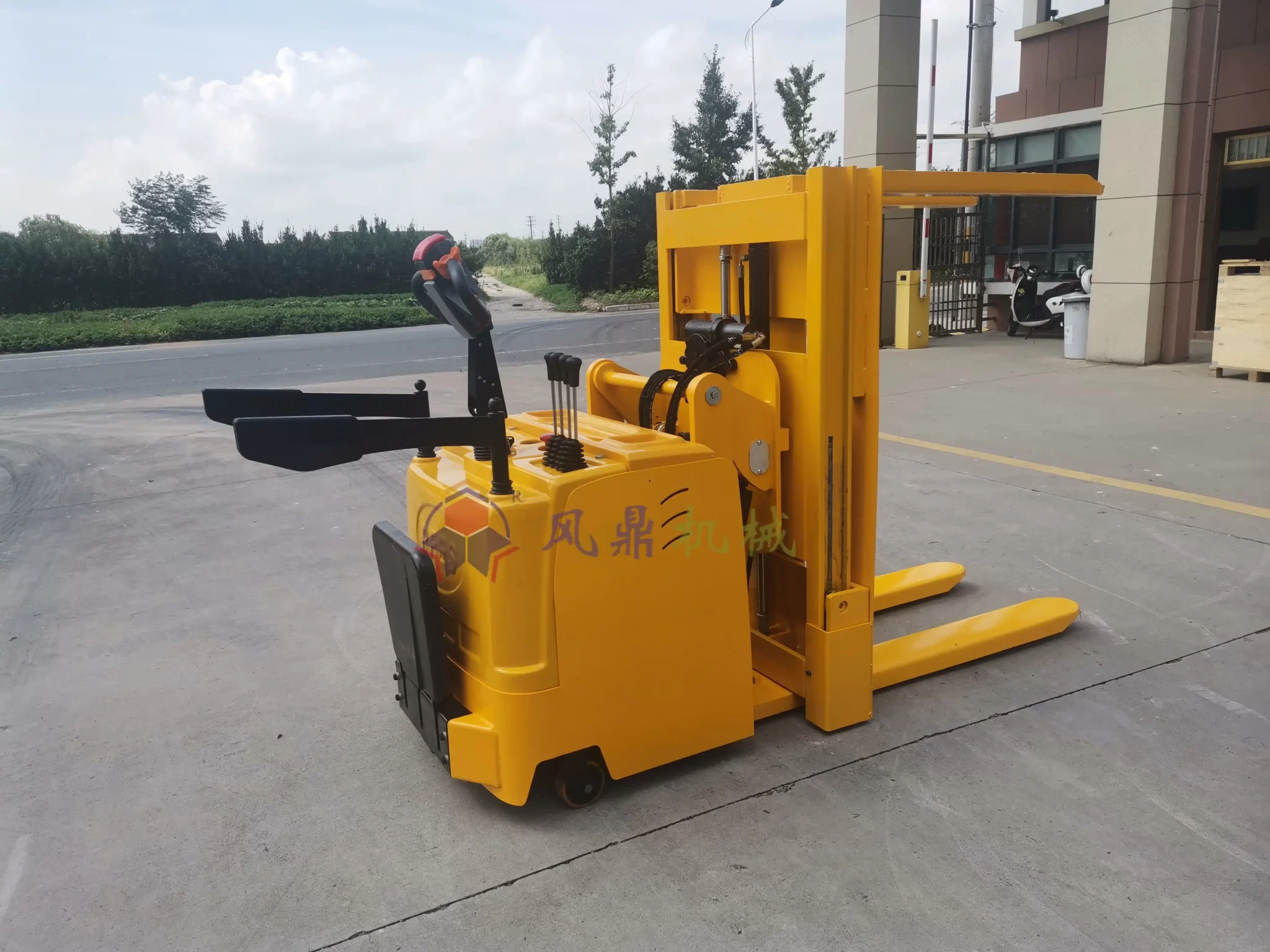
When I built my packing machine factory, I learned that trust and support are key. My clients grew their businesses because I stood by them. Choosing a supplier for your Canadian plant means looking beyond the brochure. It means finding someone who truly understands your operations.
-
Proven Reliability and High-Quality Construction:
- A pallet inverter must be built to last. It needs to handle heavy loads day in and day out. Look for suppliers who use strong materials and good engineering. The machine should be made for industrial environments. Ask about the components they use. Are they from reputable brands? A reliable machine means less downtime for your plant. Less downtime means consistent production and predictable costs. This is much better than a cheap machine that constantly breaks down. I know from building these machines that quality parts are not an option; they are a must.
- You need equipment that can withstand the demands of a busy Canadian plant, perhaps even cold storage. Robust design is crucial for long-term performance.
-
Comprehensive After-Sales Service and Support:
- Even the best machines sometimes need maintenance or spare parts. A good supplier provides excellent after-sales support. This includes easy access to spare parts. They should offer technical assistance when you need it. They should also provide training for your team. This ensures your staff can operate the machine safely and efficiently. A local presence or a fast response time is very important for Canadian plants. This helps minimize any disruption to your operations. Without good support, your investment can become a liability.
- This is where many suppliers fail. We at FHOPEPACK believe support is part of the product. My personal journey taught me that client success means long-term business.
-
Customization Capabilities and Industry Expertise:
- Every Canadian plant has unique needs. Your pallet sizes, load weights, and floor space are specific to you. A good supplier listens to your challenges. They should be able to customize their machines to fit your exact requirements. They should also show real industry knowledge. They must understand the specific regulations or environmental factors that affect Canadian businesses. This shows they are a partner, not just a seller. They provide solutions tailored to your situation.
- When a client came to me with a unique packaging problem, I did not just offer a standard machine. I worked with them to design a solution. That is the kind of partnership you need.
-
Strong Track Record and Customer References:
- Do not just take a supplier’s word for it. Look at their history. Ask for references from other Canadian plants they have worked with. Check online reviews and testimonials. A supplier with a proven track record of successful installations and happy customers is a safer bet. This shows they deliver on their promises. It confirms their machines and support are reliable. This research helps you choose a partner you can trust for years to come.
- My own path from an employee to a factory owner taught me the value of reputation. Good work and happy clients are the best advertising.
Are All Pallet Inverters Equal, and Which Type is Best for Canadian Operational Needs?
When you first look at pallet inverters, they might all seem similar. But this is not true. There are many types, each designed for different tasks. Choosing the wrong type can lead to poor performance. It can also cause wasted money and new problems for your Canadian plant. You need to understand the differences to make the best choice for your specific needs.
Not all pallet inverters are equal; key differences lie in their operating mechanisms (90-degree tilt, 180-degree inline, mobile), load capacities, and automation levels, with the “best” type for Canadian plants depending entirely on specific volume, space, and pallet changing requirements.
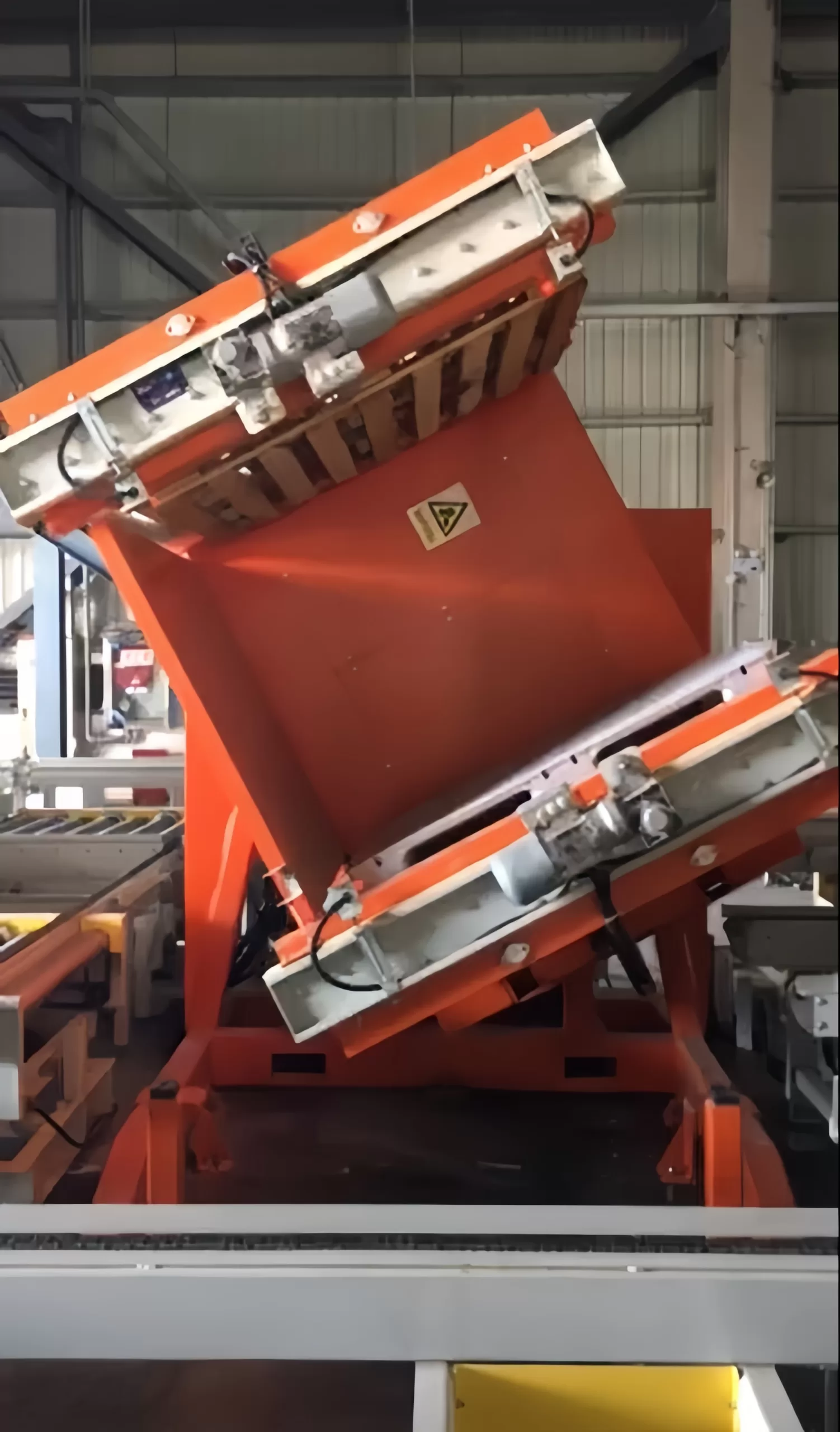
My years in the packing machine industry taught me that there is no “one-size-fits-all” solution. What works perfectly for one plant might be completely wrong for another. Let’s look at the different types and how to match them to your Canadian operations.
-
Understanding Different Types of Pallet Inverters:
- 90-Degree Pallet Tilters: These machines simply tilt the pallet and its load 90 degrees. This allows you to remove a damaged pallet or a slip sheet from the bottom. They are good for stable loads and where space is limited. They are often simpler and cost less.
- 180-Degree Pallet Changers (Free-Standing or Inline): These machines completely invert the load. This lets you swap out one pallet for another. They are ideal for high-volume operations. They work well when you need to switch between different pallet types (e.g., wood to plastic) for hygiene or export. Inline versions integrate directly into your existing conveyor lines.
- Mobile Pallet Inverters: These are portable units. You can move them around your warehouse to different locations where pallet changes are needed. They offer great flexibility. They are good for plants that have varied needs or smaller volumes at different spots.
- Each type has pros and cons. The best choice depends on your specific workflow.
-
Capacity, Load Requirements, and Product Type:
- Before choosing, know your exact needs. What is the maximum weight of your loaded pallets? What are their dimensions (length, width, height)? Are you handling fragile goods, liquids, or bulk items? These factors determine the size and strength of the inverter you need. A machine that is too small will fail. A machine that is too big might be a waste of money and space. A good supplier will help you calculate these needs accurately.
- For example, a plant dealing with delicate food products needs a machine that handles loads very gently. A heavy construction material plant needs a very robust machine.
-
Level of Automation and Integration:
- Pallet inverters come in various levels of automation.
- Manual: Requires more operator input, often pushing buttons or levers. Good for lower volumes or when budget is tight.
- Semi-Automatic: The machine does most of the work, but an operator loads and unloads pallets. This balances cost and efficiency.
- Fully Automatic: Integrates into a conveyor system. It handles loading, changing, and unloading without human touch. Best for high-volume, continuous operations.
- Consider your current labor availability. Think about your future growth plans. Think about how the inverter will fit with your existing equipment. My journey taught me the importance of scalable solutions.
- Pallet inverters come in various levels of automation.
-
Specific Canadian Operational Considerations:
- Think about the specific environment of your Canadian plant. Do you operate in a cold storage facility? Some inverters are designed to work in freezing temperatures. Does your industry have unique hygiene standards (like food or pharmaceutical)? You might need stainless steel models. What about space? Canadian warehouses can vary greatly in size. A compact model might be essential. Also, consider local power supply requirements. A good supplier will know these details. They will guide you to a machine that works best in your Canadian setting.
- These local factors are very important. They make a huge difference in how well a machine performs over time.
Conclusion
Choosing the right pallet inverter supplier is vital for Canadian plants aiming for long-term success. It means investing in reliability, safety, and efficiency, backed by strong support. This strategic decision will reduce costs, improve operations, and secure your plant’s future profitability.








