
How does a pallet inverter in Canada prevent damage during frozen food handling?
Imagine a busy cold storage warehouse in Canada. The air is frigid, and thousands of pallets move daily. Each pallet holds valuable frozen goods. What happens if a pallet breaks or goods shift? It means damaged products, lost money, and unhappy customers. This is a common problem I have seen in many places.
A pallet inverter in Canada helps prevent damage during frozen food handling by safely and efficiently transferring goods from one pallet to another. This keeps products stable, reduces the need for risky manual handling, and protects both the frozen items and the workers in cold storage environments.
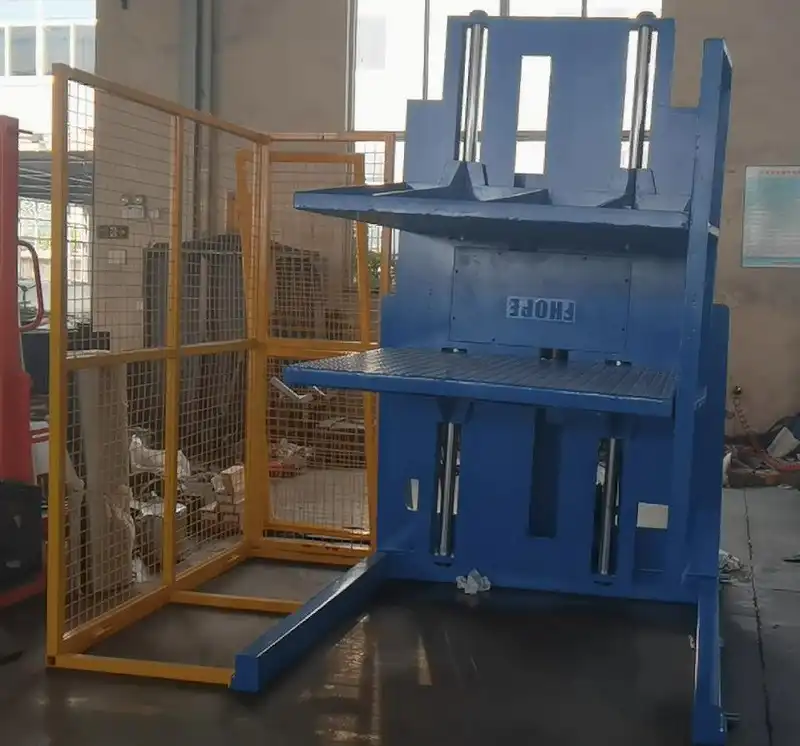
Dealing with frozen products has its own set of challenges. The right equipment can make all the difference. Let’s look closer at how pallet inverters solve big problems in Canadian frozen food logistics and why they are so important.
Why is frozen food handling in Canada so challenging?
Handling frozen food is tough. It is not just about keeping things cold. Many factors can lead to damage. If you run a warehouse, you know these pains well.
Frozen food handling in Canada is challenging because of extreme temperatures, strict hygiene rules, heavy and often fragile products, and the need for speed. These conditions make manual handling difficult and increase the risk of product damage and worker injury.

Frozen food handling requires careful planning and the right tools. I have seen many operations over the years. From my experience, the cold chain needs special attention to prevent damage. This is true in Canada, where winters are harsh and transport distances can be long.
-
Low Temperatures and Product Fragility:
- Problem: Frozen products become brittle at very low temperatures. This is especially true for items like baked goods, seafood, or delicate produce. Even a small impact can cause cracking, breaking, or shattering. Cold makes packaging less flexible too. This means standard handling methods might not work well. Workers must move quickly in cold areas, which increases the chance of accidents.
- Impact: Damaged goods cannot be sold. This leads to financial losses for the business. It also hurts the brand’s reputation when customers receive broken products.
- Solution Need: We need ways to move these fragile items without direct human contact or rough handling. The equipment must be gentle but strong enough for the cold.
-
Hygiene and Contamination Risks:
- Problem: Food safety is a huge concern, especially for frozen goods. Pallets can carry dirt, pests, or allergens into a clean storage area. For example, wooden pallets from outside might not be suitable for hygienic zones. They can harbor bacteria. Many food safety rules in Canada are very strict. Companies must follow them to avoid fines and product recalls.
- Impact: Contaminated food is a serious health risk. It can lead to illness or even death. A product recall can destroy a company’s image and cost millions of dollars.
- Solution Need: We need to switch products from dirty inbound pallets to clean, hygienic internal pallets. This switch must happen without touching the food itself.
-
High Labor Costs and Worker Safety:
- Problem: Manual labor in cold storage is expensive. Workers need special gear. They can only work for short periods. Tasks like manually transferring goods from one pallet to another are slow and physically hard. Workers might strain their backs or drop heavy frozen items. Slippery floors in cold rooms add to the risk. I have seen accidents happen because workers tried to lift or shift heavy loads in tough conditions.
- Impact: Worker injuries mean lost workdays, higher insurance costs, and potential lawsuits. Finding people willing to do this hard, cold work is also getting harder.
- Solution Need: We need machines that can do the heavy, risky work. This reduces human effort. It makes the workplace safer. It also lowers labor costs over time.
-
Diverse Pallet Standards and Export Needs:
- Problem: Canadian businesses often deal with different pallet types. Some use standard North American pallets. Others use Euro pallets for exports. Some need plastic pallets for hygiene. Switching goods between these different pallets by hand is slow. It takes up a lot of space. It can also damage products if not done right. This is a common issue for companies that ship globally.
- Impact: Delays in switching pallets can hold up shipments. This leads to missed deadlines and unhappy customers. It can also cause extra fees at ports or customs.
- Solution Need: We need a fast, flexible way to change pallets. The system must handle different sizes and materials. It needs to do this without harming the frozen goods.
These challenges show why simple, reliable solutions are so valuable. They protect products, people, and profits.
How do pallet inverters specifically protect delicate frozen goods?
Protecting delicate frozen goods is a primary job for any logistics manager. Traditional methods often fail. This is where the right machinery steps in.
Pallet inverters specifically protect delicate frozen goods by providing a stable, controlled, and gentle way to transfer products between pallets. They use hydraulic clamps or rotary systems to hold the load securely, preventing impacts, shifts, and manual handling errors that can cause damage to brittle frozen items.

From my experience designing packing solutions, the key is control. Manual handling means less control. A machine designed for the task offers precision. This precision protects even the most fragile frozen items.
-
Controlled and Gentle Product Handling:
- Traditional Method Problem: When workers manually shift items from one pallet to another, they lift, push, and slide. This can be rough. For frozen foods, which are often solid and brittle, any impact can cause cracks or breaks. The packaging itself might also tear. This leads to product exposure.
- Pallet Inverter Solution: A pallet inverter holds the entire load firmly. It uses hydraulic pressure or clamps on the sides. Then, it rotates the load or lifts it to replace the pallet underneath. This whole process is smooth. It keeps the product stack intact. There are no sudden drops or jolts. This gentle movement means products stay in their original condition. No cracking, no breaking, no torn packaging.
- Benefit: This direct and careful handling greatly reduces physical damage to sensitive frozen goods. It keeps the product looking perfect for the customer.
-
Elimination of Manual Lifting and Shifting:
- Traditional Method Problem: Manual pallet changing involves a lot of lifting. Workers lift heavy boxes, bags, or cases one by one. This is slow and tiring. It also increases the chance of dropping items. In a cold, slippery warehouse, this risk is even higher. If an item falls, it is likely damaged. If it is frozen, it might shatter.
- Pallet Inverter Solution: The pallet inverter takes over all the heavy lifting. The machine does the work of holding and moving the entire stack of products. Workers just operate the controls. They do not need to touch the actual frozen items or pallets directly after loading. This removes the main cause of damage from manual mishandling.
- Benefit: Fewer hands on the product mean fewer opportunities for human error. This protects the product from damage due to dropping or careless handling.
-
Support for Different Pallet Types for Hygiene and Safety:
- Traditional Method Problem: Many companies use wooden pallets for shipping. These pallets might be dirty. They might have splinters. They can also carry pests. But food processing areas need very clean plastic or metal pallets. Manual transfer makes it hard to keep hygiene levels high. It might also mean putting products on a temporary, unhygienic surface.
- Pallet Inverter Solution: A pallet inverter lets you swap pallets without touching the product. You load the product on its incoming pallet into the machine. The machine holds the product. Then, you remove the old pallet. You put a clean, suitable pallet (like a plastic one) in its place. The machine then lowers the product onto the new pallet. This ensures food contact materials are always clean.
- Benefit: This helps meet strict food safety standards. It prevents cross-contamination. It also allows for the use of specialized pallets needed for different parts of the cold chain. This protects the product from external contaminants and ensures product integrity.
Pallet inverters are a smart investment. They directly tackle the issues of fragility, manual error, and hygiene. This keeps frozen goods safe from damage.
Can pallet inverters really improve safety and efficiency in cold storage?
When I talk to warehouse managers, safety and efficiency are always top concerns. Especially in cold storage, where conditions are challenging, these two aspects are critical.
Yes, pallet inverters significantly improve safety and efficiency in cold storage by automating strenuous manual tasks, reducing worker exposure to cold and heavy lifting, and speeding up the pallet changing process for diverse pallet types. This leads to fewer accidents, quicker product turnover, and lower operational costs.
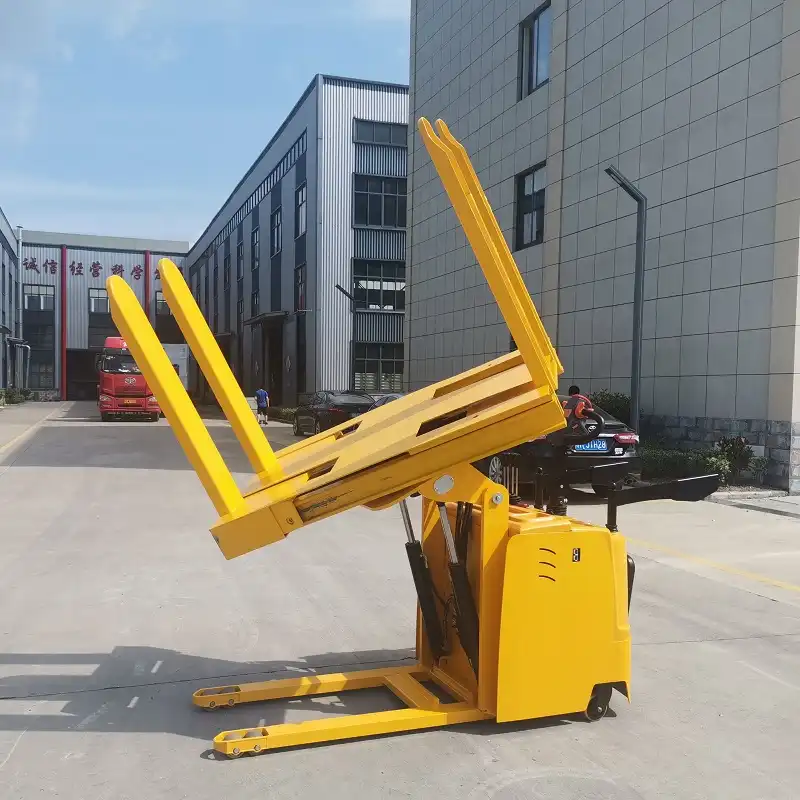
From my factory experience, I know that safe operations are efficient operations. When workers feel safe, they work better. When machines take over dangerous tasks, the whole system runs smoother and faster.
-
Reduced Worker Injuries and Enhanced Safety:
- Problem: Cold storage environments are risky. Floors can be slippery. Frozen goods are heavy and awkward to handle. Workers often rush. Manual pallet transfer means lifting hundreds of kilograms of product. This puts strain on backs, arms, and shoulders. Accidents, like dropping heavy loads or slipping, happen. These lead to sprains, fractures, and other serious injuries. Such incidents stop work and create major costs.
- Pallet Inverter Solution: A pallet inverter does the heavy lifting and rotating. Workers only load and unload pallets using forklifts or pallet jacks. They stand at a safe distance during the operation. This removes direct contact with heavy, potentially unstable loads. It also reduces exposure time in the harsh cold. Many modern inverters have safety features like light curtains or safety gates. They stop operation if someone gets too close.
- Benefit: This drastically lowers the risk of worker injuries. Fewer injuries mean lower insurance costs, less downtime, and a better working environment. This also helps with legal compliance for workplace safety.
-
Significant Increase in Operational Efficiency:
- Problem: Manual pallet changing is very slow. It takes several workers and a lot of time to move items from one pallet to another. This bottleneck slows down the entire warehouse. If you need to switch thousands of pallets each day, manual methods cause huge delays. These delays impact delivery times and customer satisfaction. It also means forklifts and other equipment are tied up longer.
- Pallet Inverter Solution: Pallet inverters work fast. They can complete a pallet change cycle in minutes, sometimes even seconds, depending on the model. This is much quicker than manual methods. They also allow for continuous flow. One pallet can be processed while another is being prepared. This speeds up inbound and outbound logistics significantly. The machine works consistently, without getting tired or making mistakes.
- Benefit: Faster pallet changes mean more pallets processed per hour. This boosts the overall throughput of the warehouse. It reduces labor hours per pallet. It also frees up forklifts for other tasks. This makes the entire operation much more productive.
-
Adaptability for Varied Pallet Requirements (e.g., wood to plastic):
- Problem: Many cold storage facilities need to switch from inbound wooden pallets to hygienic plastic pallets for internal use. Or they need to switch from one regional standard (like a US pallet) to another (like a Euro pallet) for export. Doing this by hand is a logistical nightmare. It is slow and prone to errors. It also requires a lot of space for staging products during the transfer.
- Pallet Inverter Solution: A pallet inverter is built for this. It handles different pallet sizes and materials with ease. You can load a wooden pallet, change it for a plastic one, and then process another type. The machine is flexible. It allows companies to meet specific hygiene rules or international shipping standards without interruption. This ensures product integrity from receiving to shipping.
- Benefit: This flexibility makes the warehouse more adaptable. It simplifies complex pallet management needs. It helps businesses avoid fines for non-compliant pallets. It also makes sure products are always on the right kind of pallet for each step of the journey.
These points show that a pallet inverter is not just a luxury. It is a necessary tool for safe and efficient frozen food handling. It makes a big difference in the daily operations of a cold storage facility.
What should Canadian businesses look for in a pallet inverter partner?
Choosing the right equipment is a big decision. But choosing the right partner is even bigger. As someone who built a packing machine factory, I know that true value comes from a relationship.
Canadian businesses should look for a pallet inverter partner that offers robust, cold-resistant equipment, provides strong local support and spare parts, understands specific industry needs like hygiene and product integrity, and offers flexible solutions for diverse pallet types and operational scales.

I believe in building trust. A good partner does not just sell you a machine. They help you succeed. This is especially true for the unique challenges of Canadian logistics.
-
Equipment Built for Canadian Cold and Harsh Conditions:
- Problem: Standard industrial equipment might not last long in the extreme cold of a Canadian freezer or refrigerated warehouse. Cold temperatures can make metal brittle, affect hydraulic fluids, and damage electrical components. Motors might struggle. Seals can fail. This leads to frequent breakdowns. These breakdowns are costly and stop operations.
- What to Look For: A reliable partner offers pallet inverters specifically designed or adapted for cold environments. This means using special cold-resistant steel. They use low-temperature hydraulic oil. They have heated electrical cabinets. They use durable seals and components that can handle freezing temperatures. The machine should also be robust enough to handle heavy loads consistently, day in and day out, without problems.
- Benefit: This specialized design ensures the machine works reliably, even in the coldest conditions. It reduces maintenance needs and extends the lifespan of the equipment. This protects your investment and keeps your operations running smoothly.
-
Strong Local Support and Availability of Spare Parts:
- Problem: Even the best machine might need service or parts. If your supplier is far away, or parts are hard to find, a small breakdown can become a long, expensive delay. Shipping parts internationally takes time and money. Delays in frozen food handling mean massive losses. For a Canadian business, this is a major concern due to vast distances.
- What to Look For: Choose a partner with a strong presence or network in Canada. They should have local technicians who can respond quickly. They must also keep a good stock of spare parts within the country. Ask about their service response times and parts availability guarantees. A good partner offers training for your team too.
- Benefit: Local support means faster repairs and less downtime. Quick access to parts keeps your operations moving. It minimizes disruption and financial loss. This also builds a long-term relationship based on trust and reliability.
-
Understanding of Food Industry Hygiene and Compliance:
- Problem: The food industry has strict rules for hygiene. Equipment needs to be easy to clean. It must not harbor bacteria. Materials used in the machine should be food-grade where necessary. If a pallet inverter is not designed with these rules in mind, it can become a source of contamination. This puts your products and brand at risk.
- What to Look For: A partner should understand the unique hygiene demands of frozen food. They should offer features like stainless steel construction for easy washdown. They should have smooth surfaces to prevent dirt buildup. They should know about HACCP principles. They should also understand Canadian food safety regulations. They should be able to advise you on how their equipment fits into your overall hygiene plan.
- Benefit: This ensures your pallet inverter helps you meet all food safety and regulatory standards. It reduces the risk of contamination. It protects your brand’s reputation and avoids costly compliance issues.
-
Flexible Solutions for Diverse Needs and Scalability:
- Problem: Businesses grow and change. Your pallet needs might change. You might handle new product types. You might need to expand your operations. A rigid, one-size-fits-all solution might not work in the long run. You need equipment that can adapt.
- What to Look For: A good partner offers a range of pallet inverter models. They should have options for different load capacities, cycle speeds, and automation levels (manual, semi-automatic, fully automatic). They should be able to customize solutions to fit your specific warehouse layout and product types. They should also be able to scale their solutions as your business grows. This shows they are thinking about your future.
- Benefit: Flexibility means you get a solution that truly fits your needs now and in the future. You are not forced into a system that is too big or too small. This optimizes your investment. It helps your business adapt to new challenges and opportunities.
Choosing the right partner means choosing a company that supports your success. They will help you find the best solution for your unique challenges in Canadian frozen food handling.
Conclusion
Pallet inverters are essential for any Canadian business handling frozen food. They protect delicate products from damage, make workplaces safer for employees, and boost overall efficiency. By understanding the unique challenges of cold environments and choosing a reliable partner, businesses can ensure their operations run smoothly. Investing in a pallet inverter means investing in product integrity, worker safety, and long-term success.








