
Which pallet inverter offers the best performance for handling sensitive electronics components?
Imagine the sheer panic: a critical shipment of delicate electronic components, worth a fortune, gets damaged simply because of rough handling during a pallet change. The delays, the financial losses, the lost trust from clients—it is a nightmare scenario many warehouse managers face. This problem is real, it is costly, and it impacts your entire supply chain.
For handling sensitive electronics, the pallet inverter offering the best performance typically features gentle, controlled clamping, smooth hydraulic operation, and precise 90-degree or side-clamp rotation, minimizing shock and vibration to protect fragile components from damage and electrostatic discharge.
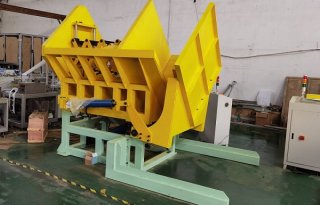
Choosing the right equipment for electronics is not just about moving pallets. It is about safeguarding high-value goods, ensuring operational flow, and protecting your bottom line. I have spent years in the packing machine industry, watching businesses thrive and falter based on their equipment choices. Let us explore how the right pallet inverter can solve your biggest challenges.
Why are sensitive electronics components so challenging to handle with traditional pallets?
Handling electronic components with standard methods can feel like walking a tightrope. One wrong move and you face significant losses. This problem causes immense stress for logistics managers. The unique nature of these products demands specific care.
Sensitive electronics components are challenging to handle due to their inherent fragility, susceptibility to electrostatic discharge (ESD), the need for cleanroom environments, and their high monetary value, making traditional, rough pallet handling methods risky.
Electronic goods are not like ordinary cargo. They are delicate. They break easily. Even small impacts or vibrations can ruin internal circuits. Think about a circuit board. Its fine wiring and tiny components are very vulnerable. Drops are a big problem. Even small bumps cause damage you cannot see right away. This often leads to failures later on.
1. Fragility and Physical Damage Risks 💔
Many electronic parts, such as circuit boards, LCD screens, and even complete devices, are extremely fragile. They are designed for precision, not for rough handling. Vibrations during movement can loosen connections. Impacts can crack components. A standard pallet change often involves tilting or rotating the entire load. If this movement is not smooth, it creates stress on the items. This stress causes micro-fractures or disconnections within the electronics. These damages are not always visible. You might only discover them when the product fails in the field. This leads to costly returns and reputation damage.
2. Electrostatic Discharge (ESD) Vulnerability ⚡
This is a silent killer for electronics. ESD is the sudden flow of electricity between two objects. It happens when you touch something. For human beings, it is just a small shock. For sensitive electronics, it is devastating. An invisible static discharge can damage or destroy microchips. It compromises their functionality. Standard warehouse environments are full of static electricity. Moving pallets around, especially on dry days, builds up static. A regular pallet inverter might not have ESD protection. This exposes components to high risk during the transfer. Preventing ESD needs special care. It needs grounded equipment and anti-static materials.
3. Contamination and Cleanroom Requirements 🧼
Electronic components, especially those used in high-tech devices, require a clean environment. Dust, debris, or even small fibers can interfere with their operation. Some electronics need to be handled in controlled cleanroom conditions. A traditional pallet inverter might not meet these standards. It could introduce contaminants. It might stir up dust. This compromises the integrity of the components. Maintaining a clean handling process is crucial. It prevents costly rejections or malfunctions.
4. High Value and Financial Impact 💰
Electronics are often high-value goods. A single damaged pallet can represent thousands, or even tens of thousands, of dollars in losses. Imagine a whole shipment of new smartphones or specialized medical devices. Any damage is not just a nuisance. It is a major financial hit. It affects profit margins. It causes insurance claims. It also harms customer relationships. As a packing machine engineer, I have seen too many instances where a small oversight in handling led to massive financial pain for businesses. This is why investing in the right equipment is not an expense. It is a safeguard.
What specific types of pallet inverters excel at protecting delicate electronic goods?
Choosing the wrong pallet inverter for delicate electronics is a gamble. The wrong machine increases damage risks. It slows down your operations. This causes frustration and financial loss. The good news is, specific inverter types are designed to handle these challenges.
For delicate electronic goods, 90-degree tippers with gentle clamping, side clamp pallet changers, and table-style pallet inverters are the most effective. These systems prioritize minimal movement, stable support, and precise control, ensuring the integrity of fragile components during the pallet exchange process.

I know from my years in the industry that one size does not fit all. For electronics, you need solutions that truly understand fragility. Here are the types that perform best.
1. 90-Degree Tippers with Gentle Clamping 🔄
This type of pallet inverter is often a top choice for electronics. It works by clamping the load securely from the top and bottom. Then, it gently rotates the entire stack by 90 degrees. This movement is smooth and controlled. It minimizes any dropping or sudden shifts. The key is the gentle clamping mechanism. It applies just enough pressure to hold the load firm. It does not crush or damage the outer packaging. This makes it ideal for boxed electronic components. The 90-degree rotation means the product itself stays largely in its original orientation relative to the ground for most of the process. It is a very safe method.
2. Side Clamp Pallet Changers ↔️
Side clamp pallet changers are excellent for very unstable loads. They are also good for items with varying heights. These machines grip the load from the sides. They secure it tightly. This design means the top and bottom of the load are not directly pressed. This reduces vertical stress. The load remains stable throughout the exchange. It is great for stacks of electronics. It is also good for irregular packaging. These can be particularly useful when you have a mix of Euro, US, or plastic pallets. The side clamp can adjust to different dimensions. This ensures consistent handling. Carlos, in his role, would find this adaptability very valuable for his varied international shipments.
3. Table-Style Pallet Inverters 🔀
Table-style pallet inverters provide a flat surface for loads. This is beneficial for tall or extremely unstable stacks of electronics. The entire load moves as a single unit on a stable platform. There is no risk of items shifting or falling. Some designs even allow the old pallet to be removed and a new one inserted from below. This keeps the product entirely flat. This method is incredibly gentle. It is also very secure. It is ideal for highly sensitive or heavy electronic equipment where any tilting could be risky.
4. Special Considerations for Extreme Environments ❄️🔥
Some electronics, like those for aerospace or medical applications, might need handling in very specific temperature conditions. If your components need to stay frozen or refrigerated, you might look at specialized freezer pallet inverters. These units are built to operate reliably in cold storage. They prevent thermal shock during the pallet exchange. This protects temperature-sensitive components. My experience tells me that considering these environmental factors upfront saves a lot of headaches later.
Pallet Inverter Types for Electronics: A Comparison
| Pallet Inverter Type | Best For | Key Advantage for Electronics | Consideration |
|---|---|---|---|
| 90-Degree Tipper | Boxed electronics, stable stacks | Gentle, controlled rotation; minimal shifting | Requires stable, evenly stacked loads |
| Side Clamp Changer | Unstable loads, varied heights, mixed pallets | Grips from sides; reduces vertical stress on items | Load needs to be rigid enough to withstand side pressure |
| Table-Style Inverter | Very tall/unstable loads, extremely fragile | Keeps load flat; maximum stability | Can be slower for high-volume operations |
These specialized systems significantly reduce the risk of damage. They protect your valuable electronics. They keep your operations running smoothly.
Which crucial features define a top-performing pallet inverter for electronics handling?
Choosing a pallet inverter without the right features is a recipe for disaster. Generic machines simply cannot offer the protection sensitive electronics need. This leads to damaged goods, unhappy customers, and lost revenue. You need specific features to ensure top performance.
A top-performing pallet inverter for electronics handling is defined by crucial features such as variable pressure clamping, anti-static (ESD safe) construction, smooth hydraulic operation, precise control systems, and robust safety interlocks, all designed to protect fragile components and optimize warehouse efficiency.
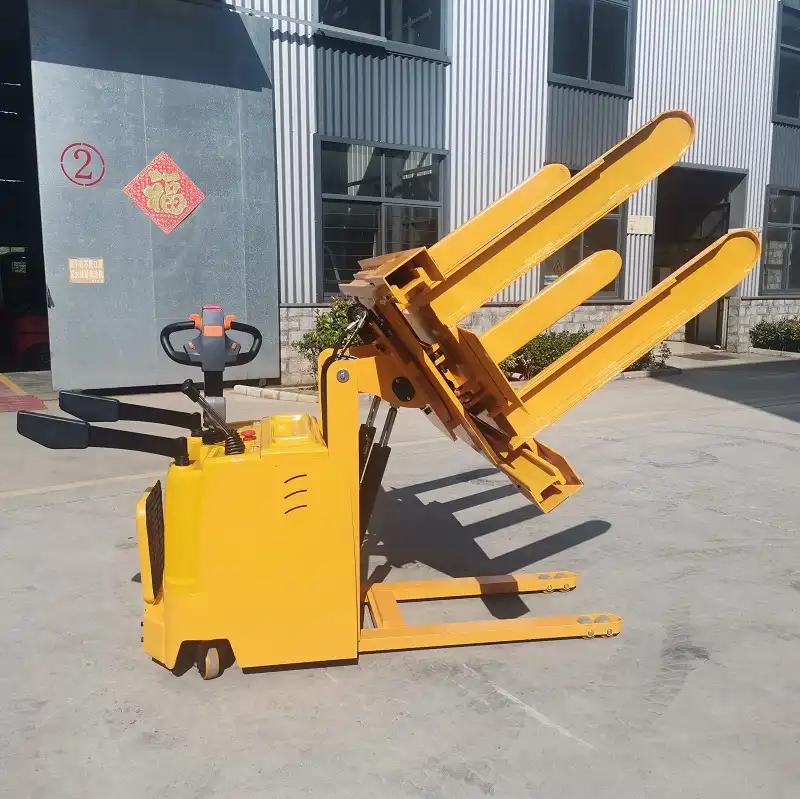
I have seen countless systems. I have helped design many. From my experience, certain features are non-negotiable when it comes to electronics. These are the elements that separate the best from the rest.
1. Variable Pressure Clamping System 🤏
This feature is paramount. It allows the machine to adjust the clamping force precisely. Different electronic goods come in different packaging. Some are in sturdy boxes. Others are in lighter cartons. Too much pressure can crush products. Too little pressure means the load can shift. A variable pressure system detects the load. It applies the correct amount of force. This secures the load firmly without causing any damage. It ensures consistent, safe handling every time. This protects even the most delicate items.
2. Anti-Static (ESD Safe) Design and Materials 🛡️
As discussed, ESD is a major threat to electronics. A top-performing pallet inverter must address this. It should incorporate anti-static materials in its construction. This includes conveyor belts, clamping surfaces, and floor contact points. The machine itself should be properly grounded. This dissipates any static electricity buildup. It prevents discharge to your sensitive components. This feature is not optional for electronics. It is essential. Without it, you are putting your valuable inventory at risk every time you use the machine.
3. Smooth, Controlled Hydraulic or Electric Operation 🚀
Jerky movements are bad for electronics. They cause vibrations and sudden impacts. A top-performing inverter uses advanced hydraulic or electric systems. These systems provide extremely smooth and gradual acceleration and deceleration. The rotation or clamping action should be fluid. It should have no jolts. This gentle movement protects internal components from stress. It prevents items from shifting within their packaging. Precision control is key here. It allows for a delicate touch throughout the entire process.
4. Advanced Safety Features and Interlocks 🔒
Safety is always a priority. For electronics, it is about protecting both the product and the operator. A superior pallet inverter includes multiple safety features. These include light curtains, emergency stop buttons, and overload sensors. Light curtains create an invisible barrier. If a person enters, the machine stops immediately. Overload sensors prevent the machine from handling weights beyond its capacity. This prevents damage to the machine. It also protects the load. These interlocks ensure that the machine operates safely. They minimize risks of accidents.
5. Adaptability to Multiple Pallet Specifications 📦
Carlos’s experience with Euro, US, and plastic pallets highlights a common need. A top-performing inverter should easily adapt to different pallet sizes and types. This might involve adjustable clamps or modular platforms. The ability to handle diverse pallet specifications without lengthy changeovers is critical. It supports flexible logistics operations. It ensures compliance with various international shipping requirements. This adaptability reduces bottlenecks. It keeps goods moving.
6. Durable Construction and Minimal Maintenance 🛠️
Any equipment in a busy warehouse needs to be robust. It needs to last. A top-performing pallet inverter for electronics is built with high-quality, durable materials. It has components that withstand continuous operation. It also requires minimal maintenance. This reduces downtime. It ensures reliable performance day after day. My own experience building factories taught me that reliability is everything. A machine that constantly breaks down costs more than it saves.
My journey in this industry showed me the importance of these details. I once helped a client who handled high-end audio equipment. They initially bought a basic inverter. They faced constant damage reports. We upgraded their system. We added variable clamping and ESD protection. Their damage rates plummeted. This directly translated into better profits and happier customers. These features truly make a difference.
How does a specialized pallet inverter boost warehouse efficiency and safety for electronics logistics?
Manual pallet changes in electronics logistics are a drain. They are slow, risky, and expensive. This problem leads to bottlenecks, worker injuries, and costly product damage. Warehouse managers often feel caught between speed and safety.
A specialized pallet inverter boosts warehouse efficiency by automating rapid pallet changes, reducing manual labor, and increasing throughput for electronic goods. It enhances safety by eliminating hazardous manual handling, protecting both workers from injury and valuable electronics from damage or ESD risks.
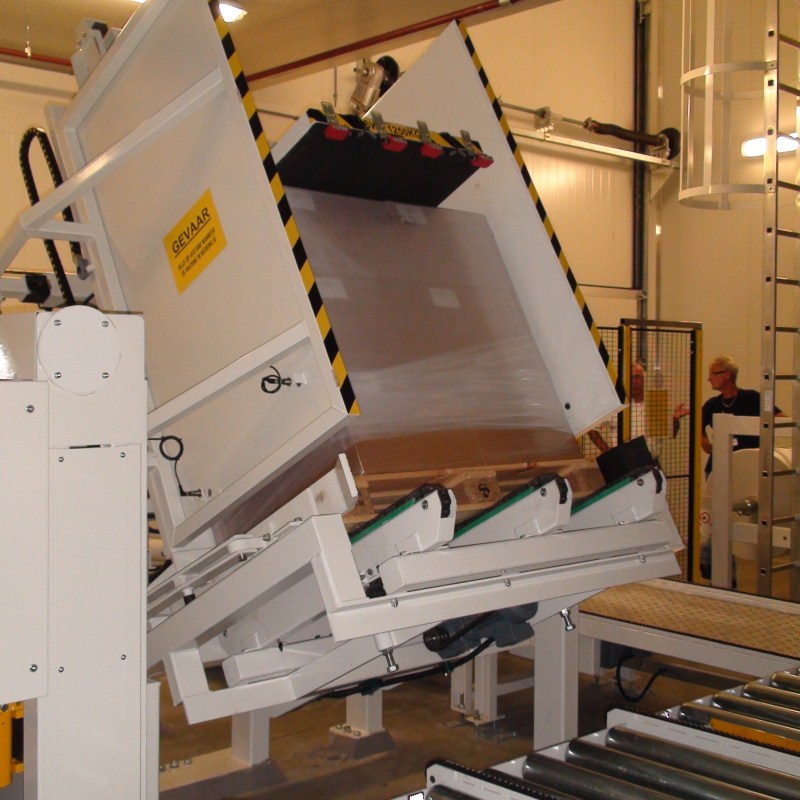
I have seen the transformation firsthand. Companies that embrace automation in pallet handling gain a significant competitive edge. It is about working smarter, not just harder.
1. Increased Throughput and Speed ⚡
Manual pallet changes are slow. They interrupt the flow of goods. They require multiple workers. A specialized pallet inverter automates this process. It performs pallet exchanges quickly and consistently. This drastically reduces the time needed for this task. It eliminates bottlenecks at critical points in the warehouse. For Carlos, dealing with thousands of pallets daily, this speed translates into faster dispatch times. It helps him meet the demanding delivery schedules of e-commerce and retail clients. Goods move out the door faster.
2. Reduced Labor Costs and Dependence 📉
Labor is expensive. Finding skilled warehouse staff is getting harder. Manual pallet changing is physically demanding work. It is not attractive to younger workers. A specialized pallet inverter often reduces the need for multiple workers for this task. Sometimes, one operator can manage the machine. This directly addresses the labor shortage challenge. It lowers operational costs. It frees up staff for other, more value-added activities. This is a direct benefit for any logistics manager looking to optimize resources.
3. Enhanced Worker Safety and Reduced Injuries 🚑
Manual pallet handling carries significant risks. Workers can strain their backs. They can suffer crushed fingers. They can drop heavy loads, causing injuries. Flipping pallets by hand, or using makeshift methods, is dangerous. Pallet inverters remove workers from these hazardous situations. The machine performs the heavy lifting and tilting. This significantly reduces the risk of workplace accidents and injuries. For Carlos, this means fewer medical claims. It means less time lost to injury. It means a safer work environment for his team. This is a crucial aspect of responsible management.
4. Minimized Product Damage and Claims 📦
As we know, electronics are fragile. Manual handling is inherently inconsistent. It leads to more accidental damage. A specialized pallet inverter offers consistent, gentle, and controlled handling. This drastically reduces the incidence of product damage. Fewer damaged goods mean fewer returns. It means fewer customer complaints. It means less financial loss from unsellable inventory. The precision of the machine also reduces the risk of ESD events. This protects the integrity of the electronics. This boosts overall product quality and customer satisfaction.
5. Improved Compliance and Standardization 🌍
International shipping often requires specific pallet types. Switching between Euro and US pallets is a daily task for Carlos. A specialized inverter ensures these changes are done efficiently. It does so while maintaining product integrity. This helps meet strict international compliance standards. It avoids delays at customs. It prevents contract penalties. The automated process also brings a level of standardization to handling. This reduces errors. It improves overall warehouse management. This standardization supports smooth international logistics.
In my early days, before FHOPEPACK, I saw warehouses struggling with these very issues. They relied on manual labor for everything. They faced high injury rates and constant product damage. Introducing even semi-automated solutions brought immediate improvements. It was clear then, as it is now, that smart automation is key to both efficiency and safety.
My Insights: What I Look for in a Pallet Inverter Partner for Electronics?
Many companies simply want to sell you a machine. But for sensitive electronics, you need more than just a piece of equipment. If your supplier offers poor support, or if their machine breaks down, it causes major problems. You need a reliable, long-term partner.
As someone who built a successful packing machine factory, I believe a true partner for electronics pallet inverters offers deep industry understanding, highly customizable solutions, exceptional post-sales support, and a proven track record of reliability and innovation, not just a product. They should solve your challenges, not just sell you hardware.
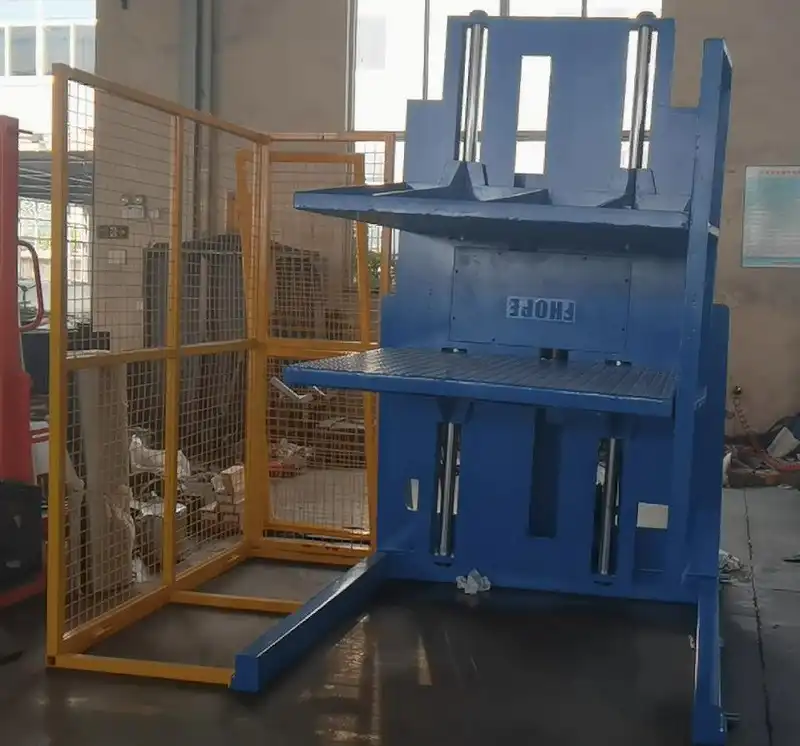
I started as an employee. I built my own factory. I know what it takes to make a business succeed. I also know what clients truly need. It is not just the machine. It is the trust, the support, and the shared vision for growth. Here is what I value in a partner.
1. Deep Industry Expertise and Understanding 🧠
A good partner understands the unique challenges of electronics. They know about ESD. They understand fragility. They grasp the need for precision. They do not just sell a generic pallet inverter. They recommend a solution tailored to your specific components and warehouse environment. They can speak your language. They can anticipate your problems. This kind of specialized knowledge is invaluable. It ensures you get a solution that truly fits.
2. Customization and Flexibility in Solutions 🧩
No two warehouses are identical. Your pallet sizes, your throughput, your specific types of electronics—these all vary. A true partner offers customizable solutions. They can adapt their pallet inverters to handle your specific Euro, US, or plastic pallet dimensions. They can integrate the machine into your existing line. They can modify features to meet unique handling requirements. This flexibility is what separates a solution provider from a mere vendor. It ensures the equipment works seamlessly for your operations.
3. Robust After-Sales Support and Service 📞
Even the best machines need maintenance. They sometimes need spare parts. What happens when your machine breaks down? A strong partner offers prompt, knowledgeable after-sales support. They have readily available spare parts. They provide clear maintenance guides. They offer technical assistance when you need it most. Carlos, as a manager, understands the critical importance of uptime. He cannot afford extended periods of downtime. Reliable service means your operations keep running. It means minimal disruption.
4. Proven Reliability and Durability 🏆
The pallet inverter will operate in a demanding environment. It needs to be durable. It needs to be reliable. A reputable partner provides machines built to last. They use high-quality components. Their designs are robust. They have a track record of machines performing well over long periods. I am always looking for evidence of reliability. This means case studies. It means testimonials. It means machines that can handle the intense daily demands of a busy distribution center. This is crucial for long-term cost-effectiveness.
5. A Shared Commitment to Safety and Compliance ✅
Finally, a true partner aligns with your values. They prioritize safety. They ensure their machines meet international safety standards. They are also aware of environmental compliance. They understand how critical a safe working environment is. They also understand how important product integrity is. This shared commitment creates a foundation of trust. It ensures that the solutions they provide not only boost efficiency but also protect your people and your products. This is the kind of partnership I always aim to build at FHOPEPACK.
I have helped many clients achieve financial independence by providing the right packing and handling solutions. My goal is to give back. I want to share my knowledge. I want to help you succeed. Choosing the right partner means you are investing in peace of mind. You are investing in future growth.
Conclusion
Selecting the best pallet inverter for sensitive electronics components is a critical decision. It directly impacts your efficiency, safety, and bottom line. By prioritizing machines with features like variable pressure clamping, anti-static design, smooth operation, and robust safety, you protect valuable goods and streamline operations. Remember, choosing the right pallet inverter and partner ensures long-term success, reducing damage, enhancing worker safety, and cutting operational costs effectively.








