
Which pallet inverter helps engineers optimize workflow in e-commerce sorting hubs?
Are you feeling the constant pressure in your e-commerce sorting hub? The demand for faster delivery keeps growing, and your team works harder to meet it. This often means dealing with different pallet types, tight deadlines, and the worry of worker safety. These issues can slow everything down, cause mistakes, and hurt your bottom line. It feels like you are always putting out fires instead of focusing on growth.
The best pallet inverter for e-commerce sorting hubs is typically a fully automatic, inline pallet changing machine. It handles diverse pallet types like Euro and US standard pallets without manual intervention. This system increases throughput, reduces labor needs, and significantly improves safety, directly helping engineers optimize their workflow.
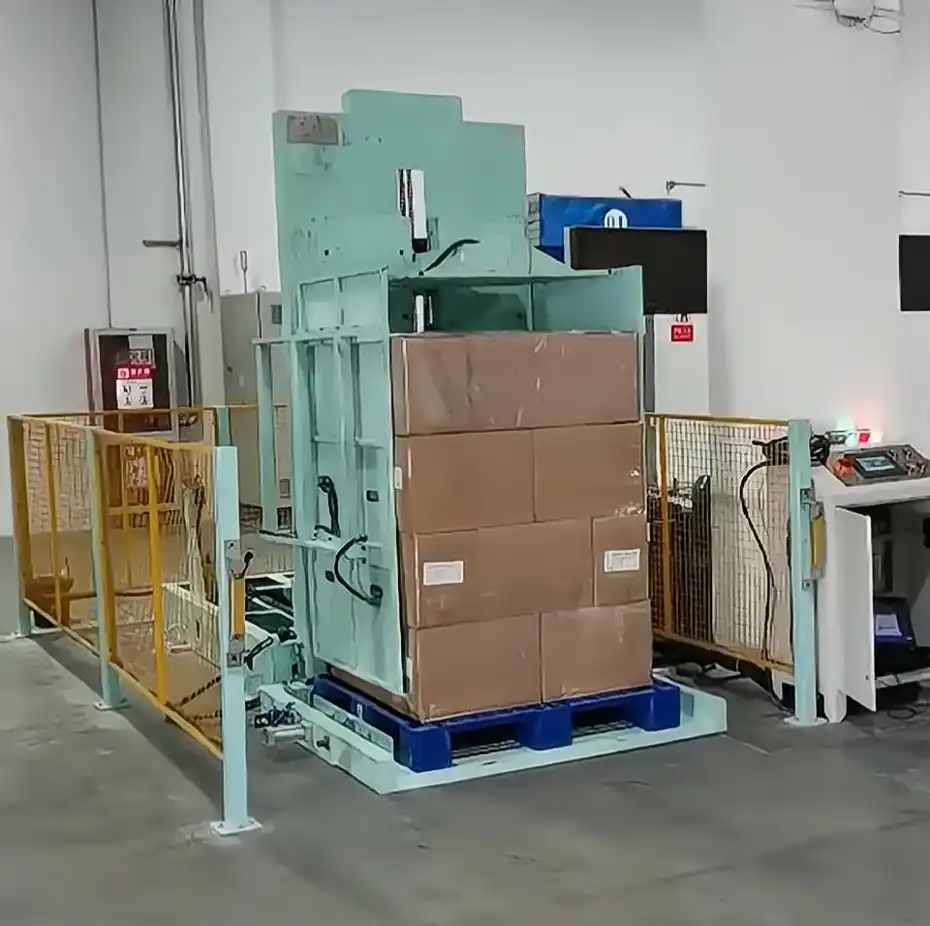
I understand these challenges well. In my years in the packing machine industry, I have seen many companies struggle with similar problems. But there are smart solutions. Let me share how the right pallet inverter can transform your operations, making things smoother and safer for everyone.
Why do e-commerce sorting hubs struggle with pallet management?
Do you often feel like your warehouse is a complex puzzle? You need to move goods quickly, but different pallet sizes and manual handling keep creating roadblocks. This constant struggle can lead to costly delays and unhappy customers. It feels like you are always one step behind.
E-commerce sorting hubs struggle with pallet management because of the high volume of goods, the need to handle diverse pallet specifications (like Euro, US, and plastic pallets), and the increasing pressure for faster order fulfillment. Manual pallet changes are slow, error-prone, and risky, making automation essential.
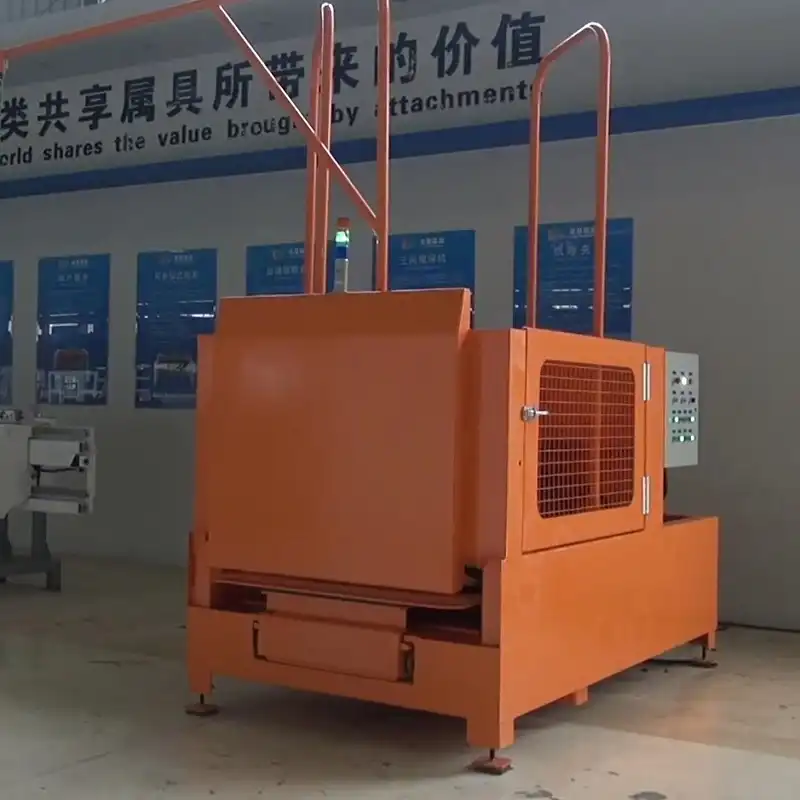
When I first started in the packing machine industry, I saw how much time and effort went into just moving things around. This problem is even bigger today in e-commerce. You are not just storing items; you are constantly sorting and shipping. This means pallets are always moving. My clients, much like Carlos in Spain, often tell me about their daily battles. They need to switch pallets for different countries, deal with labor shortages, and ensure no one gets hurt. These hubs are designed for speed. Any bottleneck, especially at the pallet level, causes a ripple effect. This impacts shipping times, adds to labor costs, and even creates safety hazards. The traditional ways of handling pallets just cannot keep up with the demands of modern e-commerce. This is why we need to rethink how we manage these essential processes.
-
High Volume and Velocity: E-commerce businesses process thousands of orders daily. Goods arrive and leave the warehouse at a very fast pace. This high speed means any manual step becomes a major bottleneck. For example, my client once told me how their sorting hub in Barcelona handled over 5,000 pallets a day. Manually checking and changing each pallet took too much time. This slows down the entire system. Fast moving goods need fast moving solutions.
-
Diverse Pallet Specifications: E-commerce often involves international shipping. Different regions use different pallet sizes and types. For instance, Europe uses Euro pallets (1200x800mm), while the US uses GMA pallets (48×40 inches). There are also plastic, wood, and specialized hygienic pallets. Switching between these different types is a must. If you do this by hand, it takes a lot of effort and causes mistakes. One of my first projects involved helping a food distributor with this exact issue. They shipped to multiple countries and needed a flexible way to switch pallets without damaging products.
-
Labor Shortages and Safety Risks: Finding skilled labor for warehouse work is getting harder. Younger workers often do not want to do heavy lifting. This makes manual pallet handling a big challenge. Also, manually flipping or changing heavy pallets is dangerous. Workers can get injured. Products can fall and break. I have personally seen accidents happen because workers tried to move pallets in unsafe ways. These accidents are bad for workers and costly for the company. They lead to higher insurance rates and fines. My job at FHOPEPACK is to help companies find safer ways to work.
-
Customer Expectations and Compliance: Today’s customers expect very fast delivery. This means sorting hubs must work as efficiently as possible. Also, different countries have strict rules for pallet hygiene and size. You must follow these rules. If you do not, shipments get delayed. This leads to customer complaints and even contract penalties. A smart system helps ensure everything is correct and on time. It is about keeping promises and staying compliant.
What kinds of pallet inverters best fit the fast pace of e-commerce?
Are you searching for a solution that truly matches the speed and demands of your e-commerce sorting hub? Many machines promise efficiency, but you need something built for high-volume, quick changes. Choosing the wrong type can leave you still struggling with slow processes and high costs.
For the fast pace of e-commerce, the best pallet inverters are typically fully automatic, inline 180-degree pallet changers and specific heavy-duty reclining models. These machines offer high throughput, minimal manual input, and the flexibility to switch between various pallet types quickly and safely.
When I help my clients, like Carlos, find the right equipment, I always focus on their specific needs. E-commerce is not like other industries. It needs speed, flexibility, and reliability above all else. A standard pallet truck simply cannot do the job. We are looking for something that handles continuous operations without breaking down. We also need machines that adapt to different pallet sizes without causing a new bottleneck. This means moving beyond simple pallet transfer. We need machines that can invert or change pallets in a smooth, integrated way. My experience has shown that certain types of pallet inverters truly shine in these demanding environments.
-
Fully Automatic, Inline 180-Degree Pallet Changers: These machines are ideal for e-commerce. They integrate directly into a conveyor system. This means no stopping for manual loading or unloading. They can switch a loaded pallet from one type to another (e.g., wood to plastic) in a few seconds. The 180-degree rotation allows for a complete pallet change without disturbing the product. This is crucial for fragile goods or unstable loads. I recall a client who shipped bottled beverages. They needed to move products from their internal wooden pallets to export-ready plastic pallets. An inline 180-degree changer made this seamless. It reduced product damage and sped up their entire packing line. The machine does the work, not your staff. This boosts safety and throughput.
-
Heavy-Duty Reclining or Tilting Pallet Inverters: These are also very effective, especially for heavier or more delicate loads. They gently recline or tilt the entire pallet and its contents. This allows workers to replace the bottom pallet with a new one. This method is slower than a 180-degree inline system. However, it offers extreme stability for very heavy or unstable loads. It is great for specific items that cannot handle a full inversion. For instance, I worked with a company that handled large rolls of material. A reclining inverter kept the product stable during the pallet swap. This reduced the risk of product damage. It also kept workers safe from heavy, falling items.
-
Stand-Alone Pallet Inverters with Hydraulic Clamp: These machines are more versatile for smaller operations or specific tasks within a larger hub. They use hydraulic clamps to hold the load securely. Then, they rotate it to allow for pallet exchange. They are not inline. This means they require forklifts or pallet jacks to bring in and take out pallets. They offer flexibility for different load sizes. They are great for tasks where you do not need continuous, high-speed changing. They are also good for areas where space is limited. They still greatly improve safety compared to manual methods. But they do require more human interaction.
-
Specialized Pallet Transfer Systems: Some e-commerce hubs need very specific solutions. These include systems for freezer environments or cleanroom settings. These specialized systems often use air-blown or vacuum transfer methods. They move goods from one pallet to another without any inversion. They are for very sensitive products. These systems are not common for general sorting hubs. However, they show how varied pallet handling can be. Each type of inverter helps solve a unique problem. The key is to match the inverter to the specific needs of your operation. My goal is always to find the perfect fit.
How does a pallet inverter directly improve safety and cut costs in the warehouse?
Are you tired of constantly worrying about workplace accidents and rising operational costs? Manual pallet handling often leads to injuries and inefficiencies. It feels like a never-ending cycle of risks and expenses. You need a clear path to a safer, more cost-effective warehouse.
A pallet inverter directly improves safety by eliminating dangerous manual handling of heavy loads, reducing the risk of injuries and product damage. It cuts costs by lowering labor expenses, preventing fines from non-compliance, and decreasing product loss, leading to a safer and more efficient workflow.
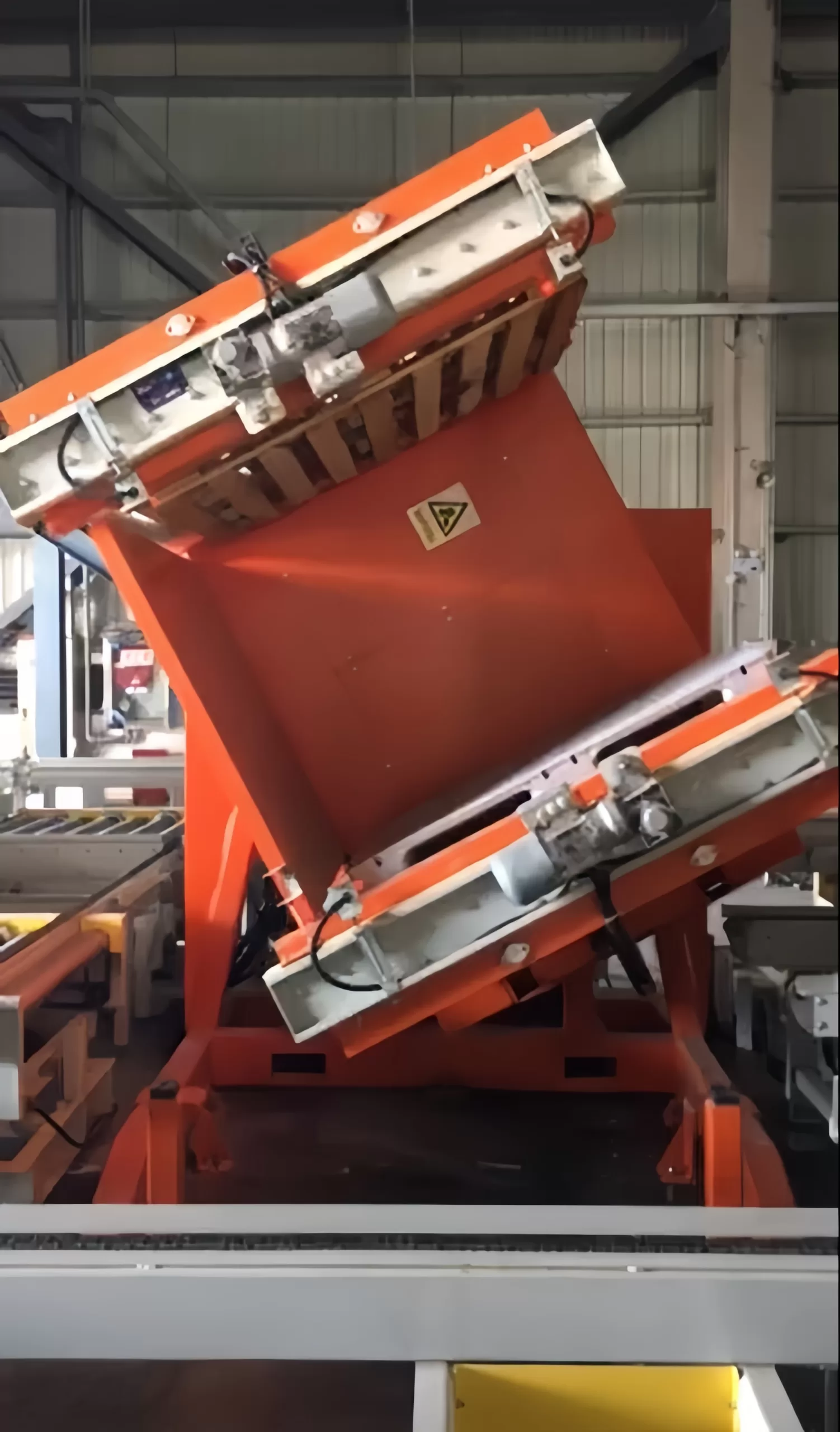
My journey in the packing machine industry started on the factory floor. I saw firsthand the dangers workers faced every day. Moving heavy pallets by hand, or even trying to flip them with basic equipment, always carried huge risks. It was not just about workers getting hurt. It was also about damaged goods, slow processes, and unhappy clients. When I started FHOPEPACK, one of my main goals was to bring solutions that made workplaces safer and more efficient. Pallet inverters are a prime example of this. They are not just machines; they are investments in your team’s well-being and your company’s financial health. They take away the most dangerous parts of pallet handling, letting your team focus on more valuable tasks. This shift makes a huge difference in both safety records and the bottom line.
-
Eliminating Manual Handling Hazards: The biggest safety improvement comes from removing manual handling. Workers no longer need to lift, push, or awkwardly move heavy pallets. Pallet inverters do all the heavy lifting. This greatly reduces injuries like back strains, crushed limbs, and sprains. I remember a client in a food processing plant where workers frequently reported back pain from manual pallet changes. After installing an inverter, those incidents dropped to almost zero. This also means fewer lost workdays. It also means lower workers’ compensation claims. It creates a much safer work environment for everyone.
-
Reducing Product Damage and Spillage: When pallets are handled manually or with unsuitable equipment, product damage is common. Items can fall, shift, or get crushed. This leads to waste and financial loss. A well-designed pallet inverter holds the load securely during the entire transfer process. This prevents movement and damage. For example, a beverage company stopped seeing broken bottles during pallet swaps after they got a proper inverter. This saves money on damaged goods. It also protects your reputation with clients.
-
Lowering Labor Costs: Pallet inverters can do the work of several people. In a busy e-commerce hub, this means you need fewer workers for pallet changes. This is very important when labor is scarce or expensive, like in Spain. It helps optimize your workforce. Instead of doing heavy, repetitive tasks, your staff can do more complex, value-adding jobs. I saw a distribution center reduce its pallet changing team by 70% after installing an automated system. This was a massive saving for them. It also freed up their staff to work on other parts of their operation that needed more human intelligence.
-
Ensuring Compliance and Avoiding Penalties: Different countries have strict rules about pallet hygiene and dimensions. If you ship goods on the wrong pallet type, or on a dirty one, your shipment can be stopped. This leads to delays, fines, and angry customers. Pallet inverters ensure you can quickly switch to the correct, clean pallet. This makes sure you meet all regulations. It avoids costly penalties. It also maintains customer satisfaction. This leads to smoother international trade operations. It protects your business from unnecessary costs and bad reviews.
What should engineers look for in a pallet inverter supplier for long-term success?
Are you worried about making a significant investment only to face endless problems later? Buying a pallet inverter is a big decision. You need more than just a machine. You need a partner who understands your challenges and will support you for years to come.
Engineers should look for a pallet inverter supplier that offers robust, reliable machines, provides comprehensive after-sales support and spare parts, and shows a deep understanding of warehouse automation. A supplier’s ability to offer customized solutions and a proven track record of long-term partnerships is crucial for success.
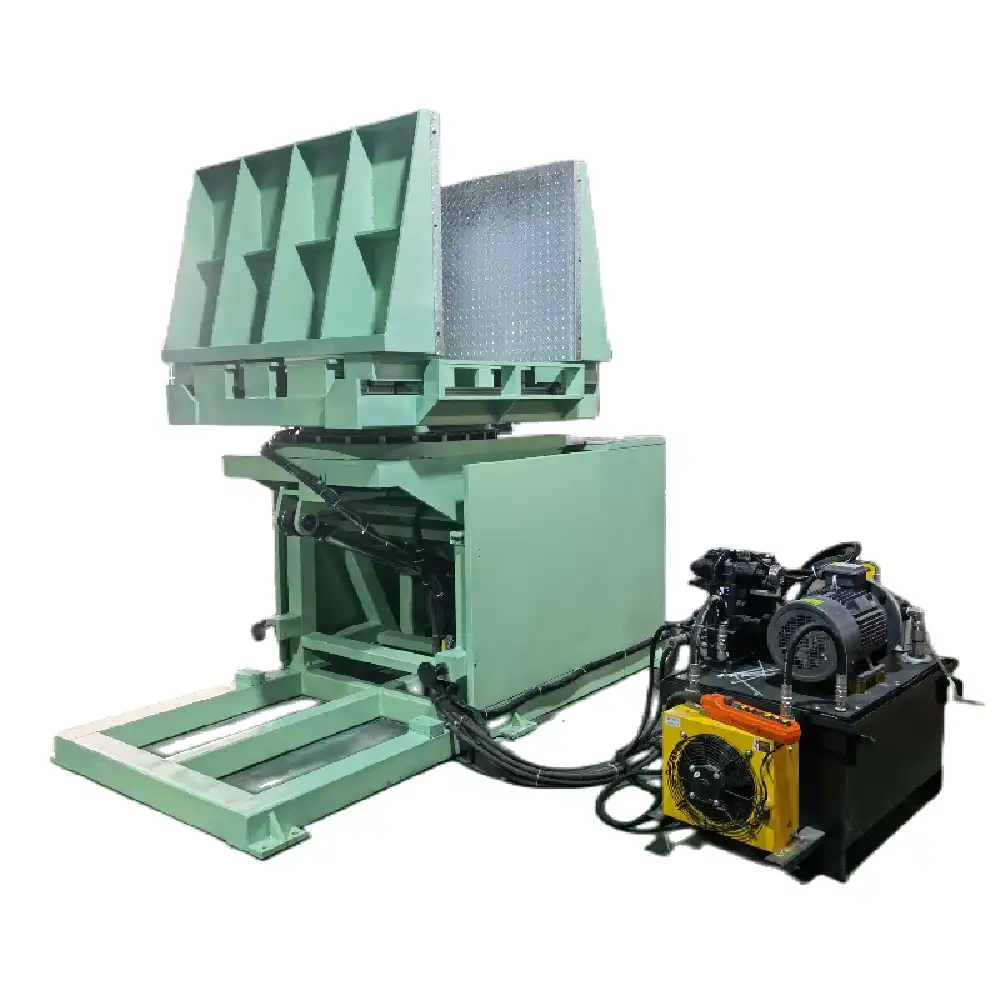
When I built FHOPEPACK, I knew I wanted to be different. I started as an employee, then built my own factory. This taught me that clients need more than just a sale. They need a partner. They need someone who understands their specific pains, like Carlos’s need for flexibility with Euro and US pallets. They need a supplier who is there long after the installation, ready to help with maintenance or new ideas. My clients often ask me for advice on equipment lifespan and support. It is not enough for a machine to work well on day one. It must keep working well for years. This means thinking about reliability, service, and how the supplier can help your business grow over time. This long-term view is what makes an investment truly successful.
-
Proven Reliability and Durability: A pallet inverter is a workhorse. It must withstand continuous, heavy use in a demanding environment. Look for machines built with high-quality materials and strong engineering. Check the supplier’s history. Ask for references from other clients. A reliable machine means less downtime. It also means fewer repair costs. This ensures your operations run smoothly without interruption. For example, I always tell clients to look for machines with strong steel frames and reliable hydraulic systems. These features mean the machine will last.
-
Comprehensive After-Sales Support and Spare Parts: Even the best machines sometimes need maintenance or spare parts. A good supplier offers quick, responsive technical support. They should also have a ready supply of spare parts. This ensures any issues are resolved fast. This minimizes downtime. I once bought a machine early in my career where the supplier vanished after the sale. Getting parts was a nightmare. This taught me the value of strong support. Ask about warranty, service contracts, and how quickly they can ship parts. This ensures your investment is protected.
-
Expertise in Warehouse Automation and Customization: Every warehouse has unique needs. A great supplier understands your specific challenges. They can offer solutions tailored to your operation. This means more than just selling a standard model. It means listening to your problems. It means suggesting the best type of inverter for your exact pallet sizes, load types, and throughput requirements. My team at FHOPEPACK often works with engineers to design custom layouts or modify standard machines. This ensures the solution truly fits your workflow, making it as efficient as possible.
-
Long-Term Partnership Approach: You are not just buying a machine; you are building a relationship. A supplier focused on long-term partnerships will be invested in your success. They will offer training for your staff. They will provide advice on future upgrades. They will share industry insights. This kind of partnership helps your business grow. It means you have a trusted advisor. This helps you adapt to new challenges, like those faced by Carlos. This ensures your pallet handling system remains effective and up-to-date for many years.
Conclusion
Optimizing workflow in e-commerce sorting hubs demands smart solutions. A modern pallet inverter system helps engineers tackle diverse pallets, labor shortages, and safety risks. It boosts efficiency, cuts costs, and ensures compliance. Choosing the right partner means long-term success and peace of mind.








