
Which pallet inverter design is safer for corrosive material handling in plants?
Handling corrosive materials in a plant presents unique challenges, especially when you need to move them safely. The wrong equipment can lead to spills, injuries, and costly downtime. I have seen many plants struggle with this over the years. You need a solution that protects both your products and your people. Is your current setup truly safe enough for the job?
For corrosive material handling in plants, a pallet inverter designed with stainless steel construction, enclosed hydraulic systems, and spill containment features is generally the safest option. These designs prevent material degradation, reduce leak risks, and manage accidental spills effectively, protecting both the product and the plant environment.
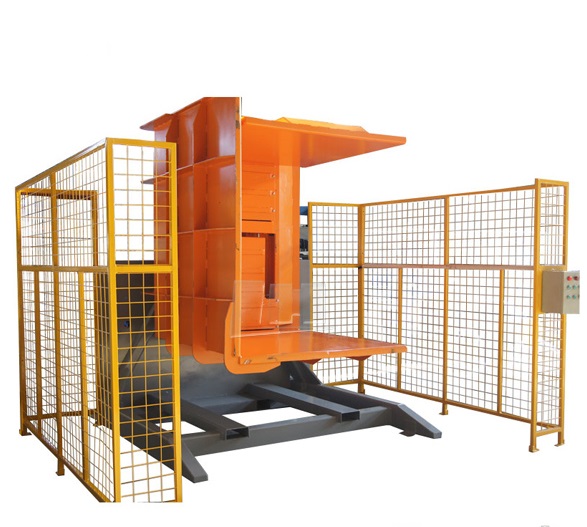
Understanding the core principles of safe pallet inversion is only the first step. To truly secure your operations and protect your team, you need to dig deeper into the specific design choices that make a difference. Let us explore the critical aspects of pallet inverter design for these demanding environments.
What types of pallet inverters exist for handling corrosive materials?
When you deal with corrosive materials, not all pallet inverters are equal. Choosing the wrong type can expose your team to unnecessary risks. This is about more than just moving pallets. It is about moving them with absolute security. Do you know which inverter type truly suits your hazardous needs?
Pallet inverters for corrosive materials commonly include 90-degree tippers, 180-degree rotary inverters, and freezer space pallet exchangers, all adapted with specialized materials and features. The most suitable type depends on the specific handling process and the corrosive agent involved, but robust, sealed designs are key across all categories.
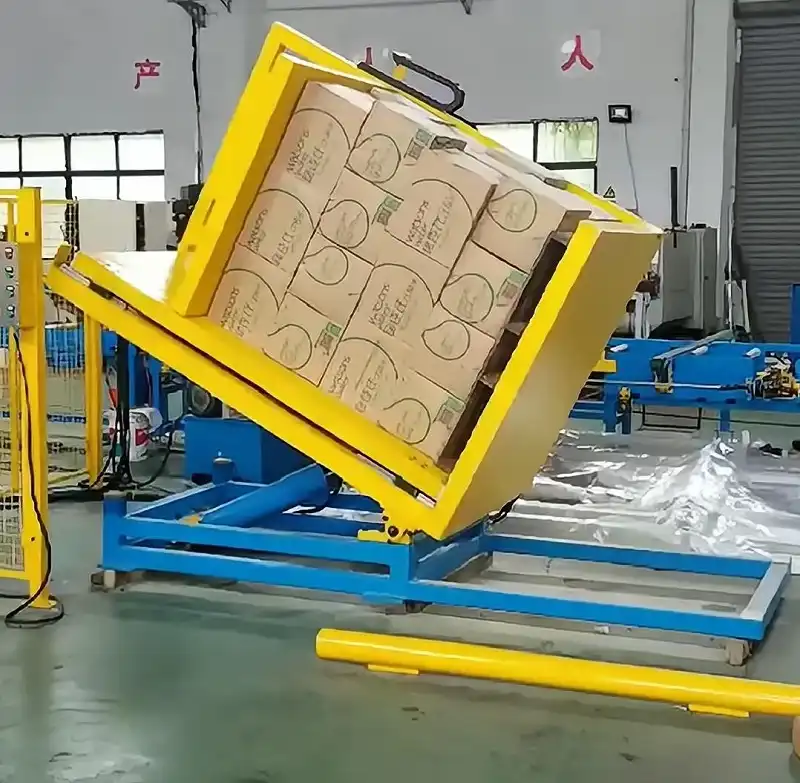
In my experience working with various plants, selecting the right pallet inverter starts with understanding its basic movement. Then, you look at how to adapt it for corrosive substances. I have seen firsthand how a well-chosen design prevents headaches down the line.
Here are the main types and their considerations for corrosive environments:
-
90-Degree Pallet Tippers:
- How they work: These machines tilt a pallet and its load up to 90 degrees. This allows easy access to the bottom of the load or the pallet itself.
- Corrosive Material Adaptation: For corrosive materials, these units need strong containment trays. These trays catch any drips or leaks during the tilt. The entire frame usually requires chemical-resistant coatings or stainless steel. I often recommend models with fully enclosed bases to ensure no liquid escapes the immediate area. This is especially important for chemicals that can eat through concrete.
- Safety Focus: Operators need to stand clear during the tilting process. The control panel should be remote or well-protected. Emergency stops must be easy to reach.
-
180-Degree Rotary Pallet Inverters:
- How they work: These machines clamp the load and then rotate it completely by 180 degrees. This effectively swaps the top and bottom of the load or changes pallets quickly.
- Corrosive Material Adaptation: These are very popular for pallet-to-pallet transfers where the new pallet might be sterile or a different size. For corrosive materials, the clamping plates must be made from resistant materials. Any hydraulic lines or electrical components need good sealing. Corrosion-resistant bearings are also vital. I once helped a client who used these for acid drums. We had to ensure all seals were Viton or similar, and the entire structure was marine-grade stainless steel. This small change prevented many potential incidents.
- Safety Focus: The rotation requires a clear operating zone. Light curtains or safety gates are a must. The clamping force needs to be adjustable and secure to prevent drums or containers from slipping, which could lead to spills.
-
Freezer/Cold Store Pallet Exchangers:
- How they work: While not directly for “corrosive” in the chemical sense, these machines are designed for environments with extreme temperatures. They often use a pushing or squeezing action to transfer goods from one pallet to another without tilting much.
- Corrosive Material Adaptation: In cold environments, some corrosive chemicals become more viscous or can even crystallize. The materials used in these exchangers must withstand both cold and corrosion. For example, certain plastics or rubber components might become brittle in cold. If the corrosive material needs cold storage, then these machines must be built with specific alloys and coatings that handle both conditions. Think about an antifreeze solution. It may not be highly corrosive at room temperature but needs different material considerations if it also handles corrosive agents.
- Safety Focus: The main safety concerns here are related to operator exposure to cold, and the general hazards of moving heavy loads. When combined with corrosive materials, the risk increases. Enclosed operating cabins for operators or remote controls become even more important.
Each type has its place. The key is never to compromise on the material integrity and safety features when handling corrosive goods. My goal has always been to match the right machine to the specific hazard, not just the task.
How do material choices affect pallet inverter safety in corrosive environments?
When corrosive materials are involved, the construction of your pallet inverter is not just a detail. It is a critical safety barrier. Using the wrong materials can lead to rapid equipment failure and dangerous leaks. Have you considered what your inverter is truly made of?
The primary material choices for pallet inverter safety in corrosive environments are stainless steel (especially 304 or 316 grade) and specialized chemical-resistant coatings or plastics. These materials resist chemical degradation, prevent structural weakening, and minimize contamination risks, which is crucial for long-term safe operation.

From my years in the packing machine industry, I have learned that the materials used in manufacturing equipment are just as important as the design itself. For corrosive environments, this becomes even more critical. A good design with poor materials will fail. A bad design with good materials will still be problematic. We need both.
Here is why material choice is so important:
-
Corrosion Resistance:
- Issue: Many industrial chemicals, acids, and bases can quickly degrade standard carbon steel. This leads to rust, weakening of structural components, and eventual equipment failure.
- Solution: Stainless steel is the go-to material.
- 304 Stainless Steel: This is a common choice. It offers good resistance to many corrosive agents. It is strong and relatively easy to work with.
- 316 Stainless Steel: For more aggressive chemicals, I always recommend 316. It contains molybdenum, which gives it superior resistance to chlorides and other harsh chemicals. It costs more, but the added safety and lifespan are worth it. I once saw a plant where they used 304 for an acid application, and within a year, they had serious pitting. Switching to 316 solved their problem completely.
- Impact: Using the right grade of stainless steel ensures the machine’s structural integrity. It prevents sudden failures that could lead to spills and injuries.
-
Seals and Gaskets:
- Issue: Even if the main structure is stainless steel, weak seals can be a major point of failure. Corrosive liquids can attack standard rubber or plastic seals.
- Solution: Use chemical-resistant elastomers.
- Viton (FKM): Excellent for a wide range of chemicals, including acids and hydrocarbons.
- PTFE (Teflon): Extremely chemical resistant, often used as a lining or for static seals.
- EPDM: Good for many acids and bases, but not oil-resistant.
- Impact: Proper seals prevent leaks from hydraulic systems, electrical enclosures, and any moving parts. A leaking hydraulic system, especially if it contains corrosive fluids, creates a slip hazard and can damage surrounding equipment.
-
Protective Coatings and Linings:
- Issue: Sometimes, even stainless steel needs extra protection, or certain components cannot be made from stainless.
- Solution: Apply specialized coatings.
- Epoxy or Polyurethane Coatings: These can create a barrier against corrosion on less critical parts or where stainless steel is not practical.
- Rubber Linings: For abrasive slurries that are also corrosive, a rubber lining can provide both wear and chemical resistance.
- Impact: Coatings extend the life of components. They add an extra layer of defense against chemical attack. This is especially useful in areas that might experience splash or mist.
-
Electrical Components and Enclosures:
- Issue: Corrosive fumes or splashes can damage electrical wiring, sensors, and control panels. This can lead to short circuits, fires, or loss of control over the machine.
- Solution: Use NEMA 4X or IP66 rated enclosures. These enclosures are specifically designed to resist corrosion and keep out liquids and dust. All wiring should be protected in sealed conduits.
- Impact: Protecting electrical systems ensures reliable operation and prevents dangerous electrical failures. It also guards against potential ignition sources in plants that might have flammable corrosive materials.
Choosing materials is not just about cost. It is about anticipating failure modes and building in layers of protection. My experience tells me that investing in the right materials upfront saves far more money and prevents far more incidents than trying to cut corners.
What features make a pallet inverter safe when dealing with hazardous liquids?
Handling hazardous liquids with a pallet inverter is a high-stakes operation. A minor oversight in design can turn into a major safety incident. You need more than just a machine that moves pallets. You need one that actively prevents harm. Are you certain your inverter has the right safety features?
Key safety features for a pallet inverter dealing with hazardous liquids include integrated spill containment trays, fully enclosed hydraulic systems, emergency stop buttons, interlocked safety guarding, and explosion-proof electrical components. These features work together to contain spills, prevent operational accidents, and protect operators and the environment from harm.

Safety is always my top priority when designing or recommending any packing machine. When you add hazardous liquids into the mix, that focus becomes even sharper. I have seen the consequences when safety features are overlooked. It is not just about compliance. It is about ensuring every worker goes home safely at the end of their shift.
Here are the essential safety features to look for:
-
Integrated Spill Containment:
- Purpose: This is perhaps the most direct safety feature for hazardous liquids. It prevents any accidental spills or drips from reaching the plant floor.
- Details: The machine should have a built-in bund or drip tray, ideally made from chemical-resistant material (like 316 stainless steel or specialized plastics). This tray must be large enough to hold the contents of at least one container, or a percentage of the largest potential spill, as per local regulations. It should also be easy to clean and drain. I once advised a client to add a sensor to their spill tray that would automatically shut down the machine and alert operators if liquid was detected. This small addition prevented a major environmental incident.
-
Enclosed Hydraulic and Electrical Systems:
- Purpose: To protect critical components from corrosive fumes or splashes and prevent leaks from within the machine.
- Details: All hydraulic lines, pumps, and electrical wiring should be housed in sealed, corrosion-resistant enclosures (NEMA 4X/IP66 rated, as mentioned before). This prevents external corrosion from damaging these systems. It also stops hydraulic fluid leaks from contaminating the product or floor. Think about how a small leak can turn into a slick, dangerous floor in moments.
-
Emergency Stop Buttons and Safety Interlocks:
- Purpose: To allow immediate shutdown in case of a problem and to prevent operation when safety guards are open.
- Details: Multiple, clearly visible, and easily accessible emergency stop buttons are a must. Safety interlocks should be on all access gates or guards. If a guard is open, the machine must not operate. This prevents operators from reaching into moving parts. I always stress the importance of clear signage and regular testing of these systems.
-
Robust Clamping and Load Stability:
- Purpose: To ensure the load is securely held during the entire inversion process, preventing items from shifting or falling.
- Details: The clamping mechanism should be powerful enough for the maximum load weight and size. It must also have adjustable pressure to prevent crushing fragile containers while still securing heavy ones. Indicator lights or sensors can confirm the load is properly clamped before operation begins. For drums of corrosive liquids, specialized cradles or non-slip surfaces on the clamping plates can add an extra layer of security.
-
Explosion-Proof Components (for flammable corrosives):
- Purpose: If the hazardous liquid is also flammable, this feature is non-negotiable. It prevents ignition sources.
- Details: All electrical motors, switches, sensors, and wiring must be certified for hazardous (EX) zones. This means they are designed not to create sparks or heat that could ignite flammable vapors. This requires specific material choices and construction methods that go beyond standard industrial components.
-
Remote Operation and Clear Line of Sight:
- Purpose: To keep operators at a safe distance from the machine and the potential hazard.
- Details: A remote control or a well-designed HMI (Human-Machine Interface) that allows operation from a safe distance is ideal. Clear visibility of the operating area, possibly with cameras or mirrors, helps operators monitor the process without getting too close.
These features are not optional extras. They are fundamental requirements for any plant serious about safety when handling corrosive liquids. My approach is always to build in as many layers of protection as possible.
How can routine maintenance ensure long-term safety of pallet inverters in harsh plant conditions?
Even the most robust pallet inverter will fail without proper care. In harsh, corrosive plant environments, neglect is an open invitation for accidents. Your equipment needs consistent attention to remain safe and efficient. Is your maintenance schedule truly protecting your investment and your team?
Routine maintenance ensures the long-term safety of pallet inverters in harsh conditions by focusing on regular inspections of all components, timely replacement of worn or corroded parts, proper lubrication with chemical-resistant greases, and calibration of safety systems. A proactive maintenance schedule prevents unexpected failures and maintains the machine’s integrity against corrosive attack.
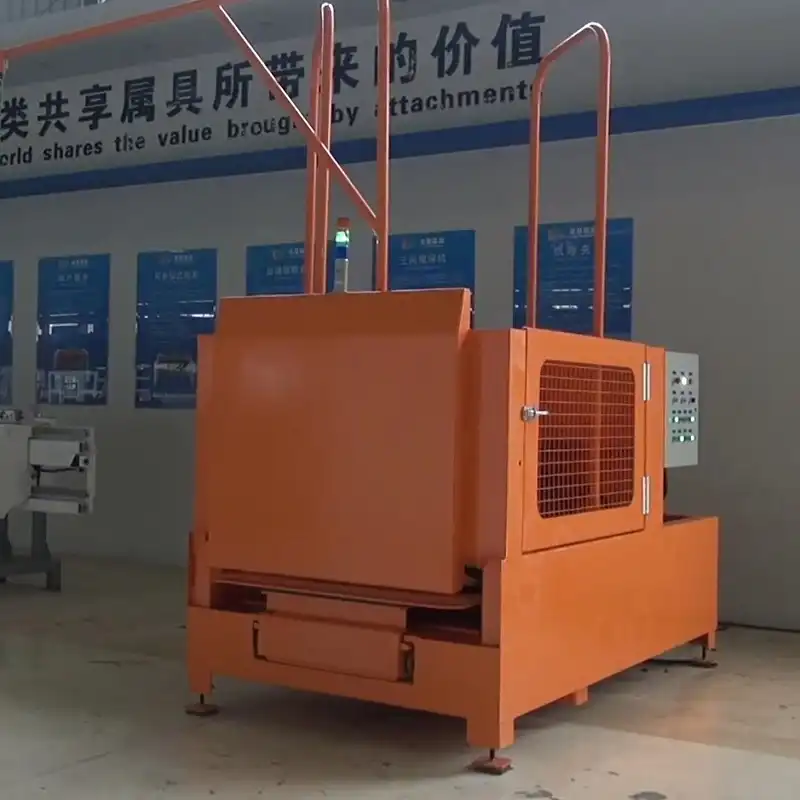
I have seen countless times that even the best-designed machines can become dangerous if not maintained properly. This is especially true in environments dealing with corrosive materials. Just like a car needs regular oil changes, a pallet inverter needs its own specific care. It is not just about keeping the machine running. It is about keeping it running safely. My journey from an employee to a factory owner taught me the true value of proactive maintenance. It saves money, prevents downtime, and, most importantly, saves lives.
Here are key aspects of routine maintenance for corrosive environments:
-
Daily Visual Inspections:
- What to check: Operators or maintenance staff should look for any signs of corrosion, leaks, loose fastenings, or unusual wear on moving parts. Pay close attention to welds, seals, and painted surfaces.
- Why it matters: Early detection is crucial. A small patch of rust today can become a structural weakness tomorrow. A minor leak can quickly turn into a significant hazard. This quick check helps catch problems before they escalate.
-
Regular Cleaning Protocols:
- What to do: Clean the machine regularly, especially after handling particularly aggressive chemicals or if spills occur. Use appropriate cleaning agents that will not further degrade the machine’s materials.
- Why it matters: Corrosive residues left on the machine will continue to attack its surfaces. Regular cleaning removes these residues, preserving coatings and materials. It also improves visibility for inspections.
-
Lubrication with Proper Agents:
- What to use: Use lubricants specifically designed for chemical resistance and the operating environment (e.g., high humidity, cold). Do not use standard greases if they can be degraded by the chemicals present.
- Why it matters: Proper lubrication reduces friction and wear on moving parts like bearings and chains. Using the wrong lubricant in a corrosive environment means it will break down quickly, leading to premature wear and potential seizing of parts.
-
Checks and Testing of Safety Systems:
- What to test: Regularly test all emergency stop buttons, safety interlocks, light curtains, and spill detection sensors. Verify they are functioning correctly and respond instantly.
- Why it matters: These are your last lines of defense. If they fail, an incident is almost guaranteed. Regular testing ensures they will work when you need them most. I always include this in my maintenance recommendations for clients.
-
Replacement of Worn or Damaged Parts:
- What to replace: Do not wait for a component to fail completely. Replace seals, gaskets, hoses, and any parts showing significant corrosion or wear as part of a scheduled preventive maintenance program.
- Why it matters: Worn parts are weak points. Replacing them proactively prevents unexpected breakdowns and catastrophic failures. It is much better to replace a $50 seal during scheduled downtime than to have a $5,000 product spill and associated cleanup costs because of a failed seal.
-
Structural Integrity Assessments:
- What to do: Periodically inspect the machine’s frame, welds, and mounting points for signs of fatigue or severe corrosion. This might involve non-destructive testing for critical components.
- Why it matters: Over time, even corrosion-resistant materials can be affected. Ensuring the machine’s core structure is sound prevents collapses or instability during operation, which would be disastrous with corrosive loads.
A detailed maintenance log should be kept for each machine. This log helps track wear patterns, identify recurring issues, and ensures all necessary checks are performed. This systematic approach is not just good practice. It is essential for safety and efficiency in any plant, especially one dealing with hazardous materials.
Conclusion
Choosing the right pallet inverter design for corrosive material handling is vital for safety and efficiency. It involves understanding various types, selecting appropriate construction materials, integrating essential safety features, and committing to rigorous maintenance. Prioritizing these aspects will ensure your operations remain secure and productive. For reliable solutions, explore FHOPEPACK’s range of pallet inverter options.








