
Which Pallet Inverter Design Suits Both Wooden and Plastic Pallets in Cold Chain?
Many warehouses face a common challenge. They need to move goods from one type of pallet to another. Different countries use different pallet sizes. Some companies use wood, others use plastic. My journey in the packing machine world showed me this problem often. It can cause big delays. It also costs money. Carlos, a logistics manager, knows this well. He needs reliable solutions that work in tough cold environments.
The right pallet inverter for both wooden and plastic pallets in cold chain must have strong, adaptable clamping. It also needs to be made of cold-resistant, hygienic materials. It must include advanced safety and automation features for efficient operation.
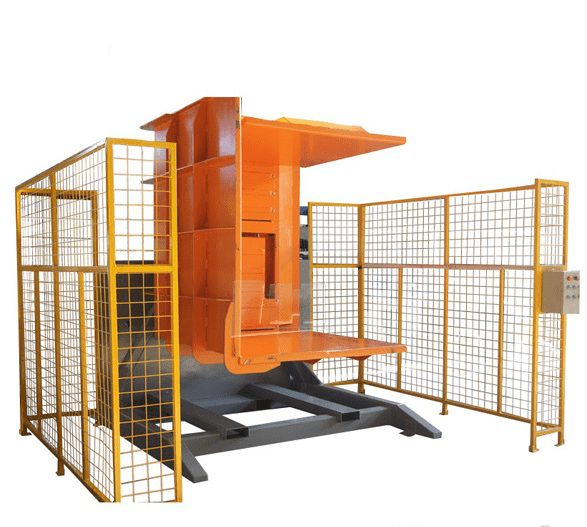
This is a big challenge for any business. It needs a closer look. Let us explore what makes an inverter truly effective in these tough conditions.
What Kinds of Pallet Inverters Can Handle Both Wooden and Plastic Pallets?
You need a machine that works with everything. Wooden pallets are common. Plastic ones are lighter and cleaner. But they both need careful handling. My time building packing machines taught me about these differences. I saw many factories struggle with incompatible equipment.
Pallet inverters with versatile clamping systems, like those using side clamps or adjustable pressure plates, can effectively handle both wooden and plastic pallets. They adapt to varied dimensions and material properties.
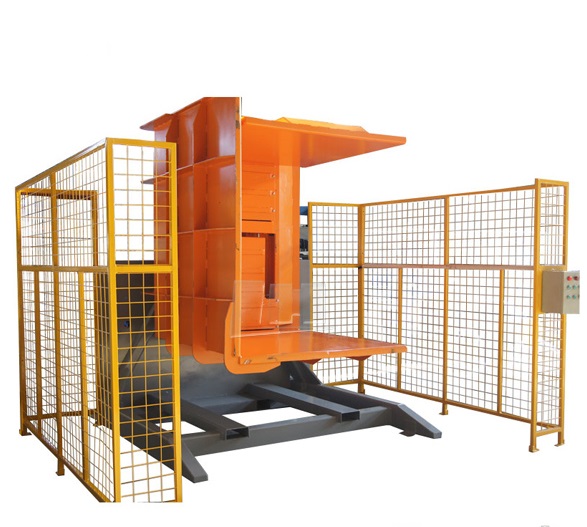
Pallet inverters come in many designs. Each design has its strengths. But when you handle both wooden and plastic pallets, specific features become very important.
1. Understanding Different Pallet Inverter Types
- 90-Degree Tilters: 🔄 These machines tilt the load on its side. They are good for simple pallet changes. They are often less complex. They work well when you only need to access the bottom of the pallet.
- 180-Degree Rotators: 🔃 These machines flip the entire load completely. They are good for high volume operations. They are more versatile. They allow full pallet exchange.
- Mobile Units: 🚛 These inverters have wheels. They can move around the warehouse. This offers flexibility. You can use them in different areas as needed.
- Fixed Units: 🏭 These machines stay in one spot. They are best for dedicated production lines. They handle high throughput consistently. They are often integrated into automated systems.
2. Clamping Mechanisms for Mixed Pallets
- Top and Side Clamps: 🗜️ These are common. They hold the load tightly from the top and sides. They must adjust for load height and width. Wooden pallets are usually rigid. Plastic pallets can flex more. The clamps must be gentle but firm. I remember seeing goods damaged because clamps were too hard. Or goods dropped because they were too loose.
- Hydraulic vs. Pneumatic: Hydraulic clamps offer more power and control. Pneumatic clamps are often faster. Both need careful pressure control. Too much pressure can crush goods. Too little pressure means the load shifts.
- Adjustable Pressure: The best systems let you change clamp pressure easily. This is key for different loads and pallet types. This flexibility makes a big difference. It saves products from damage.
3. Load Stability
- The inverter must keep the load very stable. This is especially true for stacked products. My early work taught me that even small shifts can cause big problems. A good inverter has a wide contact area. It spreads the pressure evenly. This prevents product damage. It also stops pallets from slipping out during the inversion process.
- Wooden pallets often have rougher surfaces. Plastic pallets can be smoother. The clamp surfaces need good grip. Rubber pads help a lot. They also protect the goods from marking. The machine must secure the load firmly through the whole cycle.
Why Does the Cold Chain Environment Demand Specific Pallet Inverter Materials?
Cold chain storage is a very tough environment. Freezing temperatures affect machines deeply. Regular steel can rust faster. Moving parts can seize up. When I designed machines for cold rooms, material choice was always the first thing I considered. It is not just about the machine working. It is about it lasting and being safe.
Pallet inverters for cold chain environments must use specialized materials. This includes stainless steel for corrosion resistance, robust cold-resistant seals, and specific lubricants. These ensure reliable operation in sub-zero temperatures.
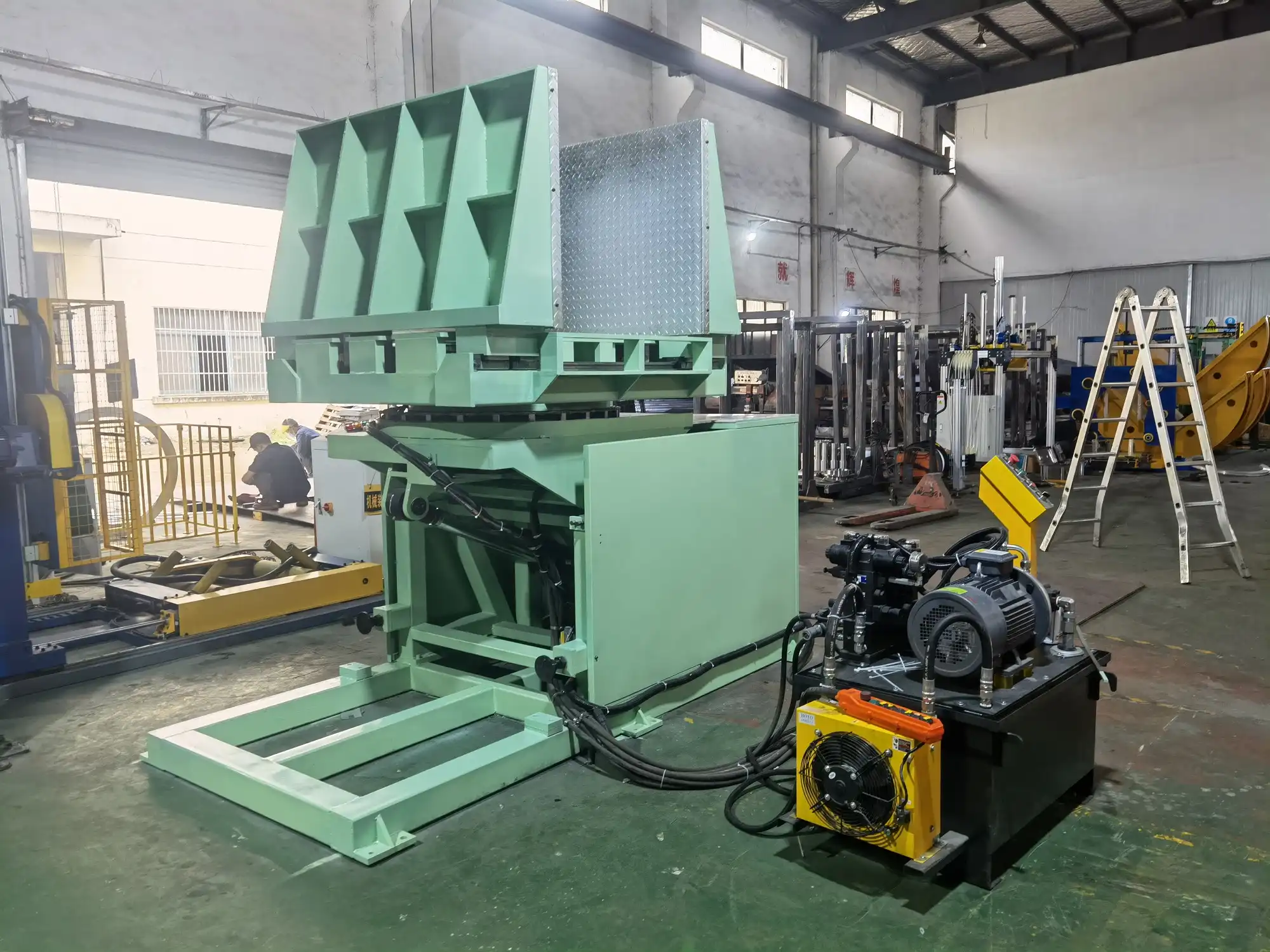
The cold chain brings unique challenges. These challenges go beyond just flipping pallets. They directly impact machine performance, lifespan, and hygiene.
1. Corrosion Resistance
- 💧 Cold chains often have high humidity. This causes condensation. Water and regular steel do not mix well. They lead to rust quickly. Rust damages machines. It can also contaminate products. This is a big problem, especially for food or pharmaceutical items.
- Stainless Steel: It is the best choice for cold chain environments. Grades like 304 or 316 resist rust very well. They are also easy to clean. This is crucial for food and pharma products. I always pushed for stainless steel in my designs. It costs more initially. But it lasts much longer. It saves money in the long run.
- Protective Coatings: Some parts can use special coatings. These help resist corrosion even further. They add another layer of protection to critical components.
2. Temperature Extremes
- 🥶 Very low temperatures make metals brittle. Plastic parts can crack easily. Hydraulic fluids can thicken. This slows down the machine significantly. It can even stop it completely. This leads to costly downtime.
- Cold-Resistant Components:
- Seals and Hoses: These need special compounds. They stay flexible in the extreme cold. Regular rubber gets stiff and brittle. Stiff seals leak. This causes hydraulic fluid loss and machine failure.
- Hydraulic Fluids: You must use low-viscosity, cold-weather hydraulic oil. It flows well even in deep cold. It keeps the machine running smoothly and powerfully.
- Electrical Components: Wires, sensors, and control panels need to work reliably in the cold. Insulated cables and robust enclosures are important. Condensation can cause electrical shorts.
-
3. Hygiene Standards
- 🧼 Many cold chain products are food or medicine. They need very high hygiene standards. Machines must be easy to clean. They should not harbor bacteria or contaminants.
- Smooth Surfaces: Stainless steel has smooth surfaces. This makes cleaning easy and effective. It prevents dirt and bacteria from building up in crevices.
- Open Designs: Machines should have open frames. This helps with thorough washing and sanitation. It avoids hidden spots where dirt or ice could collect.
- Food-Grade Lubricants: If lubricants might come into contact with products, they must be food-grade certified. This is absolutely necessary for food processing and pharmaceutical industries.








