
How European Exporters Use Coil Wrapping Machines to Cut Transport Damage?
Have you ever worried about your valuable steel coils arriving at their destination dented or scratched? I know this feeling. I’ve seen firsthand how a single damaged shipment can ruin a customer relationship and cost a business a lot of money. For many factory managers, especially those in demanding industries, ensuring product integrity during transport is a constant battle. This issue is not just about aesthetics; it hits hard on your bottom line and your reputation.
European exporters, faced with long shipping routes and high customer expectations, have found a powerful solution in advanced coil wrapping machines. These machines provide superior protection against common transit damages like corrosion, abrasions, and impact. They do this by creating a tight, multi-layered protective barrier around the coil. This significantly reduces the risk of product loss and ensures goods arrive in perfect condition. This approach helps maintain customer trust and cut down on costly rejections.
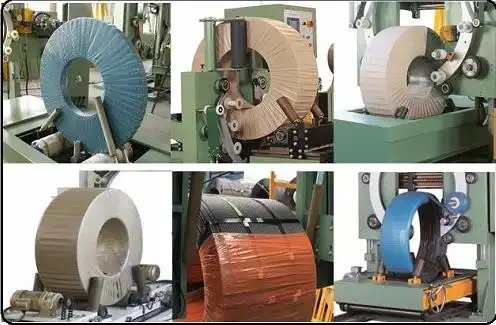
The challenges of getting heavy, valuable products like steel coils from your factory floor to a customer halfway across the world are complex. They involve many factors from handling to long transit times. As someone who built a packing machine factory from the ground up, I understand these pressures very well. Let’s dig deeper into how the right packing strategy, much like the one adopted by European exporters, can transform your operations and protect your investments.
1. Why is transport damage such a big problem for coil exporters?
Are you losing sleep over reports of damaged products reaching your customers? For anyone moving heavy industrial products like steel coils, transport damage is a nightmare that quickly turns into a financial drain. It affects everything from customer satisfaction to your operating costs. This problem is especially critical for European exporters because their markets are often far away. The longer the journey, the more chances there are for things to go wrong.
Transport damage for coil exporters is a huge problem because it leads to significant financial losses, reputational harm, and operational inefficiencies. Common issues include coil deformation, edge damage, and surface corrosion. These problems happen during loading, transit, and unloading due to impacts, vibrations, and environmental exposure. Such damage often results in costly rejections, rework, and delayed payments. It also pushes up insurance premiums and takes time away from production as you deal with claims.

For many years, I worked directly with clients facing these exact issues. I saw how a single damaged shipment of steel wire coils could completely erode their profit margins for that entire order. It was not just about replacing the damaged goods. It was also about the extra shipping costs, the wasted labor, and the potential loss of future business. This is why understanding the root causes of transport damage is so important. When you know the risks, you can better protect your product and your business.
Common Causes of Coil Transport Damage
Transporting heavy industrial coils across long distances is full of risks. European exporters, who often ship across continents, understand these risks very well. The journey from the factory to the customer is often long and complex. It involves many different handling points and environmental conditions. Each step in this process can expose the coils to damage. This leads to big losses if they are not properly protected.
Here are the main factors that lead to coil transport damage:
- Mechanical Stress:
- Impacts and Shocks: During loading, unloading, and transit, coils can hit against other cargo, vehicle walls, or handling equipment. This causes dents, cracks, and deformation. This is especially true on rough roads or during sudden stops.
- Vibrations: Continuous vibrations from vehicles, trains, or ships cause friction between the coil layers. This wears down the surface and damages the edges. Over time, these small movements add up to significant wear.
- Compression: Improper stacking or securing can put too much pressure on coils at the bottom of a stack. This crushes their shape. It can also cause the inner layers to shift.
- Environmental Factors:
- Moisture and Humidity: Coils are often transported in changing weather conditions. Exposure to rain, sea spray, or high humidity leads to rust and corrosion. This degrades the metal surface and affects its quality. This is a common problem for overseas shipments.
- Temperature Fluctuations: Extreme changes in temperature can cause condensation inside packaging. This traps moisture and speeds up corrosion. These temperature swings are common when shipping across different climates.
- Dust and Dirt: Open transport or poorly sealed packaging allows dust, dirt, and other contaminants to reach the coil surface. These particles can scratch the metal or create abrasive conditions.
- Improper Handling and Storage:
- Lifting Equipment Damage: Forklifts, cranes, and slings can cause scratches, dents, or tears if not operated carefully. This often happens when operators are rushing or are not properly trained.
- Inadequate Securing: Coils must be firmly secured within transport vehicles. If not, they can shift, roll, or collide with other cargo. This causes damage to themselves and other goods. Loose coils are a major hazard.
- Poor Packaging Materials: Using thin, weak, or unsuitable packaging materials offers little protection. It means the coils are vulnerable to all the risks mentioned above. Basic wraps or straps are often not enough.








