
How Pallet Inverters Ensure Hygiene Standards in Food-Grade Pallet Transfers?
Imagine your food products reaching customers in perfect condition. Now, consider the journey they take through your warehouse. Every touch point, every transfer, carries a risk. For businesses like yours, dealing with sensitive food items, even a tiny oversight in hygiene can lead to big problems. This is not just about keeping things clean; it is about protecting your brand, your customers, and your bottom line from costly recalls and damage to reputation. It is a challenge I have seen many warehouse managers grapple with.
Pallet inverters ensure hygiene standards in food-grade pallet transfers by allowing for the seamless exchange of contaminated or non-compliant pallets for clean, food-safe alternatives, all with minimal human contact. These machines typically feature robust, easy-to-clean materials like stainless steel and use automated processes to prevent cross-contamination, making them essential for maintaining strict sanitation protocols in food logistics.
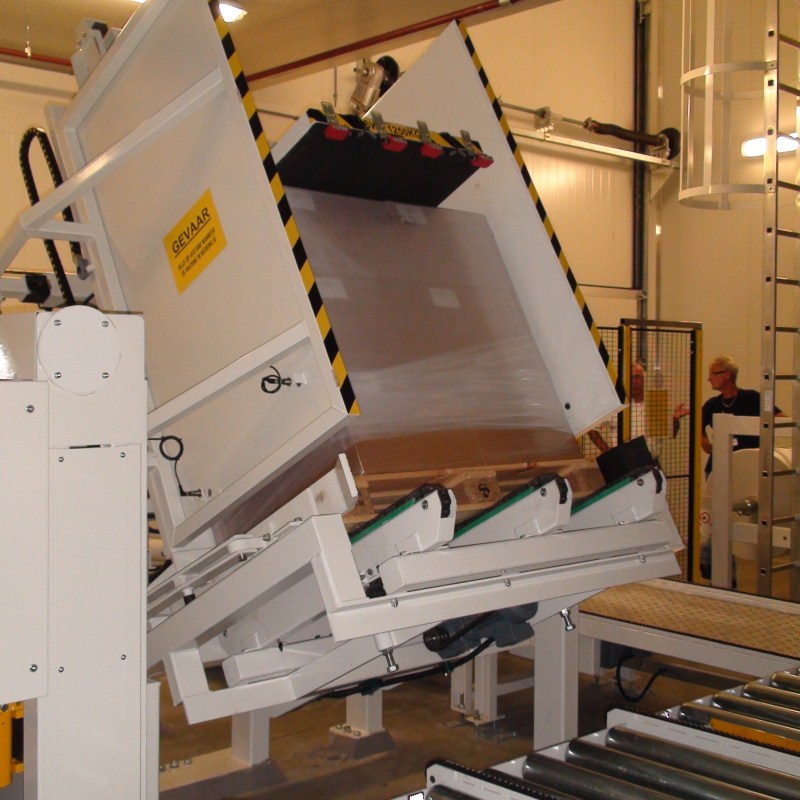
Understanding the critical role of pallet inverters goes beyond simply moving goods. It means looking at how these machines integrate into your entire operation. This allows you to improve safety, efficiency, and most importantly, uphold the highest hygiene standards for your valuable food products. Let’s dig deeper into why this technology is a game-changer for food logistics.
Why Is Pallet Hygiene Non-Negotiable in Food Logistics?
When it comes to food, there is no room for compromise on cleanliness. You might think a simple pallet transfer is harmless. But if that pallet is not clean, it can quickly turn into a carrier of unseen dangers. This puts your entire product line, and your business’s reputation, at serious risk.
Pallet hygiene is non-negotiable in food logistics because it directly prevents critical issues like cross-contamination from bacteria, allergens, and foreign debris. Dirty pallets can introduce pathogens to food products, leading to product spoilage, costly recalls, and severe health risks for consumers. Strict hygiene practices also ensure compliance with stringent food safety regulations. %[Importance of Pallet Hygiene in Food Industry]( “Maintaining Hygiene with Pallet Inverters”)
In my years working in the packing machine industry, I have seen firsthand how easily a small hygiene lapse can escalate into a major crisis. For food and beverage companies, the stakes are incredibly high. Every pallet that enters or leaves a clean area needs to meet strict hygiene requirements. Failure to do so can have far-reaching consequences.
Here are the key reasons why pallet hygiene is not just good practice, but an absolute necessity in food logistics:
-
Direct Health Risks for Consumers:
- 🦠 Bacterial Contamination: Pallets can pick up bacteria like Salmonella, E. coli, or Listeria from floors, previous loads, or external environments. If these bacteria transfer to food packaging, or even directly to food products, they pose a serious threat to public health. This can lead to foodborne illnesses and hospitalizations.
- 🌾 Allergen Transfer: In facilities handling different food products, allergens (like nuts or dairy) can easily cling to pallets. If a pallet previously used for an allergen-containing product then carries an allergen-free product, it can cause cross-contamination. This puts allergic consumers at risk, even with tiny amounts.
- ☠️ Chemical Residue: Pallets might have been exposed to cleaning chemicals, pesticides, or other hazardous substances in previous uses or during storage. These residues can transfer to food products, making them unsafe for consumption.
-
Regulatory Compliance and Legal Obligations:
- 📜 Strict Food Safety Laws: Governments worldwide, including in Europe and the US, have very strict regulations for food handling and storage. Bodies like the FDA and European food safety authorities require comprehensive hygiene controls. This includes standards for equipment and surfaces that come into contact with food or its packaging.
- 📝 HACCP and ISO 22000: Many food companies operate under HACCP (Hazard Analysis and Critical Control Points) plans and ISO 22000 certification. These frameworks demand a proactive approach to identifying and controlling hazards, including those related to packaging and handling equipment like pallets. Maintaining clean pallets is a critical control point.
- ⚖️ Legal Liability: Non-compliance can lead to hefty fines, legal action, and even criminal charges for company executives. The legal consequences of a widespread food safety incident are severe.
-
Significant Financial and Brand Impact:
- 💰 Product Recalls: A food safety issue almost always results in a product recall. This is incredibly expensive, involving logistics for retrieval, disposal of contaminated goods, and public communication campaigns. Recalls can cost millions of euros or dollars.
- 📉 Lost Consumer Trust: Consumers expect food to be safe. A recall or hygiene scandal erodes trust, often permanently. It takes years, sometimes decades, for a brand to recover from such damage. Many never do.
- 📉 Business Disruption: Beyond recalls, a hygiene incident can force temporary shutdowns of production facilities, disrupt supply chains, and lead to lost contracts with retailers and distributors. This severely impacts profitability and operational continuity.
- 🛡️ Increased Insurance Costs: Companies with a history of safety issues often face higher insurance premiums, adding to their operational costs.
In summary, for any food processing plant or distribution center like Carlos’s, ensuring pallet hygiene is not just a matter of cleanliness. It is a fundamental pillar of business survival, consumer safety, and brand integrity. Ignoring it means risking everything.
How Do Traditional Pallet Exchange Methods Compromise Food Safety?
We all understand the goal of food safety. But sometimes, our traditional ways of doing things actually work against us. Think about how pallets are often swapped manually. It is a method that seems simple, but it hides many risks, especially when dealing with the strict hygiene needs of food products. I have witnessed these compromises too many times.
Traditional pallet exchange methods compromise food safety through extensive manual handling, which increases the risk of human-borne contamination and physical damage to products. They often rely on unsanitary wooden pallets that can harbor pests, splinters, and moisture, facilitating cross-contamination. These methods lack the controlled, automated environment necessary to meet modern food-grade hygiene standards, making consistent cleanliness almost impossible.
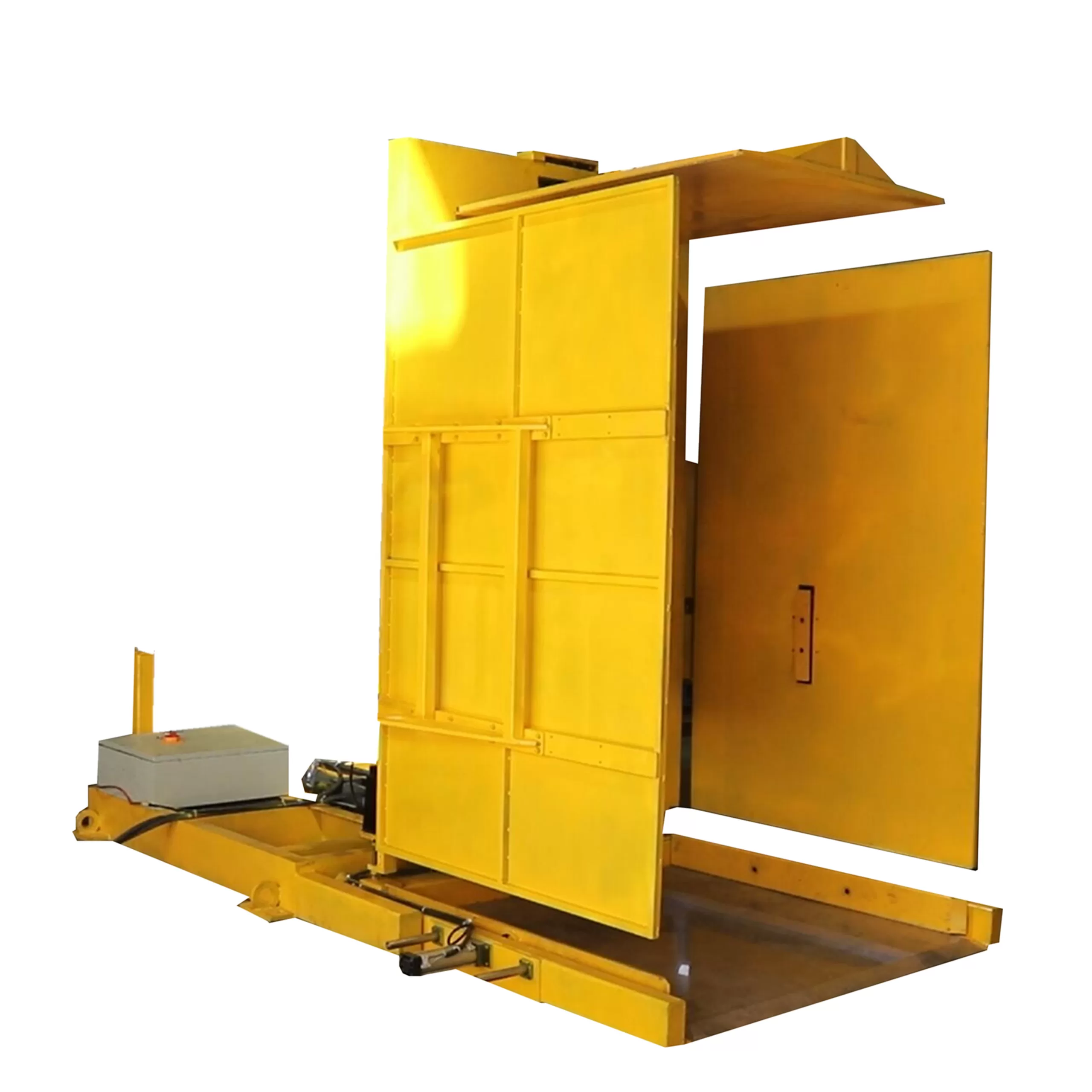
In the early days of setting up my factory, I saw how much reliance there was on manual labor for many tasks, including pallet changes. While human hands are adaptable, they are not always the cleanest or most consistent, especially in a fast-paced environment like a busy warehouse. For food logistics, this reliance on traditional, often manual, methods introduces significant vulnerabilities.
Here is how traditional pallet exchange methods often fall short on food safety:
-
High Risk of Human-Induced Contamination:
- ✋ Direct Human Contact: Manual pallet changes mean more people are physically touching pallets and potentially product packaging. Human hands, even gloved, can transfer dirt, sweat, bacteria, and other contaminants. It is very hard to maintain sterile conditions with constant manual intervention.
- 💧 Inconsistent Hygiene Practices: Not all workers follow hygiene protocols perfectly, every single time. A momentary lapse in handwashing or glove changing can introduce pathogens. Training helps, but human error is always a factor.
- 🦠 Cross-Contamination via Clothing/Tools: Workers’ clothing or manual tools (like crowbars or pallet jacks) can inadvertently pick up contaminants from dirty areas and transfer them to clean pallets or products during the exchange process. This creates a bridge for contamination.
-
Inherent Problems with Wooden Pallets:
- 🪵 Porous and Hard to Clean: Wooden pallets are inherently porous. This means they absorb spills, moisture, and odors. They can become breeding grounds for bacteria and fungi. It is almost impossible to thoroughly sanitize a wooden pallet once it has absorbed contaminants.
- 🐛 Pest Infestation: Wood provides ideal hiding places for pests like insects and rodents. These pests can carry diseases and contaminate food products. They are also difficult to detect and eradicate from wooden pallets.
- splintering and damage: Wooden pallets are prone to splintering, chipping, and breaking. These small pieces of wood can become foreign objects in food products. Also, damaged pallets can weaken, leading to product spills or falls during handling, which then creates more mess and potential contamination.
-
Ineffective for Segregation and Clean Zones:
- 🔄 Mixing of Pallet Types: In operations like Carlos’s, where different pallet types (Euro, US, plastic) are used, traditional manual methods often involve moving a dirty or non-compliant pallet into a clean area to transfer products. This breaks the crucial segregation between different hygiene zones.
- 🏭 Lack of Dedicated Clean Area: Manual transfers often happen in general warehouse areas, which might not meet the strict hygiene standards of a food processing zone. This exposes food products to a wider range of environmental contaminants.
- 🧼 Difficult to Sanitize Work Area: After a manual pallet exchange with a dirty pallet, the surrounding area needs thorough cleaning. This takes time and effort. It often gets overlooked in busy operations, leaving behind potential contaminants.
I have seen operations where staff manually flip heavy stacks of goods or use makeshift methods to switch pallets. This is not only dangerous for the workers, but it opens the door wide for hygiene breaches. These traditional methods simply do not stand up to the rigorous demands of modern food safety standards.
What Specific Pallet Inverter Features Boost Food-Grade Hygiene?
We have talked about the challenges. Now, let’s talk about the solution. When I started FHOPEPACK, I knew the industry needed smarter ways to handle goods. For food businesses, a pallet inverter is not just another machine. It is a dedicated tool designed to tackle those critical hygiene risks head-on, with features specifically built for the demands of clean environments.
Pallet inverters boost food-grade hygiene through specialized features such as stainless steel construction, which resists corrosion and is easy to clean, and fully automated operations that minimize human contact with products. They allow for the efficient segregation of incoming, potentially dirty pallets from outgoing, clean, food-grade pallets, preventing cross-contamination at the source and ensuring a sterile transfer environment.
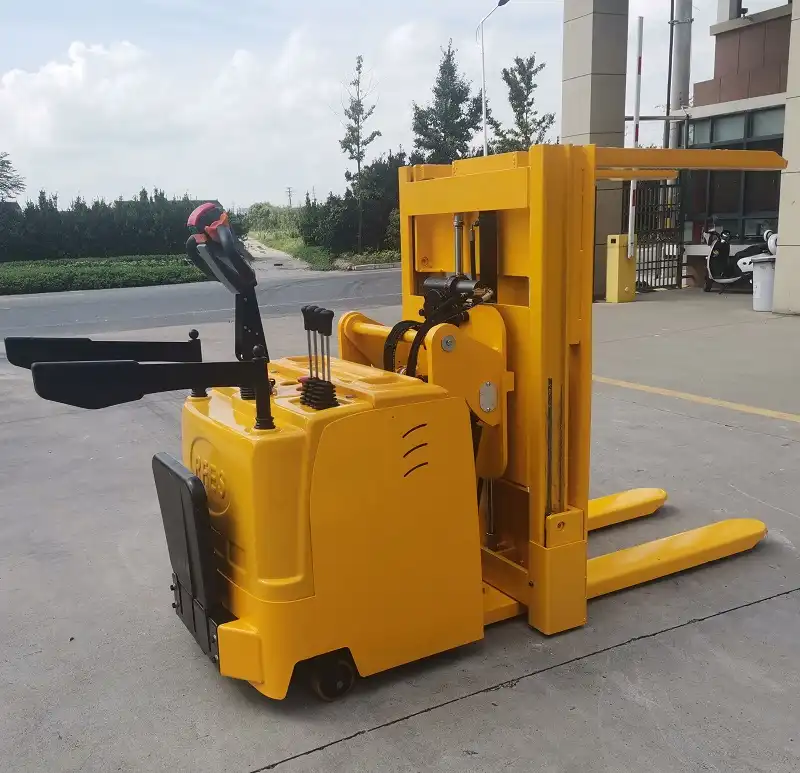
From my experience designing and manufacturing pallet handling machines, I have always focused on practical solutions that meet specific industry needs. For food-grade applications, the core challenge is keeping things impeccably clean while maintaining efficiency. A good pallet inverter is engineered with this in mind, incorporating several features that directly contribute to superior hygiene.
Here are the specific features that make pallet inverters ideal for boosting food-grade hygiene:
-
Construction Materials Designed for Cleanliness:
- ✨ Stainless Steel Construction: This is perhaps the most critical feature. Food-grade pallet inverters are often built using stainless steel, especially for contact surfaces. Stainless steel is non-porous, corrosion-resistant, and does not harbor bacteria. It can withstand harsh cleaning chemicals and frequent washdowns without degrading. This ensures that the machine itself does not become a source of contamination.
- 🚫 Smooth, Seamless Surfaces: The design minimizes crevices, joints, and hidden areas where dirt, dust, or food particles can accumulate. Smooth surfaces are much easier to clean thoroughly. This prevents the buildup of organic matter that could support bacterial growth.
- 🛡️ IP-Rated Components: Electrical components are often enclosed in IP-rated (Ingress Protection) housings. This protects them from water spray during washdowns and from dust ingress, ensuring reliable operation and preventing contamination of electrical parts.
-
Automated Process and Reduced Human Contact:
- 🤖 Minimizing Manual Handling: The primary function of a pallet inverter is to automate the pallet exchange. This drastically reduces the need for human operators to physically handle pallets or products during the transfer. Less human contact means fewer opportunities for bacteria, dirt, or foreign objects to be introduced.
- ⚙️ Controlled Environment: The inversion or transfer process happens within the confines of the machine. This creates a more controlled environment, reducing exposure to ambient warehouse dust, pests, and other environmental contaminants that are common in open areas.
- 💨 Dust and Debris Control: Some advanced systems can be integrated with dust extraction or air filtration systems. This further reduces airborne contaminants during the transfer process, which is crucial for sensitive food products.
-
Facilitating Pallet Segregation and Sanitization:
- ➡️ Seamless Pallet Switching: Pallet inverters allow for the swift and clean exchange of an incoming, potentially dirty pallet (e.g., a wooden shipping pallet from a supplier) with a clean, hygienic in-house pallet (e.g., a plastic or stainless steel pallet). This segregation happens at a dedicated point, preventing the dirty pallet from entering the clean processing area.
- 🧼 Easy Cleaning and Maintenance: The design of food-grade pallet inverters allows for quick and efficient cleaning. Features like easy-access panels, sloped surfaces for drainage, and a minimal number of moving parts simplify the washdown process. This ensures the machine itself can be kept to the highest hygiene standards.
- ✅ Use of Hygienic Pallets: By enabling the transfer to hygienic plastic or metal pallets, the inverter helps maintain a consistent level of cleanliness throughout the internal supply chain. These hygienic pallets are non-porous, easy to clean, and do not harbor pests, unlike traditional wooden pallets.
I remember one client who was struggling with product recalls due to small wood splinters from shipping pallets. By implementing a stainless steel pallet inverter, they completely eliminated this issue. It allowed them to switch all incoming goods onto their own clean plastic pallets before they entered the production area. It was a simple yet powerful solution.
How Do Pallet Inverters Offer More Than Just Hygiene for Food Operations?
We have established that hygiene is paramount. But in the world of logistics, you also need efficiency, safety, and cost control. As a manager like Carlos, you are looking for solutions that do more than just one job. I believe a good investment should solve multiple problems at once. Pallet inverters truly deliver on this by offering a wide range of benefits beyond just sanitation.
Beyond hygiene, pallet inverters significantly enhance food operations by boosting overall efficiency through faster, automated pallet transfers, which reduces bottlenecks and labor costs. They improve workplace safety by eliminating hazardous manual handling, minimizing accident risks, and reducing product damage. This comprehensive approach also ensures compliance with diverse international pallet standards, like Euro and US pallets, which is crucial for global supply chains.
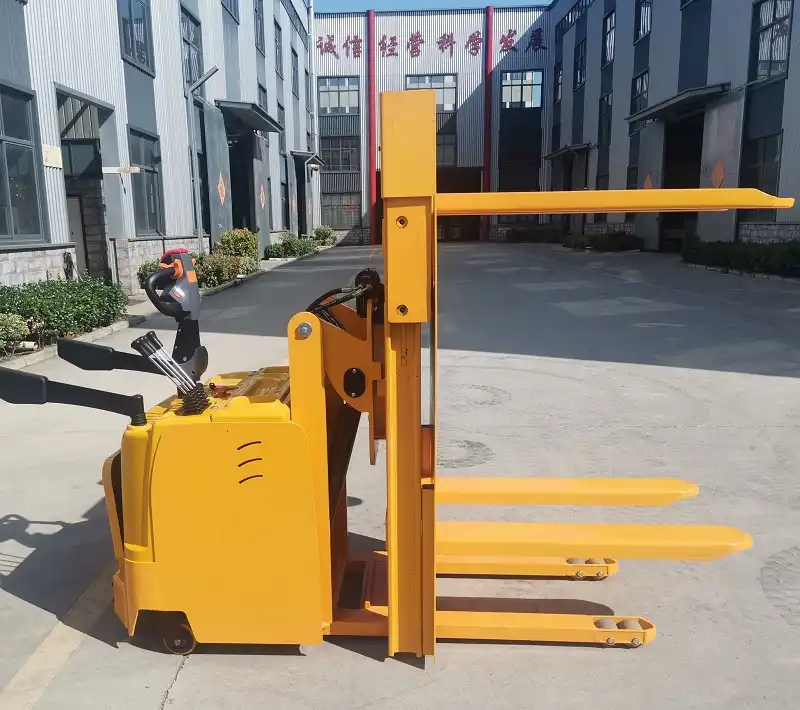
When I first started FHOPEPACK, my vision was to create machines that not only performed a specific task but also brought substantial value to a company’s entire operation. For a logistics manager like Carlos, who is constantly balancing efficiency, safety, and cost, a pallet inverter offers much more than just a clean pallet. It is a strategic asset that addresses many operational pain points.
Here is how pallet inverters provide benefits beyond just hygiene for food operations:
-
Operational Efficiency and Speed:
- ⏱️ Faster Pallet Transfers: Manual pallet changes are slow and labor-intensive. Pallet inverters can complete a transfer in minutes, significantly speeding up the flow of goods. This reduces bottlenecks at critical points in the warehouse, especially where pallet types need to change frequently for export or internal processes.
- ⚙️ Streamlined Workflow: Automation reduces the number of steps and human interventions needed. This leads to a more predictable and consistent workflow. It allows staff to focus on higher-value tasks, rather than strenuous, repetitive pallet handling.
- ⬆️ Increased Throughput: By making pallet changes quicker, a pallet inverter helps increase the overall volume of goods that can be processed in a given time. This is vital for meeting tight delivery schedules and rising customer demands, especially from e-commerce and retail clients.
-
Enhanced Workplace Safety:
- 🛡️ Reduced Manual Handling Risks: Carlos mentioned the safety risks of manual flipping. Pallet inverters eliminate the need for workers to physically lift, tilt, or transfer heavy loads. This drastically reduces the risk of back injuries, strains, and crush injuries that are common with traditional methods.
- 🤕 Fewer Accidents and Claims: Fewer manual operations mean fewer accidents. This directly translates to lower worker compensation claims, reduced insurance premiums, and less lost time due to injuries. It also creates a safer, more positive work environment for employees.
- 📉 Minimizing Product Damage: Manual handling often leads to products being dropped, crushed, or otherwise damaged. An automated pallet inverter handles loads gently and consistently, significantly reducing product damage and associated losses.
-
Cost Reduction and Resource Optimization:
- 💸 Lower Labor Costs: By automating a manual task, businesses can reduce their reliance on a large labor force for pallet changes. This helps address labor shortages and reduces overall labor costs, which are a significant expense for any warehouse.
- 🚫 Reduced Product Waste: Less product damage means less waste, which directly improves profitability. This also contributes to sustainability efforts by minimizing discarded goods.
- 🔋 Optimized Space Usage: Some pallet inverter models are compact or mobile, allowing for flexible placement and better use of valuable warehouse space. This helps in crowded distribution centers.
-
Pallet Versatility and Compliance:
- 🌍 Adaptability to Diverse Pallet Types: For companies like Carlos’s, dealing with Euro, US, and plastic pallets, an inverter is invaluable. It can seamlessly switch goods from one pallet type to another, ensuring compliance with different international shipping standards without manual effort.
- ✅ Ensuring Load Stability: Pallet inverters secure the load firmly during the transfer, ensuring that products remain stable and intact, regardless of the pallet type being exchanged. This maintains load integrity throughout the supply chain.
- 🔄 Easy Internal Pallet Management: It allows companies to keep expensive, hygienic plastic pallets for internal use, while transferring goods onto cheaper, disposable or standard wooden pallets for external shipping, or vice-versa. This optimizes pallet inventory management.
In my years helping clients, I have seen pallet inverters transform operations from chaotic and high-risk to smooth, safe, and efficient. They are truly multi-functional solutions that bring significant returns on investment.
Conclusion
Pallet inverters are vital for maintaining hygiene in food-grade transfers by enabling clean pallet changes and reducing contamination risks. They go beyond this, enhancing efficiency, ensuring worker safety, and cutting costs for logistics operations. For any business aiming for excellence in food handling, investing in a robust pallet inverter is a smart, strategic decision.








