
Which Pallet Inverter Design Delivers Best Value to Canadian Heavy Industry?
Is your Canadian heavy industry operation struggling with inefficient pallet handling? Are you facing safety concerns or mounting labor costs when dealing with diverse pallet types? Many businesses like yours face these exact challenges daily. Manual pallet changes are slow, risky, and a drain on your valuable resources. This directly impacts your bottom line and customer satisfaction. You need a solution that truly works in demanding environments. Discover how the right pallet inverter design can transform your operations, boosting efficiency, safety, and ultimately, your profitability.
The best pallet inverter design for Canadian heavy industry depends on specific operational needs, but often involves robust construction, high load capacity, and features for diverse pallet types, prioritizing reliability, safety, and automation for optimal value.
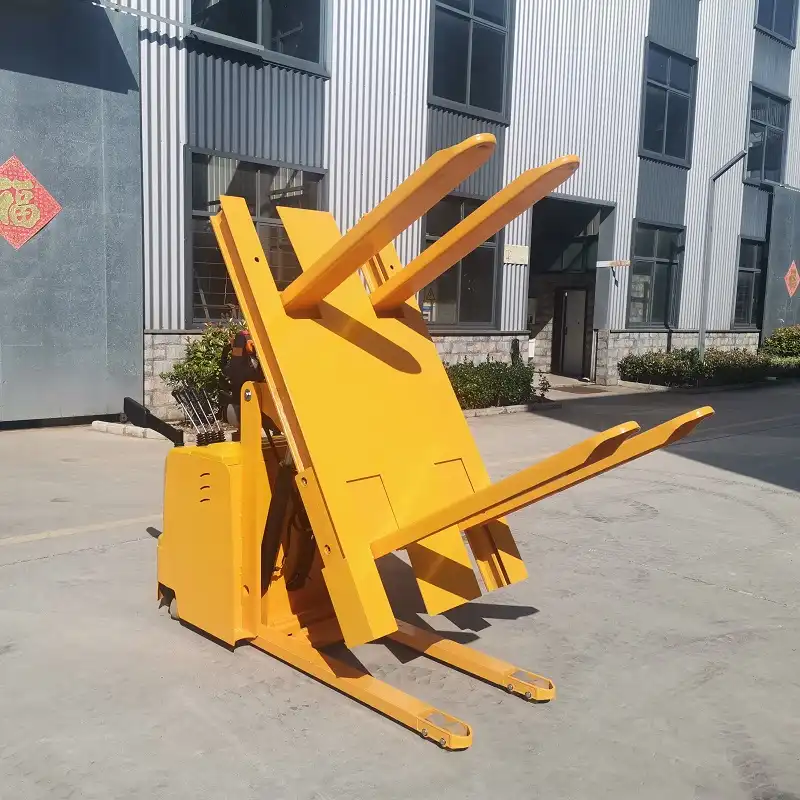
You are looking for more than just a machine; you want a strategic investment that pays off. Let’s explore the various pallet inverter designs and understand how each can specifically address the unique demands of heavy industry across Canada.
Why Do Canadian Heavy Industries Need Pallet Inverters?
Are you feeling the pressure from increasing operational costs and the constant demand for faster, safer logistics in your Canadian heavy industry plant? Many of my clients tell me about these exact problems. Manual pallet handling methods just cannot keep up with modern demands. This creates bottlenecks, risks worker injuries, and quickly eats into your profits. You need to find a way to make things better. A pallet inverter is not just a piece of equipment; it is a critical tool for solving these problems directly.
Canadian heavy industries need pallet inverters to improve operational efficiency, enhance worker safety, manage diverse pallet standards, and reduce labor costs in demanding environments.
Dive Deeper: The Core Problems a Pallet Inverter Solves
Based on my many years in this industry, I have seen firsthand the real reasons why businesses in sectors like food processing, manufacturing, and distribution need these machines. Canadian heavy industry faces unique challenges that demand robust solutions. Pallet inverters offer clear benefits that address these challenges directly.
-
Safety Concerns ⛑️
- Manual Handling Risks: Workers often lift, turn, or transfer heavy loads by hand. This leads to back injuries, crushed fingers, and other accidents. These injuries cause lost work time and higher insurance costs.
- Unstable Loads: Manually flipping pallets or moving unstable products creates a high risk of goods falling. This damages products and can hurt staff.
- Inverter Solution: A pallet inverter handles all the heavy lifting and turning. It keeps workers away from dangerous moving parts. This significantly reduces the risk of accidents and creates a much safer workplace.
-
Operational Inefficiencies ⏱️
- Slow Manual Processes: Moving products from one pallet type to another by hand takes a lot of time. This slows down your entire supply chain. It creates delays in shipping and receiving.
- Pallet Contamination: If you use damaged or dirty pallets, you risk contaminating your products. This is especially true in food or pharmaceutical industries. You need a fast way to swap out bad pallets for clean ones.
- Inverter Solution: Pallet inverters perform these tasks quickly and consistently. They can change a pallet in minutes, not hours. This speeds up your workflow and keeps products moving smoothly. It also allows for quick removal of dirty or damaged pallets, maintaining hygiene standards.
-
Cost Reduction 💰
- High Labor Costs: Finding and keeping skilled labor for repetitive, physically demanding tasks is expensive. Wages are rising, and there is a shortage of workers willing to do this type of work.
- Product Damage: Every time a product gets damaged during handling, it costs you money. This includes the cost of the product itself, rework, and potential customer claims.
- Inverter Solution: By automating pallet changes, you reduce your reliance on manual labor. This lowers your operational costs significantly. Less manual handling also means less product damage, saving money in the long run.
-
Meeting Diverse Pallet Standards 🌍
- International Trade: Canada’s heavy industries often deal with international trade. Different countries use different pallet sizes (e.g., North American, Euro, or plastic pallets). You must switch between these regularly.
- Warehouse Standards: Some warehouses require specific pallet types for automation or storage. You need flexibility to meet these internal demands.
- Inverter Solution: Many pallet inverters are designed to handle various pallet sizes and materials. They make it easy to switch between standards without disrupting your flow. This ensures compliance and smooth international operations.
These are not just theoretical benefits. I have seen countless companies improve their bottom line and worker morale by adopting the right pallet inverter. It is a smart investment for any heavy industry operation looking to stay competitive.
What Pallet Inverter Designs Are Available for Heavy Industry?
Are you wondering what types of pallet inverters exist and which one might best fit your demanding Canadian heavy industry operation? Choosing the right design can feel overwhelming with all the options out there. Many plant managers tell me they struggle to understand the differences and which model offers the most practical value. You do not want to invest in a machine that cannot handle your specific needs or heavy loads. It is important to know your choices.
For Canadian heavy industry, key pallet inverter designs include freestanding (fixed), mobile, and heavy-duty specialty units, each offering unique benefits in terms of load capacity, versatility, and integration with existing material handling systems.
Dive Deeper: Understanding the Main Pallet Inverter Types
When I work with clients, I always emphasize that “design” is not just about looks. It is about function, durability, and how well the machine fits into your existing workflow. For heavy industry, robustness and capacity are key. Let’s look at the main types you will find.
-
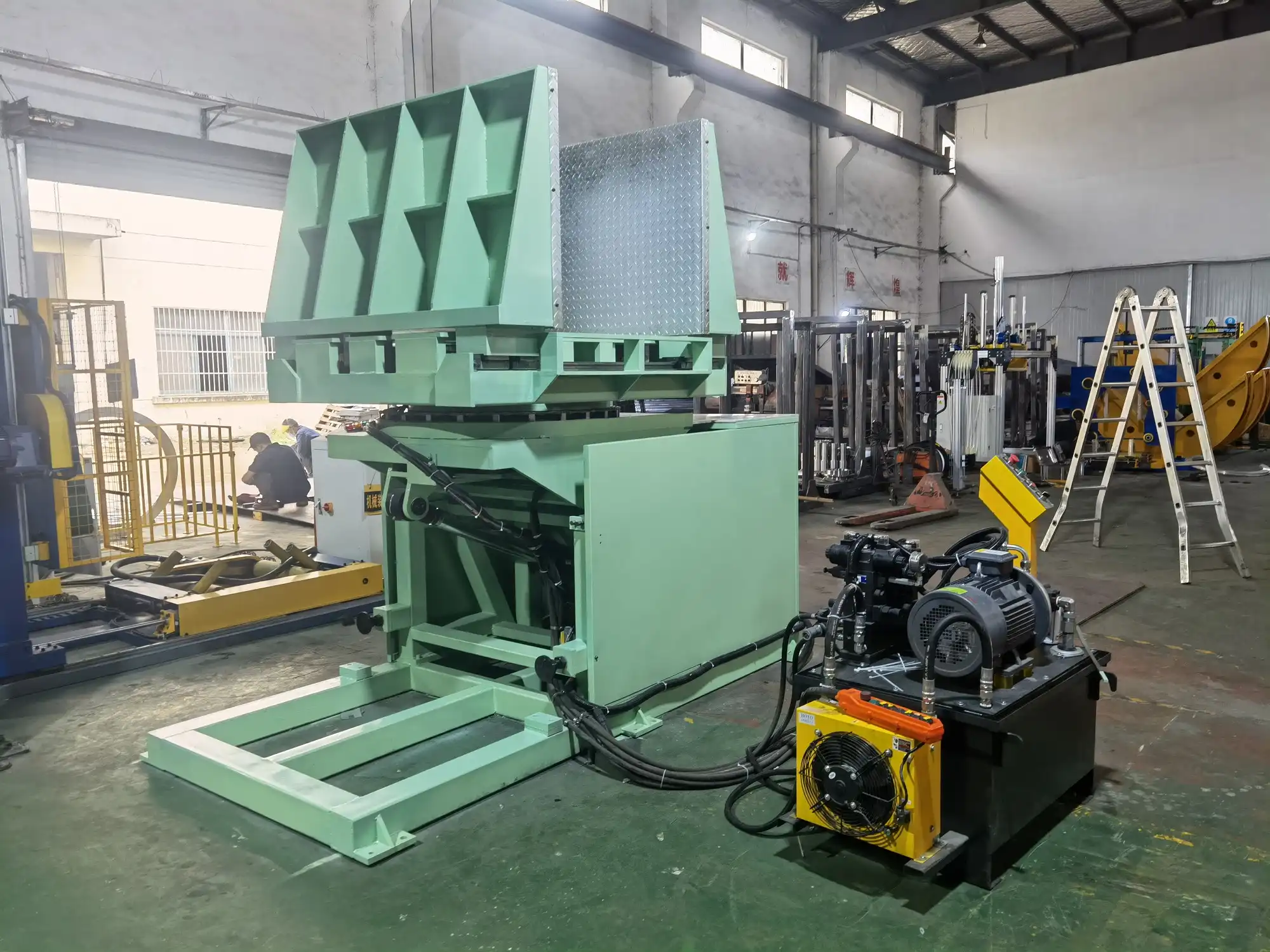
Freestanding (Fixed) Pallet Inverters 🏭
- Description: These units are permanent installations. They are typically bolted to the floor in a fixed location. They often feature large platforms and powerful hydraulics.
- Best Use Cases:
- High-volume operations with a constant need for pallet transfers.
- Warehouses or production lines where pallets always enter and exit at the same point.
- Handling extremely heavy or bulky loads that require maximum stability.
- Advantages:
- Extremely stable and durable for continuous use.
- Can be fully integrated into automated conveyor systems.
- Highest load capacities often available in this design.
- Disadvantages:
- Not flexible; cannot be moved once installed.
- Requires dedicated floor space.
- Installation can be more complex and time-consuming.
-
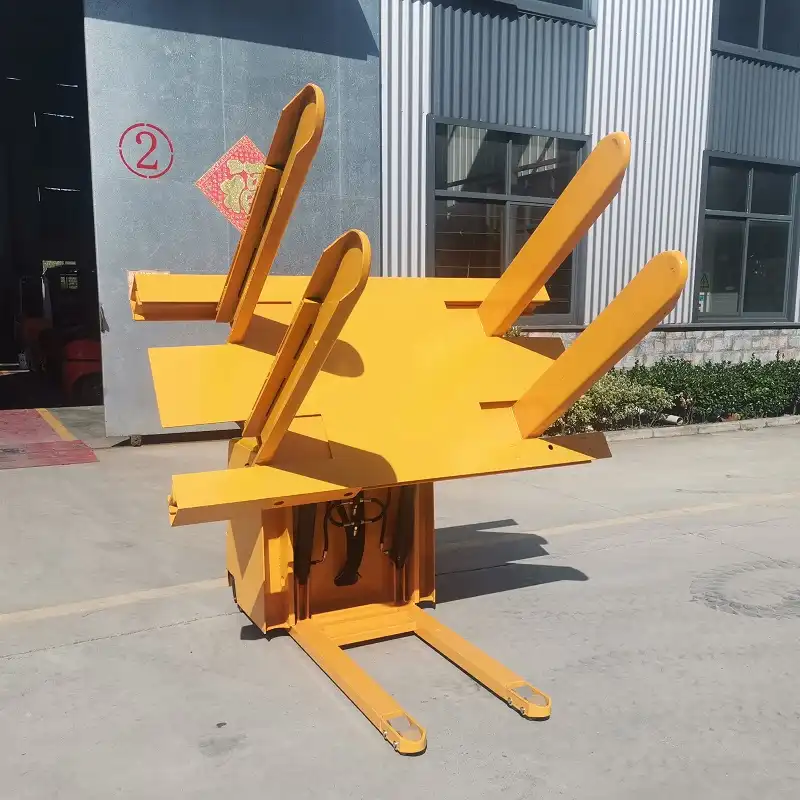
Mobile Pallet Inverters (Pallet Changers) 🚚
- Description: These machines are designed for flexibility. They often come with wheels or forklift pockets, allowing them to be moved to different areas of a plant or warehouse.
- Best Use Cases:
- Operations with varying pallet changing needs in different locations.
- Smaller facilities where space is a concern.
- Companies needing to react quickly to changing production or shipping demands.
- Advantages:
- Highly versatile and adaptable.
- Does not require permanent installation.
- Can serve multiple lines or storage areas.
- Disadvantages:
- May have slightly lower maximum load capacities compared to fixed units.
- Requires an operator to move and position it.
- Not ideal for continuous, high-speed, fixed-point operations.
-
90-Degree Tilters / Recliners (Specialty Heavy-Duty) 🔄
- Description: These designs are specifically built to tilt a pallet and its load, often to 90 degrees or beyond. They are perfect for handling unstable loads or when access to the bottom of the load is needed.
- Best Use Cases:
- Heavy industries dealing with drums, bins, or other products that need to be inverted or accessed from the bottom.
- Operations requiring the removal of slip sheets or damaged bottom layers.
- Handling products that are difficult to clamp or contain using other methods.
- Advantages:
- Excellent for unstable or odd-shaped loads.
- Provides full access to all sides of the load.
- Robust construction for heavy-duty applications.
- Disadvantages:
- May be slower than simple side-clamping inverters.
- Specialized design means it might not be ideal for simple top-to-bottom pallet swaps alone.
- Can require more floor space during operation.
When considering these designs for Canadian heavy industry, always think about the specific types of loads you handle, your daily volume, and how much flexibility you need. This will guide you to the design that offers the true value for your investment.
How Do You Choose the Best Pallet Inverter for Canadian Operations?
Are you feeling stuck trying to pick the right pallet inverter from all the choices? Many plant managers in Canada come to me with this exact problem. They worry about making the wrong decision, ending up with a machine that is too small, too slow, or not safe enough for their heavy-duty work. You need a clear process to ensure your investment truly pays off. My experience shows that a smart choice means looking at several key factors closely.
To choose the best pallet inverter for Canadian heavy operations, focus on matching the machine’s load capacity, cycle speed, safety features, durability, and adaptability to diverse pallet types with your specific operational volume, product characteristics, and regulatory requirements.

Dive Deeper: Key Considerations for Your Investment
Choosing the “best value” means finding a machine that meets your needs without unnecessary features, while still delivering long-term reliability and efficiency. Here are the practical steps I recommend:
-
Assess Your Load Characteristics 🏋️
- Weight: What is the maximum weight of your palletized loads? Canadian heavy industry often means very heavy items. You must pick an inverter with a capacity that easily handles your heaviest load, plus a safety margin.
- Dimensions: What are the largest and smallest pallet sizes and product heights you handle? Ensure the inverter’s clamps and platforms can accommodate this range.
- Stability: Are your loads stable or prone to shifting? For unstable loads (like stacked bags or uneven boxes), consider designs with tighter clamping or full enclosure.
- Material: What are your products made of? Some designs are better for fragile items, while others excel with robust materials.
-
Evaluate Operational Requirements ⚙️
- Volume: How many pallets do you need to process per hour or per day? This will determine the required cycle speed and whether you need a semi-automatic or fully automatic system. High-volume operations need faster machines.
- Pallet Types: Do you frequently switch between wooden, plastic, Euro, or North American standard pallets? Your inverter must be able to handle these changes efficiently.
- Integration: Will the inverter stand alone, or do you need it to connect with existing conveyors, forklifts, or other automation systems? Seamless integration is vital for efficiency.
- Space: How much floor space is available? Fixed units need dedicated areas, while mobile units offer more flexibility.
-
Prioritize Safety Features 👷
- Operator Protection: Look for features like safety light curtains, emergency stop buttons, and interlocked gates. These prevent accidents and protect your team.
- Load Security: The clamping mechanism must securely hold the load during inversion. This prevents product damage and ensures worker safety.
- Compliance: Ensure the machine meets all local Canadian safety standards and regulations. This is not just a good idea; it is a legal requirement.
-
Consider Durability and Maintenance 🛠️
- Build Quality: Heavy industry demands robust construction. Look for machines made from heavy-gauge steel with high-quality components. Canadian weather and tough environments require this.
- Reliability: Ask about the manufacturer’s track record for reliability. Downtime costs money. You want a machine that runs consistently.
- Ease of Maintenance: How easy is it to access parts for routine maintenance? Is technical support and spare parts readily available in Canada? This impacts long-term operating costs.
-
Look at Supplier Support and Warranty 🤝
- Technical Support: Does the supplier offer strong after-sales support? Can they provide quick help if something goes wrong?
- Warranty: What kind of warranty comes with the machine? A good warranty shows the manufacturer stands behind their product.
- Installation and Training: Does the supplier offer installation services and training for your staff? Proper setup and use are key to maximizing your investment.
By carefully considering these points, you can make an informed decision that brings real, lasting value to your Canadian heavy industry operations.
What Real Benefits Do Pallet Inverters Offer Canadian Heavy Industry?
Are you wondering if investing in a pallet inverter truly delivers tangible benefits beyond just moving pallets? Many of my clients, especially those in Canada’s tough heavy industries, want to see a clear return on their investment. They are looking for more than just a piece of equipment; they want a solution that makes a noticeable difference to their bottom line and daily operations. You might be asking, “What’s the real impact?” I can tell you from experience, the benefits are significant and far-reaching.
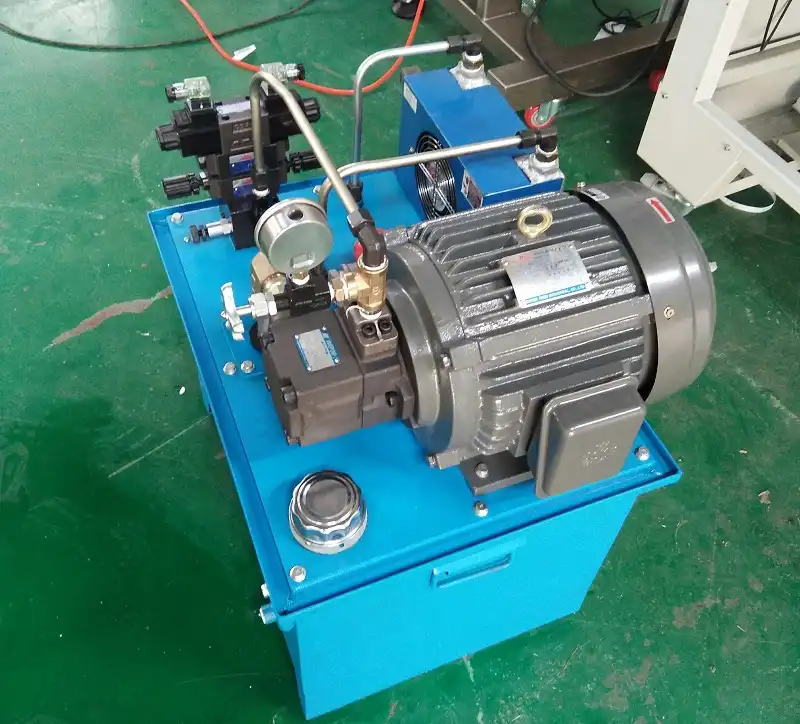
Pallet inverters offer Canadian heavy industry real benefits by drastically improving worker safety, significantly reducing operational costs, increasing overall efficiency and throughput, and ensuring compliance with diverse shipping and hygiene standards.
Dive Deeper: The Tangible Impact on Your Business
The value of a pallet inverter extends well beyond its initial purchase price. It touches every part of your logistics and production. Here are the core benefits I consistently see businesses gain:
-
Enhanced Safety for Your Workforce 🛡️
- Reduced Manual Strain: My journey in this industry taught me that safety comes first. Pallet inverters remove the need for manual lifting, twisting, and bending. This dramatically cuts down on back injuries, strains, and other musculoskeletal disorders among your employees.
- Fewer Accidents: Automated pallet changes mean less human interaction with heavy, unstable loads. This prevents accidents from falling goods or improper handling. It leads to a safer work environment for everyone.
- Lower Insurance Costs: With fewer workplace injuries, your worker’s compensation claims decrease. This directly translates to lower insurance premiums and fewer legal liabilities for your company.
-
Significant Cost Reductions 💸
- Decreased Labor Costs: Automating pallet handling means you need fewer workers for these specific, often labor-intensive tasks. This frees up your staff to do more skilled work, or it helps you manage labor shortages.
- Minimized Product Damage: When machines handle pallets, the process is consistent and controlled. This greatly reduces the risk of products being dropped or damaged during transfer. Less damage means less waste, fewer returns, and better profitability.
- Optimized Pallet Use: You can easily swap out damaged or single-use pallets for reusable ones. This extends the life of your good pallets and reduces the need to buy new ones constantly.
-
Increased Operational Efficiency and Throughput 🚀
- Faster Pallet Changes: Pallet inverters perform transfers in minutes, not the hours it might take manually. This speeds up your receiving and shipping processes.
- Improved Workflow: By eliminating bottlenecks at the pallet transfer point, your entire production or distribution line runs more smoothly. This means faster order fulfillment and better customer satisfaction.
- Better Space Utilization: Efficient pallet handling allows for better organization of your warehouse. You can move goods quicker, reducing the time they spend in transit areas.
-
Compliance and Quality Assurance ✅
- Meet Export Regulations: Many countries have strict rules about pallet types for import. Pallet inverters make it easy to switch from domestic pallets to ISPM15-compliant export pallets. This avoids costly delays or rejections at customs.
- Maintain Hygiene Standards: In industries like food or pharmaceuticals, keeping products clean is critical. Inverters allow you to switch products from dirty inbound pallets to clean, hygienic internal or export pallets without directly touching the product.
- Damage Control: Quickly identify and remove damaged or unsafe pallets from your supply chain. This maintains the integrity of your goods and protects your reputation.
These benefits are not just theoretical; they are real results that contribute to a stronger, more competitive business in the demanding Canadian industrial landscape. My experience has shown that such an investment is almost always justified.
My Insights: Finding the Right Partner for Your Pallet Inverter Investment.
Are you worried about choosing just a machine when what you really need is a complete solution and reliable support? Many businesses in Canadian heavy industry tell me they are tired of suppliers who only sell equipment and then disappear. You need a partner who truly understands your challenges and stands by their products for the long haul. My journey from a factory employee to factory owner showed me the immense value of strong partnerships. I learned that the right supplier is as important as the right machine.
Finding the right partner for your pallet inverter investment means seeking a supplier who offers comprehensive expertise, reliable after-sales support, custom solutions, and a deep understanding of heavy industry needs, rather than just selling a product.
Dive Deeper: Building a Lasting Relationship, Not Just a Transaction
In my experience, the best equipment comes from partners who see beyond the sale. They want to help you succeed. This is especially true for pallet inverters, which are critical to your daily operations.
-
Look for Expertise and Industry Knowledge 🧠
- Deep Understanding: A good partner knows your industry. They understand the specific demands of Canadian heavy industry. They can talk about your unique operational challenges, like extreme weather or specific regulations. They should offer solutions based on real experience.
- Consultative Approach: They should ask about your pain points, your goals, and your current workflow. They do not just push a product. They listen and recommend the best fit for your specific needs, even if it means suggesting a different solution.
- Problem Solvers: The best partners help you solve problems. They look at your entire process and identify where a pallet inverter can make the biggest difference. They are not just order-takers.
-
Prioritize After-Sales Support and Service 🛠️
- Availability: Is technical support readily available? Do they offer service in Canada? When a machine goes down, you need help fast. Downtime costs you money.
- Spare Parts: Can they supply spare parts quickly? This is crucial for keeping your operations running smoothly. A reliable supplier has a robust supply chain for parts.
- Maintenance Programs: Do they offer preventative maintenance plans? Regular servicing can extend the life of your equipment and prevent unexpected breakdowns. This is a sign of a commitment to your long-term success.
-
Seek Customization and Flexibility 📐
- Tailored Solutions: Your operation is unique. A great partner can customize a pallet inverter to fit your exact specifications, whether it is for specific load sizes, unique environmental conditions, or integration with existing systems.
- Adaptability: They should be able to offer solutions that grow with your business. As your needs change, your partner should be able to help you adapt your equipment or suggest upgrades.
- Future-Proofing: Discuss your future growth plans. A good partner will help you select a system that can handle your current needs and also scale for the future.
-
Check Reputation and References 🌟
- Track Record: Look at their history. Have they successfully installed pallet inverters in other heavy industry operations?
- Client Testimonials: Ask for references or case studies from other Canadian companies. What do their existing clients say about their service and products?
- Commitment: Do they show a clear commitment to quality and customer satisfaction? This is the foundation of any good partnership.
I believe in building relationships based on trust and mutual growth. A pallet inverter is an investment, and the right partner ensures that investment truly pays off for years to come. This is what FHOPEPACK strives to be for every one of our clients.
Conclusion
Choosing the right pallet inverter for Canadian heavy industry means looking for robust design, strong safety features, and a reliable partner. It is a strategic investment that boosts safety, cuts costs, and improves efficiency. Focus on your specific needs to find the best value and ensure long-term success.








