
How Pallet Inverters Help Canadian Bosses Cut Downtime in Pallet Exchange?
Canadian logistics managers face constant pressure. Pallet exchange, especially with varied international standards, often causes big bottlenecks. This wastes time and money. Imagine your warehouse flow grinding to a halt because of slow, manual pallet swaps. Or worse, an accident. This is a daily reality for many businesses across Canada. What if there was a simple way to make this process smooth, fast, and safe?
Pallet inverters directly cut downtime for Canadian businesses by automating the time-consuming and labor-intensive process of pallet exchange. They quickly swap goods between different pallet types, like Euro, American, or plastic, ensuring smooth flow, improved safety, and reduced manual labor in busy warehouses across Canada.
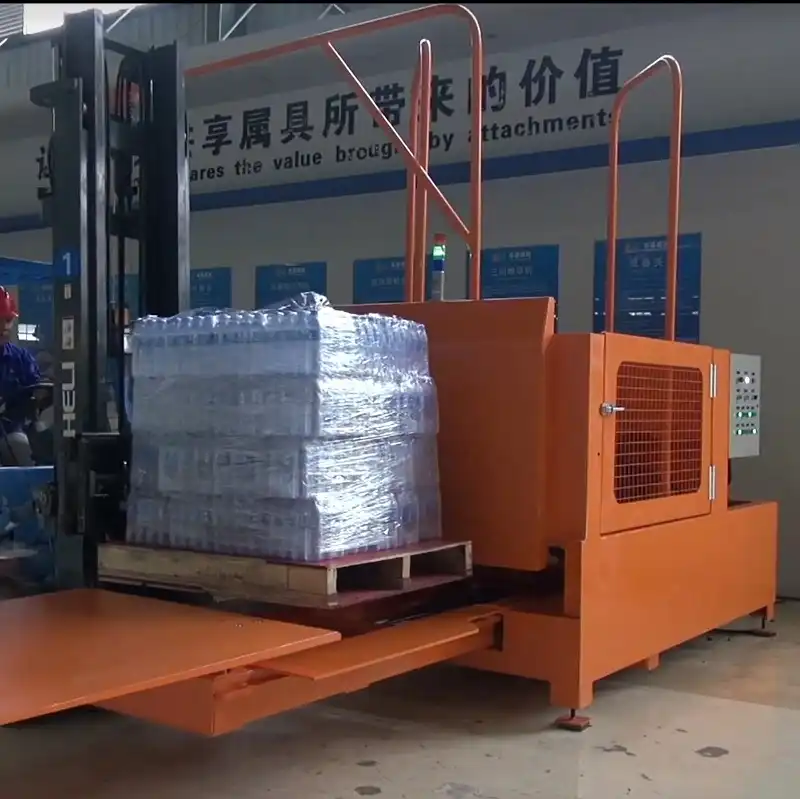
This might sound too good to be true, but it is not. I have seen firsthand how the right equipment can change everything. Let me share how pallet inverters specifically address the common challenges Canadian businesses face, moving beyond just solving problems to creating real growth.
Why is Pallet Exchange a Real Headache for Canadian Warehouses?
Do your Canadian operations struggle with slow, manual pallet changes? Are different pallet sizes slowing down your outbound shipments? This problem is more than just an inconvenience. It causes delays, raises costs, and puts your workers at risk every single day. Understanding these pain points is the first step to finding a better way.
The main headache for Canadian warehouses during pallet exchange is the need to frequently switch between various pallet types, such as Euro, American, and plastic, combined with high labor costs and safety risks associated with manual handling.
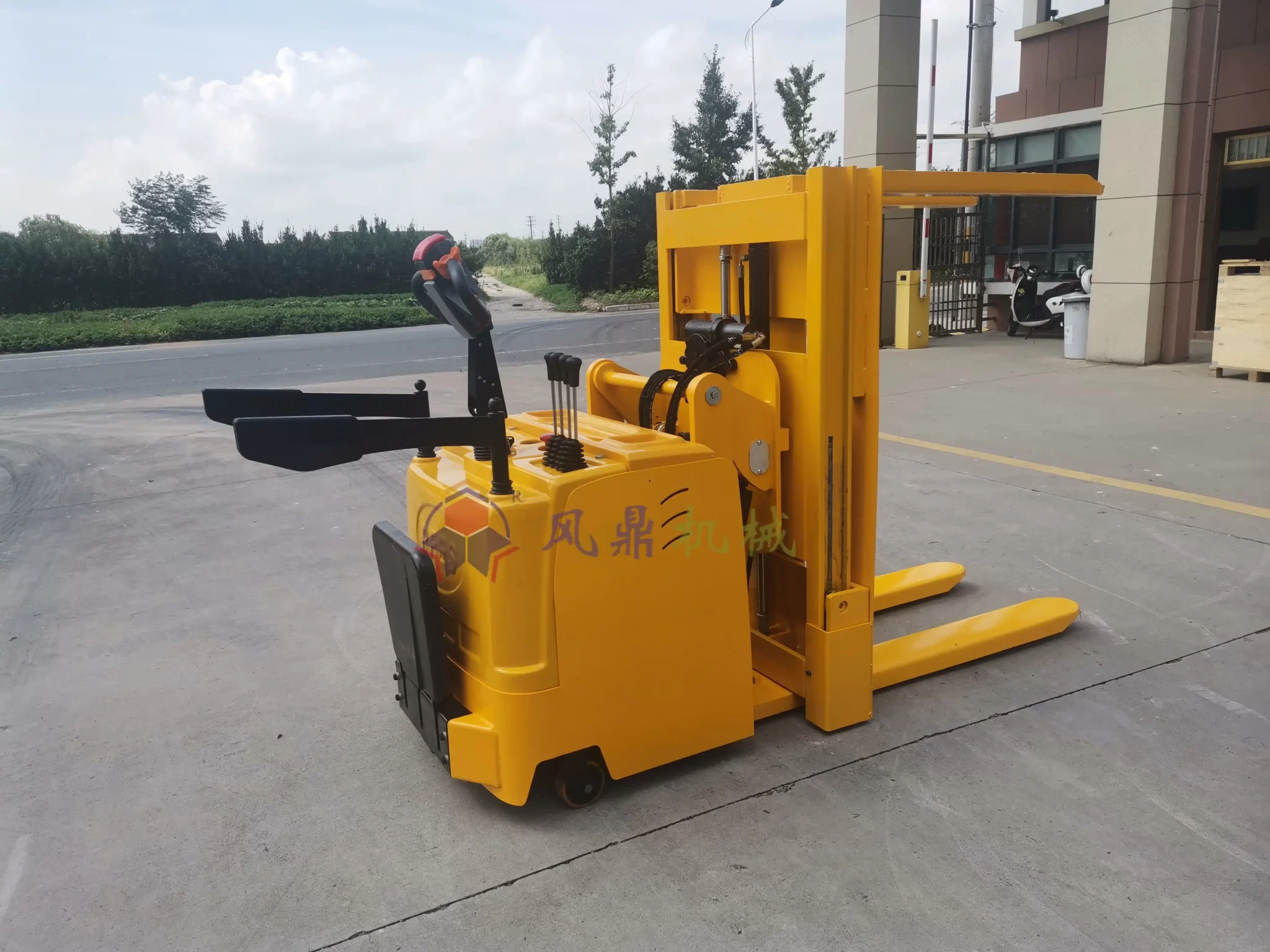
Canada’s trade involves many partners around the world. This means warehouses handle many pallet types. You might see Euro pallets, American pallets, and even specific plastic pallets all in one day. Switching these pallets by hand is slow. It also makes errors more likely. I have seen factories try to manage this by hand. It always leads to bottlenecks at the loading dock. Goods wait. Trucks wait. This costs money.
Finding people for tough warehouse jobs is getting harder. Younger workers often do not want to do heavy lifting all day. Labor costs keep going up. When I started my factory, I saw how much time and money was spent on manual tasks. This problem is even bigger in Canada, where labor costs are high. Businesses need to find smarter ways to get work done.
Flipping heavy pallets by hand is dangerous. Goods can fall off. Workers can get hurt. I have heard too many stories about injuries in warehouses. This impacts worker morale. It also leads to high insurance claims and workers’ compensation costs. Safety is a huge concern for any business owner.
Everyone wants things faster now. E-commerce pushes logistics to its limits. Customers expect quick delivery. Slow pallet changes directly affect delivery times and customer satisfaction. If your warehouse cannot meet these demands, you lose business to competitors who can. This pressure makes efficient pallet exchange not just a want, but a need.
How Can Automation Make Pallet Swaps Faster and Safer in Canada?
Is your Canadian warehouse facing bottlenecks and safety concerns during pallet changes? Are manual processes holding back your speed and efficiency? This problem causes delays, leads to higher operational costs, and puts your team at constant risk. Automation offers a clear path to faster, safer, and more efficient pallet handling.
Automation makes pallet swaps faster and safer in Canadian operations by replacing manual, labor-intensive tasks with precise mechanical actions. Pallet inverters rapidly transfer goods between pallets, reducing human effort, preventing accidents, and ensuring quicker turnaround times for all types of loads.
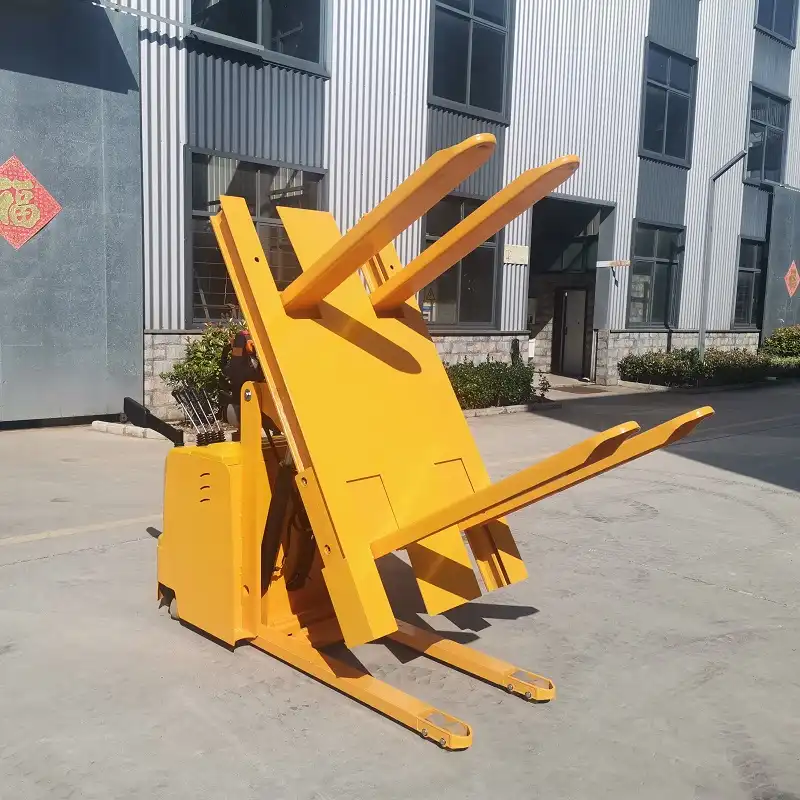
Machines work faster than people and do not get tired. A pallet inverter can swap a full load in just a few minutes. This dramatically increases the number of pallets you can process each hour. Think about how much more product can move through your warehouse in a day. When I designed my first packing machine, speed was always key. It is the same for pallet handling. Automation keeps things moving.
Automation removes the need for workers to manually lift or flip heavy pallets. This greatly reduces the risk of back injuries, crushed limbs, or goods falling. It creates a much safer workplace. Safety always comes first for me. Machines help achieve this by taking the dangerous work away from people. This also cuts down on lost workdays and insurance claims.
Machines perform the same action every time with high precision. This means fewer mistakes in pallet handling. Goods stay secure. Pallets are swapped correctly. This consistency is vital for maintaining product quality. It also helps avoid costly reworks or damaged goods. Manual processes cannot offer this level of reliability.
With machines handling the heavy and repetitive work, your team can focus on more skilled tasks. This helps with labor shortages by making existing staff more productive. It also makes their jobs more rewarding. I learned early on that good tools empower people. They do not replace them. They help them do better work.
Automated systems help ensure that your pallet handling meets international shipping standards quickly and reliably. This helps avoid delays at borders and keeps your supply chain smooth. Meeting compliance rules without effort is a big advantage for Canadian businesses involved in global trade.
What Kinds of Pallet Inverters Fit Canadian Logistics Needs?
Are you considering automation but unsure which pallet inverter is right for your Canadian warehouse? Do different models confuse you? Choosing the wrong equipment can lead to wasted investment and continued inefficiencies. Knowing the types of pallet inverters helps you pick the best one for your specific operation.
Canadian logistics needs often require versatile pallet inverters, including stationary, mobile, and freezer-specific models, each designed to handle diverse pallet types and operational volumes. The best fit depends on factors like available space, required throughput, and the specific goods being handled.
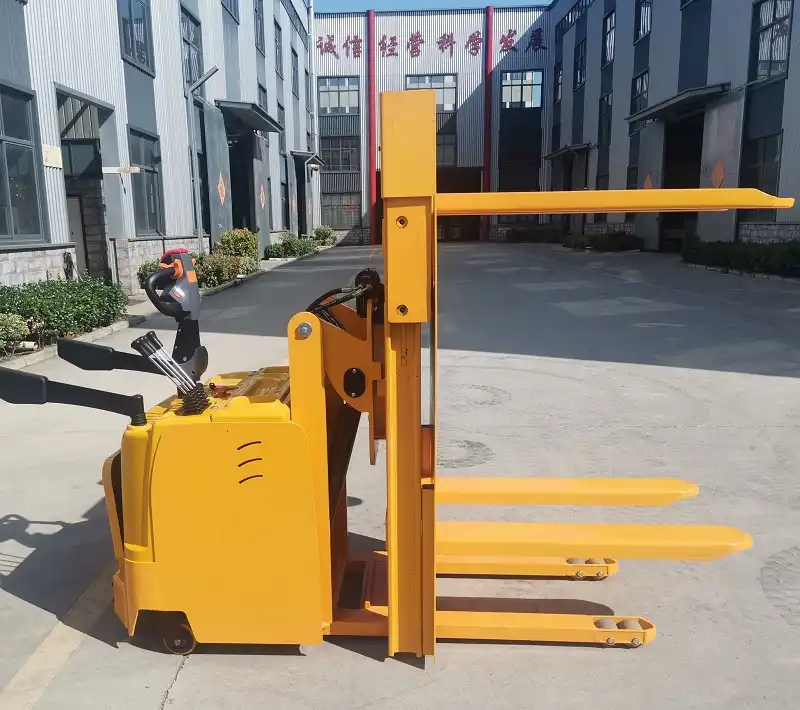
Stationary pallet inverters are fixed in one place. They work best for high-volume operations where goods constantly flow through a single point. Think of a busy distribution center that processes thousands of pallets daily. These machines offer high efficiency. They can often integrate into existing conveyor systems. When I started FHOPEPACK, I knew large-scale operations needed robust, permanent solutions that could handle heavy, continuous work without stopping.
Mobile pallet inverters can move around your warehouse. They are great for operations with lower volume or where pallet exchange happens in different areas. They offer a lot of flexibility. A forklift can bring the inverter to the load. This saves moving the load itself across the warehouse floor. For many Canadian businesses with varied needs and less fixed space, mobile units are a perfect fit because they adapt to different tasks and locations.
For food and beverage companies, handling frozen goods is very important. Freezer pallet inverters are built to work in cold, harsh environments. They keep products frozen during the pallet swap. This prevents spoilage. It ensures product quality and integrity. This is very important for Canada’s food industry, where cold chain management is critical from farm to table.
Pallet inverters can also differ in how they operate. Some use hydraulic systems. These are powerful and smooth. They are good for very heavy loads. They offer precise control over the pallet movement. Other systems use chains. These are often simpler and might be more cost-effective for lighter loads. The choice depends on the weight and type of products you move.
Finally, some inverters are designed for specific load types, like drums, bags, or fragile items. Others are more versatile and can handle a wider range of products. It is important to match the machine to your product range. This ensures the best performance and prevents damage to your goods.
How Do Pallet Inverters Drive Real Savings for Canadian Businesses?
Are you looking to cut costs and improve your bottom line in your Canadian warehouse? Is manual pallet handling draining your budget? Inefficient pallet exchange leads to hidden costs, including labor, damage, and missed deadlines. Pallet inverters offer a clear path to significant financial savings and operational improvements.
Pallet inverters drive real savings for Canadian businesses by significantly reducing labor costs, minimizing product damage, cutting down on accident-related expenses, and improving overall operational efficiency. This leads to a strong return on investment for any warehouse handling high volumes of goods.
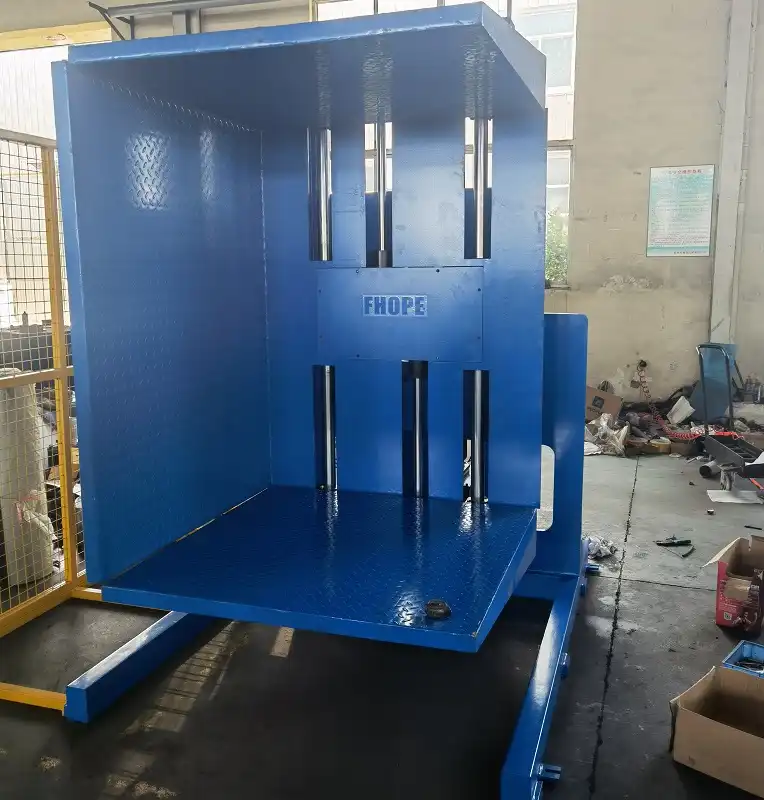
This is often the biggest saving. One automated machine can do the work of several people. This means fewer staff members needed for manual pallet swaps. Or, it means existing staff can do more valuable tasks. My own journey in the packing machine industry showed me that smart automation directly boosts profits. By reducing the need for manual labor in repetitive tasks, businesses can reallocate resources more effectively.
Fewer manual operations mean fewer workplace accidents. This directly reduces medical costs, workers’ compensation claims, and insurance premiums. A safer workplace is also a more productive one. When employees feel safe, they work better. Investing in safety through automation pays off in lower costs and higher morale.
Manual handling always carries a risk of dropping or damaging goods. Pallet inverters handle loads carefully and consistently. This greatly reduces product spoilage and waste. For high-value goods, this saving is huge. Think of the cost of replacing damaged goods or dealing with returns. Automated systems protect your inventory.
Quicker pallet changes mean faster loading and unloading of trucks. This reduces truck waiting times at your docks. It also helps meet strict delivery deadlines from customers. Avoiding delays and late delivery penalties saves money and protects client relationships. In today’s fast-paced market, speed is money.
Some inverters allow for better use of vertical space or more efficient warehouse layouts. This can indirectly lead to savings by making your facility more productive without needing to expand your physical footprint. Optimized space means you can store more or move goods more easily.
Modern pallet inverters are designed to be energy efficient. This keeps running costs low over the machine’s lifespan. While there is an initial investment, the long-term operational savings, including energy, make them a smart choice for any Canadian business looking to optimize its budget.
Conclusion
Pallet inverters offer a powerful solution for Canadian businesses to cut downtime. They boost efficiency, enhance safety, and drive significant cost savings in pallet exchange operations. Embracing this technology provides a competitive edge and secures long-term growth. Learn more about the right pallet inverter for your needs.








