
Which Orbital Stretch Wrapper Delivers the Best ROI for Wood-Based Manufacturers?
Are you a wood-based manufacturer struggling with slow, unsafe, and costly packaging? Manual wrapping of bulky wood products like lumber, panels, or doors can be a real headache. It slows down your lines and puts your workers at risk. This leads to production bottlenecks, damaged goods, and high labor costs. Imagine losing money because your products get scuffed during handling or your team is always behind schedule. It is frustrating to see profits slip away. As someone who has spent decades building packing machine factories, I know these challenges well. Finding the right automated solution is key. Today, I want to talk about orbital stretch wrappers and how they can give you a clear return on investment.
An orbital stretch wrapper offers the best ROI for wood-based manufacturers by automating the packaging process. It significantly reduces labor costs, improves worker safety by minimizing manual handling of heavy items, and prevents product damage during transit. This automation leads to faster production cycles and consistent, secure loads, ultimately boosting overall factory profitability and efficiency.

You know the pain of inefficient operations. Many factory managers, like my friend Michael from a metal processing plant, face these exact issues. They need solutions that truly work. Let us explore the different types of orbital wrappers and how each one can help you achieve your production goals. We will look at what makes them a smart investment for your business.
Why is Manual Wrapping a Major Bottleneck for Large Product Manufacturers?
Do you still rely on people to wrap your large, heavy products? This old way of working creates big problems. Your team spends too much time wrapping, and it slows down everything. This slow pace means you cannot produce as much as you want. It causes delays in shipping. It also increases your labor costs a lot. Each minute spent on manual wrapping is a minute your production line is not moving forward as fast as it could. From my experience, automating this step is not just an option. It is a necessity. It removes the bottleneck and lets your factory run smoother.
Manual wrapping of large products, common in wood-based or heavy industries, acts as a major bottleneck due to its slow speed and high labor requirements. It causes significant production delays, increases operational costs, and leads to inconsistent load security. This method limits throughput and prevents factories from meeting high demand efficiently.
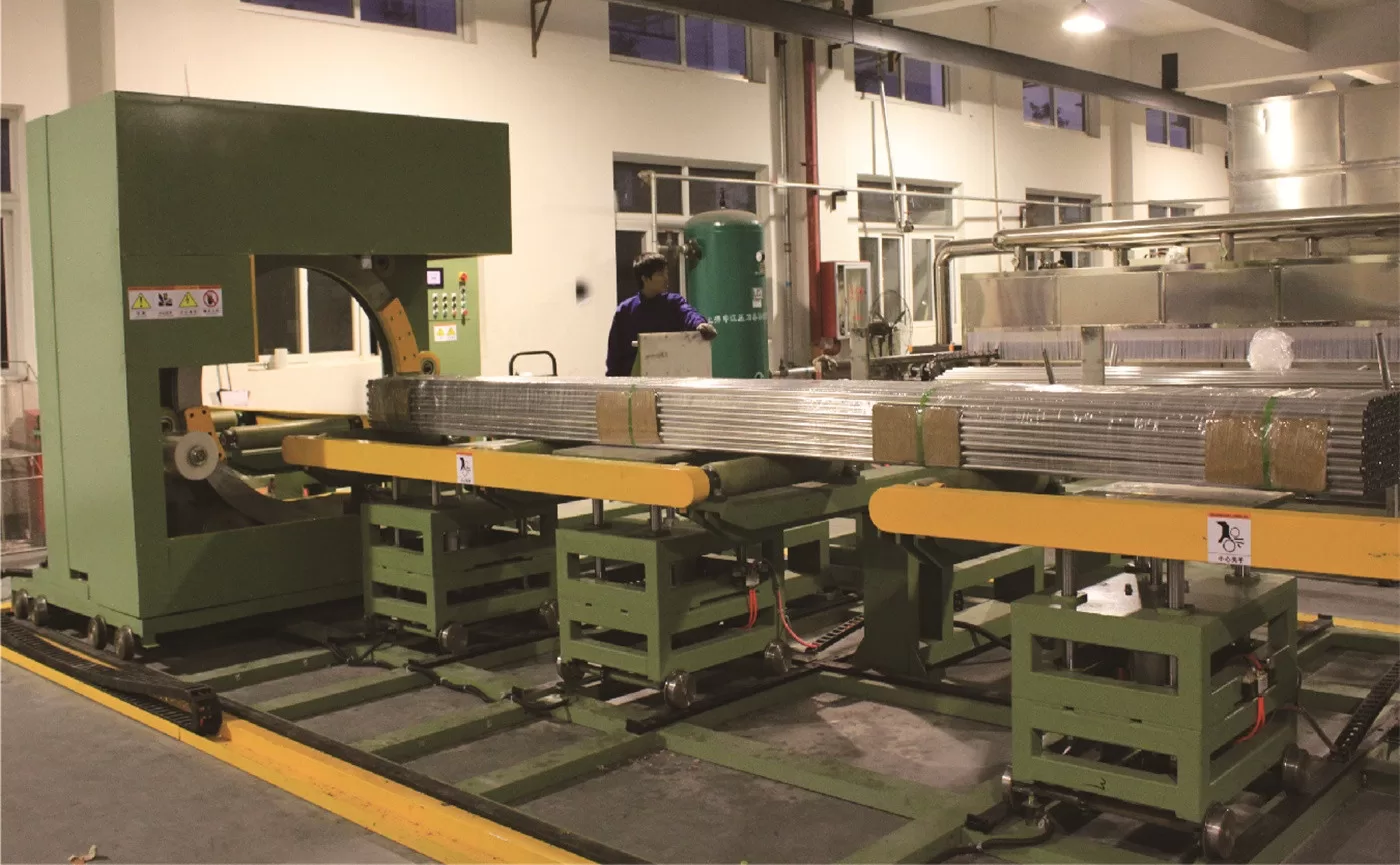
When I first started in the packing machine industry, I saw many factories struggling with manual tasks. They thought it was just how things worked. But I knew there was a better way. Michael, the factory manager I mentioned, once told me about his challenges. His team was spending too much time wrapping coils and wires. It was like watching money disappear. This situation is the same for wood-based manufacturers wrapping long lumber or large panels.
Manual wrapping creates many specific problems. These problems hurt your factory’s bottom line.
High Labor Costs
Using people to wrap means you pay for their time. You also pay for their benefits and training. If one person does the wrapping, you need another person to help move the product. This doubles the cost. When you wrap by hand, the speed depends on the person. Some days they are fast. Some days they are slow. This means your output is not steady.
Safety Concerns
Manual handling of heavy or awkward products is very dangerous. Workers can strain their backs. They can drop products on their feet. In Michael’s factory, workers had to lift and turn heavy items often. This led to injuries. These injuries mean more insurance costs. They also mean workers are absent. This reduces your workforce. For wood-based items like long beams or heavy doors, workers face the same risks. An injured worker is a cost, not just in medical bills, but also in lost production.
Inconsistent Wrap Quality
When people wrap products, the wrap quality varies. Some wraps might be too loose. Some might be too tight. This can lead to product damage during transport. Imagine a pallet of wood flooring shifting because the wrap was not strong enough. Or a large door getting scuffed. This causes customer complaints. It also means you lose money replacing damaged goods. Automated machines ensure the same wrap tension every time. They make sure the product is secure.
Production Bottlenecks
Manual wrapping is often the slowest step in the production line. Everything before it can be fast. But then it hits the wrapping station. It causes a pile-up. This bottleneck slows down your entire factory. It stops you from getting products out the door quickly. This affects your delivery times. It frustrates your customers. Michael faced this with his steel coils. He knew he needed to clear this bottleneck.
| Problem Area | Impact on Production | Why Automation Helps |
|---|---|---|
| High Labor Costs | Increased operational expenses | Reduces need for manual labor |
| Safety Risks | Worker injuries, high insurance costs | Minimizes manual handling of heavy items |
| Inconsistent Wrapping | Product damage, customer complaints | Ensures uniform wrap tension and security |
| Production Bottlenecks | Slowed throughput, missed delivery dates | Speeds up wrapping process, clears lines |
Automating the wrapping process removes these problems. It helps factories like Michael’s, and yours, run much more smoothly.
How Does an Orbital Wrapper Improve Safety and Reduce Product Damage?
Are your workers still moving heavy wood materials by hand for wrapping? This puts them at high risk for injuries. It also leaves your valuable products open to damage. Every time a worker lifts or twists, there is a chance for a strained back. Every time a product is moved manually, there is a risk of a dropped corner or a scuffed surface. These incidents cost you money in medical bills, lost time, and returned goods. The answer is clear. An orbital wrapper takes the danger out of wrapping. It keeps your products safe and your workers safer.
An orbital wrapper drastically improves safety by eliminating the need for manual handling of heavy or awkward products during wrapping, reducing strain and injury risks for workers. It also reduces product damage by providing a consistent, tight, and protective wrap around items, preventing scuffs, shifts, or breaks during internal transport and shipping.
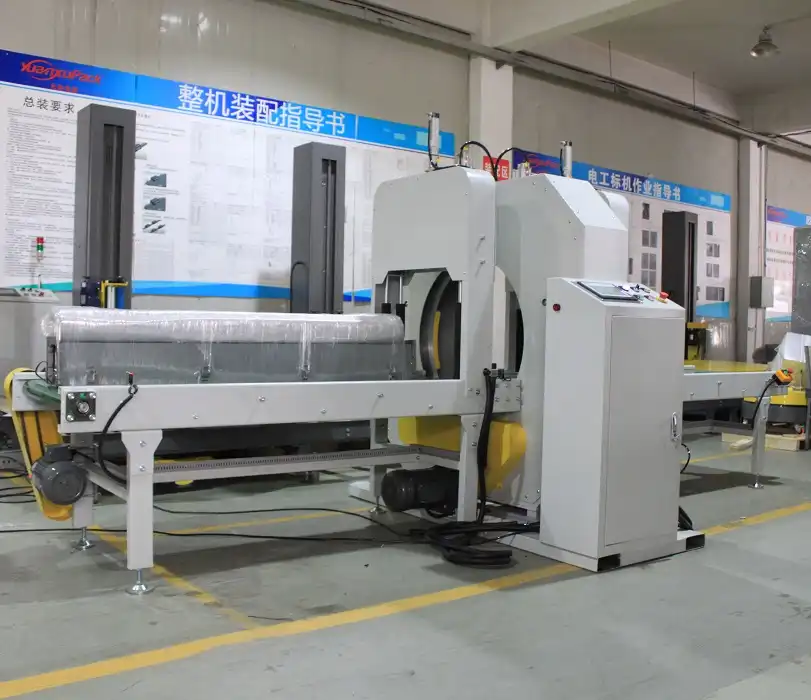
Safety is a top priority for any factory manager. When I speak with people like Michael, they always bring up worker well-being. He told me how his company’s insurance costs went up because of frequent injuries from moving heavy steel bundles. This is not unique to steel. Wood-based manufacturers face similar issues. Imagine the weight of large timber, bundles of flooring, or solid core doors. Moving these by hand for wrapping is a recipe for disaster.
An orbital wrapper changes this completely.
Reduced Manual Handling
The main safety benefit is that workers no longer need to lift, turn, or position heavy items for wrapping. The product moves through the machine on a conveyor. The machine does all the wrapping. This removes the risk of sprains, strains, and crush injuries. Workers stand clear of the moving parts. They only need to load the product onto the conveyor. This is a much safer task. My experience has shown me that fewer manual movements mean fewer accidents.
Stable Loads for Transport
One big cause of product damage is an unstable load. If a product is not wrapped tightly, it can shift during transport. It can hit other products. It can fall off a pallet. This is especially true for long or oddly shaped items like lumber or furniture parts. An orbital wrapper applies stretch film evenly and tightly around the entire product. This creates a secure, compact, and stable package. It prevents movement. This means fewer scratches, dents, or breaks.
Protection from Dust and Moisture
Wood products are sensitive to environmental factors. Dust can settle on surfaces. Moisture can cause warping or mold. The stretch film applied by an orbital wrapper creates a protective barrier. It seals the product. This protects it from dust, dirt, and moisture during storage and transport. This is a simple but very effective way to maintain product quality. It reduces returns and complaints.
Consistency and Reliability
Manual wrapping depends on human performance. An orbital wrapper delivers consistent results every time. It applies the same tension. It uses the same amount of film. This reliability ensures that every product gets the best possible protection. This leads to fewer quality control issues. It means less rework. It means happier customers.
When I started my own factory, I made sure to invest in machines that prioritized safety. It was not just about compliance. It was about creating a workplace where my team felt secure. This directly led to better morale and higher productivity. These are benefits that any factory, whether producing wood or metal, can gain from automation.
| Safety Improvement | Benefit for Workers | Benefit for Products |
|---|---|---|
| Reduced Manual Handling | Fewer strains, sprains, crush injuries | Less risk of dropping or mishandling |
| Stable Loads | Lower risk of falling objects near workers | Prevents shifting, scuffs, and breaks |
| Environmental Barrier | Not directly applicable to worker safety | Protects from dust, dirt, and moisture |
| Consistent Wrapping | Predictable operations, fewer unexpected risks | Uniform protection, less quality variation |
By investing in an orbital wrapper, you are not just buying a machine. You are buying a safer future for your team. You are also buying protection for your valuable products.
What Features Should Wood-Based Manufacturers Look for in an Orbital Stretch Wrapper for Maximum ROI?
You know you need an orbital wrapper, but how do you choose the right one? Many options exist. Picking the wrong machine means you might not get the full return on your investment. A poor choice can lead to frequent breakdowns, high maintenance costs, or a machine that cannot handle your specific product range. This means continued frustration and wasted money instead of profit. As someone who has built and run packing machine factories, I understand what makes a machine truly valuable. You need to look for specific features that guarantee durability, efficiency, and a strong return on your investment.
For maximum ROI, wood-based manufacturers should look for an orbital stretch wrapper with robust construction for heavy-duty use, adjustable wrapping parameters for diverse product sizes, and automatic film cutting and clamping for efficiency. Features like a powered pre-stretch carriage, user-friendly controls, and reliable after-sales support are also crucial for long-term value and reduced operational costs.
Finding the right equipment is like finding the right partner. Michael, the factory manager, was very clear about this. He had bad experiences with suppliers who just wanted to sell a machine and then disappeared. He needed a partner who understood his business. This is especially true for an investment like an orbital wrapper. You want a machine that not only works but also works well for many years.
Here are the key features I always recommend looking for to get the best ROI:
Robust Construction and Durability
Wood-based products can be heavy and abrasive. Your wrapper needs to withstand constant use in a demanding environment. Look for machines made with heavy-gauge steel. Check for solid frames and reliable components. A strong machine means less downtime. It means fewer repairs. This saves you money in the long run. Michael prioritized this for his metal processing plant. He knew that a cheap machine would cost him more in breakdowns than a robust one upfront.
Adjustable Wrapping Parameters
Wood products come in many sizes and shapes. You might wrap long lumber one day. You might wrap wide panels or doors the next. Your wrapper must be flexible. Look for adjustable ring speeds. Look for adjustable film tension. The machine should allow you to change the wrap layers easily. This versatility means one machine can handle your entire product range. This maximizes its use. This increases its ROI.
Automatic Film Cutting and Clamping
Manual film handling wastes time. It also uses more film. A machine with automatic film cutting and clamping saves both. It cuts the film after each cycle. It holds it ready for the next product. This speeds up the process significantly. It also ensures consistent film use. This small feature adds up to big savings in film costs and labor time over many years.
Powered Pre-Stretch Carriage
This feature is a game-changer for film efficiency. A pre-stretch carriage stretches the film before it even touches the product. It can stretch one foot of film into three or four feet. This means you use much less film for each wrap. Less film means lower material costs. It directly impacts your ROI. It also creates a tighter, more secure wrap.
User-Friendly Controls and Diagnostics
A complex machine can be hard to operate. It can be hard to troubleshoot. Look for a wrapper with a simple touchscreen interface. It should clearly show settings. It should offer diagnostics for quick issue identification. Easy operation means less training time. Quick diagnostics mean faster repairs. Both save labor and downtime.
Excellent After-Sales Support
This is where many suppliers fail. You need a partner who offers good support after the sale. This includes spare parts availability. It includes technical help. It includes service engineers. If your machine breaks down, you need it fixed fast. Good support ensures your investment continues to pay off. It gives you peace of mind. Michael made it clear he would only work with companies offering strong support. I share this same belief.
By focusing on these features, you select a machine that not only works but also adds lasting value to your operations. This is how you truly maximize your ROI.
| Feature Type | Benefit for ROI | Why it matters for Wood-Based Manufacturers |
|---|---|---|
| Robust Construction | Lower maintenance, less downtime | Handles heavy, abrasive products; long service life |
| Adjustable Parameters | Versatile for different product sizes | Wraps various lumber, panels, or doors |
| Auto Film Cut/Clamp | Reduces labor time, saves film | Increases efficiency, lowers material waste |
| Powered Pre-Stretch | Significant film savings, tighter wrap | Reduces material costs for large volume products |
| User-Friendly Controls | Less training, quicker troubleshooting | Easy for operators, minimizes human error |
| Strong After-Sales Support | Fast repairs, minimal prolonged downtime | Ensures continuous operation, protects investment |
Choosing wisely means your orbital wrapper will be an asset, not just an expense.
How to Calculate the ROI of an Orbital Wrapper for Your Factory?
You understand the benefits of an orbital wrapper. But how do you prove it is a good investment to your management or your finance team? How do you show it will actually save money? Without clear numbers, it is hard to justify a big purchase. You might know it is right, but without a solid ROI calculation, your proposal could get stuck. You need to present a strong case. Based on my years in this industry, I have seen many companies successfully justify these investments. It comes down to a clear calculation. Let me show you how to break down the numbers.
To calculate the ROI of an orbital wrapper, identify the upfront investment cost and then quantify annual savings from reduced labor, decreased film consumption, eliminated product damage, and increased production throughput. The ROI is determined by dividing the net annual savings by the initial investment and expressing it as a percentage, indicating how quickly the machine pays for itself.

For any major purchase, especially in manufacturing, the question of “When will this pay for itself?” always comes up. Michael, like any good factory manager, is focused on the bottom line. He needs to see a clear path to profitability from his investments. This is where ROI calculation becomes your best friend. It turns the intangible benefits into concrete financial gains.
Let us look at the main areas where an orbital wrapper saves you money.
Reduced Labor Costs
This is often the biggest saving. Think about how many people you currently use for wrapping. How many hours do they spend each day? What is their hourly wage, including benefits? An orbital wrapper can often replace one or more full-time positions dedicated to wrapping. Even if you reassign workers, you still gain efficiency. Calculate the annual salary and benefits of the workers you free up or no longer need for manual wrapping. This is a direct saving.
Film Material Savings
As I mentioned, a powered pre-stretch carriage can dramatically reduce your film usage. If you are currently wrapping manually, you are likely using much more film than needed. Calculate your current annual film cost. Then, estimate how much less film you will use with a pre-stretch system. Even a 50% reduction in film consumption can mean tens of thousands of dollars saved each year, depending on your volume.
Decreased Product Damage
This saving can be harder to quantify but is very real. How many products do you currently scrap or rework due to damage during internal handling or shipping? What is the value of those damaged goods? How much do customer complaints cost you in returns, re-shipments, or lost business? An orbital wrapper significantly reduces these losses by providing a consistent, secure wrap. Even a small percentage reduction in damage can add up fast.
Increased Throughput and Revenue
By eliminating the wrapping bottleneck, your entire production line can move faster. This means you can produce more products in the same amount of time. If you can make and sell more, your revenue increases. Calculate the additional units you can produce and sell. Then, multiply that by your profit margin per unit. This directly contributes to your ROI.
Safety-Related Cost Reductions
This includes lower workers’ compensation claims, reduced insurance premiums, and fewer costs associated with absenteeism due to injury. While hard to put an exact number on, a safer workplace always has a positive financial impact. It also improves morale and reduces employee turnover, which indirectly saves on recruitment and training costs.
The Calculation
Once you have these numbers, the ROI calculation is simple:
$ROI = \frac{(Total Annual Savings – Annual Operating Costs of Wrapper)}{Initial Investment Cost} \times 100\%$
The annual operating costs of the wrapper would include electricity, film, and minimal maintenance. The initial investment cost is the purchase price of the machine.
For example, if a machine costs $50,000 and saves you $25,000 per year (after its own operating costs), your ROI is 50%. This means the machine pays for itself in two years. This is a very strong return for most businesses. Michael would certainly find these numbers compelling. I have helped many clients see these types of returns. It is very satisfying to see a smart investment pay off so quickly.
| Cost/Savings Category | How to Quantify | Example Impact (Illustrative) |
|---|---|---|
| Labor Savings | Wages/benefits of eliminated/reassigned workers | $20,000 – $50,000 annually per worker |
| Film Material Savings | % reduction in film usage x current film cost | $5,000 – $15,000 annually |
| Reduced Product Damage | Value of fewer scrapped/reworked items, fewer returns | $2,000 – $10,000 annually |
| Increased Throughput | Additional profit from increased sales volume | $10,000 – $30,000 annually (or more) |
| Safety Cost Reduction | Lower injury claims, insurance | Variable, but significant long-term |
Presenting these numbers clearly makes a strong case for investing in an orbital wrapper. It shows you are not just buying a machine. You are buying efficiency, safety, and increased profit.
My Insights!!!!!!!!!!!!
Many factory managers focus only on the initial price of a machine. They see it as an expense. This narrow view often stops them from making smart, long-term investments. This leads to outdated processes and missed opportunities. They keep facing the same problems: high labor costs, unsafe working conditions, and damaged products. It becomes a cycle of inefficiency. From my journey building a successful packing machine factory, I learned that the true value is not the price tag. It is the long-term impact on your operations. It is about understanding ROI beyond simple cost.
My core insight is that an orbital wrapper is not merely an expense but a strategic investment that fundamentally transforms a factory’s operational efficiency and profitability. The real ROI comes from comprehensive savings in labor, materials, and damage, alongside significant improvements in safety and throughput, rather than just the immediate cost of the machine itself.
My path in the packing machine industry started from the factory floor. I learned about machines from the inside out. When I decided to start FHOPEPACK, my mission was clear. I wanted to share real knowledge. I wanted to help others succeed. This is why I talk about ROI in depth. It is not just a financial term. It is a way to look at how a machine changes your entire business for the better.
I remember when I was first looking at automated solutions for my own factory. There were cheaper options. But I always looked beyond the initial price. I thought about the total cost of ownership. I thought about how much money I would save in the long run. I thought about how it would make my team safer. This holistic view is what allowed my factory to grow. It is what helped me achieve financial independence. Now, I want to share that same wisdom.
Beyond the Purchase Price
Many people think of equipment only as a purchase. But smart factory owners see it as an investment. The purchase price is only one part of the equation. You must also think about the cost of not buying the machine. What does it cost you every day to keep doing things the old way? Michael told me his biggest challenge was his “supplier trust crisis.” This comes from suppliers who only focus on the sale. They do not care about the long-term partnership. I believe in being a true partner. I want to help you solve your problems.
The Power of Preventative Solutions
An orbital wrapper is a preventative solution. It prevents injuries. It prevents product damage. It prevents bottlenecks. Investing in prevention is always cheaper than dealing with problems after they happen. Think about an injury. It is not just the medical bill. It is the lost productivity. It is the morale hit. It is the disruption. Preventing these issues saves you more than you might imagine. This approach helped me build my business. It helped my clients grow their businesses.
The Human Element
People are your greatest asset. When you invest in machines that make their jobs safer and easier, you show you care. This builds loyalty. It reduces turnover. It makes your team more productive. Michael understands this. He wants solutions that improve worker safety. This is not just a nice-to-have. It is a smart business decision. A happy and safe workforce is a productive workforce. This directly contributes to your factory’s success.
Long-Term Vision
My journey from an employee to a factory owner taught me the importance of a long-term vision. Do not just fix today’s problem. Invest in solutions that will help you grow for years to come. An orbital wrapper is not just for packaging. It is a foundation for higher production. It is a step towards full automation. It is a way to stay competitive in the market. This is the kind of thinking that truly masters wrapping and masters your business.
| Key Insight Area | What it Means | Why it Matters for Your Business |
|---|---|---|
| Investment, Not Expense | Focus on long-term savings and gains | Unlocks growth, profitability, and competitive edge |
| Preventative Solutions | Avoids future costs from problems | Saves money on injuries, damage, and inefficiencies |
| Value of Human Element | Safer and happier employees, lower turnover | Boosts morale, productivity, and overall company health |
| Long-Term Vision | Strategic planning for future growth | Builds foundation for automation and market leadership |
I have seen the impact of these insights firsthand. They are why I am so passionate about sharing this knowledge. I want to see your factory thrive, just as mine did.
Conclusion
An orbital stretch wrapper offers clear ROI for wood-based manufacturers. It boosts safety, cuts costs, and improves efficiency. Investing in the right machine ensures your factory thrives long-term.








