
Why Are Side-by-Side Orbital Stretch Wrapper Tests Critical for Wooden Industry Applications?
Manual packing of heavy wood products is a big problem. It is slow and uses too much labor. Workers can get hurt lifting heavy items. This also means your products might get damaged before they reach customers. These issues directly affect your factory’s profit and reputation.
Side-by-side orbital stretch wrapper tests are critical for wooden industry applications because they provide real-world data. These tests compare different machines side-by-side. They show which wrapper offers the best performance, film usage, and load security for your specific wooden products. This helps factories choose the most efficient and safest packing solution.
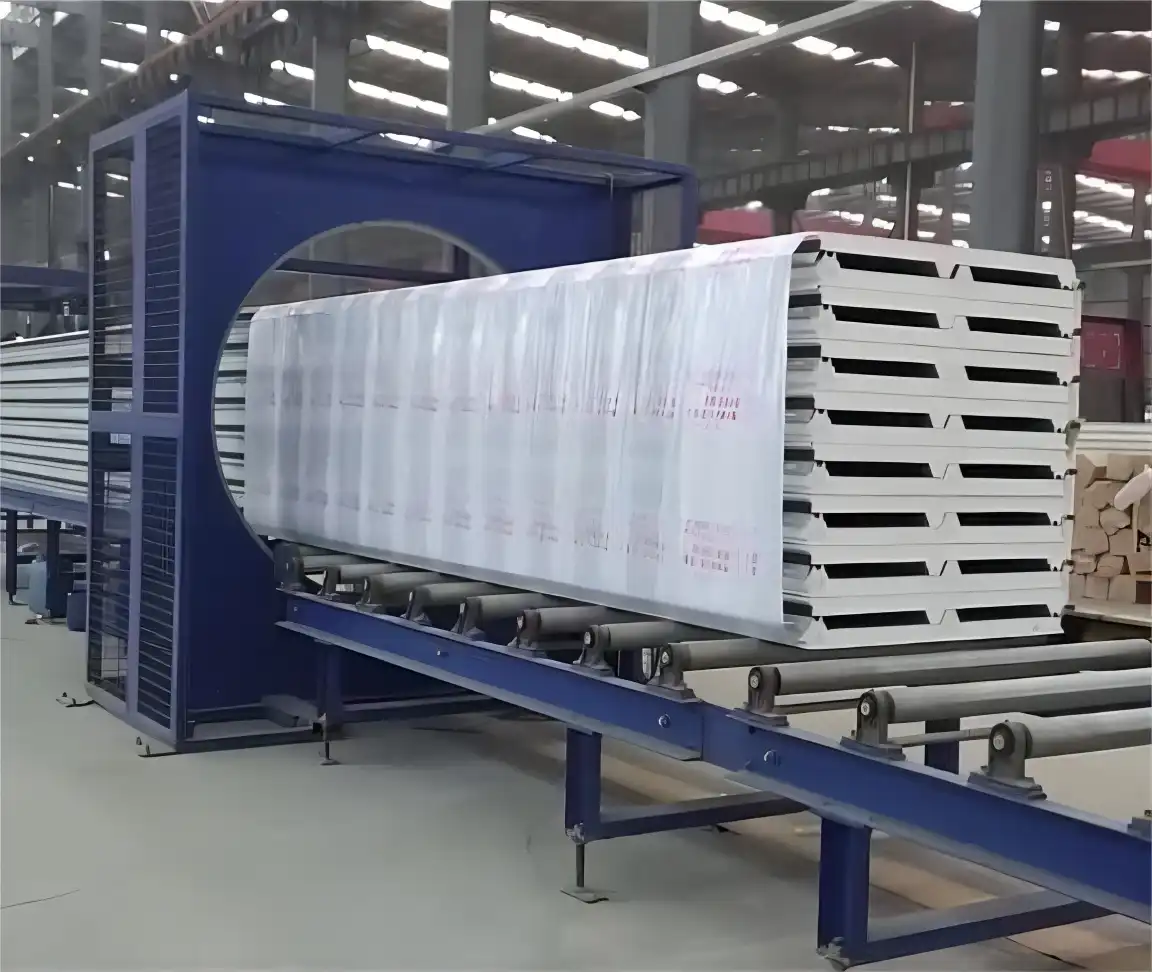
You might wonder, why did I focus on the wood industry for these tests? Or what exactly did we test? Let me share what my team and I discovered, drawing from my years of experience building packing machine solutions. My goal is to help you understand how smart choices in packing equipment can truly transform your business.
Why Are Side-by-Side Tests Essential for Wooden Products?
Wooden products are unique. They are often heavy, long, and can have uneven shapes. Think about large panels, doors, or lumber bundles. These items are hard to wrap by hand. This can cause damage during shipping. It also creates a safety risk for workers.
Side-by-side tests are essential for wooden products. They give direct comparison data on how different machines handle specific wood sizes and weights. This means you can see which wrapper uses film best, creates the most secure wrap, and handles the product without damage. It helps factories pick the right orbital wrapper with confidence.
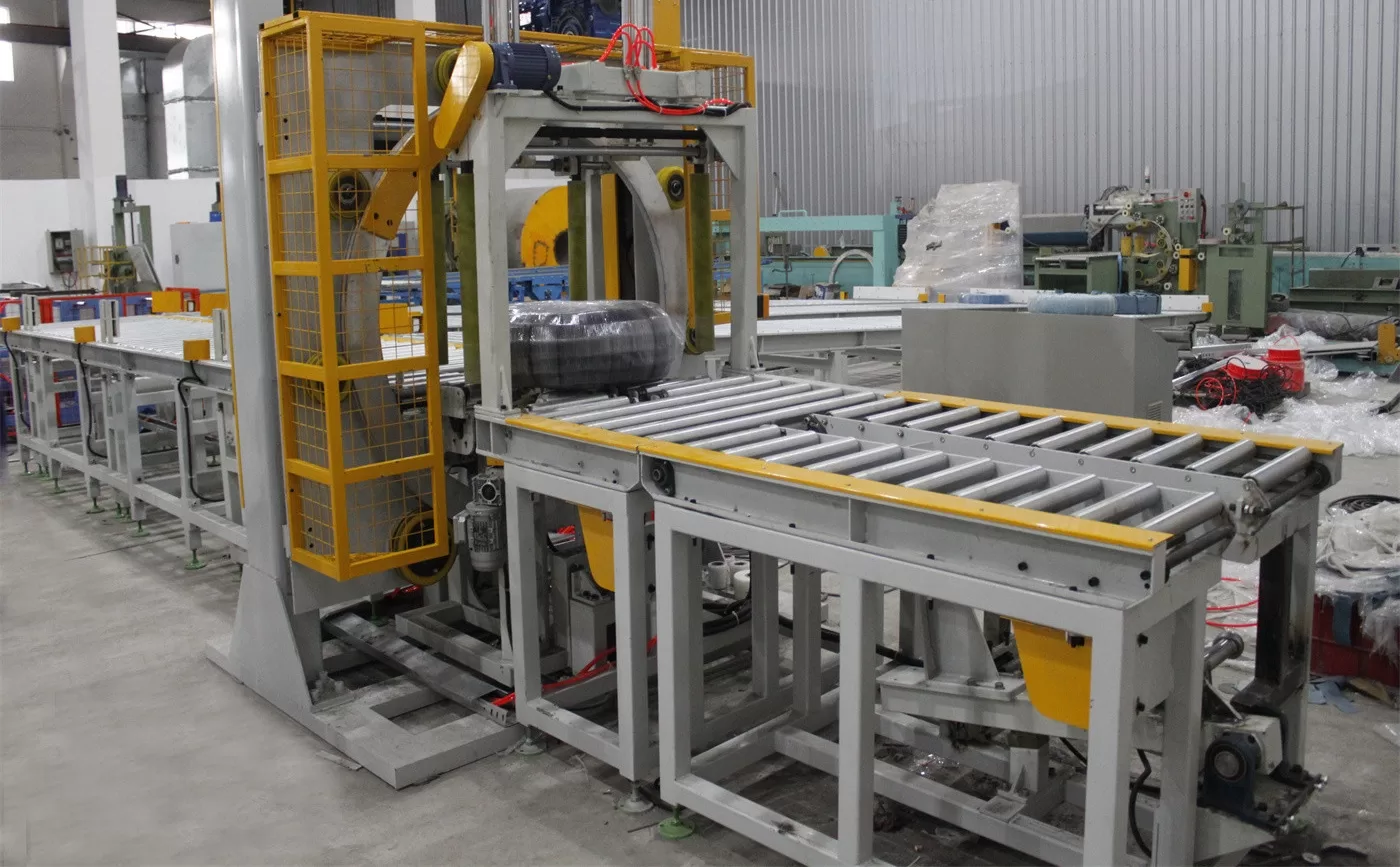
Wooden items present specific challenges for packaging. Their weight makes manual handling dangerous. This leads to worker injuries and high insurance costs. Their shapes can be awkward. This means a standard wrap might not work well. It can leave parts unprotected. Or it can cause the film to tear. Also, wood itself can be abrasive. This can wear down parts of a wrapper not designed for heavy-duty use. For example, I once saw a factory trying to use a light-duty wrapper for large wooden beams. The machine broke down often. The film kept tearing. This cost them more in repairs and wasted time than the machine was worth. It also meant their finished products looked bad. My own journey in the packing machine industry taught me this. You must match the machine to the product. You cannot just guess. Side-by-side tests expose these issues. They show you which machine can truly withstand the harsh environment of a wood processing plant. They show you which one can handle the specific demands of wood packaging.
The Unique Nature of Wood Packaging Challenges
Wooden products come in many forms. They can be long, like lumber. They can be wide, like panels. They can be heavy, like doors. Each form has its own packing needs. Standard wrappers might not provide enough tension for heavy bundles. They might not cover the full length of a long plank. This leaves parts of the product exposed. Exposed wood can get scratched or dented. It can absorb moisture. These problems lead to customer complaints. They hurt your brand’s image. This is why a custom approach to testing is vital. We need to see how the wrapper performs on your specific products, not just generic items.
Beyond Brochures: Real-World Performance
Brochures tell you what a machine can do. Side-by-side tests show you what it does do in your factory setting. We test different film types. We try different wrap patterns. We push the machines to their limits. This reveals weaknesses. It shows us how consistent the wrap is. It highlights any issues with film breaks or load shifting. This hands-on evaluation is priceless. It lets you see the real speed. It lets you check the true film consumption. This is not something you can learn from a sales pitch. It needs direct observation. This direct comparison helps you make a truly informed decision.
Protecting Your Investment and Reputation
Choosing the wrong machine is a costly mistake. It means lost production time. It means repair costs. It means unhappy customers. Our tests help prevent this. By investing time in proper testing, you protect your future investment. You ensure your products arrive safely. This builds trust with your customers. It enhances your factory’s reputation. My experience taught me that preventing problems is always cheaper than fixing them. This applies to your machines and your product quality.
| Feature | Untested Machine (Generic) | Tested Machine (Optimized for Wood) |
|---|---|---|
| Film Usage | Inconsistent, often wasteful | Optimized, precise, less waste |
| Wrap Quality | Loose spots, potential for damage | Tight, secure, full protection |
| Load Stability | Risk of shifting, product damage | Stable, secure, minimal movement |
| Machine Uptime | Frequent breakdowns, high repairs | High reliability, minimal downtime |
| Product Range | Limited to standard sizes | Adapts to various wood dimensions |
What Key Factors Do I Look for in Orbital Wrappers for Wood?
Many orbital wrappers exist. But not all are right for wood. Picking the wrong one costs money and time. It can lead to breakdowns and unsafe work. This directly impacts your daily operations. You need to avoid this.
When choosing orbital wrappers for wood, I focus on specific factors. These include a robust build for heavy loads, a large wrapping ring diameter, precise tension control for secure wraps, adjustable settings for varied product sizes, and strong safety features. Film pre-stretch capability and simple maintenance are also key considerations for optimal performance.
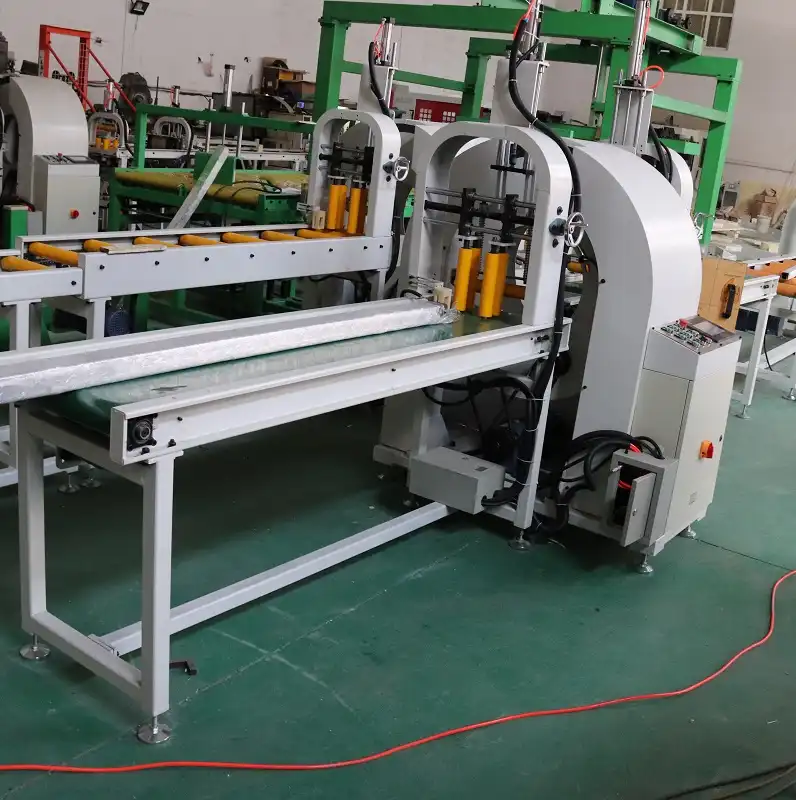
My experience has shown me what truly matters. It is not just about the price tag. It is about the machine’s ability to perform day in and day out under tough conditions. For wood products, this means specific design elements are crucial. A machine built for light boxes will simply not last when wrapping heavy lumber. This is a lesson I learned early in my career, both as an engineer and later as a factory owner. I saw firsthand how a cheap machine could quickly become the most expensive. When Michael Chen talks about needing durable equipment that can withstand high-intensity, harsh work environments, I know exactly what he means. It is about making sure the machine is a long-term asset, not a temporary fix.
Robust Construction for Heavy Loads
Wood products are heavy. This means the wrapper must be strong. It needs a heavy-duty frame. It needs durable rollers and motors. These parts must handle constant stress. They must manage the weight of the product. They must handle the tension of the film. A flimsy machine will break down quickly. This leads to expensive repairs. It causes costly production stops. We look for machines made from thick steel. We check the quality of every component. This ensures the machine will last for years. It will keep running even under continuous heavy use.
Adaptive Wrapping Technology
Wood products vary greatly in size. You might wrap a small door one minute. Then you wrap a long beam the next. The best orbital wrappers can adapt fast. They have adjustable ring speeds. They have variable film tension. They have adjustable support rollers. This allows for precise wrapping of different dimensions. It ensures a consistent, tight wrap every time. This adaptability reduces setup time. It also prevents film waste. It guarantees product protection across your entire range.
Safety Features: A Non-Negotiable Priority
Worker safety is always first. Orbital wrappers involve moving parts. They handle heavy products. They must have top-notch safety features. These include emergency stop buttons. They need safety light curtains. They require automatic fault detection. The machine should stop if a problem occurs. It should prevent accidents. A safe machine protects your workers. It also lowers your factory’s insurance costs. This reduces employee turnover. For me, safety is not an option. It is a fundamental design principle.
Efficiency and Maintenance Considerations
A good machine is easy to use. It is easy to maintain. Look for simple controls. Look for quick film roll changes. Look for accessible parts for maintenance. These features save time every day. They reduce labor costs. They keep the machine running smoothly. A machine that is hard to maintain will sit idle. This costs your factory money. It is important to think about the long-term operational costs. This includes how simple it is to keep the machine working.
| Feature Area | Key Details for Wooden Products | Why It Matters for Your Factory |
|---|---|---|
| Machine Structure | Heavy-duty frame, reinforced components | Prevents breakdowns, ensures longevity for heavy use |
| Wrapping Ring Size | Large diameter, adjustable opening | Accommodates varying sizes of lumber, panels, doors |
| Film Tension Control | Precise, adjustable, consistent tension delivery | Securely bundles heavy items, prevents film breaks |
| Safety Mechanisms | E-stops, light curtains, interlocks | Protects workers, reduces injury risk, lowers insurance |
| Film Pre-stretch | High pre-stretch ratio, robust pre-stretch carriage | Reduces film consumption, saves material costs |
| Maintenance Access | Easy access to components, modular design | Minimizes downtime, simplifies repairs |
How Do These Tests Directly Improve Production Safety and Efficiency?
Manual packing of heavy wood items is slow and dangerous. Workers can get hurt. Production lines slow down. This eats into your profits. This is a problem I have seen in countless factories. It is a problem I faced myself when I started my own packing machine factory.
Side-by-side tests directly improve production safety by proving which orbital wrapper minimizes manual handling of heavy wooden items. This lowers the risk of worker injuries. They boost efficiency by identifying machines that offer faster, more consistent wrapping, increasing throughput and reducing bottlenecks compared to slow, manual methods.
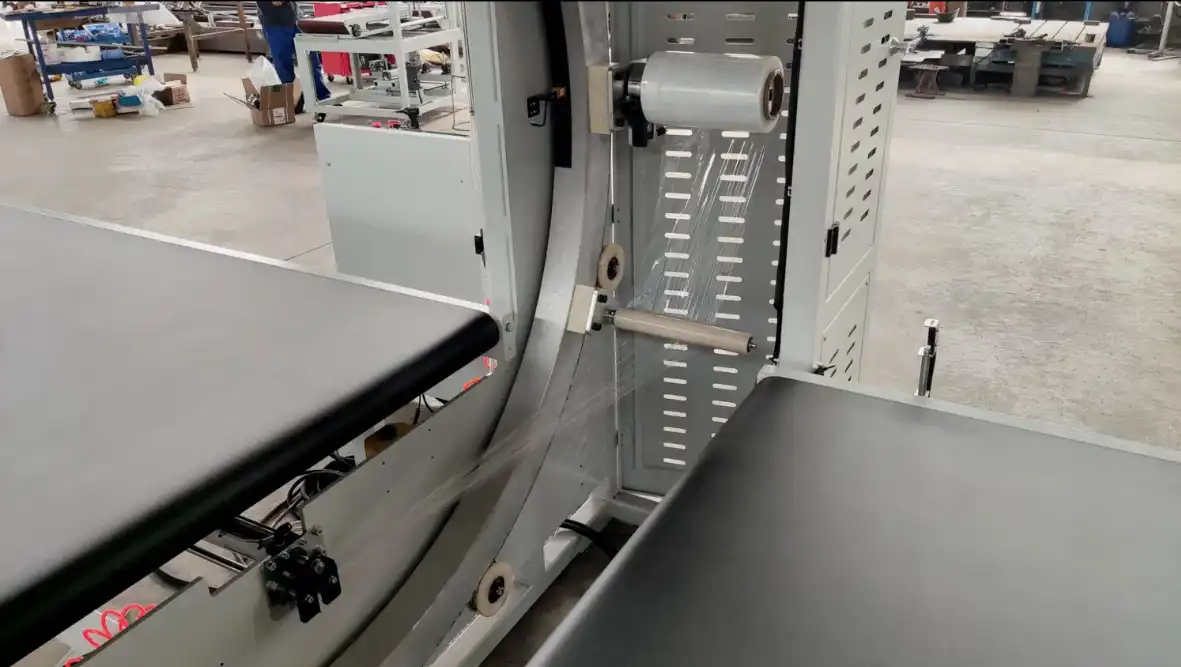
My experience has taught me that the biggest gains often come from solving root problems. For heavy manufacturing, manual lifting and packing are huge root problems. They slow everything down. They create huge safety risks. I remember one of my first big projects. We replaced a manual banding operation for steel coils. Before, workers struggled with heavy tools and sharp edges. It was slow and dangerous. After automation, the process was fast. It was safe. The difference was like night and day. This same principle applies to wooden products. The side-by-side tests reveal how much faster and safer a specific automated wrapper performs compared to your current manual setup. This is not just theoretical. This is measurable data. It shows you the real impact on your factory floor.
Eliminating Manual Handling: A Safer Workplace
One of the greatest benefits of an orbital wrapper is reducing manual labor. Workers no longer need to lift or move heavy wooden items by hand for wrapping. This means fewer strains, fewer back injuries, and fewer accidents. Our tests focus on how easily the product feeds into the machine. We look at how little human interaction is needed. A good machine makes the process hands-free once the product is loaded. This drastically improves workplace safety. It creates a much safer environment for your team. This reduces your workers’ compensation costs. It also makes your employees happier. Happy workers are more productive.
Streamlining Operations: The Speed Advantage
Manual wrapping is slow. It depends on human speed. It has inconsistencies. An automated orbital wrapper works at a constant, high speed. It does not get tired. Our tests measure the wraps per minute. We look at the total throughput. We compare this to manual times. The results consistently show a massive increase in speed. This means your products are wrapped faster. They move out of the factory sooner. This removes bottlenecks at the end of your production line. It increases your overall output. This speed directly translates to more finished products and faster deliveries.
Consistency and Quality: Reducing Rework
Humans make mistakes. This is natural. Manual wrapping can be inconsistent. Some wraps might be too loose. Some might be too tight. This leads to damaged products. It means you have to re-wrap them. This wastes time and film. An orbital wrapper provides a consistent wrap every time. Our tests check for uniform tension. We look for full coverage. We ensure the wrap is secure. This reduces product damage. It eliminates the need for re-work. This saves materials. It saves labor. It ensures your product arrives in perfect condition. This consistency builds customer trust.
| Metric | Manual Packing of Wood | Automated Orbital Wrapping (Tested) | Improvement |
|---|---|---|---|
| Safety Incidents | High risk of strains, cuts | Minimal, significantly reduced risk | Major |
| Wrapping Speed | Slow, varies by worker | Fast, consistent, high throughput | Significant |
| Wrap Consistency | Variable, prone to errors | Uniform, reliable, consistent | High |
| Labor Requirement | High (multiple workers) | Low (one operator, less interaction) | Substantial |
| Product Damage | Moderate to High | Low, minimized | High |
| Bottleneck Relief | Often creates end-of-line bottle | Eliminates bottleneck, smooth flow | Excellent |
What Tangible ROI Can Your Factory Expect from the Right Wrapper?
Investing in new machines can feel risky. You need to see a clear return. Without clear ROI, it is just a cost. You want to know this investment will pay off. This is a common concern for factory managers like Michael Chen. He needs solutions with clear return on investment.
The right orbital wrapper delivers tangible ROI through multiple channels. It reduces labor costs by automating wrapping tasks. It lowers product damage rates due to secure, consistent wrapping. It optimizes film consumption, saving material costs. It increases overall production throughput, and it reduces workplace injury costs. All these factors lead to significant long-term savings and increased profitability.
My financial independence came from understanding these numbers. I saw how smart investments in packing machines could pay off quickly. It is not just about buying a machine. It is about buying a solution that earns you money. I helped many clients grow their businesses by showing them this clear path to ROI. Michael wants equipment that provides a clear ROI. This is exactly what I focus on. We do not just sell machines. We provide a path to greater efficiency and profit. Our tests are designed to highlight these financial benefits. They show you exactly where your money will be saved or earned.
Labor Cost Reduction: Freeing Up Resources
Automated wrapping means fewer workers are needed for the packing process. The machine does the work. This frees up your labor force. You can assign these workers to other tasks. These tasks might add more value elsewhere in your factory. Or you can reduce your labor overhead. Over time, these labor savings add up. They can quickly cover the cost of the machine. This is one of the most direct ways to see ROI. It is a clear line item on your balance sheet.
Minimizing Product Damage: Saving Your Profits
Damaged products mean lost money. It means customer complaints. It means re-shipping. All this costs your factory. An effective orbital wrapper protects your products. It ensures they arrive undamaged. Our tests confirm the protection level. We check for stable loads. We look for secure wraps. This directly reduces product damage claims. It saves you money on returns and replacements. It also protects your brand’s reputation. This is a significant, often overlooked, area of savings.
Optimized Film Usage: Smart Material Management
Film is a continuous cost. Manual wrapping can waste a lot of film. Inconsistent application. Too many layers. The right orbital wrapper uses film efficiently. Modern machines have pre-stretch technology. This makes a small amount of film go a long way. Our tests compare film consumption across different machines. We find the one that gives the best protection with the least film. This can save your factory thousands of dollars each year. It is a direct and ongoing saving.
Increased Throughput: Meeting Demand Faster
A faster packing line means more products go out the door. This means you can meet higher demand. You can take on more orders. This directly increases your factory’s revenue. The efficiency gains from an automated wrapper are substantial. They allow you to scale your production. This contributes directly to your factory’s growth and profitability. This is a key benefit for any factory manager aiming to boost output.
Reduced Insurance and Safety Costs: A Hidden Benefit
Fewer workplace injuries mean lower insurance premiums. It means less time lost from work. It means a more stable workforce. When you reduce the risk of injury from manual handling, these costs go down. This is a real, tangible financial benefit. It might not be as obvious as labor savings. But it significantly impacts your bottom line. It also creates a better working environment.
| ROI Factor | How Orbital Wrapper Delivers ROI | Estimated Impact (Example) |
|---|---|---|
| Labor Cost | Reduces need for manual packing labor | Save $X per year per worker freed |
| Product Damage | Minimizes transit damage, re-work, returns | Reduces damage claims by Y% |
| Film Consumption | Optimizes film use with pre-stretch | Decreases film cost by Z% |
| Throughput | Speeds up packing, removes bottlenecks | Increases daily output by A units |
| Safety Costs | Lowers injury rates, insurance premiums | Reduces safety-related expenses by B% |
| Payback Period | (Calculated based on specific factory data) | Often 12-24 months for well-chosen machines |
My Insights on Mastering Wooden Product Wrapping!
Even with the best machine, success is not automatic. Many factories buy equipment but fail to unlock its full potential. This leaves money on the table. You want to avoid that.
My key insights on mastering wooden product wrapping include prioritizing a vendor partnership over just sales, deeply understanding your specific product needs, conducting rigorous side-by-side testing, and continuously optimizing machine settings for maximum efficiency and product protection. It is about a holistic approach, not just a purchase.
My journey from a factory employee to owning my own successful packing machine factory taught me many lessons. One of the biggest is that a machine is only as good as the partnership you have with its supplier. When Michael Chen says he wants a “true partner,” I know exactly what he means. I built FHOPEPACK because I believe in sharing knowledge. I believe in helping others succeed. I know the pressures of running a factory. I know the importance of reliable equipment and expert advice. So, when you look at bringing a new orbital wrapper into your facility, think beyond the initial sale. Think about the long-term relationship. Think about ongoing support. This is where real value lies. This approach applies to every aspect of your packing operations, ensuring you not only buy the right machine but also use it to its full potential.
Beyond the Machine: The Partner You Choose
Many equipment suppliers just want to make a sale. They disappear after the invoice is paid. This is a problem Michael has faced. I believe in a different approach. A true partner helps you identify your needs. They help you with installation. They provide training. They offer ongoing support and maintenance. They share their expertise. This partnership ensures your machine performs optimally for years. It means you have someone to call when you face a new challenge. This ongoing support is invaluable. It is what separates a good investment from a costly mistake.
Know Your Product: Details Matter
Every wooden product is different. A door is not a piece of lumber. A panel is not a chair leg. Their dimensions, weight, and fragility vary. You must know your product’s specific needs. This includes its size ranges. It includes its weight. It includes any special handling needs. This deep understanding helps you choose the right film. It helps you set the correct tension. It ensures your packaging protects the product properly. My experience taught me that tailoring the solution is always best. A generic approach rarely works well in the long run.
Continuous Improvement: Never Stop Optimizing
Even after you install the perfect wrapper, the work is not over. Markets change. Products change. New films come out. You need to keep optimizing your process. This means regular checks of machine settings. It means trying new film types. It means training your staff. It means staying updated with new packing technologies. This dedication to continuous improvement ensures you always get the most out of your investment. It helps you stay competitive.
Sharing Knowledge: My Commitment to Your Success
I built FHOPEPACK as a knowledge-sharing platform. My goal is to help you. I want to share what I learned. I want to help you avoid common mistakes. I want to help you find success. My journey gave me financial freedom. It gave me a chance to help others. This is why I write these articles. It is why I share my insights. I want to help you make smart decisions. I want to help your factory grow.
| Quality | Sales-Focused Vendor | Partner-Focused Supplier (Like FHOPEPACK) |
|---|---|---|
| Primary Goal | Sell a machine quickly | Provide a lasting solution, build trust |
| Support | Limited after-sale, generic | Ongoing, expert, problem-solving |
| Understanding | Focus on features, not needs | Deeply understands your challenges |
| Advice | Generic recommendations | Tailored, based on real-world experience |
| Relationship | Transactional | Long-term, collaborative |
Conclusion
The right orbital wrapper, chosen through careful side-by-side testing and with the right partner, transforms wooden product packing. It boosts safety, improves efficiency, and drives significant profits for your factory.








