
Orbital Stretch Wrappers Reviewed: Pros and Cons for Wooden Product Packaging?
Have you ever felt the pain of seeing your carefully crafted products damaged during transit? Or maybe you are dealing with a packaging line that just can’t keep up, slowing down your whole factory. I know this feeling well. For many years, I have seen businesses struggle with inefficient and risky manual packaging, especially when handling long or bulky items. This problem does not just hurt your profits; it puts your workers at risk.
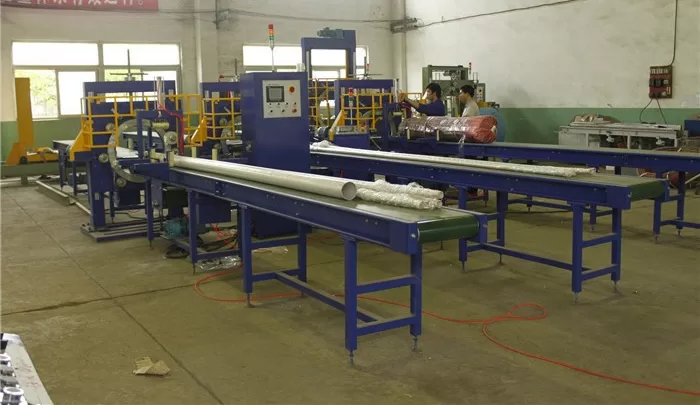
Orbital stretch wrappers are machines that wrap products in stretch film while rotating around them, creating a secure, all-encompassing package. These machines are known for protecting long, bulky, or oddly shaped items, like lumber, pipes, or furniture parts, from dust, moisture, and damage during storage and shipping. They can wrap products of various lengths and widths by forming a tight, protective layer around the entire item.

Today, I want to talk about orbital stretch wrappers. While they are often associated with wooden products, their true power goes far beyond that. Understanding how they work and what they offer can unlock huge benefits for your factory. So, let’s dive deeper into these machines. We will look at their advantages and challenges. This will help you decide if they are the right fit for your business.
How Do Orbital Stretch Wrappers Really Work?
Are you wondering how these wrapping machines manage to secure products so well? Imagine a large ring or orbit. That is the core of an orbital stretch wrapper. The product stays still while the film dispenser moves in a circle around it. This process creates a fully enclosed and protected package.
An orbital stretch wrapper works by having a roll of stretch film mounted on a rotating carriage that moves around a stationary product. The product, often long or flat like wood planks or metal profiles, passes through the center of the machine’s rotating ring. As the product moves, the carriage dispenses and wraps the film tightly around it, creating a continuous, secure layer that protects against dust, moisture, and impact.
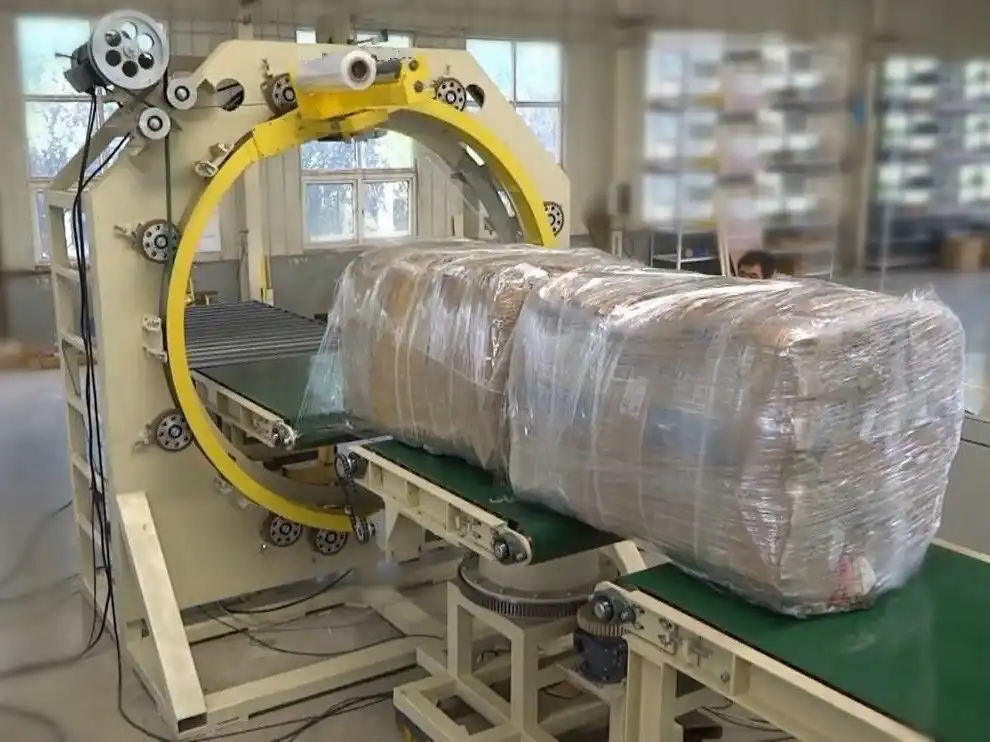
Let’s break down the mechanics. These machines use a horizontal ring. This ring holds the film dispenser. The product, like a stack of wooden boards or even a roll of steel wire, is fed through the center of this ring. As the product moves along, the film carriage spins around it. This motion wraps the film tightly around the entire item. Think about wrapping a large gift, but the gift stays still and the wrapping paper circles around it. That is the basic idea. The film overlaps itself as it wraps. This creates a strong, layered protection. Some machines can even wrap products on all six sides. This includes the ends. This gives maximum protection. This design is what makes orbital wrappers perfect for things that are long or awkwardly shaped. It is also good for items that need full enclosure. For example, lumber mills use them for bundles of wood. Metal factories use them for pipes, bars, or even coils. My own experience building factories has shown me how critical this full coverage is. When we deal with heavy, industrial items like steel coils or wire, protecting them from moisture and damage is a huge priority. A small scratch or rust spot can mean a lost customer. So, the wrapping has to be perfect. The machine also needs to be robust. It must handle the weight and rough environment of a factory floor. This is not just about speed. It is about consistent quality and reliability, every single time. This is where the right engineering makes all the difference. It ensures the machine keeps working, day in and day out, without costly downtime.
How Does the Film Attach and Cut Automatically?
The machine usually starts wrapping at one end of the product. It secures the film to the product or to a previous wrap. Then, it continues wrapping as the product moves through. Once the entire product is covered, the machine automatically cuts the film. It then seals the end. This automation saves a lot of time and labor. It also makes sure each package looks neat and is consistent. This process removes the need for workers to manually stretch and cut film. This is especially helpful for large or heavy items. It is safer for employees. It also speeds up the whole packaging process.
What are Different Types of Orbital Wrappers?
There are different types of orbital wrappers. Some are fully automatic. They can handle a high volume of products with very little human input. Others are semi-automatic. They need an operator to load the product or start the wrapping cycle. There are also machines designed for very specific items. For example, some are made for large, heavy coils, while others are for bundles of lumber. The size of the ring varies too. A larger ring means bigger products can be wrapped. The choice of machine depends on the product size, the required wrapping speed, and the level of automation needed. This flexibility makes orbital wrappers a good choice for many different industries.
What Are the Real Benefits of Orbital Wrapping?
Are you tired of packaging processes that slow down your production and eat into your profits? Orbital stretch wrappers can be a game-changer. They offer some clear advantages that directly address common factory problems. I have seen these benefits firsthand in many different settings.
The real benefits of orbital wrapping include superior product protection against dust, moisture, and transit damage, thanks to its 360-degree enclosure. It significantly boosts packaging efficiency and speed, reducing labor costs compared to manual methods. Moreover, it enhances workplace safety by minimizing manual handling of heavy or awkward items, leading to fewer injuries and lower insurance costs.

Let’s break down why these machines are so valuable. First, consider product protection. A full wrap means your product is shielded from every angle. This is crucial for anything that can be damaged by water, dirt, or impacts during shipping. For example, if you ship furniture parts, a scratch can mean a return. If you ship steel bars, rust can mean a rejected delivery. My own journey in the packing machine industry taught me that product integrity is non-negotiable. When we packed steel wires and coils, even minor damage could lead to big financial losses and unhappy customers. Orbital wrappers excel here. They apply film tightly, creating a stable package that resists movement and abrasion. This leads to fewer customer complaints. It also saves money on replacements or repairs.
Second, think about efficiency and speed. Manual wrapping is slow. It takes many people. It is hard to keep consistent. An orbital wrapper automates this. It wraps products much faster than any human can. This means your finished goods move out the door faster. It also frees up your team for other tasks. This increase in throughput can directly lead to higher production output for your entire factory. When I established my packing machine factory, one of the biggest wins was seeing how automation could transform a bottleneck into a smooth, fast operation. It was not just about wrapping quicker; it was about the ripple effect on the entire production line.
Third, and this is a big one for me, is safety. Michael, you know the risks of manual handling heavy items. Your factory deals with heavy metal products. So do my clients. The risk of injuries is real. Sprains, crushed fingers, back injuries—these are common with manual packaging. Orbital wrappers remove workers from direct contact with heavy, moving parts. This drastically reduces the risk of workplace accidents. Safer workers mean lower insurance costs. They also mean a more stable workforce. This improves morale and reduces employee turnover. I have always believed that investing in safety is not just good for people; it is good for business. It shows you care about your team. This builds loyalty and a better working environment.
How Do Orbital Wrappers Boost Efficiency and Reduce Costs?
The most obvious way is through labor reduction. One machine can do the work of several people. This means you can reassign staff to other areas. Or you can reduce your labor costs. The machine works without breaks. It does not get tired. This means consistent output. This efficiency also comes from faster wrapping cycles. This reduces the time products spend in the packaging area. It frees up floor space faster. This also reduces energy costs compared to shrink-wrapping. Stretch film does not need heat to conform to the product. This can lead to energy savings over time. The reduced product damage also means less waste. It means fewer returns and fewer customer service issues. All these factors add up to significant cost savings and improved profitability for your factory.
How Do Orbital Wrappers Compare to Other Packaging Methods?
Compared to manual wrapping, orbital wrappers offer speed, consistency, and safety. Compared to shrink wrapping, they use less energy. They also can handle irregularly shaped items more easily. Shrink wrapping needs a heat tunnel. This takes up a lot of space. It also uses a lot of power. It can also be less flexible for very long items. Strapping is another option. But strapping only secures items in specific spots. It does not offer full protection from dirt or moisture. Orbital wrapping provides a complete, sealed barrier. This makes it ideal for sensitive products. It is also good for those shipped in harsh conditions. For wooden products, this means protection from moisture that can cause warping or mold. For metal products, it means protection from rust and abrasions. This makes the choice clear for many industrial applications.
What Challenges Do Orbital Wrappers Present?
While orbital stretch wrappers offer many advantages, it is important to look at the full picture. No machine is perfect for every situation. There are some challenges that you should know about before making an investment. Understanding these will help you make a more informed decision.
Orbital stretch wrappers can present challenges such as their initial high investment cost, which requires careful ROI calculation. They also demand significant floor space, making them unsuitable for cramped facilities. Proper operator training is essential for safe and efficient use, and regular maintenance is crucial to prevent downtime and ensure consistent performance, especially for the robust machines used in heavy industry.

One of the first things people notice is the initial cost. Buying an automated wrapping machine is a significant investment. It is not like buying a hand-held tool. The price tag can be high. This means you need to do a clear return on investment (ROI) calculation. You need to see if the long-term savings in labor, reduced damage, and increased efficiency will pay for the machine. For many factories, especially those with high production volumes or critical safety concerns, the ROI is very clear. But it still needs careful planning. My own factory started small. I know what it means to make smart investments that pay off. It is not just about the upfront cost; it is about the total cost of ownership and the benefits it brings over years.
Another practical challenge is the space requirement. Orbital wrappers, especially those designed for large items, need a lot of floor space. They have a large rotating ring. They also need space for loading and unloading products. If your factory is already cramped, finding room for one of these machines can be difficult. You might need to reorganize your layout. This is not always easy. So, before you consider an orbital wrapper, measure your available space carefully. Think about the flow of materials in your factory.
Then there is the need for skilled operators and maintenance. These are not simple hand tools. Workers need training to operate them safely and efficiently. They need to understand the controls. They need to know how to load film and troubleshoot minor issues. Also, like any complex machinery, orbital wrappers need regular maintenance. This prevents breakdowns. It also ensures the machine runs smoothly. If you neglect maintenance, you will face unexpected downtime. This costs you money and time. This is a crucial point for Michael, who relies on reliable equipment. My factories always prioritize preventive maintenance. It is cheaper to prevent a problem than to fix a broken machine during peak production. This also includes having access to spare parts and good technical support.
What Are Common Operational Issues?
One common issue is film breaks. This can happen if the film roll is defective or if the tension settings are wrong. When the film breaks, the machine stops. An operator needs to re-thread the film. This causes downtime. Another issue can be product misalignment. If the product is not fed correctly, the wrap might not be even. This can lead to an unstable package. This can also cause damage. Mechanical wear and tear is also something to expect over time. Parts like bearings or belts will need replacement. This is normal. But it needs to be part of your maintenance schedule. Regular checks can catch these issues before they become major problems.
When Is an Orbital Wrapper NOT the Best Choice?
Orbital wrappers might not be the best choice for very small or very light products. A stretch hooder or a vertical wrapper might be better in those cases. They might also not be ideal for companies with very low production volumes. The initial investment might not be justified. For those businesses, manual wrapping might still be more cost-effective. Also, if your products are extremely irregular in shape, or if they have delicate components that cannot handle film tension, other custom packaging solutions might be needed. For example, some wooden furniture with very intricate carvings might need special care. But for most long, stable, or heavy items, the benefits generally outweigh these challenges.
My Insights on Mastering Wrapping.
My journey in the packing machine industry has been full of learning. From starting as an employee to building my own successful factory, I have seen every kind of packaging challenge. This experience, especially with coil packing and steel wire packing, taught me a lot. It showed me what truly matters when it comes to wrapping. It is not just about the machine. It is about the whole solution.
When you look at orbital stretch wrappers, or any packaging equipment, think about your overall business goals. Are you trying to cut costs? Are you improving safety? Do you want to increase your output? A machine is a tool. It must help you achieve these goals. For Michael in Mexico, dealing with heavy metal products, the issues of efficiency, safety, and product damage are critical. An orbital wrapper can solve many of these. But it needs to be the right machine. It must be robust. It must be reliable. It must also come from a supplier you can trust.
I started FHOPEPACK because I wanted to share this knowledge. I want to help others succeed. My own financial independence came from mastering the packing machine business. Now, I want to give back. I want to help you avoid the pitfalls I have seen. This includes working with suppliers who only care about the sale. This is why FHOPEPACK focuses on being a knowledge-sharing platform. We want you to understand the craft. We want you to make smart decisions.
For example, when we design our orbital wrappers, we do not just think about wrapping wood. We think about the toughest applications. We think about wrapping heavy steel coils. We think about long, rigid pipes. These items require machines built to last. They need heavy-duty components. They need precise controls. This kind of engineering ensures the machine can handle your factory’s demands. It ensures it will not break down under pressure. This is the difference between a general-purpose machine and a purpose-built solution.
I often tell people that the best investment is not just in equipment. It is also in expertise. This means partnering with someone who understands your challenges. Someone who has walked in your shoes. Someone who can offer real solutions. This is what I aim to provide through FHOPEPACK. We can help you pick the right machine. We can help you integrate it into your line. We can help you train your team. This support is what turns a machine purchase into a long-term business advantage. It is what truly helps you master your wrapping.
Conclusion
Orbital stretch wrappers offer clear benefits for protecting products, increasing efficiency, and improving safety. Consider the investment, space, and maintenance needs. Choose a reliable partner like FHOPEPACK to truly master your packaging.







