
Which Orbital Stretch Wrapper Balances Speed, Protection, and Cost for New Zealand Exporters?
Are you struggling with slow, manual packing processes that eat into your profits and delay your shipments? Many factory managers like you face daily pressure to boost output, cut costs, and get products out the door safely. You know efficiency is key, especially for high-volume exports. But finding the right packaging solution, one that delivers on speed, protection, and cost-effectiveness, can feel like a maze.
When it comes to balancing speed, protection, and cost for New Zealand exporters, the best orbital stretch wrapper is often a semi-automatic or automatic horizontal machine specifically designed for industrial goods like coils, pipes, or lengthy products, offering high throughput, comprehensive wrapping, and reduced labor needs. This type of wrapper provides consistent, secure packaging, protecting goods from transit damage while streamlining operations and providing a strong return on investment.
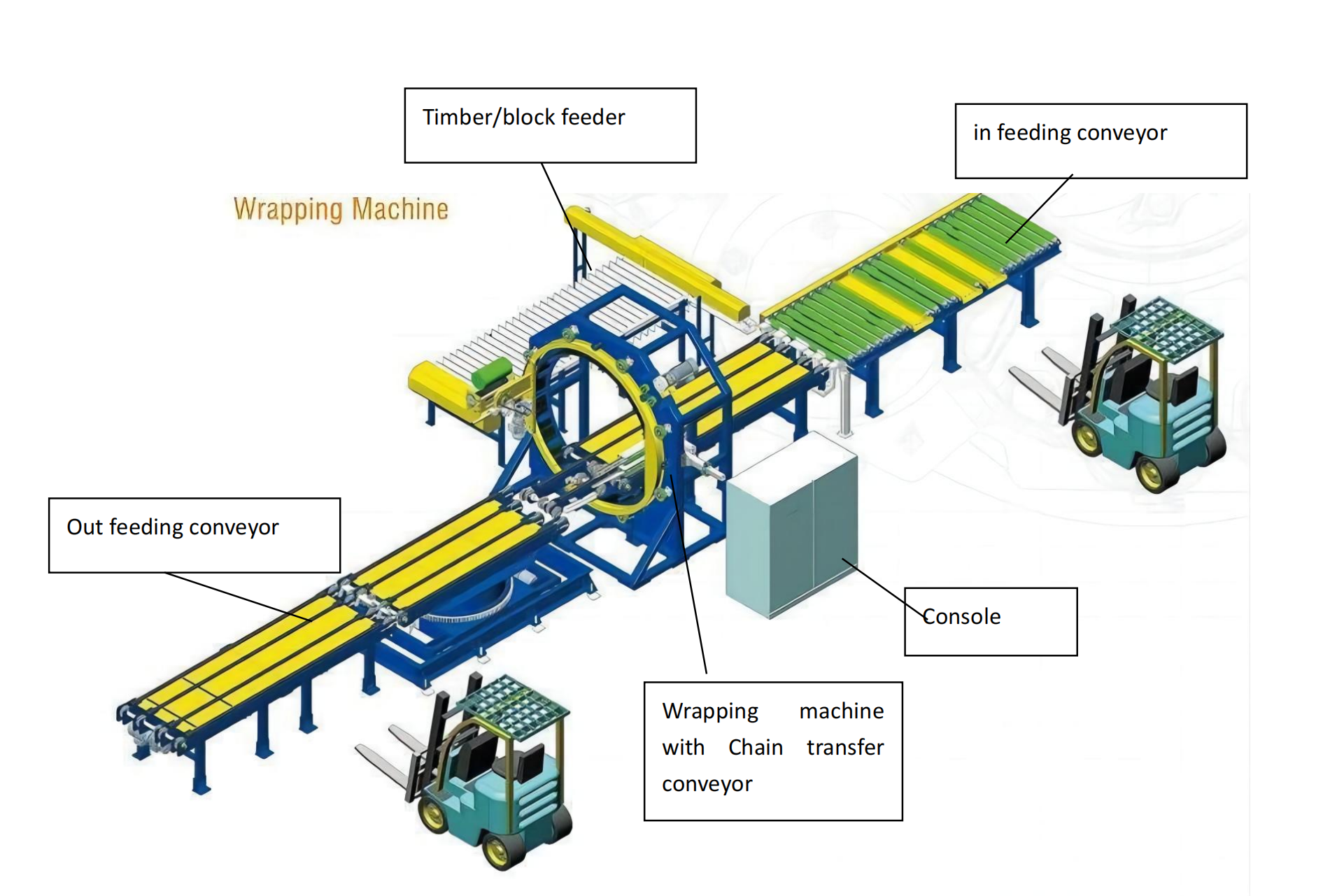
I have seen first-hand the difference the right equipment makes. From my days working in a factory to running my own, I learned that small changes in packaging can lead to big gains. Let us dig deeper into how these machines can transform your export operations, just as they have for countless others.
How Can Orbital Wrappers Boost Wrapping Speed for New Zealand Exporters?
Manual wrapping is slow, inconsistent, and a real bottleneck, especially when you are preparing large orders for export. It holds back your entire production line, making it hard to meet tight deadlines and keep up with demand. You need a way to speed up your packing process without compromising on quality or adding more labor.
Orbital wrappers dramatically boost wrapping speed for New Zealand exporters by automating the entire packaging process, allowing continuous wrapping of products without stopping the production line, significantly increasing throughput and reducing the time required per package. They can wrap products at rates far exceeding manual methods, making them ideal for high-volume export operations where speed directly impacts delivery times and customer satisfaction.
When I started in the packing machine industry, I quickly saw how much time was wasted on manual wrapping. People would struggle with heavy products, trying to secure them by hand. It was inefficient and often led to inconsistent results. Orbital wrappers change this completely. They work by having a ring that spins film around the product as it moves through the machine. This means the product can be fed continuously. You do not need to stop the line to wrap each item.
Think about a factory dealing with steel coils or long pipe sections. Manually wrapping these items takes a lot of time and many workers. An orbital wrapper can handle these large, heavy items quickly. It wraps them tightly, protecting them from dust, moisture, and impact during shipping. For exporters, faster packing means products get to port sooner. It means meeting customer deadlines more reliably. This can give a New Zealand exporter a real edge in a competitive global market.
There are different types of orbital wrappers, each designed for specific needs.
- Semi-Automatic Orbital Wrappers: These machines need an operator to load and unload products. They still do the wrapping automatically. They are a good step up from fully manual processes. They offer a balance of speed improvement and lower initial cost.
- Automatic Orbital Wrappers: These machines integrate fully into the production line. They load, wrap, and unload products without human help. This is the ultimate for speed and efficiency. They are perfect for very high-volume operations. They can work 24/7 if needed.
The choice depends on your specific factory needs and budget. But even a semi-automatic machine can make a big difference in speed. I have seen factories cut their packing time by more than half after installing one of these machines. This frees up workers for other tasks. It also reduces overtime costs. The machine does the repetitive, heavy work. This boosts the overall output of the factory. It helps meet those tight export schedules.
Can Orbital Wrapping Machines Really Improve Product Protection and Worker Safety?
Are you tired of product damage during transit, leading to customer complaints and lost profits? Beyond that, manual handling of heavy items for wrapping puts your workers at serious risk of injury, driving up insurance costs and employee turnover. You need a packaging solution that protects both your products and your people.
Orbital wrapping machines significantly improve product protection by providing a consistent, multi-layered wrap that shields goods from dirt, moisture, and impact during shipping, while simultaneously enhancing worker safety by automating the hazardous manual handling of heavy or awkward products. This automation drastically reduces the risk of sprains, strains, and crush injuries, making the workplace much safer for employees.
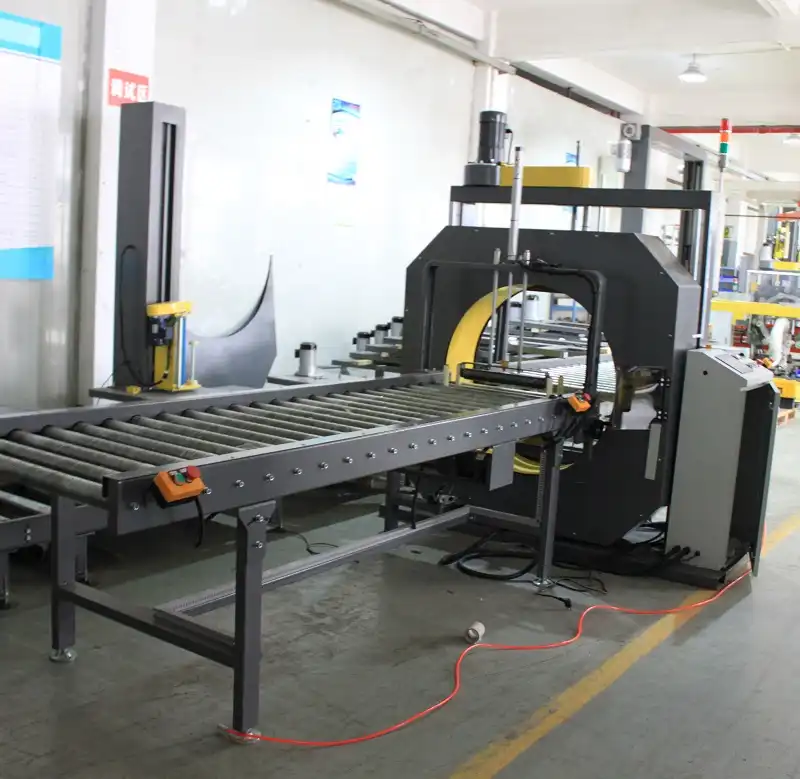
One of Michael’s biggest concerns is product damage and worker safety. I understand this completely. When I ran my own factory, ensuring the safety of my team was always a top priority. Manual handling of heavy steel coils or long pipes for wrapping is incredibly dangerous. Workers can drop heavy items, leading to crushed feet or severe back injuries. They can also get tangled in the wrapping material. These accidents are costly, not just in terms of medical bills and lost workdays, but also in terms of low morale and high staff turnover.
Orbital wrappers address these problems head-on.
- Enhanced Product Protection: The machine applies film tightly around the product’s entire surface. This creates a secure, protective barrier. It keeps out dust, dirt, and moisture. For example, steel products are prone to rust if exposed to humidity. A good wrap prevents this. It also protects against scratches and dents that can happen during loading, unloading, and transport. This means fewer damaged goods, fewer customer complaints, and more satisfied clients. For New Zealand exporters, who often ship over long distances, this protection is critical to maintaining product quality upon arrival.
- Improved Worker Safety: With an orbital wrapper, workers no longer need to manually lift or maneuver heavy items for wrapping. The machine handles the heavy lifting. It does the dangerous twisting and bending. This removes the direct contact workers have with the product during the wrapping process. It lowers the risk of accidents. It also reduces strain injuries from repetitive motions. This leads to a safer workplace, fewer worker compensation claims, and a more engaged workforce. I have seen how much this boosts employee morale. When workers feel safe, they are more productive and loyal. This is a win-win for everyone. It makes a direct impact on the factory’s bottom line. It also creates a better working environment.
What is the Real Cost-Benefit of Investing in an Orbital Wrapper for My Factory?
You know you need to upgrade, but you worry about the high upfront cost of new equipment. You have seen investments that did not pay off, leaving you cautious about committing to another big purchase. You need clear evidence that an orbital wrapper will deliver a strong return on investment (ROI) and truly reduce your operational costs.
Investing in an orbital wrapper offers a strong cost-benefit by significantly reducing labor expenses, minimizing product damage and associated returns, and optimizing material use, leading to substantial long-term savings and a rapid return on investment for the factory. While the initial cost exists, the operational efficiencies and reductions in waste quickly outweigh this, improving overall profitability.

When I started my factory, every investment had to make sense financially. I learned to look beyond the sticker price. The true cost of any machine includes its operational savings. Michael wants to see a clear ROI. This is a smart approach. An orbital wrapper, while an investment, pays for itself in several key ways.
Let us break down the cost benefits:
- Reduced Labor Costs: This is often the biggest saving. Manual wrapping requires one or more workers per shift. An automated orbital wrapper can do the job of several people. This frees up your staff for other, more skilled tasks. You save on wages, benefits, and overtime. For a New Zealand exporter, where labor costs can be high, this is a huge advantage. Even if you do not cut staff, you can reallocate them, increasing overall factory output without hiring more people.
- Decreased Product Damage: As I mentioned before, damaged goods lead to customer complaints. They also lead to costly returns, re-shipping fees, and even discounts. When products arrive damaged, your brand reputation suffers. An orbital wrapper ensures consistent, protective packaging. This drastically reduces the chances of damage during transit. The savings from avoiding just a few damaged shipments can quickly add up. Over time, this makes a big difference to your profit margins.
- Optimized Material Consumption: Manual wrapping often uses more film than needed. Workers might overwrap to be safe, or they might make mistakes. Orbital wrappers use film efficiently. They apply a precise, consistent amount of film every time. This reduces film waste. While the cost per roll of film might seem small, for a high-volume exporter, these savings accumulate over thousands of wrapped products. This cuts down on material expenses significantly.
- Increased Throughput and Sales: By speeding up your packing process, you can handle more orders. You can meet tighter deadlines. This means you can take on more business. More efficient operations lead directly to higher sales volumes. This increased capacity adds to your overall revenue. This is a direct financial benefit from the investment.
| Cost Area | Manual Wrapping | Orbital Wrapping | Benefit |
|---|---|---|---|
| Labor | High (multiple workers, overtime) | Low (one operator or fully automated) | Significant reduction in wages, benefits, and potential reallocation of staff to higher-value tasks. |
| Product Damage | High (inconsistent wrap, manual handling risks) | Low (consistent, protective wrap) | Fewer customer complaints, reduced returns, improved brand reputation, increased customer satisfaction. |
| Material Use | Variable (often excessive, inconsistent) | Optimal (precise, consistent film application) | Reduced film waste, lower material purchasing costs over time. |
| Throughput | Low (bottleneck, limits production) | High (continuous operation, faster cycles) | Increased production capacity, ability to handle more orders, faster delivery to market. |
| Safety Costs | High (injury claims, insurance, lost time) | Low (reduced risk, fewer accidents) | Lower insurance premiums, less absenteeism, higher employee morale. |
Looking at these points, an orbital wrapper is not just an expense. It is a strategic investment. It helps you grow your business and become more profitable in the long run.
Beyond the Machine: How Do I Pick the Right Orbital Wrapper Partner for Long-Term Success?
You have been burned before by equipment suppliers who disappear after the sale, leaving you stranded with little support. You know a machine is only as good as the service and expertise behind it, and you cannot afford another supplier trust crisis. You need a partner who offers more than just equipment – someone with deep industry knowledge and reliable long-term support.
Picking the right orbital wrapper partner for long-term success goes beyond just the machine itself; it requires finding a supplier with deep industry expertise, a proven track record of reliable after-sales support, and a commitment to understanding your specific operational challenges and goals. A true partner provides not only the best equipment but also ongoing technical assistance, spare parts availability, and expert advice to ensure your investment continues to deliver value.
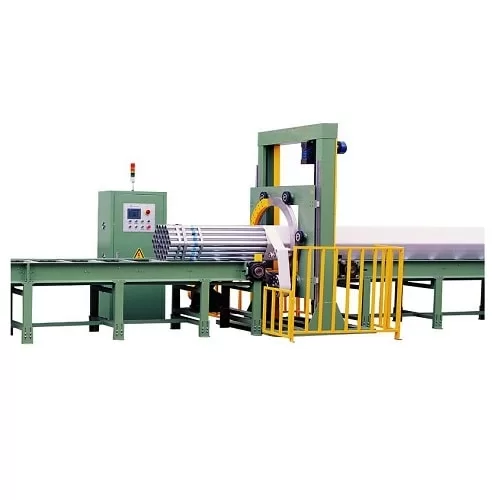
Michael’s concern about supplier trust resonates deeply with me. I started FHOPEPACK because I saw a real need for trustworthy partners in the packing machine industry. Many companies are good at selling machines but fall short on service. This leaves factory managers like Michael feeling frustrated when problems arise. For a New Zealand exporter, being far from the supplier can make this even harder. You need a partner you can rely on, no matter the distance.
Here is what I believe matters most when choosing a partner:
- Industry Expertise and Understanding: Does the supplier truly understand your business? Do they know the unique challenges of packing steel coils, pipes, or other heavy industrial goods for export? A good partner will ask about your specific products, your current bottlenecks, and your future goals. They will not just try to sell you their most expensive machine. They will recommend the right solution for your specific needs. I built my own factory from the ground up. This experience taught me what works and what does not in a real production environment. I know the pressures you face.
- Customization and Flexibility: Not all factories are the same. A one-size-fits-all approach rarely works. Look for a supplier who can offer customized solutions. This might mean adjusting machine size, speed, or features to fit your specific product range and factory layout. For New Zealand exporters with unique product dimensions or high-volume requirements, this flexibility is crucial.
- After-Sales Support and Service: This is critical. What happens if the machine breaks down? How quickly can you get parts? Is technical support available? A reliable partner will have a strong after-sales service team. They should offer training for your staff. They should have a good supply of spare parts. This ensures minimal downtime and keeps your production running smoothly. Downtime means lost money. You need a partner who understands this.
- Long-Term Partnership Vision: A good supplier views you as a long-term partner, not just a single sale. They should be interested in your success. They should be willing to provide ongoing advice as your business grows. This includes helping you optimize processes or suggesting upgrades down the line. This kind of relationship builds trust. It ensures your investment keeps paying off for years to come.
Choosing the right partner is just as important as choosing the right machine. It ensures you have the support needed to maximize your investment and achieve your long-term operational goals.
我的见解!!!!!!!!!!!!
You have absorbed a lot of information about orbital wrappers, but you still need that final piece of wisdom – the actionable insights from someone who has truly been in your shoes. You want to ensure your big investment is not just a purchase, but a catalyst for real, sustainable growth. Let me share what I have learned from years in this industry, the core principles that lead to packing success.
From my journey in the packing machine industry, my core insight is that the most successful factories view an orbital wrapper not just as a piece of equipment, but as a strategic asset that integrates seamlessly into their entire operational flow, providing efficiency, safety, and cost benefits that directly impact their competitiveness as exporters. It is about optimizing your whole system, not just one part.
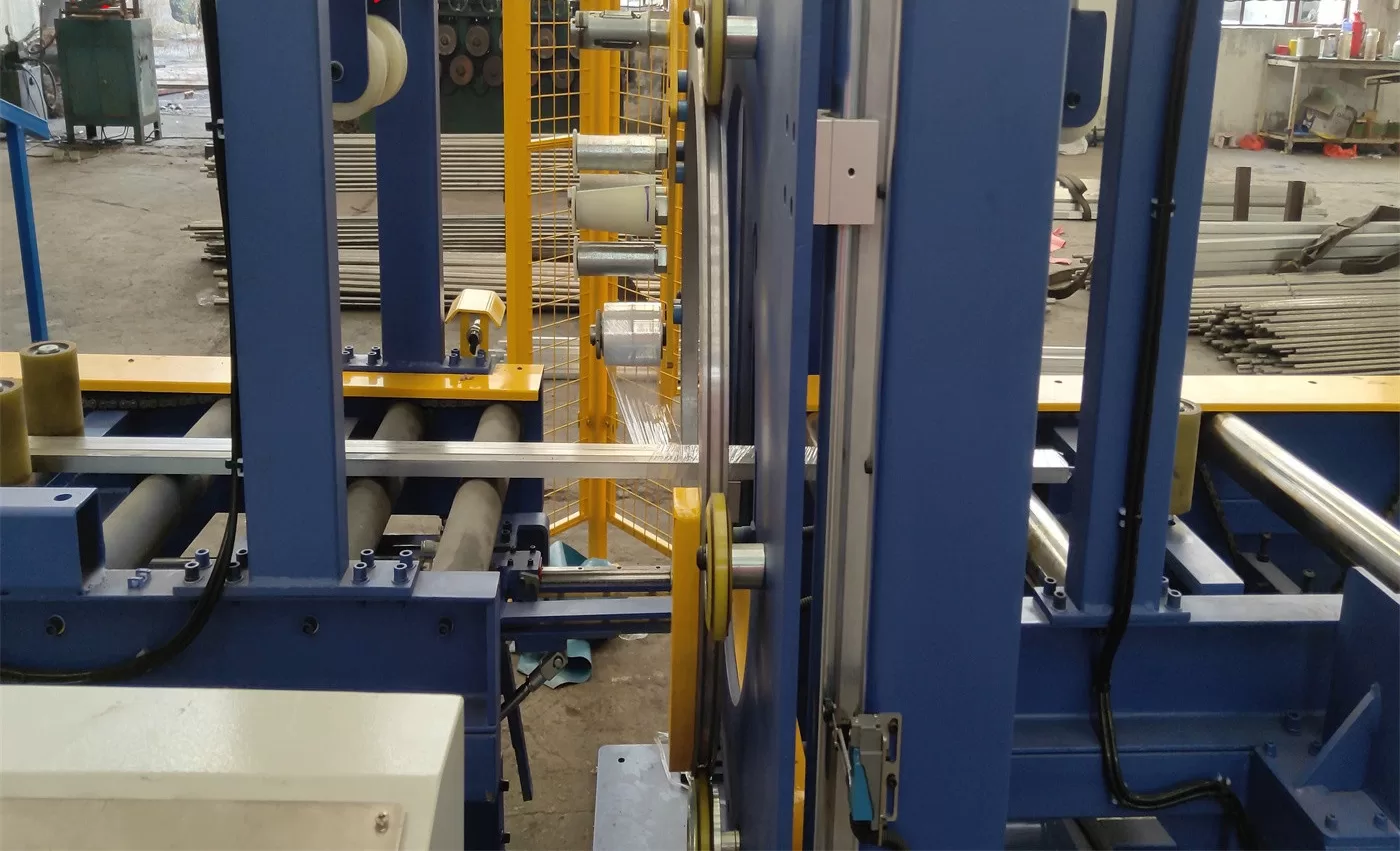
My path from an employee to owning a successful packing machine factory taught me many lessons. The biggest lesson is that technology is only one part of the solution. The true success comes from how you apply that technology and who you partner with. For factory managers like Michael, facing daily pressures, it is easy to get caught up in immediate problems. But I always tell people to look at the bigger picture.
Here are my personal insights:
- Think Holistically About Your Production Line: Do not just look at the wrapping stage in isolation. How does it connect to upstream and downstream processes? An efficient wrapper can create a bottleneck if your loading or unloading is too slow. Consider the entire flow of your goods. How will the new machine integrate? This ensures smooth operations from start to finish. It maximizes the overall benefit.
- Invest in Training Your Team: Even the best machine needs skilled operators. Make sure your team gets proper training on how to use, maintain, and troubleshoot the orbital wrapper. This empowers your employees. It also reduces errors and downtime. A well-trained team is crucial for getting the full value from your investment.
- Focus on Long-Term Value, Not Just Initial Cost: As we discussed, the upfront cost can seem high. But consider the operational savings over 5, 10, or even 15 years. Factor in reduced labor, less product damage, and lower material waste. Also, think about the value of improved safety and higher customer satisfaction. These are harder to put a number on, but they contribute greatly to your long-term success. For New Zealand exporters, who aim for global markets, consistent quality and reliability build a strong reputation.
- Seek Out True Partnerships: Do not settle for just any supplier. Look for a partner who offers genuine expertise. Look for one with proven support. Someone who cares about your growth. My journey gave me financial freedom. It allowed me to help many clients grow their businesses. I believe in giving back. I share my knowledge because I want others to succeed. A good partner does the same. They guide you. They support you. They are there when you need them.
Remember, an orbital wrapper is more than just a machine. It is a tool for transformation. It can make your factory safer, more efficient, and more profitable. It can help you win new clients and grow your business for years to come.
Conclusion
Choosing the right orbital wrapper balances speed, protection, and cost. It is a strategic investment that boosts efficiency, enhances safety, and drives long-term profitability for exporters like those in New Zealand.








