
Which Orbital Stretch Wrapper Balances Speed, Protection, and Cost for Australian Exporters?
Are you an Australian exporter struggling with slow, manual packing, damaged goods, or rising labor costs? The challenges of getting products like steel coils or timber safely and efficiently to global markets can feel overwhelming. Outdated methods threaten your bottom line and reputation. What if there was a packing solution that not only sped up your operations but also guaranteed superior protection for your valuable exports, all while cutting down on overall costs?
For Australian exporters, balancing speed, protection, and cost in orbital stretch wrapping means choosing a machine that matches their specific product, volume, and operational environment. This often means focusing on advanced automation, precise tension control, and robust construction to handle heavy or awkward loads like steel coils and timber. This approach ensures maximum throughput, minimizes transit damage, and delivers a strong return on investment by reducing labor and material waste. It makes orbital stretch wrappers a critical asset for businesses aiming to optimize their export logistics.
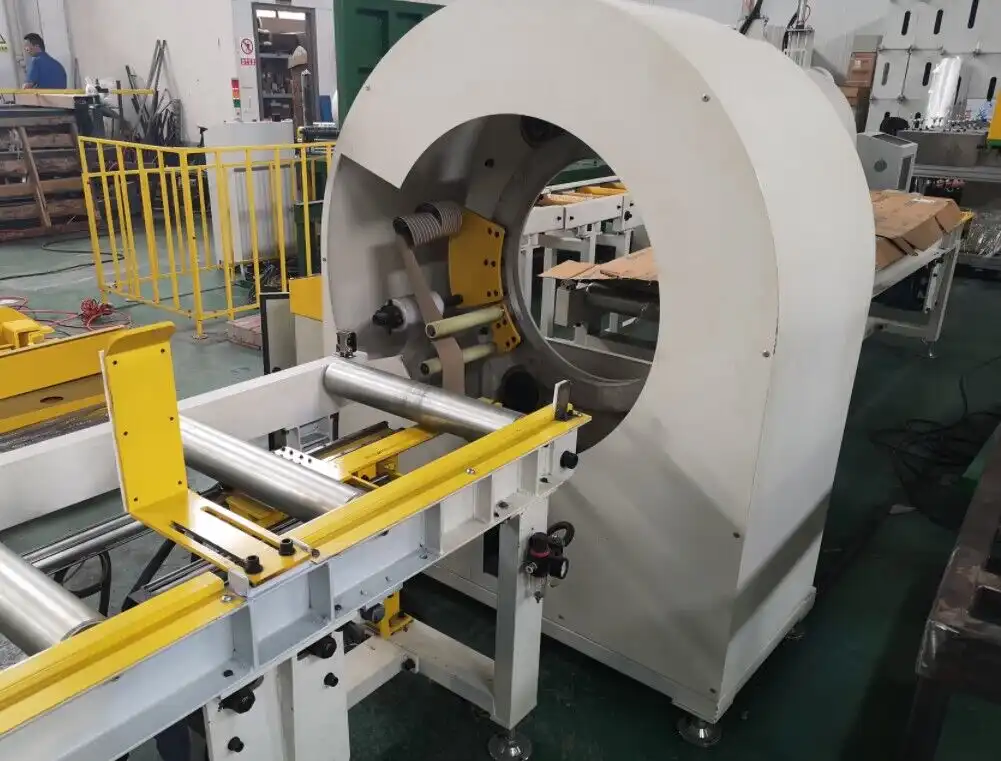
You see, the right packing machine is more than just a piece of equipment. It is a strategic investment. It helps you solve real problems, just like it helped me build FHOPEPACK. Let us explore how orbital stretch wrappers can truly transform your export process.
How Can Orbital Wrappers Maximize Production Speed for Australian Exporters?
Do your current packing methods hold back your production line? Are you finding that manual wrapping cannot keep up with your export demands? This bottleneck does not just slow things down. It limits your capacity and delays deliveries.
Orbital stretch wrappers drastically increase packing speed for Australian exporters by automating the wrapping process. They apply film quickly and evenly around products. This cuts down the time spent per package. Machines work continuously, unlike human operators who need breaks. This boosts overall throughput and keeps your production line moving smoothly.
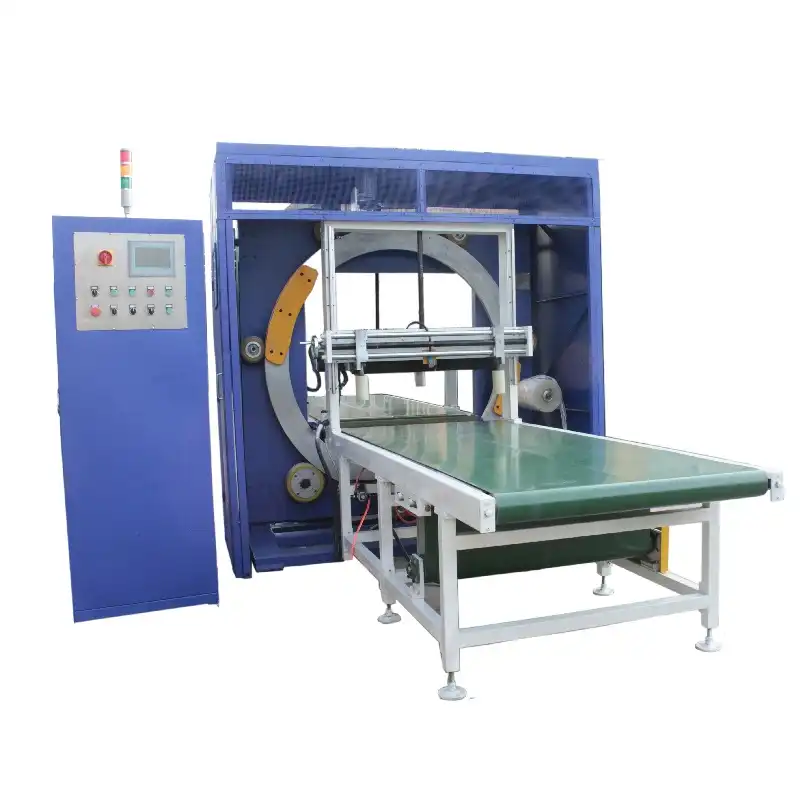
When I started my own packing machine factory, one of the first things I learned was how much time waste happens at the end of the line. Before, I saw many factories using manual methods. Workers walked around long products or awkwardly shaped bundles. This was slow. It took up too much time. An orbital wrapper spins the film around the product as it moves through the machine. This is much faster. It wraps products like steel coils, timber, or pipes in seconds. This greatly improves efficiency.
Consider these aspects of speed:
Automation Levels and Their Impact on Throughput
Orbital wrappers come in different levels of automation. Each level affects the speed of your operation.
- Semi-Automatic Machines: These machines need an operator to load the product, start the wrapping cycle, and cut the film. They are faster than hand wrapping. But they still need human input. They suit lower to medium volume operations. They are a good first step towards automation.
- Fully Automatic Machines: These machines integrate directly into your production line. They load, wrap, cut, and discharge products without human help. This means continuous operation. They are ideal for high-volume factories. They minimize downtime and maximize output. When a factory client of mine in Perth moved from semi-auto to fully auto, their packing output jumped by 30%. This allowed them to meet a new large export contract.
Continuous Flow vs. Batch Processing
Orbital wrappers also support different production flows.
- Continuous Flow: Products move through the wrapper one after another. This is best for a steady stream of similar items. It reduces idle time. This keeps the line moving without stops.
- Batch Processing: For diverse products, you might use batch processing. You group similar items and wrap them. Then you change settings for the next batch. Even in batch mode, the machine is faster than manual work.
Choosing the right machine means looking at your current production. It means looking at your future export goals. A faster packing process means more products shipped. It means happier customers. It means higher profits.
What Superior Protection Do Orbital Wrappers Offer for Australian Export Products?
Are you worried about your products getting damaged during transit? Do customer complaints about dents or scratches impact your business reputation? Traditional packing methods often do not provide enough protection for the long journey from Australia to global markets.
Orbital stretch wrappers provide superior protection for Australian export goods by creating a tightly wrapped, fully enclosed package. This protects products like steel coils, timber, and long components from moisture, dust, and physical impact. The continuous film barrier minimizes the risk of shifting during transport, keeping items secure and intact from your factory to the final destination.

When I was an engineer on the factory floor, I saw firsthand how much product damage cost companies. A slight bump to a steel coil edge meant a rejected shipment. Water damage to timber planks meant a total loss. These incidents were not just about money. They damaged client trust. Orbital wrappers solve this. They apply stretch film in a tight, overlapping spiral. This creates a strong, protective layer. This layer keeps products safe from the harsh conditions of shipping.
Here is how orbital wrappers provide critical protection:
All-Around Encasement
Unlike vertical pallet wrappers, orbital wrappers wrap horizontally. This means they cover all sides of a long or awkward product.
- Dust and Dirt Protection: The film forms a complete barrier. It stops dust, dirt, and debris from reaching the product surface. This is vital for clean materials like finished metal.
- Moisture and Corrosion Prevention: Proper film application creates a water-resistant seal. This is crucial for steel or other materials that can rust. It protects them from rain, humidity, or condensation during sea transit. I remember a client who shipped steel wire. They had major rust issues until they switched to orbital wrapping. The sealed package made all the difference.
- UV Protection (with UV film): Some films have UV inhibitors. These protect products from sun damage. This is important for outdoor storage or long transit times.
Load Stability and Secure Bundling
The tight wrapping also stabilizes the product bundle.
- Prevents Shifting: The film holds multiple items together firmly. This stops them from moving, rubbing, or colliding during transport. It reduces internal damage.
- Reduces Abrasion: The film acts as a cushion. It prevents direct contact between items. It also prevents contact with the shipping container walls. This lowers the risk of scratches and abrasions.
- Tamper Evidence: A tightly wrapped package also shows if anyone has tampered with the goods. This adds another layer of security.
When you invest in an orbital wrapper, you are not just wrapping products. You are investing in peace of mind. You protect your goods, your reputation, and your profits. This matters a lot for export businesses.
How Do Orbital Stretch Wrappers Drive Down Costs for Australian Manufacturing?
Are high labor costs eating into your profits? Is product damage during transit increasing your expenses? Many Australian manufacturers struggle with these financial pressures. They need ways to cut costs without sacrificing quality.
Orbital stretch wrappers drive down costs for Australian manufacturing by significantly reducing labor expenses through automation. They also minimize material waste and product damage during shipping. This leads to fewer customer complaints, lower insurance claims, and better overall profitability. The clear return on investment makes them a smart financial choice for export-oriented businesses.
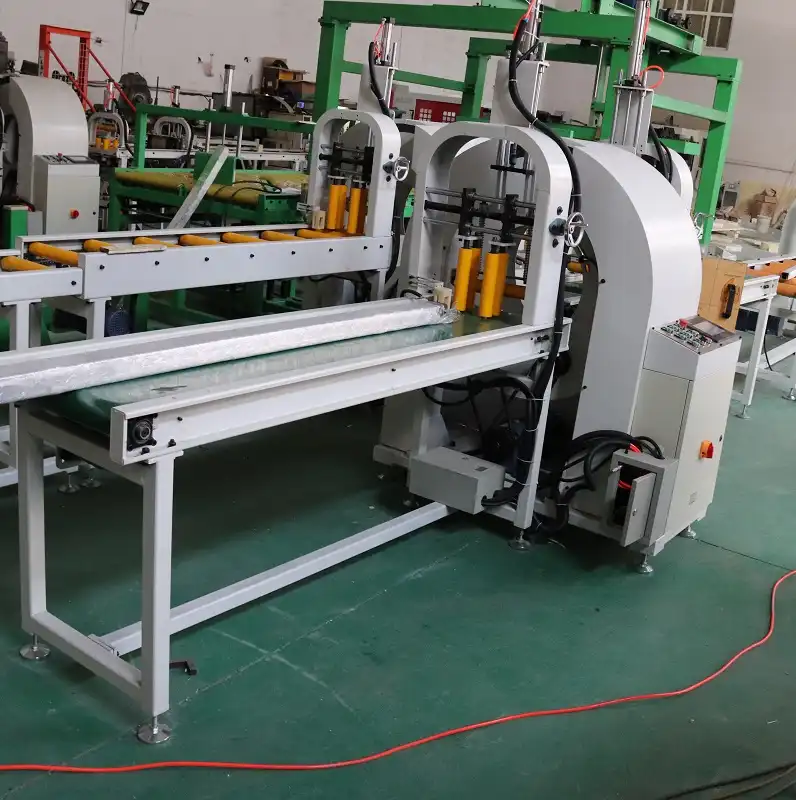
When I was building my packing machine factory, cost control was always on my mind. Every dollar saved could be reinvested. Manual packing used too many people. It also led to too much product being damaged. I saw factories losing money on damaged goods. They paid for rework. They paid for replacement shipments. Orbital wrappers change this picture completely. They cut down on these hidden costs.
Let us look at specific ways these machines save money:
Labor Cost Reduction
This is often the biggest saving.
- Fewer Workers Needed: One orbital wrapper can do the work of several people. This frees up your workforce for other tasks. It can mean you do not need to hire as many packing staff. This directly lowers your payroll costs. Michael, a factory manager I spoke with, told me how their old manual process needed three workers just for packing. An automatic wrapper let them reassign two workers. This greatly boosted their efficiency elsewhere.
- Reduced Overtime: With faster packing, you avoid costly overtime hours. This happens especially during peak export seasons.
- Improved Worker Safety: Manual handling of heavy or awkward items causes injuries. These injuries lead to high insurance costs, workers’ compensation claims, and lost productivity. Orbital wrappers remove the need for most manual lifting and twisting. This makes the workplace safer. This reduces injury-related expenses.
Material and Damage Cost Savings
The way orbital wrappers use film also saves money.
- Optimized Film Usage: Orbital wrappers stretch film more efficiently than hand wrapping. They apply the right amount of tension. This means less film is wasted. You get more wraps per roll. This lowers your material cost per package.
- Reduced Product Loss: As discussed, better protection means less damage. Less damage means fewer returns, fewer replacements, and fewer unhappy customers. Every damaged product represents a loss in materials, labor, and shipping. Preventing this damage directly saves money. My experience taught me that preventing one major loss can pay for a machine over time.
- Lower Insurance Premiums: A track record of fewer transit damages can lead to lower insurance premiums for your shipments.
Investing in an orbital wrapper is not an expense. It is a strategic move to boost your bottom line. It delivers a strong return on investment.
What Types of Orbital Stretch Wrappers Best Suit Australian Export Requirements?
Are you unsure which orbital stretch wrapper type is right for your Australian export business? Do you wonder if you need a semi-automatic or fully automatic machine? Choosing the wrong type can lead to inefficiencies or unmet needs.
The best type of orbital stretch wrapper for Australian export requirements depends on your specific product dimensions, production volume, and budget. Options range from compact semi-automatic machines suitable for varied, lower-volume goods to high-speed, fully automatic systems integrated into production lines for large-scale, consistent exports like steel coils or timber bundles. Specialized models exist for unique product shapes or heavy loads.
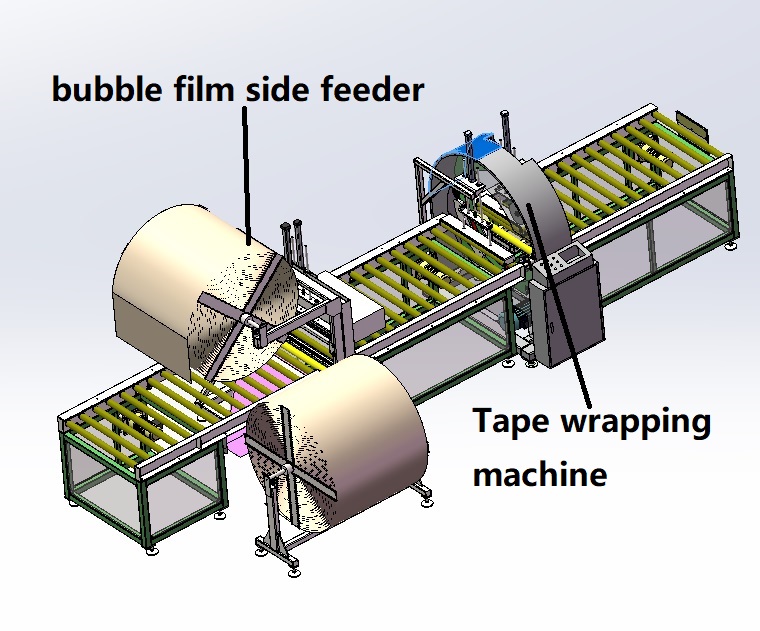
When clients ask me about choosing a machine, I always tell them to look at their current needs first. Then, look at where they want their business to go. When I was building my factory, I started with simpler machines. As we grew, I upgraded. This helped manage cash flow. It also made sure we always had the right tool for the job. The same thinking applies to your export business.
Here are the main types and their best applications for Australian exporters:
Semi-Automatic Orbital Stretch Wrappers
These machines require an operator.
- Best For: Lower to medium production volumes. Businesses with varied product sizes or shapes. Companies just starting to automate. Australian small to medium-sized manufacturers exporting diverse goods like individual timber beams, small metal components, or furniture.
- Advantages: Lower initial cost. More flexibility for different product types. Easy to operate.
- Considerations: Still requires labor. Output speed depends on operator efficiency.
- Example Scenario: A timber yard in Queensland bundles various lengths of lumber daily. They need flexibility for different order sizes. A semi-automatic machine allows quick changeovers and manages varied volumes without a huge initial investment.
Fully Automatic Orbital Stretch Wrappers
These machines integrate into production lines.
- Best For: High production volumes. Consistent product sizes. Large-scale manufacturing and export operations, such as major steel mills in Port Kembla or large timber processors in Tasmania.
- Advantages: Highest speed and throughput. Minimal labor required. Consistent wrap quality. Ideal for 24/7 operations.
- Considerations: Higher initial investment. Less flexible for quick product changes without re-programming.
- Example Scenario: A steel coil manufacturer ships hundreds of large coils daily from Western Australia. They need continuous, high-speed wrapping with minimal human intervention. A fully automatic system fits perfectly into their automated production line.
Heavy-Duty and Specialized Orbital Wrappers
Some machines are built for very specific needs.
- Best For: Extremely heavy products (e.g., large steel beams, concrete pipes). Very long products. Products with unusual shapes that need custom handling.
- Advantages: Built with stronger components. Can handle loads that standard machines cannot. Offers specialized features like pressure rollers or top press for stability.
- Considerations: Highest cost. Often custom-built or highly specialized.
- Example Scenario: A manufacturer in South Australia exports massive mining equipment parts. These parts are very heavy and long. They need a custom-built, heavy-duty orbital wrapper to ensure safe and stable transit.
Here is a simple comparison table:
| Feature | Semi-Automatic | Fully Automatic | Heavy-Duty/Specialized |
|---|---|---|---|
| Volume | Low to Medium | High | Varies, but for specific challenging goods |
| Flexibility | High (for varying product sizes) | Low (best for consistent products) | Tailored to specific challenging goods |
| Labor Needs | Operator required | Minimal to None | Varies, often integrated |
| Initial Cost | Lower | Higher | Highest |
| Typical Product | Varied timber, metal profiles | Steel coils, pipes, consistent bundles | Oversized steel beams, concrete products |
| Best For | Growing businesses, mixed production | Large-scale, continuous export operations | Niche, extremely heavy/awkward exports |
Understanding these types helps you make an informed decision. It means your investment will truly serve your Australian export goals.
Conclusion
Orbital stretch wrappers are key for Australian exporters seeking to improve speed, protection, and cost efficiency. They automate processes, safeguard goods, and reduce operational expenses.
My Insights
From my journey, I have learned that the best packing solution is one that solves your biggest problems. It helps you grow. It is not just about the machine. It is about the partnership. It is about expertise that truly understands your challenges.








