
How Can Orbital Stretch Wrappers Support Automation Goals in New Zealand’s High-Labor-Cost Market?
When I started my journey in the packing machine industry, I quickly learned that efficiency and cost control are the two biggest challenges for any factory manager. I saw firsthand how manual processes slowed things down and ate into profits. For businesses in places like New Zealand, where labor costs are high, these challenges are even more pressing. They cannot afford to waste time or money on outdated methods.
Orbital stretch wrappers support automation goals in New Zealand’s high-labor-cost market by significantly reducing reliance on manual labor for packing. They speed up the wrapping process, cut down on material waste, and improve worker safety. This makes production lines more efficient and lowers overall operating costs. It also frees up staff to focus on more skilled tasks.

Many factory managers I speak with are just like Michael. They want to modernize their operations. They are looking for smart ways to invest in technology that truly solves problems. They want solutions that offer a clear return. My own experience building a successful packing machine factory taught me the importance of reliable, efficient equipment. It taught me how to identify real needs. So, let us look deeper into how orbital stretch wrappers can be that solution for your business in New Zealand.
Is Your Manual Packing Process Slowing Down Your Entire Production Line?
Your factory has invested a lot in getting products made. You have good machines and skilled people. But then, everything slows down at the very last step. This happens often with manual packing. It is a big problem. It means you cannot get products out the door fast enough. This can affect your delivery times and your customer happiness.
Manual packing often creates a bottleneck at the end of the production line. This is because it relies on human speed and strength, which are limited. Orbital stretch wrappers automate this process. They wrap products quickly and consistently. This eliminates the slowdown that manual methods cause. It ensures products move smoothly from production to shipment.

When I was first starting out in the packing machine industry, I saw many factories facing this exact issue. They were excellent at manufacturing, but their manual packing operations were holding them back. Workers had to physically wrap items, often heavy or oddly shaped, by hand. This was not only slow but also inconsistent. Some packages were wrapped too loosely, others too tightly. This led to wasted film and potential damage. It was clear that a better way was needed. This experience shaped my understanding of what a truly effective packing solution must do. It must integrate seamlessly into the production flow. It must eliminate bottlenecks. An automated orbital stretch wrapper does just this. It acts as a continuous, high-speed wrapping station. It can handle various product sizes and shapes without stopping. This means your production line can keep moving at its optimal speed. It means no more piles of unwrapped products waiting at the end. The machine works tirelessly. It does not get tired. It does not need breaks. This continuous operation dramatically boosts throughput. It helps meet tight deadlines.
How Orbital Wrappers Boost Efficiency
- Continuous Operation: The machine works without stopping for breaks or fatigue. This maintains a steady flow of wrapped products. It keeps up with fast production lines.
- Faster Wrapping Cycles: Orbital wrappers can apply multiple layers of film in seconds. A person would take several minutes to do the same task. This significantly reduces the time each item spends in the wrapping stage.
- Reduced Labor Dependency: Fewer workers are needed for the packing process. This is especially good in New Zealand where labor costs are high. It allows you to assign your skilled workers to more complex, value-added tasks.
- Consistent Package Quality: The machine applies film with consistent tension and overlap. This results in uniformly wrapped packages. This consistency helps protect the product better. It also looks more professional for your customers.
- Integration with Conveyor Systems: Many orbital wrappers can be part of an automated conveyor line. This means products move directly from production to wrapping. There is no need for manual transfer. This fully automates the end-of-line process. It removes manual handling points. This saves time and energy. It also makes the entire process more predictable.
An automated solution removes the unpredictability of human error and fatigue. It sets a new standard for efficiency. It allows factories to handle higher volumes without increasing their labor force. This translates directly into higher output and better profits.
Can Automated Wrapping Solutions Really Make Your Workplace Safer?
Workplace safety is very important. Everyone wants their workers to go home safe. But in many factories, packing involves heavy lifting. It involves awkward movements. Workers have to bend, twist, and lift heavy items to wrap them. This often leads to injuries. These injuries cost money in medical bills and lost work time. They also cause stress for everyone.
Automated wrapping solutions like orbital stretch wrappers greatly improve worker safety. They remove the need for manual handling of heavy or awkward products during packing. Workers no longer lift, twist, or bend to wrap items. This dramatically reduces the risk of strains, sprains, and other common workplace injuries. It creates a safer environment for your team.
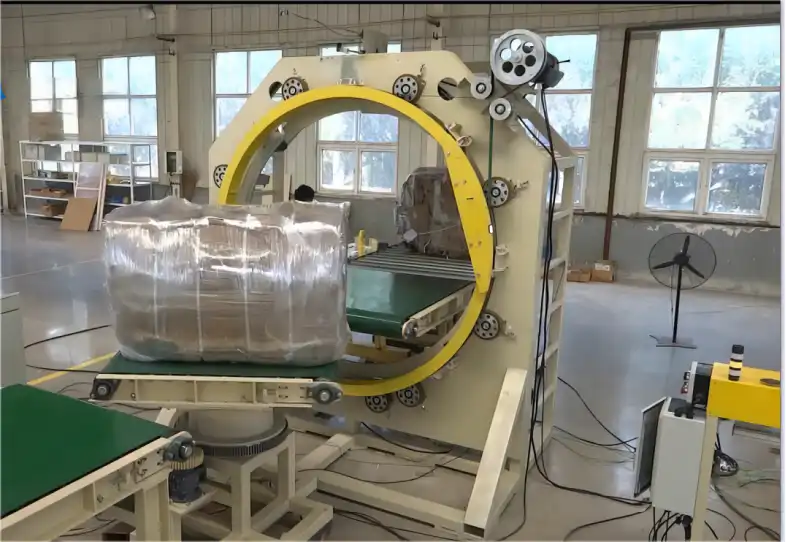
When I started my first packing machine factory, safety was always a top priority for me. I saw too many instances of workers getting hurt because of manual handling. This was especially true when dealing with heavy coils or long steel wires. The manual process of wrapping these items was very hard on the body. It put workers at risk of back injuries, shoulder strains, and even crush injuries. It was clear to me that if we could automate these dangerous tasks, we would not only boost efficiency but also protect our most valuable asset: our people. Orbital stretch wrappers tackle this challenge head-on. The product is placed on a conveyor or directly into the machine. The machine then does all the heavy work. It rotates the film around the product. This means no one has to manually walk around a heavy, unstable load. No one has to lift or turn large items. This change removes many physical risks. It reduces the chance of accidents. It makes the workplace much safer. This also helps with employee morale. Workers feel safer and more valued. This can reduce employee turnover. It also lowers insurance costs linked to workplace injuries.
How Orbital Wrappers Boost Safety
- Elimination of Manual Lifting: Heavy items are moved by conveyors or forklifts directly into the wrapper. Workers do not need to lift or shift them manually for wrapping. This prevents back injuries.
- Reduced Repetitive Strain: The machine performs all repetitive wrapping motions. Workers are free from constant bending, twisting, and reaching. This lowers the risk of carpal tunnel syndrome and other overuse injuries.
- No Walking Around Loads: Workers do not need to walk around large, moving, or unstable loads to apply film. This avoids trips, falls, and contact with the product during wrapping.
- Improved Work Ergonomics: The overall process design is safer. It involves less physical strain for employees. This helps create a work environment where workers can perform their tasks without harming their bodies.
- Lowered Risk of Product Damage-Related Injuries: When products are manually wrapped, they can sometimes fall or shift. This can injure workers. Automated wrapping secures the product better. This reduces the chance of such incidents. The machine handles the product with consistent force and stability. This prevents unexpected movements during the wrapping process. It makes the area safer for everyone nearby. This investment in safety is not just about avoiding costs. It is about showing that you care for your team. This can lead to a more loyal and productive workforce.
How Do We Stop Product Damage During Internal Handling and Shipment?
It is frustrating when your perfectly made products get damaged. This often happens during internal movement or packing. A small bump can dent a steel coil. A slight tear in the wrapping can expose wire to rust. These damages lead to customer complaints. They lead to returns. This costs your business money and reputation. You have worked hard to create a quality product. You want it to arrive in perfect condition.
Orbital stretch wrappers reduce product damage by providing consistent, secure wrapping for various items, especially long or oddly shaped ones. They apply film evenly around the product. This creates a tight, protective layer. This layer shields the product from scratches, dents, dust, and moisture during transport and storage. This ensures products reach customers in perfect shape.

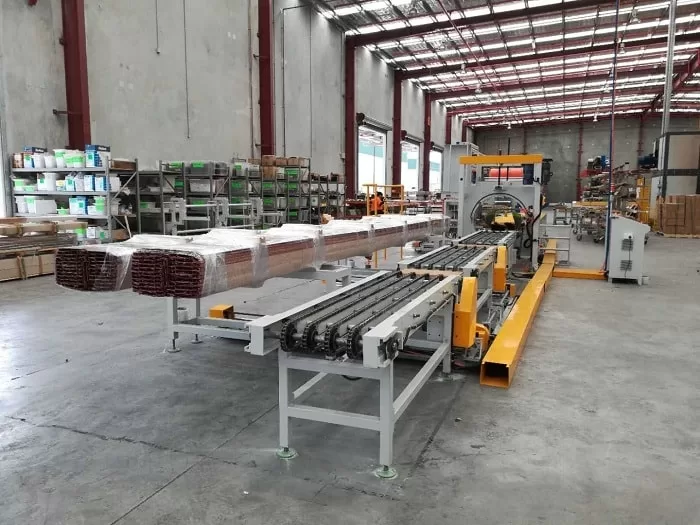
I remember one client who made high-quality steel wire coils. They were losing a significant amount of product to damage. The edges of the coils would get scratched or bent during manual handling and strapping. This led to unhappy customers and financial losses. I realized that the way products were packed was just as important as how they were made. A product is not truly finished until it is safely delivered. This experience taught me the value of robust, consistent packaging. An orbital stretch wrapper excels at providing this. It wraps the product from all sides as it passes through the machine’s rotating ring. This ensures full coverage. It creates a strong barrier against external elements. The film holds the product tightly. This stops parts from moving around or getting scuffed. This is especially useful for long items like pipes, timber, or extrusions. It is also good for coiled products like steel wire. These items are hard to protect with standard methods. The consistent tension of the film keeps the product stable. It prevents shifts that cause damage. This greatly reduces losses due to transit damage. This means fewer customer complaints. It means fewer returns. It means more profit for your business.
How Orbital Wrappers Prevent Damage
- Complete Enclosure: The orbital movement wraps the product 360 degrees. This forms a full, protective cocoon. This covers all surfaces. It guards against dust, moisture, and impact from all angles.
- Consistent Film Tension: Machines apply film with precise, adjustable tension. This creates a tight, secure package. It prevents the product from shifting inside the wrap. Loose wrapping allows movement. This movement causes damage.
- Edge Protection: For items like steel coils or timber, edges are very vulnerable. Orbital wrappers can add extra layers of film to these areas. This provides superior protection against dings and scrapes.
- Moisture and Dust Barrier: The tightly wrapped film acts as an effective barrier. It keeps out water, humidity, and dirt. This is vital for metal products. It prevents rust and corrosion during storage or shipping.
- Stabilization for Odd Shapes: Many industrial products are long, narrow, or irregular. These are difficult to secure. Orbital wrappers conform to the product’s shape. They create a stable, compact unit. This makes them easier and safer to handle. It also reduces the chance of damage during loading and unloading. This precise protection extends the life of your products. It ensures they arrive as perfect as they left your factory. This builds customer trust and reduces costly claims.
Why Is Choosing the Right Partner as Important as Choosing the Right Machine?
You have probably worked with suppliers before. Some were good. Some were not. You might have bought equipment that seemed right. But then, when problems came up, the support was not there. This makes you careful. You do not want to make the same mistake again. You want a partner who understands your business. You want someone who offers real solutions and stands behind their products.
Choosing the right partner for automation is as vital as the machine itself. A reliable partner offers deep industry knowledge, understands your specific production challenges, and provides ongoing support. My background, building and running a successful packing machine factory, means I understand your needs. I can offer proven solutions. I want to build a long-term relationship, not just sell equipment.
My journey in the packing machine industry was not just about building machines. It was also about building relationships. I started as an employee. Then I built my own factory. This gave me a full view of the industry. I know what it takes to run a factory. I know the pressure Michael faces every day. I know about efficiency, cost, and safety. I also know about finding good suppliers. I have seen what happens when suppliers only care about selling. They do not care about after-sales service. This is why I started FHOPEPACK. I wanted to create a platform that shares real knowledge. I want to help businesses succeed. I do not just want to sell machines. I want to be a partner. I want to help you solve your biggest challenges. This means understanding your specific needs. It means offering solutions that truly fit. It means being there for support after the sale. It means helping you achieve your automation goals. I believe this kind of partnership is the only way to build lasting success. This approach comes from my own experience. It comes from helping many clients grow their businesses. I am grateful for the opportunities the packing industry gave me. Now I want to give back.
Why FHOPEPACK Is Your Trusted Partner
- Direct Industry Experience: I have personally built and run a packing machine factory. This means I understand your daily operational pressures. I know the real problems you face. This is not just theoretical knowledge. It is practical experience.
- Problem-Solving Focus: We do not just offer standard machines. We listen to your specific bottlenecks. We look at your safety concerns. We consider your efficiency issues. Then we suggest tailored solutions. Our goal is to solve your problems, not just sell a product.
- Commitment to Long-Term Success: My mission is to share knowledge and help others succeed. This means we are invested in your factory’s long-term growth. We offer ongoing support. We ensure your equipment continues to perform well.
- Proven Track Record: I have helped many clients grow their businesses. I have shown them how smart investments in packing technology can pay off. This track record shows our commitment and effectiveness.
- Transparent Communication: We believe in clear and honest discussions. We explain how our solutions will benefit your ROI. We discuss any potential challenges. You will always know what to expect. We make sure you feel confident in your investment. We want you to see us as an extension of your team. This means we are always ready to offer advice and support. We help you make the most of your automation.
How Do Orbital Stretch Wrappers Deliver a Strong Return on Investment?
Investing in new equipment can feel like a big step. You want to make sure the money you spend will come back to you. You need to see clear benefits. This is especially true for factories in New Zealand. High labor costs mean every dollar spent on equipment must work hard. You need an investment that pays for itself. You need one that then goes on to make you more money.
Orbital stretch wrappers deliver a strong return on investment through several key benefits. They significantly reduce labor costs by automating packing. They cut down on material waste and product damage. They also increase throughput and efficiency. These combined savings and gains quickly offset the initial investment. They then contribute to higher overall profitability for the factory.
I have always focused on financial independence. I also helped my clients achieve it. I understand that every business decision must make financial sense. When I help a client consider a new machine, we always talk about ROI. It is not just about the upfront cost. It is about the long-term savings and benefits. For a factory in a high-labor-cost market like New Zealand, the immediate and ongoing savings from an orbital wrapper are huge. Imagine paying fewer wages for manual packing. Imagine less money lost to damaged goods. Imagine getting more products out the door faster. These add up very quickly. The initial investment in an orbital wrapper might seem large. But the savings in labor, materials, and reduced damage start immediately. The increased production capacity also means more sales potential. All these factors contribute to a very favorable return on investment. It is an investment that keeps on giving. It frees up capital for other areas of your business. It allows you to grow and compete more effectively.
Calculating the ROI of an Orbital Wrapper
- Labor Cost Savings:
- Reduced Headcount: Determine how many full-time employees are currently involved in manual packing. An automated system can reduce this number.
- Fewer Overtime Hours: If manual packing creates bottlenecks, employees might be working overtime. Automation removes this need.
- Example Calculation: If one packing worker earns NZD 30/hour and works 2000 hours/year (full time), that’s NZD 60,000 annually per worker. Automating a process that replaces two workers saves NZD 120,000 per year.
- Material Cost Savings:
- Optimized Film Usage: Orbital wrappers use film more efficiently. They apply it with consistent tension and minimal overlap. This reduces waste compared to manual wrapping, where film can be overused or improperly applied.
- Reduced Rework: Fewer damaged products mean less need to re-wrap or re-pack items. This saves on film and labor for rework.
- Reduced Product Damage Costs:
- Lower Customer Returns and Claims: Improved wrapping reduces damage during transit and storage. This means fewer customer complaints and costly returns.
- Less Scrap and Rework: Products are protected better. This means less internal damage. Less damaged product means less material waste and less need for rework.
- Example Calculation: If 2% of products are damaged during manual packing and each damaged product costs NZD 100 to replace or fix, reducing damage to 0.5% can save a lot of money. For 10,000 products, that’s a reduction from NZD 20,000 in losses to NZD 5,000.
- Increased Throughput and Capacity:
- Higher Production Volume: The faster wrapping speed allows your factory to produce and ship more products. This leads to increased sales revenue without increasing labor costs.
- Faster Lead Times: Getting products out faster can improve customer satisfaction and give you a competitive edge.
- Lowered Insurance and Safety Costs:
- Fewer Workplace Injuries: Reduced manual handling leads to fewer accidents. This can lower your workers’ compensation insurance premiums over time. It also means less lost productivity due to injured workers.








