
Which Industries Gain the Most from Pallet Flipper Investment?
Have you ever watched a warehouse operation struggle with inefficient pallet handling? I have. For years, I saw businesses lose money, time, and even workers to old-fashioned methods. The constant need to switch between different pallet types, or to replace damaged ones, creates a bottleneck that slows everything down. This frustration is a daily reality for many, and it often leads to costly mistakes and unhappy customers.
Many industries significantly benefit from pallet flipper investment, particularly those dealing with diverse pallet types, high volumes, strict hygiene requirements, heavy loads, or critical safety concerns. These sectors include food and beverage, pharmaceuticals, chemicals, e-commerce, retail, manufacturing, and automotive. Pallet flippers solve common problems like varying pallet standards, labor shortages, and manual handling risks, leading to improved efficiency, enhanced safety, and reduced operational costs.
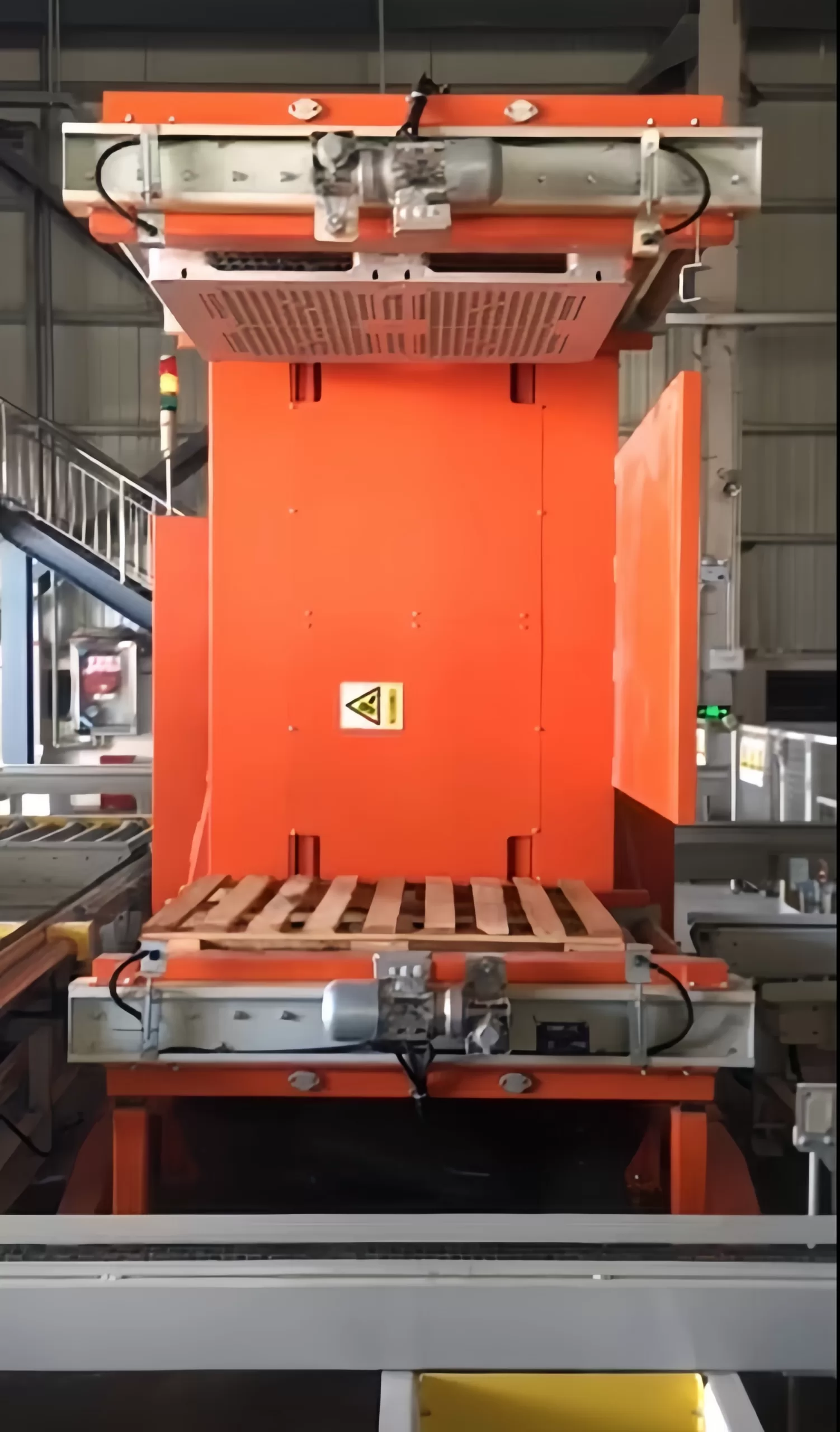
Understanding which sectors stand to gain the most is key to making a smart investment. As someone who has spent my life in the packing machine industry, seeing solutions like advanced pallet changers transform operations is incredibly rewarding. Let us explore the specific industries where a pallet flipper is not just a useful tool, but a true game-changer.
Why is Pallet Flipper Investment Crucial for Modern Logistics?
Are you feeling the pressure of managing diverse pallet types and shrinking labor pools? Many logistics managers, like my friend Carlos in Spain, grapple daily with the complexities of moving goods across borders and between different internal standards. This often means manually switching pallets, which is a slow, risky, and labor-intensive process that can cripple your operations.
Pallet flipper investment is crucial for modern logistics because it directly addresses core challenges such as labor shortages, workplace safety, operational efficiency, and the need to manage diverse pallet specifications. By automating pallet exchanges, businesses can significantly reduce manual handling, prevent accidents, speed up throughput, and ensure compliance with various international shipping standards.
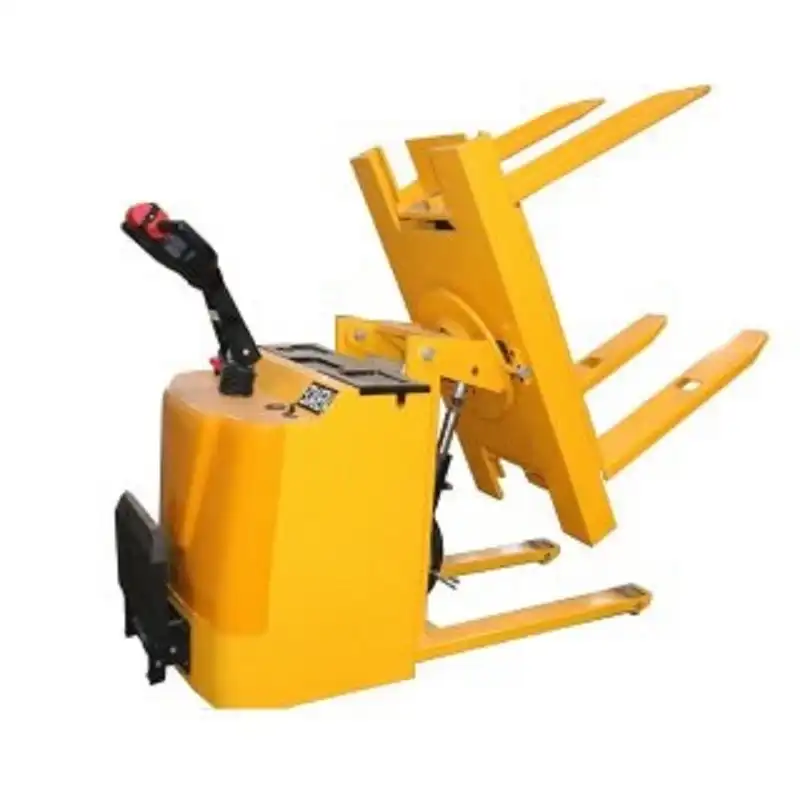
Pallet flippers are not just machines; they are strategic assets that redefine efficiency and safety in the modern warehouse. They enable businesses to overcome critical logistical hurdles and stay competitive. From my experience, seeing a client automate their pallet transfers frees up their valuable staff for more skilled tasks.
-
1. Tackling Pallet Diversity Head-On: Modern supply chains are global. This means goods arrive on different pallet types, such as Euro pallets, American pallets, plastic pallets, or even custom sizes. Manually transferring goods from one pallet type to another is a huge logistical headache. It takes time and effort, and it creates bottlenecks. A pallet flipper makes this process seamless. It can handle various pallet sizes and materials without needing human intervention. This ensures that products move smoothly from inbound to outbound logistics, regardless of the pallet they arrive on. This also helps businesses avoid fines for non-compliant pallet types. For example, a company shipping from the US to Europe might need to switch from a GMA pallet to an EPAL pallet. A pallet flipper handles this quickly and easily. This flexibility is essential for businesses that operate across different regions or with diverse suppliers. (pallet diversity, global logistics, multi-pallet handling)
-
2. Enhancing Workplace Safety and Reducing Risks: Manual pallet handling is one of the most dangerous tasks in a warehouse. Workers risk back injuries, crushed limbs, and goods falling during manual transfers. I have heard too many stories about warehouse accidents that could have been avoided. Pallet flippers remove humans from these high-risk activities. The machine performs the heavy lifting and tilting, keeping workers safe. This reduces the number of workplace accidents, lowering insurance costs and compensation claims. It also creates a safer working environment, which improves employee morale and retention. For a manager like Carlos, who has seen accidents happen, this safety aspect is not just a benefit; it is a necessity. A safer workplace is a more productive workplace. (workplace safety, manual handling risks, accident prevention, employee welfare)
-
3. Optimizing Operational Efficiency and Throughput: In today’s fast-paced market, every second counts. Manual pallet changes are slow. They can take several minutes per pallet, tying up valuable labor and forklift time. A pallet flipper can complete a transfer in less than a minute. This significantly speeds up the entire pallet handling process. It increases throughput, meaning more goods can move through the warehouse in a shorter time. This is critical for businesses facing tight delivery deadlines, like those in e-commerce or fresh food distribution. By optimizing this step, the entire supply chain becomes more responsive and efficient. This boost in speed means products get to customers faster, which improves customer satisfaction. It also helps businesses meet their service level agreements. (operational efficiency, warehouse throughput, faster delivery, supply chain responsiveness)
-
4. Addressing Labor Shortages and Cost Management: Finding and keeping skilled warehouse labor is becoming harder every day. The cost of labor is also rising. Manual pallet handling requires multiple workers, especially for heavy or awkward loads. Pallet flippers reduce the need for human labor in this specific task. One operator can manage the machine, freeing up other staff for more complex or value-added jobs. This helps businesses manage rising labor costs and deal with labor shortages more effectively. The initial investment in a pallet flipper pays for itself over time through reduced labor expenses and increased productivity. It is a long-term solution for sustainable cost management. This approach helps companies, like those Carlos manages, to operate with a leaner, more efficient team. (labor scarcity, cost reduction, automation benefits, workforce optimization)
How Do Food and Beverage Companies Benefit from Pallet Changers?
Are you in the food and beverage industry, constantly struggling with cross-contamination or damaged goods during pallet transfers? The sector faces unique challenges like strict hygiene standards, temperature control, and the need to protect sensitive products. Traditional pallet handling often falls short, leading to spoiled inventory or costly recalls.
Food and beverage companies benefit immensely from pallet changers by ensuring strict hygiene, preventing contamination, handling diverse packaging, and maintaining product integrity. These machines allow for the seamless transfer of goods from wooden inbound pallets to hygienic plastic or metal pallets for internal storage and processing, reducing manual contact and meeting stringent food safety regulations.

For food and beverage operations, a pallet changer is not just about moving things; it is about protecting the safety and quality of products, which directly impacts consumer trust and brand reputation. I have seen many food factories transform their operations using these specific machines.
-
1. Maintaining Uncompromised Hygiene and Sanitation: Hygiene is paramount in the food and beverage industry. Wooden pallets, often used for inbound shipments, can harbor pests, mold, and bacteria. They are also difficult to clean. Food safety regulations demand that products be handled on clean, hygienic surfaces. Pallet changers allow companies to transfer products from dirty or non-compliant wooden pallets to clean, food-grade plastic or metal pallets immediately upon arrival. This prevents potential contamination from entering production or storage areas. The machines themselves are often designed with stainless steel components, making them easy to sanitize. This ensures compliance with HACCP and other food safety standards. It reduces the risk of product recalls, which can be devastating for a food brand. (food hygiene, contamination prevention, sanitary pallets, food safety regulations)
-
2. Protecting Sensitive Products and Packaging: Food and beverage products often come in delicate packaging, like glass bottles, cartons, or shrink-wrapped trays. Manual pallet transfers or rough handling can easily damage these items. This leads to product loss and waste. Pallet changers are engineered for gentle handling. They use controlled movements to secure and transfer the load, minimizing the risk of damage. This ensures that products arrive at their destination in perfect condition, maintaining their quality and market value. For example, a company dealing with bottled beverages needs a system that will not cause breakages. A reliable pallet flipper offers this careful handling. This protects the bottom line by reducing spoilage and rework. (product integrity, delicate packaging, damage reduction, load stability)
-
3. Enhancing Efficiency in Cold Chain Logistics: Many food and beverage products require strict temperature control throughout the supply chain. This is known as cold chain logistics. Manually transferring goods in and out of refrigerated spaces can lead to temperature fluctuations. These changes can compromise product quality and safety. Pallet changers can operate efficiently in cold storage environments. They allow for quick transfers, minimizing the time products spend outside their ideal temperature range. This helps maintain the integrity of perishable goods, from frozen foods to fresh produce. It also helps businesses meet regulatory requirements for cold chain management. This efficiency in cold environments is a significant advantage for food distributors and processors. (cold chain efficiency, temperature control, perishable goods, refrigerated storage)
-
4. Adapting to Seasonal Demands and High Volumes: The food and beverage industry often experiences seasonal peaks in demand. Think about holiday seasons or specific crop harvests. During these times, warehouses must handle exceptionally high volumes of products. Manual pallet changes become a major bottleneck. Pallet changers offer the speed and automation needed to manage these surges without sacrificing efficiency or safety. They can process many pallets quickly, ensuring that goods move through the supply chain without delay. This scalability is vital for businesses to respond effectively to market fluctuations and maintain customer satisfaction. It prevents delays in getting products to shelves. (seasonal demand, high volume handling, operational scalability, peak season efficiency)
Can Pharmaceutical and Chemical Industries Enhance Safety with Pallet Inverters?
Do you work in pharmaceuticals or chemicals, where even the smallest handling error can have huge consequences? These industries deal with high-value, often hazardous, or highly regulated materials. The risk of contamination, damage, or spills during pallet changes is not just about cost; it is about public safety and legal compliance.
Yes, pharmaceutical and chemical industries can significantly enhance safety with pallet inverters by preventing contamination, ensuring product integrity, safely managing hazardous materials, and adhering to strict regulatory standards. These machines provide a controlled, automated way to transfer sensitive or dangerous goods between pallets, reducing human exposure and minimizing risks associated with manual handling.
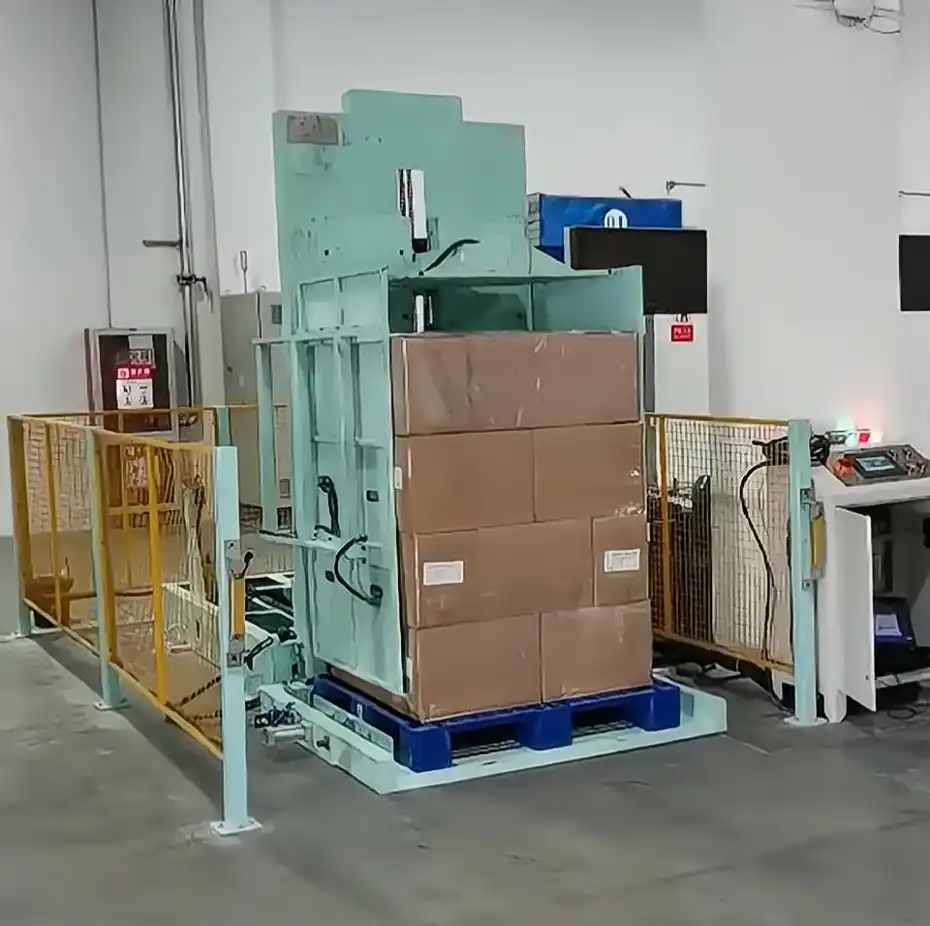
In these critical sectors, a pallet inverter is more than a convenience; it is a fundamental part of risk management and quality assurance. My experience has shown that automating these processes is key to meeting the highest industry standards.
-
1. Protecting High-Value and Sensitive Products: Pharmaceuticals and specialized chemicals are often very expensive and sensitive. Any damage or contamination during handling can result in significant financial losses. It can also compromise patient safety or industrial processes. Pallet inverters provide a stable and secure method for transferring these critical goods. They minimize movement and potential impacts. This protects the integrity of the product and its packaging. For example, a pharmaceutical company needs to ensure that drug vials or delicate instruments are not disturbed or compromised. A FHOPEPACK pallet inverter, designed for precision, ensures this careful handling. This safeguards valuable inventory and reduces waste. (high-value goods, product sensitivity, damage prevention, inventory protection)
-
2. Ensuring Regulatory Compliance and Audit Trails: Both the pharmaceutical and chemical industries are heavily regulated. They must comply with strict Good Manufacturing Practices (GMP) and other safety standards. This often includes detailed records of material handling. Manual processes are prone to human error and can be difficult to track. Automated pallet inverters, especially advanced models, can integrate with warehouse management systems. This provides a clear audit trail of all pallet changes. It ensures that processes are consistent and verifiable. This compliance is essential for avoiding penalties, maintaining licenses, and passing audits. It gives companies peace of mind regarding their operational integrity. (regulatory compliance, audit trails, GMP standards, process verification)
-
3. Mitigating Risks from Hazardous Materials: Many chemical products are hazardous. They can be corrosive, flammable, or toxic. Manual handling of these materials for pallet changes poses serious risks to workers. This includes exposure to harmful substances or accidents like spills. Pallet inverters allow workers to maintain a safe distance. The machine performs the hazardous transfer, isolating personnel from potential dangers. This significantly reduces the risk of accidents, injuries, and environmental contamination. It is a critical safety measure for any facility handling dangerous goods. This proactive approach to safety is not only ethical but also legally required. (hazardous materials, risk mitigation, worker safety, environmental protection)
-
4. Preventing Cross-Contamination and Ensuring Purity: In both industries, preventing cross-contamination is vital. For pharmaceuticals, it ensures drug purity. For chemicals, it can prevent dangerous reactions. Inbound pallets might be dirty or made of unsuitable materials. Pallet inverters enable the quick and clean transfer of products to sterile or appropriate internal pallets. This isolates the product from external contaminants. The controlled environment of the machine reduces airborne particles compared to manual transfers. This maintains the purity and quality of sensitive compounds. It is a crucial step in maintaining product integrity from arrival to dispatch. (cross-contamination, product purity, sterile handling, quality assurance)
What Role Do Pallet Flippers Play in E-commerce and Retail Warehouses?
Is your e-commerce or retail warehouse struggling to keep up with rapid order fulfillment and diverse customer demands? The modern consumer expects faster delivery and flawless products. This puts immense pressure on warehouse operations, particularly when dealing with varying inbound packaging and the need for quick, efficient outbound preparation.
Pallet flippers play a critical role in e-commerce and retail warehouses by enhancing speed and efficiency, adapting to diverse packaging needs, improving order fulfillment accuracy, and managing returns more effectively. They enable rapid pallet changes to optimize storage, consolidate loads, and prepare orders for shipping, directly supporting the high-volume, fast-paced nature of these sectors.
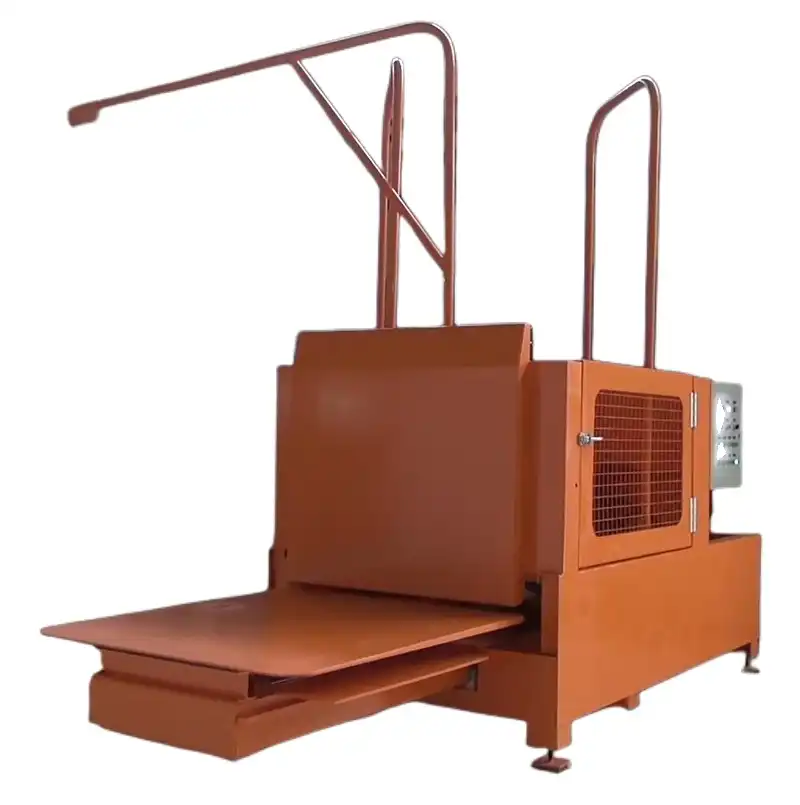
In the world of e-commerce and retail, every minute saved translates to satisfied customers and a competitive edge. From my vantage point, automating pallet handling is no longer a luxury, but a necessity for staying ahead.
-
1. Accelerating Order Fulfillment and Dispatch: E-commerce and retail thrive on speed. Customers expect their orders quickly. Manual pallet handling, especially when dealing with mixed loads or different pallet types, can slow down the entire fulfillment process. Pallet flippers automate this step, dramatically reducing the time it takes to prepare goods for dispatch. They enable faster movement of products from storage to packing stations and then to shipping. This directly contributes to shorter lead times and improved delivery performance. For example, consolidating multiple smaller loads onto a single shipping pallet is faster with a pallet flipper. This acceleration is key to meeting the aggressive service level agreements demanded by today’s market. (order fulfillment speed, fast dispatch, lead time reduction, delivery performance)
-
2. Optimizing Warehouse Space and Inventory Flow: Warehouse space is often at a premium in e-commerce and retail. Pallet flippers help optimize this space by allowing for efficient stacking and consolidation of goods. They can also facilitate transfers to internal pallets that are better suited for specific racking systems or automated storage and retrieval systems (AS/RS). This maximizes storage density. It also improves the flow of inventory within the warehouse. For example, moving products from large inbound pallets to smaller, more manageable pallets for picking areas can streamline operations. This efficiency in space management helps reduce overall operational costs and supports scalability. (warehouse space optimization, inventory flow, storage density, AS/RS integration)
-
3. Managing Diverse Inbound Packaging and Returns: E-commerce and retail warehouses receive goods from many suppliers. These goods arrive on a wide variety of pallets and in different packaging formats. Pallet flippers provide the flexibility to handle this diversity. They can easily switch products from non-standard inbound pallets to standard internal pallets. This standardizes internal handling. Also, returns processing is a major challenge. Products often come back on damaged pallets or require transfer to new pallets for repackaging or re-shelving. Pallet flippers streamline this reverse logistics process, making it more efficient and less labor-intensive. This ensures product integrity even during the return cycle. (diverse packaging, inbound logistics, returns management, reverse logistics efficiency)
-
4. Reducing Product Damage and Improving Customer Experience: Damaged products lead to customer complaints, returns, and lost sales. In a high-volume environment like e-commerce, even a small percentage of damage can add up quickly. Manual handling increases the risk of product damage. Pallet flippers offer a controlled and gentle way to transfer goods. This minimizes impacts and ensures load stability. Reducing damage means fewer returns, lower repacking costs, and higher customer satisfaction. For a brand, delivering products in perfect condition is crucial for building trust and repeat business. This focus on damage reduction protects both the product and the brand’s reputation. (product damage reduction, customer experience, brand reputation, load stability)
How Do Manufacturing and Automotive Sectors Improve Efficiency with Pallet Transfer Systems?
Are your manufacturing lines or automotive facilities bogged down by inefficient material handling for heavy parts or specialized components? In these sectors, moving large, heavy, or uniquely shaped items between different types of pallets can be a significant bottleneck. This impacts production flow, worker safety, and overall output.
Manufacturing and automotive sectors improve efficiency with pallet transfer systems by streamlining internal logistics, enhancing worker safety when handling heavy components, optimizing storage for specialized parts, and facilitating seamless transitions between production stages. These systems enable controlled, automated movement of heavy goods from inbound to internal production pallets, minimizing manual intervention and accelerating the production cycle.
The manufacturing and automotive industries require robust solutions for heavy and complex logistics. From my observations, pallet transfer systems are not just about automation; they are about enabling lean manufacturing principles and creating safer, more agile production environments.
-
1. Streamlining Internal Logistics for Heavy Components: Manufacturing and automotive industries often deal with heavy, bulky components like engine blocks, metal sheets, or large assemblies. Manually transferring these items between pallets for different stages of production or storage is slow and risky. Pallet transfer systems automate this process. They ensure a smooth, continuous flow of materials within the factory. This reduces the need for forklifts to handle complex transfers, freeing them for other tasks. It also minimizes manual handling, which is crucial for heavy loads. This streamlining of internal logistics directly impacts production efficiency and reduces lead times for manufacturing processes. (internal logistics, heavy components handling, material flow, production efficiency)
-
2. Enhancing Worker Safety in Heavy Load Handling: Handling heavy and awkward components is a major safety concern in manufacturing and automotive plants. Workers are at high risk of injuries from crushing, dropping, or straining. Pallet transfer systems remove workers from these dangerous situations. The machines perform the heavy lifting and repositioning, keeping personnel safe. This significantly reduces the incidence of workplace injuries related to manual handling of heavy items. It creates a much safer environment for employees. This commitment to safety not only protects workers but also reduces workers’ compensation claims and lost production time due to injuries. (worker safety, heavy load handling, injury prevention, industrial safety)
-
3. Optimizing Storage and Presentation for Production Lines: Different stages of manufacturing often require specific types of pallets or material presentation. For example, raw materials might arrive on one type of pallet, but the production line requires components to be presented on a different, perhaps smaller or specialized, pallet for robotic picking or ergonomic access. Pallet transfer systems enable this seamless transition. They allow for the efficient transfer of components to pallets that optimize storage density or are perfectly suited for automated production lines. This ensures materials are always available in the correct format, minimizing delays and improving the efficiency of assembly processes. (storage optimization, production line integration, material presentation, lean manufacturing)
-
4. Facilitating Just-in-Time (JIT) Inventory Management: Many modern manufacturing and automotive facilities operate on a Just-in-Time (JIT) inventory system. This means materials arrive exactly when needed, minimizing storage costs and waste. Efficient pallet transfer is critical for JIT, as delays can halt production. Pallet transfer systems ensure rapid and reliable movement of components to the production floor. This supports the precise timing required by JIT, preventing bottlenecks. It ensures that the right parts are in the right place at the right time. This improves the overall responsiveness of the supply chain and helps maintain continuous production. (JIT inventory, supply chain responsiveness, production continuity, reduced waste)
Conclusion: Which Industries Should Prioritize Pallet Flipper Solutions?
Industries with high volumes, diverse pallet needs, strict hygiene or safety demands, and heavy loads should prioritize pallet inverter solutions. Food and beverage, pharmaceuticals, chemicals, e-commerce, retail, manufacturing, and automotive gain significantly by enhancing safety, efficiency, and compliance. Investing in a pallet changer from FHOPEPACK or SHJLPACK ensures you have a reliable partner for your future growth.








