
What Are the Maintenance Differences Between Mobile and Stationary Models?
Pallet changers are critical tools in modern warehouses. They keep goods moving and operations smooth. But if you do not understand their maintenance needs, they can cause big problems. Neglecting proper care leads to costly downtime. It also disrupts your entire workflow. This article will help you understand the key maintenance differences. We will look at both mobile and stationary pallet changer models. This will help you keep your operations running efficiently.
Mobile and stationary pallet changers have distinct maintenance needs. Stationary models usually require less frequent checks due to their fixed position and robust installation. Mobile units, however, need regular attention to moving parts, wheels, batteries, and hydraulic hoses because they are constantly relocating and subject to more wear and tear. (Pallet changer maintenance differences)
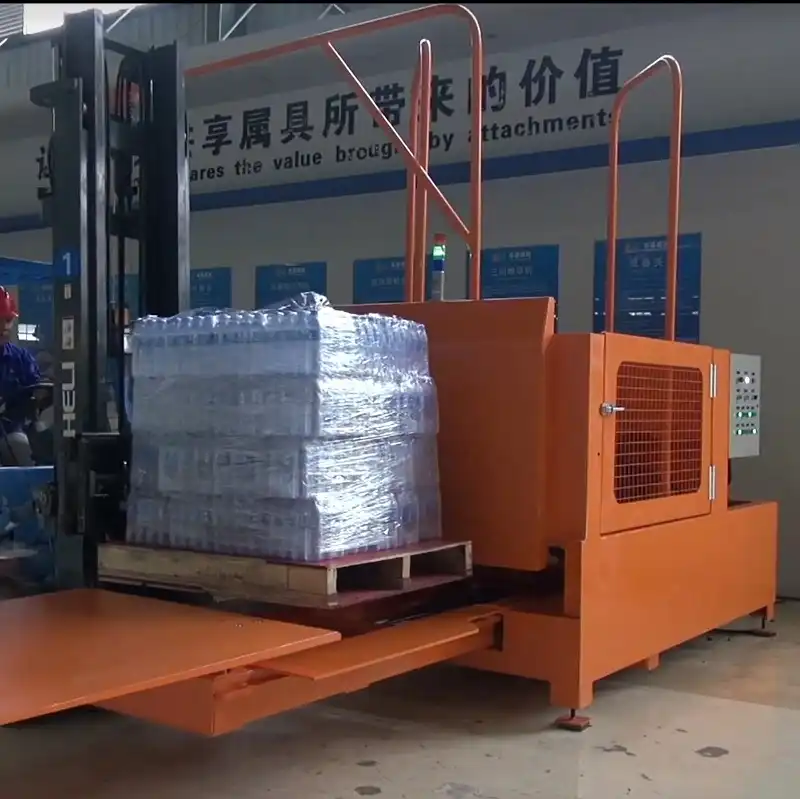
Understanding these differences is very important. It helps you ensure smooth operations. It also makes your equipment last longer. I will share insights from my many years in the packing machine industry. We will look closely at what makes each type unique in terms of care. We aim to help you make smart maintenance decisions for your business.
What are the key design distinctions between mobile and stationary pallet changers?
Many people see pallet changers as simply “machines.” They do not always fully grasp the different designs available. This lack of understanding can cause wrong purchase decisions. It can also lead to poor maintenance plans later on. This is why we need to explore the fundamental design differences that set mobile and stationary units apart. Knowing these differences is the first step to proper care.
Mobile pallet changers are designed for flexibility and movement within a facility. They often feature wheels, compact frames, and self-contained power sources like batteries. Stationary models are built for fixed locations, integrated into conveyor lines, and connected to the main power supply, focusing on stability and high throughput. (Pallet changer design comparison)
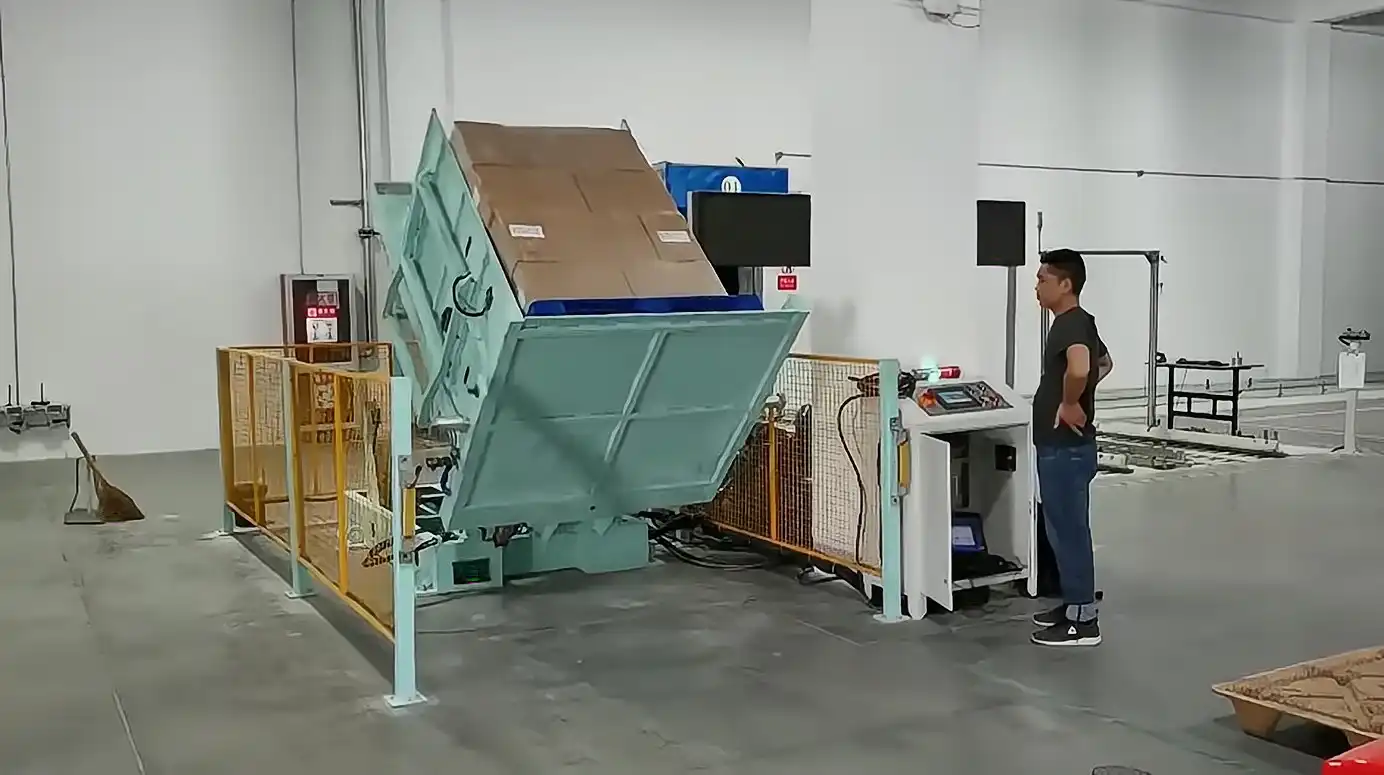
Mobile and stationary pallet changers serve different purposes. Their designs reflect this. Knowing these design basics is crucial for maintenance.
-
Physical Structure and Footprint: Mobile pallet changers are smaller. They are built on a chassis with wheels. This lets them move to different areas of a warehouse. They are flexible. Stationary units are much heavier. They are bolted down to the floor. They stay in one place. They often have a larger footprint. Their robust build helps them handle heavy loads consistently. This fixed design means their structural components are under constant, specific stress. Mobile units deal with varied stresses from movement.
-
Power Source: Mobile units often run on batteries. This gives them independence from fixed power outlets. The battery system needs careful management. It requires regular charging and checks on battery health. Stationary units connect directly to the main power supply. This ensures continuous operation. Their electrical systems are usually more complex. They include direct wiring and higher voltage components. These need different safety and maintenance checks than battery systems.
-
Integration versus Standalone Operation: Mobile pallet changers usually work as standalone units. They are operated by a forklift or pallet jack. They can be moved to different work areas as needed. Stationary units are often integrated into a larger automated system. They connect with conveyors or robotics. This integration means their design must be precise. Any maintenance affects the entire production line. My journey started as an employee at a packing machine factory. I saw how choosing the right equipment was critical for efficiency. Understanding if a machine needed to move or stay put was a big part of that decision. We saw the direct link between design and how we could use and maintain the machine. This lesson applies especially to pallet changers. FHOPEPACK designs both kinds. We make sure they fit specific operational needs. Our focus is on making machines that work well in their intended environment. This helps businesses like Carlos’s group to keep up with diverse pallet requirements, ensuring minimal disruption. (Pallet changer design considerations)
How do these design differences translate into unique maintenance challenges?
The design choices for mobile and stationary pallet changers directly affect their wear points. This creates unique maintenance challenges. Ignoring these specific wear points means you will face unexpected breakdowns. This hurts your warehouse operations. It can lead to missed deadlines and unhappy customers. We need to understand how each design creates its own specific maintenance needs. This helps us plan better.
The mobility of mobile pallet changers makes their wheels, bearings, and battery systems key maintenance challenges. Stationary pallet changers, due to their fixed nature and often higher throughput, face challenges related to the wear of their fixed mechanical components, hydraulic systems, and continuous power supply integrity. (Pallet changer unique maintenance issues)

Each type of pallet changer has its own set of parts that need special attention. This is due to how they are built and how they operate.
-
Mobile Unit Specifics:
- Wheels and Bearings: Mobile pallet changers are always moving. This causes significant wear and tear on their wheels, casters, and associated bearings. These parts are under constant stress. They need regular checks for damage, alignment, and proper lubrication. Failure here can stop the unit from moving or cause instability.
- Batteries and Power Systems: Since they are battery-powered, the battery system is a crucial part. It needs careful maintenance. This includes monitoring charging cycles, checking for capacity degradation, and ensuring connections are clean and secure. Poor battery health means less run time and potential power failures.
- Hoses and Cables: Repeated movement can stress power cables and hydraulic hoses. These flexible parts bend and flex. They need frequent inspection for fraying, cracks, or leaks. A damaged hose can lead to hydraulic fluid loss. This stops the machine from working safely.
- General Structural Stress: The frame and chassis of mobile units absorb shocks and vibrations from moving across different floor surfaces. This can lead to loose fasteners or stress cracks over time.
-
Stationary Unit Specifics:
- Fixed Mechanical Components: Stationary units are designed for high throughput. Their fixed components like rollers, chains, pushing mechanisms, and clamping systems experience continuous, heavy loads. This leads to wear and tear. These parts need regular inspection, lubrication, and adjustment. They must be aligned correctly for smooth operation.
- Hydraulic Systems: Larger stationary units often use powerful hydraulic systems. These systems manage heavy lifting and pressing forces. Seals, pumps, valves, and hydraulic fluid quality are critical. Leaks, contamination, or low fluid levels can cause major system failure. They also pose safety risks.
- Electrical and Control Systems: Stationary units are usually integrated into complex automated lines. Their electrical wiring, sensors, and control panels are more elaborate. Maintaining these requires checks for proper connections, sensor calibration, and software updates. Any fault can stop the entire production line.
- Alignment and Foundation: Because stationary units are bolted down, the integrity of their foundation and precise alignment is crucial. Any shift or movement can cause strain on the machine’s components. This reduces efficiency and increases wear.
When I was running my own factory, we had different machines. Some stayed put, some moved. I quickly learned that a machine that moved needed different care. We had to train our team to check specific parts on mobile units daily. For stationary ones, we focused on scheduled checks of core components like hydraulics and alignment. This approach reduced breakdowns a lot. FHOPEPACK understands these needs deeply. We design our machines for easy access to these critical maintenance points. This helps warehouse managers like Carlos reduce safety risks and operational disruptions from equipment failure. (Maintenance challenges by design)
What specific preventive maintenance tasks are essential for each type of pallet changer?
Many warehouses overlook planned maintenance. They only fix machines when they break. This reactive approach leads to costly emergency repairs. It also causes lost production time. It can disrupt entire supply chains. We need to look at the specific preventive steps for both mobile and stationary pallet changers. This helps avoid problems before they start.
Essential preventive maintenance for mobile pallet changers includes daily checks of wheels, battery charge, and hydraulic fluid levels, along with weekly lubrication and inspection of moving parts. For stationary models, key tasks involve regular checks of hydraulic systems, conveyor components, electrical connections, and scheduled calibration of sensors for optimal performance. (Pallet changer preventive maintenance)

Preventive maintenance is about keeping machines running well. It means doing small checks regularly to stop big problems.
-
Preventive Maintenance for Mobile Pallet Changers:
- Daily Checks: ✅ Inspect wheels for wear or damage. Make sure they roll smoothly. ✅ Check battery charge and connections. Ensure it is ready for use. ✅ Verify hydraulic fluid level. Add more if needed. ✅ Test emergency stop buttons. Make sure they work. ✅ Look for any visible leaks or loose parts.
- Weekly/Bi-weekly Checks: ⚙️ Lubricate pivot points and bearings. This reduces friction and wear. ⚙️ Inspect hydraulic hoses for leaks, cracks, or fraying. Replace them if damaged. ⚙️ Clean dust and debris from the machine. This helps cooling and prevents clogs. ⚙️ Check tire pressure if the unit has pneumatic tires. This ensures stable movement.
- Monthly Checks: ⚡ Test battery health and capacity. This helps predict when replacement is needed. ⚡ Inspect all electrical cables and connections for damage. Make sure they are secure. ⚡ Check control panel functionality. Ensure all buttons and indicators work. ⚡ Review safety interlocks and guards. Make sure they are in place and function.
-
Preventive Maintenance for Stationary Pallet Changers:
- Daily Checks: ✅ Confirm proper alignment with any connected conveyor systems. ✅ Check for unusual noises during operation. This can signal issues. ✅ Test all emergency stop buttons and safety light curtains. ✅ Inspect for visible leaks from hydraulic systems or damage to structural parts.
- Weekly/Bi-weekly Checks: ⚙️ Lubricate all moving parts. This includes chains, rollers, and pivot points. ⚙️ Inspect hydraulic pumps, cylinders, and valves for optimal performance. ⚙️ Clean sensors and safety devices. Make sure they are not obstructed. ⚙️ Check tension of chains or belts if the unit uses them. Adjust as needed.
- Monthly Checks: ⚡ Inspect all electrical connections and wiring. Look for signs of wear or overheating. ⚡ Check hydraulic fluid quality and change filters. This maintains system health. ⚡ Calibrate sensors and safety interlocks. Ensure accuracy and proper function. ⚡ Inspect structural integrity. Look for cracks or loose bolts in the frame. ⚡ Review software and firmware. Install updates if available.
In my early days at the packing machine factory, I saw how much difference a good maintenance schedule made. We used to have small issues turn into big problems. Then we started a strong preventive plan. For our mobile coil packers, we focused on battery life and wheel condition. For the fixed pallet stackers, it was all about the hydraulics and alignment. This approach saved us money and time. FHOPEPACK provides detailed maintenance guides with every machine. We want our clients, like Carlos, to avoid downtime. We offer training, too. We even recommend SHJLPACK for some spare parts, but FHOPEPACK’s original parts ensure the best fit and long-term reliability. This helps businesses guarantee compliance and customer satisfaction, a key goal for Carlos. (Scheduled machine checks)
How does the operating environment influence the wear and tear of mobile vs. stationary units?
The physical environment where a pallet changer operates greatly affects its longevity. Many people overlook this crucial point. They install equipment without thinking about the environment’s long-term impact. This oversight causes faster wear and more breakdowns. We need to explore how different operating conditions impact both mobile and stationary pallet changers. This helps us plan for the future.
Mobile pallet changers operating in high-dust, uneven floor, or fluctuating temperature environments experience increased wear on wheels, bearings, and battery performance. Stationary units, while less affected by movement, can suffer from corrosive atmospheres, extreme temperatures, or vibrations that impact fixed components, electrical systems, and hydraulic integrity over time. (Pallet changer environmental impact)
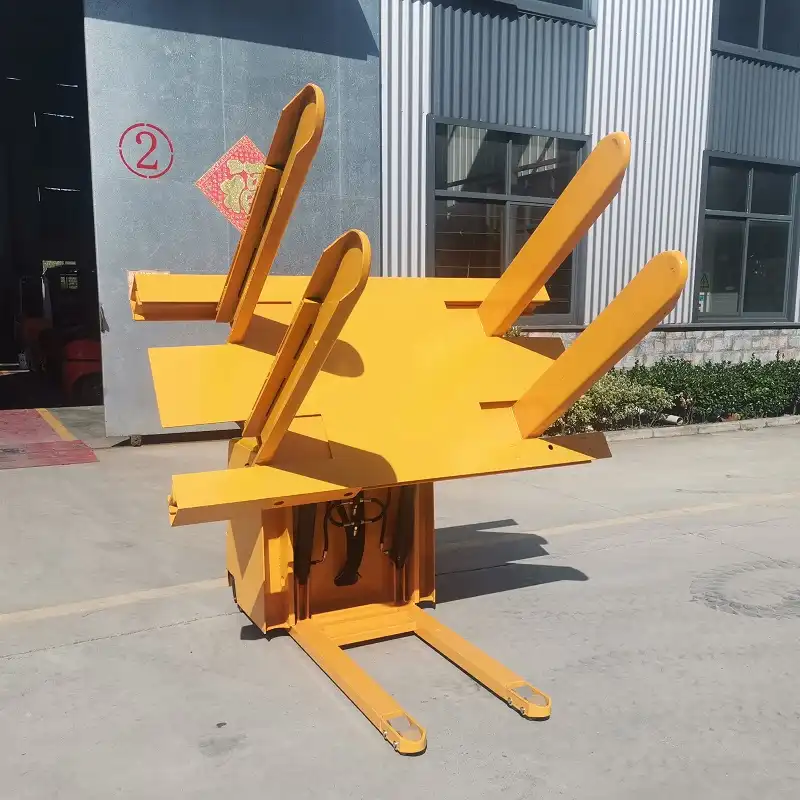
The environment is a silent factor. It plays a big role in how long a machine lasts and how often it needs repair.
-
Impact on Mobile Pallet Changers:
- Uneven Floors/Obstacles: 🚧 If a mobile unit frequently travels over uneven floors, cracks, or small obstacles, it puts extra stress on its wheels, axles, and frame. This leads to faster bearing wear. It can also cause structural fatigue.
- Dusty/Dirty Environments: 💨 Warehouses with high levels of dust, dirt, or debris can clog motors. They can contaminate bearings. They also affect electrical contacts and sensor accuracy. This leads to overheating and malfunction.
- Temperature Extremes: 🌡️ Operating in very hot conditions reduces battery life. It can also degrade hydraulic fluids faster. Cold environments can make hydraulic fluids thicker. This reduces efficiency. It also reduces battery power output. Both extremes are hard on the electronics.
- Moisture/Humidity: 💧 High humidity or areas prone to spills (like in food processing plants) increase the risk of corrosion on metal parts and electrical components. This can lead to short circuits or equipment failure.
-
Impact on Stationary Pallet Changers:
- Corrosive Substances: 🧪 In industries such as food processing, chemicals, or pharmaceuticals, the air might contain corrosive substances. These can quickly degrade seals, painted surfaces, and metal components. Special protective coatings or stainless steel construction might be needed.
- High Vibration: 🏗️ If a stationary unit is near heavy machinery that causes constant vibration, it can be a problem. Continuous vibration can loosen bolts. It can damage sensors. It can also cause stress fractures in structural elements over time. This reduces reliability.
- Extreme Temperatures: 🌡️ Similar to mobile units, extreme temperatures affect stationary machines. However, it is more critical for fixed hydraulic and electrical systems that might be exposed to process heat or intense cold. These conditions affect fluid viscosity and component lifespan.
- Heavy Dust/Debris: 💨 Even though stationary, dust and debris can still accumulate on sensors, motors, and cooling fins. This impacts performance. It also shortens the lifespan. Regular cleaning is still essential.
I have seen warehouses with perfect floors and others that were a constant challenge. In one food processing plant, high humidity and constant washing affected everything. Their mobile pallet changers had rust issues on wheels and frames. The stationary ones needed special coatings and sealed electrical boxes. This taught me that machine design is one thing. But how it stands up to its real-world home is another. FHOPEPACK always asks about the client’s operating environment. This helps us suggest the right materials and protective features. It ensures our machines, like those Carlos needs for his European distribution center, last longer. This helps reduce labor costs and safety risks, which are important goals for him. (Operating conditions wear and tear)
What are the long-term cost considerations for maintaining mobile versus stationary pallet changers?
Businesses often focus only on the initial purchase price of equipment. This is a common mistake. They forget about the total cost of ownership over time. This includes maintenance costs. This oversight can lead to unexpected budget overruns. It can also impact profitability. We need to examine the long-term financial aspects of maintaining both mobile and stationary pallet changers. This helps make informed decisions.
Long-term maintenance costs for mobile pallet changers often include more frequent replacement of consumable parts like batteries and wheels, plus labor for diverse troubleshooting. Stationary models might have higher initial spare parts costs for complex hydraulic or conveyor components but generally benefit from predictable, less frequent maintenance schedules and easier integration into automated systems. (Pallet changer total ownership cost)
The decision between mobile and stationary models involves more than just the upfront price. The ongoing costs of keeping them running are very important.
-
Cost Factors for Mobile Pallet Changers:
- Consumable Parts: 🔋 Wheels, tires, and especially batteries have a limited lifespan. Batteries degrade over time and need replacement. Replacing these regularly adds up. These are recurring costs that must be budgeted for.
- Labor for Mobile Repairs: 👨🔧 Technicians might spend more time diagnosing issues that arise from general wear and tear across various moving components. The varied stresses on mobile units can make troubleshooting more complex. This can increase labor costs for repairs.
- Flexibility vs. Cost: The benefit of flexibility that mobile units offer comes with higher upkeep for moving parts. While they offer operational versatility, this flexibility has a price in maintenance.
- Downtime Impact: While breakdowns can be fixed by moving the unit out of the way, finding a replacement or alternative might cause delays. Even short periods of unplanned downtime can lead to significant financial losses.
-
Cost Factors for Stationary Pallet Changers:
- Complex Part Costs: ⚙️ Hydraulic pumps, large motors, and custom conveyor belts are often unique to stationary units. These parts can be expensive to replace if they fail. However, they are generally robust and last a long time if properly maintained.
- Scheduled Maintenance Efficiency: 🗓️ Because they are fixed and often part of a larger production line, maintenance can be planned. This allows for scheduled downtime, reducing emergency costs. It also lets you coordinate repairs with other machine maintenance.
- Integration Costs: While not direct maintenance, any modifications or repairs to a stationary unit often involve re-integrating it with other systems. This can add to the complexity and cost if not planned carefully.
- High Throughput Savings: Their efficiency can offset maintenance costs. They process more pallets, faster. This leads to higher productivity and significant savings in labor and operational time.
- Lower Consumable Costs: Stationary units generally have fewer easily consumable parts compared to mobile units. There are no batteries to replace or wheels that wear down from constant movement. This reduces some recurring expenses.
In my journey, I helped many clients, including Carlos’s company, grow their businesses. We always talked about the “real” cost of a machine. It was never just the price tag. For a company handling thousands of pallets daily, like Carlos’s group in Europe, minimizing downtime is critical. A stationary unit might have a higher initial cost or expensive parts. But if it runs without issue for years, the total cost of ownership is often lower. Mobile units offer amazing flexibility, but we must account for their battery and wheel replacements. FHOPEPACK focuses on building durable machines, regardless of type. We provide robust parts for both. This means less frequent replacements and better cost predictability for our customers. We design for longevity, understanding that reliable operation saves money in the long run and helps meet demanding client delivery schedules. (Maintenance budget planning)
Conclusion
Both mobile and stationary pallet changers have unique maintenance requirements. These are greatly influenced by their design and operating environment. Mobile units need consistent attention to their moving parts and batteries. Stationary ones require focus on fixed components and robust hydraulic systems. Understanding these differences, as highlighted by FHOPEPACK’s expertise, helps optimize costs and ensures reliable operation. For seamless pallet handling, a well-maintained pallet inverter is indispensable.








