
Which Energy-Efficiency Upgrades Are Crucial for Canada’s Cold-Climate Packing Lines?
Running a packing line in Canada’s harsh cold can feel like fighting an uphill battle. You are trying to meet production targets. But the freezing temperatures drain your machines and your budget. It affects everything from machine performance to your energy bills. This constant struggle against the cold can make even simple tasks feel hard. It forces you to spend more money just to keep things running.
The most crucial energy-efficiency upgrades for cold-climate packing lines in Canada focus on three main areas. These are smart automation, robust insulation, and effective heat recovery. These upgrades help you save money. They also make your operations more reliable in harsh weather. Investing in these technologies means your machines work better. They use less power. This helps your business grow even when it is very cold outside.

I have seen many factories struggle with the cold. I know firsthand how challenging it is to maintain efficiency when temperatures drop. From my days working in a packing machine factory to building my own, I learned that small changes can make a big difference. This is especially true when it comes to energy use. Let us look at the specific upgrades that truly matter for Canadian operations.
How Do Smart Controls Boost Energy Savings in Canada’s Packing Lines?
Are your packing lines running non-stop, even when they do not need to be? This wastes a lot of energy. Many factories have machines that run at full power all the time. They do this even when there is no product. This happens because old control systems cannot adapt. This leads to high electricity bills. It also puts more wear on your equipment. This constant drain on resources is a big problem for many plant managers.
Smart control systems boost energy savings in Canadian packing lines by optimizing machine operation. They use sensors and data to adjust machine speeds and power use in real time. This means machines run only when needed. They use only the power they need. This stops unnecessary energy waste. It helps your factory save money on electricity.
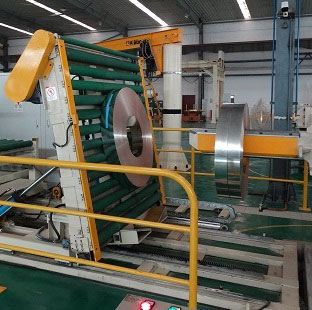
Smart control systems are a game changer. When I started my own packing machine factory, I saw how much power our machines used. They often ran when they did not have to. I knew we needed a better way. Modern control systems, like those with Variable Frequency Drives (VFDs) and advanced PLCs, make this possible.
Here is how they work and why they are so important:
Optimized Motor Control
Many packing machines use electric motors. These motors often run at a fixed speed. This means they use the same amount of power no matter the load. A smart control system changes this. It uses VFDs. VFDs let the motor speed change based on the actual need. For example, if a conveyor belt moves fewer items, the motor slows down. This saves a lot of energy. Running a motor at 80% speed can cut power use by 50%. This is a huge saving over time. In cold climates, motors work harder. This makes VFDs even more critical. They prevent motors from overheating. They also keep them running at their most efficient point.
Real-Time Monitoring and Data Analysis
Smart systems collect data about machine performance. They track energy use. They look at production rates. They monitor machine health. This data helps you see exactly where energy is wasted. You can then make informed decisions. For instance, if a machine often sits idle, the system can flag it. You can then program it to turn off or go into standby mode. This data also helps predict maintenance needs. This stops unexpected breakdowns. Breakdowns waste energy because machines sit idle. They also use energy for repairs.
Adaptive Control for Cold Conditions
Canada’s cold climate adds another layer of complexity. Machines can become stiff. Fluids can thicken. This makes them use more energy to start up or run. Smart controls can adapt to this. They can have pre-programmed warm-up cycles. They can adjust motor torque for colder parts of the day. This reduces strain on the equipment. It also prevents energy spikes. This means your machines start smoothly. They run efficiently even when it is below zero. This adaptability is key for factories operating in harsh winter conditions. It makes sure machines perform well without wasting power.
Why is Robust Insulation Key for Cold-Climate Machine Efficiency?
Do your packing machines struggle to maintain consistent temperatures? Does the cold outside affect their internal workings? If so, you are likely losing a lot of energy. Uninsulated or poorly insulated machines let heat escape easily. This means your heating elements work harder. They use more power just to stay warm. This is a common problem in cold places like Canada. It leads to high energy costs and often unreliable machine performance.
Robust insulation is key for cold-climate machine efficiency because it minimizes heat loss. It keeps the machine’s internal components at a stable working temperature. This means heating elements do not have to work as hard. It also protects sensitive parts from extreme cold. This reduces energy use. It also makes your machines last longer.
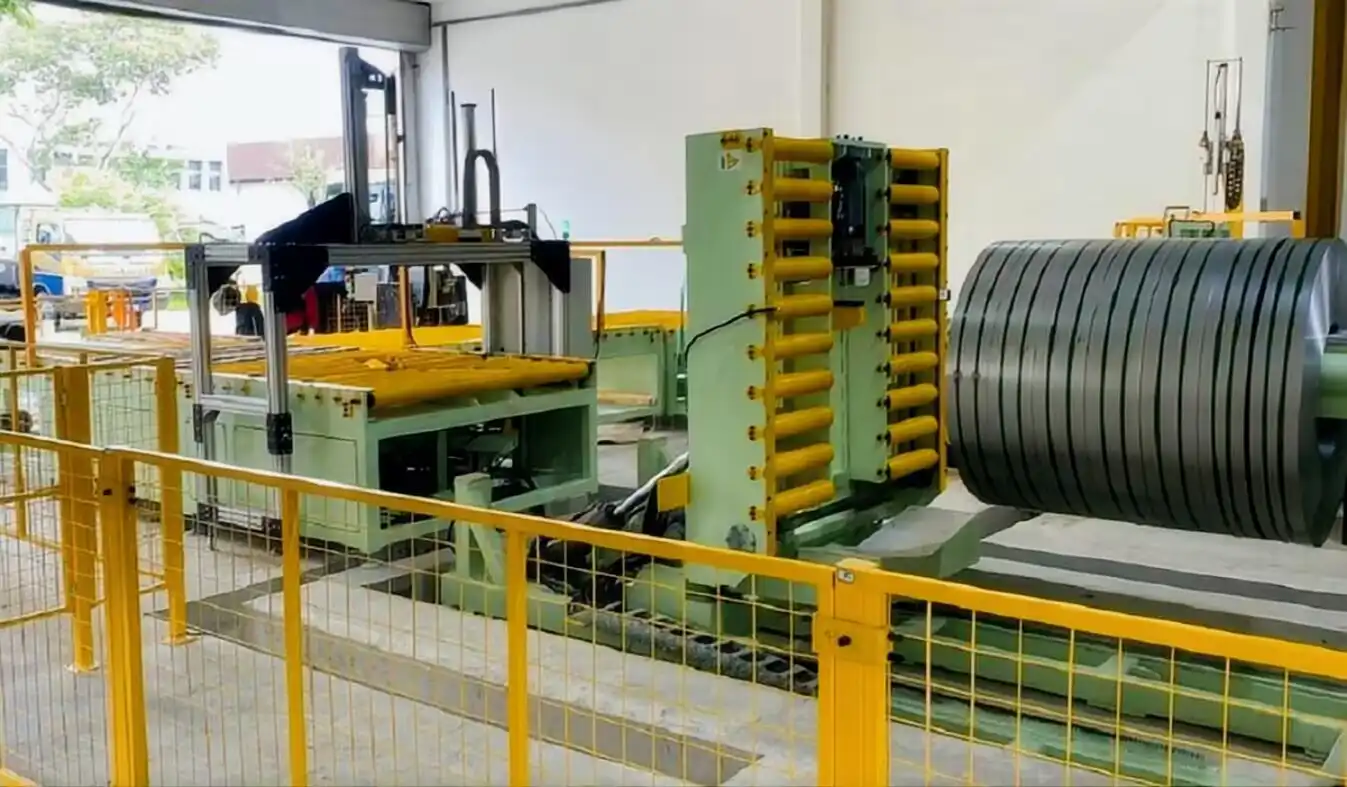
Dive deeper: When I was building my factory, I learned that a machine is only as good as its weakest link. In cold places, a lack of good insulation is often that weak link. It is not just about keeping the people warm. It is about keeping the machines warm enough to work right.
Here is why robust insulation is so vital:
Preventing Heat Loss in Critical Components
Many packing machines have parts that need to stay at a certain temperature. This could be for their electronics, their lubricants, or process fluids. Without proper insulation, heat escapes rapidly into the cold factory air. This forces heating elements to constantly kick in. They use a lot of electricity. Good insulation acts like a warm blanket for your machine. It traps the heat inside. This means the heating elements do not need to work as often. This saves a lot of energy. It also puts less stress on these parts. This helps them last longer.
Protecting Electronics and Sensors
Extreme cold can damage electronic components. It can make sensors less accurate. It can even cause electrical shorts. These problems lead to machine downtime. They also lead to costly repairs. Good insulation creates a stable micro-environment inside the machine. It protects these sensitive parts from direct exposure to freezing temperatures. This makes sure they work reliably. It reduces the chance of expensive failures. I have seen firsthand how much a small failure can cost in terms of lost production. Preventing these problems through good insulation is a smart investment.
Enhancing Lubricant Performance
Lubricants in machines can thicken in very cold temperatures. This makes it harder for moving parts to operate. It increases friction. This uses more energy. It also causes more wear and tear. Proper insulation helps keep lubricants at their ideal viscosity. This means the machine runs smoothly. It uses less power. It also extends the life of mechanical components. This reduces maintenance costs over time. This is especially important for parts like bearings and gears that are constantly moving.
Can Heat Recovery Systems Truly Cut Costs in Frigid Conditions?
Is your factory constantly losing valuable heat to the outside air? Are you paying to heat your space, while your machines release warmth that just disappears? Many industrial processes generate heat as a byproduct. But this heat often gets wasted. It simply escapes through vents or exhaust systems. In cold climates, this wasted heat is a huge missed opportunity. It means you are paying twice: once to run the machines, and again to replace the heat that leaves.
Heat recovery systems can truly cut costs in frigid conditions by capturing and reusing waste heat. They take the warmth generated by your packing machines or other processes. They put it back into your facility. This reduces your need for external heating. It directly lowers your energy bills. It makes your factory more sustainable.
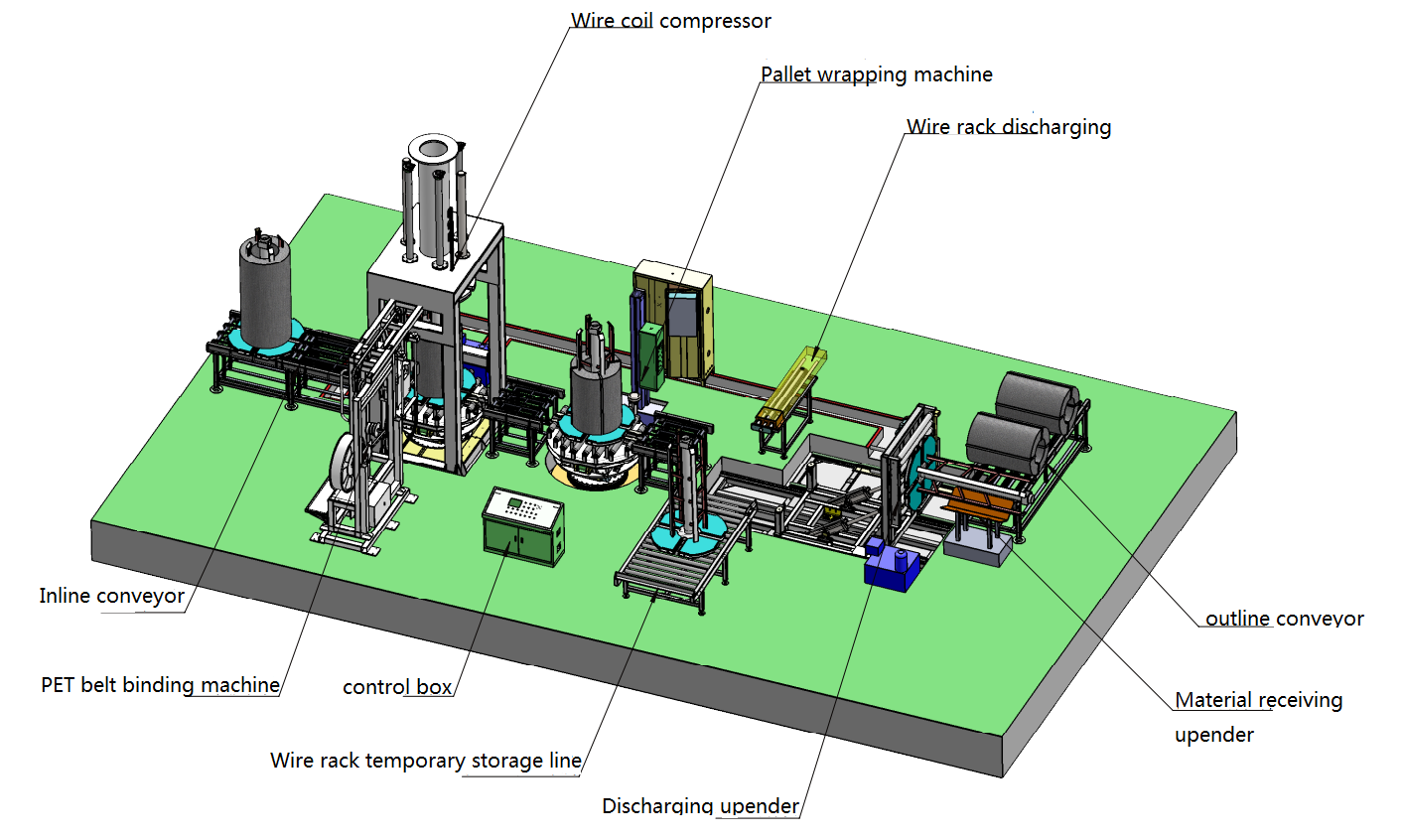
Dive deeper: In my experience, waste heat is like free energy just waiting to be used. When I ran my factory, I realized how much heat our machines gave off. It just went into the air. I looked for ways to get that heat back. Heat recovery systems are a powerful solution. They turn a waste product into a valuable resource.
Here is how they work and why they are so effective:
Capturing Waste Heat
Packing machines, especially those with motors, ovens, or hydraulic systems, generate a lot of heat. This heat often just goes into the atmosphere or is vented out. Heat recovery systems use heat exchangers. These exchangers capture the heat from exhaust air or warm process fluids. They then transfer this heat to a fresh air supply or to water. This means the heat is not lost. It gets put back into use. For a factory in Canada, every bit of recovered heat means less money spent on natural gas or electricity for heating.
Reusing Heat for Facility Heating
Once captured, the recovered heat can be used in several ways. The most common is for space heating. The warm air from the heat exchanger can be directed back into the factory. This supplements your existing heating system. It might even replace it entirely on some days. This significantly reduces the load on your primary heaters. It leads to big savings on fuel costs. I have seen this work wonders in large industrial spaces. It makes a noticeable difference to the bottom line. It also creates a more comfortable working environment for employees.
Pre-heating Process Air or Water
Beyond space heating, recovered heat can also pre-heat air or water for other processes. For example, if your packing line needs warm water for cleaning, the recovered heat can pre-heat that water. This reduces the energy needed to bring the water to its final temperature. Similarly, if you need warm air for drying or curing, the recovered heat can pre-warm the incoming air. This multi-purpose use of recovered heat makes the system very efficient. It adds to the overall energy savings. This smart use of energy means you get more out of every dollar you spend on power.
My Insights: What Are the Overlooked Aspects of Cold-Climate Packing Lines?
Many people focus only on the big machines when thinking about energy efficiency. But what about the smaller things? What about the daily operations that add up? Over the years, building and running my own packing machine factory, I learned that some of the most important aspects are often overlooked. They are not always obvious. But they can make a huge difference in how much energy you use. These small details can often solve bigger problems you might not even realize you have.
My insights into overlooked aspects of cold-climate packing lines involve focusing on regular maintenance, proper lubrication, and employee training. These elements may seem basic. But they play a huge role in preventing energy waste and ensuring long-term efficiency in harsh environments. Addressing these simple points can lead to surprising savings. They also make your operation more reliable.
Dive deeper: When I started FHOPEPACK, it was about sharing knowledge. And one key piece of knowledge is that you must look beyond just the big equipment. The small things add up. They often save more money than a huge, expensive upgrade. This is especially true for packing lines running in Canada’s cold climate.
Here are some of the things I found are often overlooked:
Regular and Specialized Maintenance
Many factories do maintenance, but they might not do it specifically for cold weather. In cold climates, materials shrink and expand. Seals can become brittle. Moving parts can stiffen. This means more friction. It means more energy is needed to run the machine. Regular maintenance should include checking seals for cracks. It should include checking for loose connections that appear in the cold. It should also include inspecting lubrication systems. Small issues, if ignored, can grow into big energy wasters. An unaligned motor coupling, for example, uses more power than it should. It also wears out faster. I always tell clients that proper maintenance is your first line of defense against energy loss. It is cheaper to prevent a problem than to fix it.
Using the Right Lubricants
This point often goes hand in hand with maintenance but needs its own focus. In cold temperatures, standard lubricants can become thick and sluggish. This forces motors to work harder. It uses more electricity. Using lubricants specifically designed for cold temperatures is critical. These lubricants maintain their viscosity even when it is freezing outside. This means less friction. It means less energy consumed. It also protects your machine parts better. I remember one client who complained about high energy bills in winter. We found they were using the wrong type of grease. Changing it made a noticeable difference in their power usage. It also extended the life of their bearings.
Employee Training and Awareness
Machines do not waste energy on their own. People do. If your operators do not know how to run the machines efficiently, you will lose money. This is a big problem. Training employees on best practices for energy saving is very important. This includes teaching them to turn off machines during breaks. It means showing them how to use smart control settings. It means explaining the importance of loading products correctly. Well-trained employees can spot inefficiencies. They can also prevent common mistakes that lead to energy waste. Simple actions, repeated by many employees, lead to significant energy savings. It builds a culture of efficiency in the factory. This kind of training is a low-cost, high-impact solution.
Conclusion
Energy efficiency is vital for Canadian packing lines. Focus on smart controls, robust insulation, and heat recovery. Do not forget maintenance, lubrication, and training for lasting savings.








