
Which Emerging Trends Are Redefining Steel Coil and Slit Coil Packaging in Canada?
Are you a factory manager in Canada, feeling the pressure to boost output, cut costs, and keep your team safe? Maybe your current coil packaging methods are slowing you down, putting workers at risk, and damaging your valuable products. This is a common pain point in the heavy manufacturing sector. The truth is, outdated manual processes not only eat into your profits but also expose your team to serious injury. Product damage during transit means unhappy clients and lost money. It is a cycle that many struggle with. But what if there was a way to break free from these challenges? What if you could adopt new strategies that make your operations safer, faster, and more profitable?
In Canada’s dynamic steel industry, new trends are rapidly changing how steel coil and slit coil are packaged. Automation is leading the way, making processes faster and safer. Smart packaging technologies bring data for better decision-making. Also, a strong focus on sustainability and enhanced safety measures are now key parts of modern operations. These changes help factories like yours become more efficient and competitive.
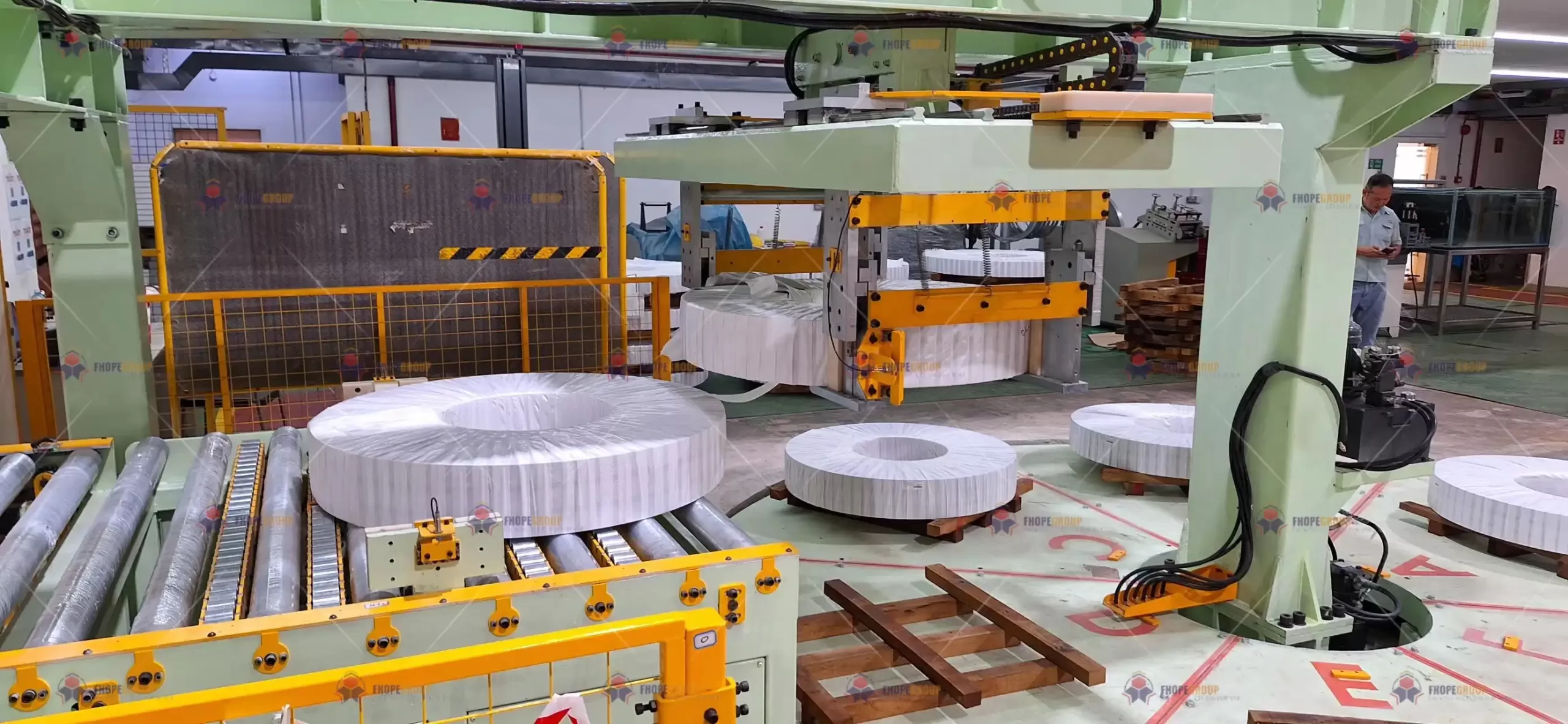
You know, I have seen firsthand how much difference the right packaging solutions can make. From my days working in a factory to running my own, I have helped many clients grow their businesses by optimizing their operations. I understand the daily pressures you face. So, let us dive deeper into these emerging trends and see how they can directly benefit your Canadian operations, turning your challenges into real opportunities.
How is Automation Redefining Efficiency in Steel Coil Packaging?
Is your factory still relying on manual labor for heavy coil packaging? This approach often creates bottlenecks at the end of your production line. It slows down delivery times and keeps your overall output from reaching its full potential. Every minute spent on slow, manual handling is a minute of lost production. It also means higher labor costs and more chances for human error. This directly impacts your bottom line and makes it harder to meet tight deadlines. The answer for many Canadian steel processors is clear: automation. It is changing how coils are packaged, making operations much faster and more reliable.
Automation is completely reshaping steel coil packaging. It brings high-speed wrapping, strapping, and conveying systems. These machines greatly reduce the need for manual work. They speed up the entire packaging process, ensuring consistent quality and freeing up your skilled workers for other important tasks. This leads to higher throughput and better overall factory efficiency.
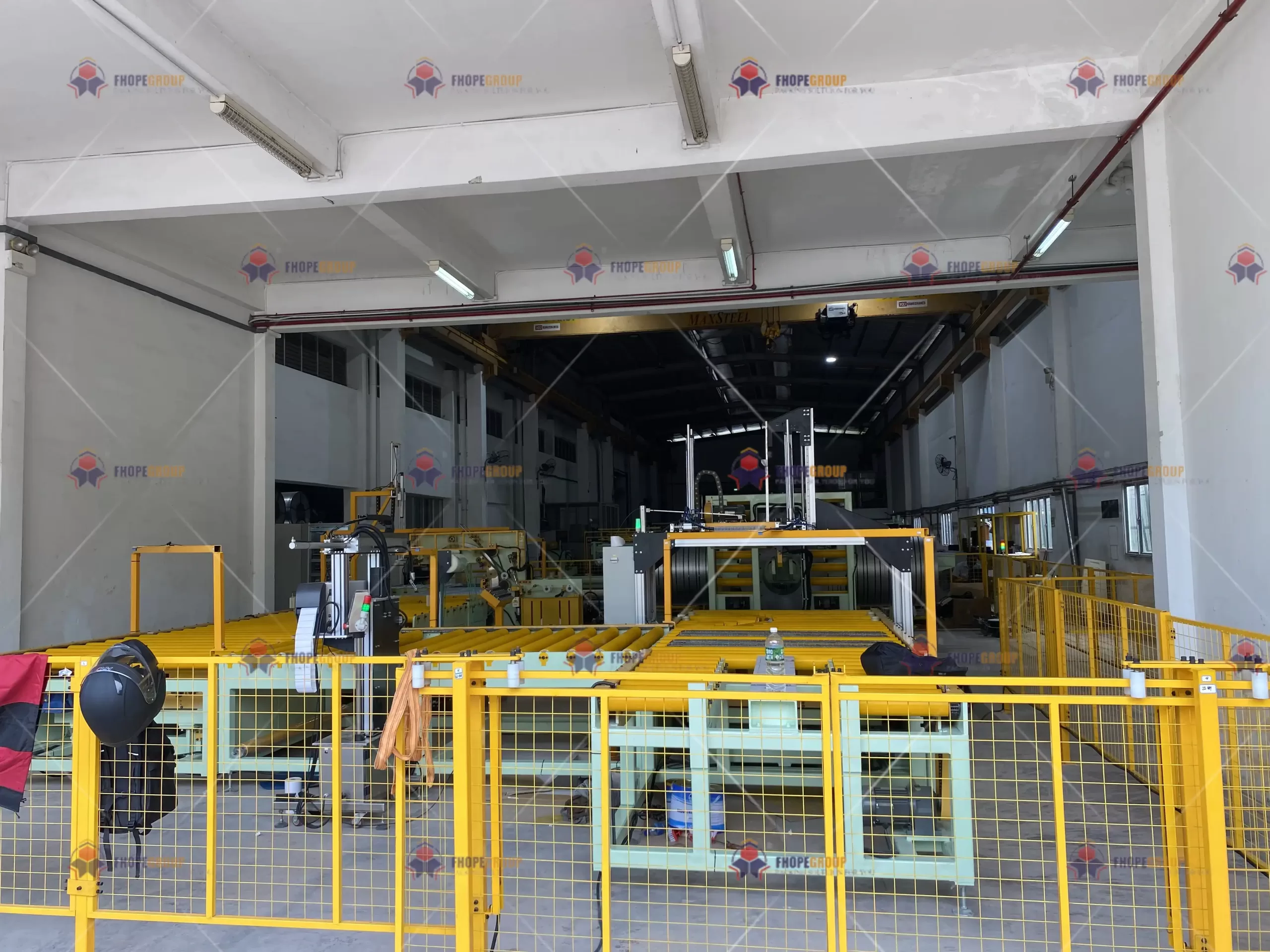
When I started my journey in the packing machine industry, automation was still a new concept for many. But I quickly saw its massive potential. I remember one client who was struggling with slow manual packaging of heavy steel coils. Their workers were exhausted, and injuries were common. Their production line was efficient until the very end, where everything bottlenecked. They could not get products out fast enough. We worked together to implement an automated horizontal wrapping line. This included automatic coil loading, wrapping, and discharge systems. The change was remarkable. Automation in coil packaging covers several key areas. Each part helps improve the overall efficiency and safety of the process.
Key Areas of Automation in Coil Packaging
- Automatic Coil Loading: Robots or specialized conveyors can pick up coils directly from the production line. They place them onto the packaging system. This removes the need for human handling of heavy, dangerous loads. It also makes the process much faster and more consistent.
- Automated Wrapping and Strapping: High-speed machines now handle the wrapping of steel coils. They use stretch film, VCI paper, or other materials. This provides consistent protection. Automated strapping machines apply steel or plastic straps. They secure the coils for transport. These systems work much faster than any human. They ensure every coil is packaged exactly the same way. This reduces material waste and improves package integrity.
- Robotic Handling and Palletizing: Once packaged, robots can pick up coils. They move them to storage or directly onto transport pallets. This further reduces manual labor. It also minimizes the risk of damage during handling. Robotic systems are precise and can work continuously. This significantly boosts throughput.
Benefits of Automation for Canadian Factories
| Benefit | Description | Impact on Factory Operations |
|---|---|---|
| Increased Speed | Machines work faster than humans, completing tasks in a fraction of the time. | Higher production output, faster delivery times, reduced lead times. |
| Reduced Labor Costs | Fewer workers are needed for repetitive, high-risk tasks. | Lower operational expenses, reallocation of skilled labor. |
| Improved Consistency | Machines perform tasks with precision, ensuring uniform packaging quality. | Fewer product rejections, better customer satisfaction. |
| Enhanced Safety | Less manual handling of heavy coils reduces workplace injuries. | Lower insurance costs, fewer lost workdays, improved morale. |
| Optimized Space | Automated lines can be more compact, making better use of factory floor space. | More efficient factory layout, potential for higher storage density. |
The decision to automate is not just about buying machines. It is about rethinking your entire workflow. It is an investment that pays back through better efficiency, lower costs, and a safer workplace. For Canadian factories, where labor costs can be high and safety standards are strict, automation is not just a trend. It is a necessary step towards a more competitive future.
What Advanced Safety Measures Are Becoming Standard in Coil Handling?
Michael, you know the daily stress of ensuring worker safety. Manually moving heavy steel coils is incredibly dangerous. It leads to frequent accidents and high insurance costs. This also affects your team’s morale. One serious injury can halt your production, trigger investigations, and damage your company’s reputation. It also results in significant financial losses. The human cost of these incidents is even higher. Modern coil handling is moving towards advanced safety measures. These new approaches protect your workers and improve your operations.
Advanced safety measures in coil handling are now standard in Canadian factories. This includes automated handling systems that remove human contact with heavy loads. It also involves improved machine guarding, emergency stop systems, and smart sensor technologies. These measures greatly reduce the risk of workplace accidents. They ensure a safer environment for everyone on the factory floor.

When I built my own packing machine factory, safety was always a top priority. I saw firsthand the dangers in the industry. I knew that a truly efficient factory is also a safe one. We focused on designing machines that not only performed well but also protected the people who operated them. This commitment paid off, leading to fewer incidents and a more productive workforce. For factories in Canada, adhering to strict safety regulations is not an option. It is a must. The good news is that new technologies make it easier to meet and even exceed these standards.
Key Safety Innovations in Coil Handling
- Robotic and Automated Handling: This is the most significant safety improvement. Machines now lift, move, and position heavy coils. This means workers do not have to. It completely removes the risk of sprains, crushing injuries, and other accidents from manual lifting. Automated guided vehicles (AGVs) can transport coils safely across the factory floor, following predefined paths and using sensors to avoid obstacles.
- Enhanced Machine Guarding and Interlocks: Modern packaging machines come with robust physical barriers. These prevent access to moving parts during operation. Interlock systems ensure that machines stop immediately if a guard is opened. They prevent startup until the guard is properly closed. This protects workers from accidental contact with dangerous components.
- Sensor Technology and Vision Systems: Advanced sensors, like laser scanners and proximity sensors, detect human presence near moving machinery. If a person enters a defined danger zone, the machine automatically slows down or stops. Vision systems can monitor the coil’s position and stability. This prevents unexpected movements or spills.
- Emergency Stop Systems: Easily accessible emergency stop buttons are placed at strategic points around the machinery. These buttons allow workers to instantly shut down the equipment in case of an emergency. Regular testing of these systems is also a standard practice.
- Ergonomic Design: Equipment is designed to minimize awkward postures and repetitive strain for operators. Even with automation, some human interaction is necessary. Ergonomic design reduces fatigue and the risk of musculoskeletal injuries.
The Ripple Effect of Safety Improvements
| Safety Measure | Direct Benefit | Broader Impact on Factory |
|---|---|---|
| Automated Handling | Eliminates manual lifting injuries. | Lower worker’s compensation claims, reduced absenteeism. |
| Advanced Guarding | Prevents contact with moving parts. | Fewer severe accidents, improved compliance with regulations. |
| Sensor Systems | Prevents collisions and unintended machine operation. | Safer working zones, increased operator confidence. |
| Emergency Stops | Provides immediate machine shutdown in crises. | Quick response to incidents, minimizes potential damage or injury. |
| Ergonomic Features | Reduces operator fatigue and repetitive strain. | Higher productivity, better employee retention, positive morale. |
Investing in these safety measures is not just about avoiding fines or lawsuits. It is about creating a culture where workers feel valued and protected. A safer workplace leads to higher morale, lower employee turnover, and ultimately, a more productive operation. For Michael, addressing these safety concerns with modern solutions means a more stable and reliable workforce.
Why is Data-Driven Packaging the Next Frontier?
Are you making decisions about your packaging line based on guesswork or incomplete information? Without real-time data, it is hard to pinpoint inefficiencies, predict maintenance needs, or truly optimize your output. This lack of insight can lead to unexpected machine breakdowns. It causes unnecessary downtime and wasted materials. You are also missing opportunities to improve your process and save money. Data-driven packaging is changing this. It uses smart technology to give you the exact information you need to make informed decisions and run a more profitable operation.
Data-driven packaging, often called Industry 4.0 or IoT for packaging, uses sensors and software to collect real-time data. This data helps monitor machine performance, track material usage, and predict maintenance needs. It allows factories to optimize their operations, reduce waste, and improve overall efficiency by making informed decisions based on solid numbers.

When I was growing my factory, I learned that small improvements in efficiency can lead to big savings. But to make those improvements, you need to know exactly what is happening. Relying on paper logs or operator estimates is simply not enough in today’s fast-paced environment. I always pushed for better data collection because I knew it was the key to unlocking true operational excellence. This is exactly what data-driven packaging offers. Data-driven packaging integrates various technologies to collect, analyze, and use information from the packaging process. It moves beyond simple automation. It creates a “smart” factory environment.
Components of Data-Driven Packaging Systems
- Sensors and IoT Devices: These are the eyes and ears of the system. They are built into packaging machines and conveyors. They collect data on everything. This includes machine speed, temperature, vibration, motor current, material consumption (film, straps), and even package quality. These devices send information wirelessly to a central system.
- Cloud Computing and Data Analytics: The collected data is stored in the cloud. Powerful software then analyzes this data. It looks for patterns, trends, and anomalies. This analysis can reveal bottlenecks, inefficient machine settings, or signs of impending equipment failure.
- Predictive Maintenance: One of the most powerful uses of data is predictive maintenance. Instead of waiting for a machine to break down (reactive maintenance) or performing maintenance on a fixed schedule (preventive maintenance), the system predicts when maintenance is actually needed. It does this based on real-time machine performance data. This minimizes unplanned downtime and optimizes maintenance schedules.
- Real-time Monitoring Dashboards: Factory managers and operators can view live data on easy-to-understand dashboards. These dashboards provide a clear overview of the packaging line’s performance. They show current output rates, energy consumption, and any alerts. This allows for quick adjustments and problem-solving.
Benefits of a Data-Driven Approach
| Benefit | Description | Impact on Factory Operations |
|---|---|---|
| Optimized Performance | Identify and fix inefficiencies in real-time. | Higher output, better resource utilization. |
| Reduced Downtime | Predict machine failures and schedule maintenance proactively. | Minimized production interruptions, increased machine uptime. |
| Cost Savings | Optimize material usage, reduce energy consumption, prevent costly breakdowns. | Lower operational costs, improved profit margins. |
| Improved Quality Control | Monitor packaging consistency and identify defects early. | Fewer customer complaints, stronger brand reputation. |
| Better Decision-Making | Make informed choices based on accurate data, not guesswork. | Strategic long-term planning, more effective problem-solving. |
For a factory manager like Michael, who needs to control costs and ensure high output, data-driven packaging is a game-changer. It gives him the tools to see exactly what is happening on his floor. It helps him make the right adjustments. This ensures his operations are not just running, but truly running at their best. It is about working smarter, not just harder.
How Can Robustness and Durability Meet Canada’s Demands?
Michael, you often tell me about the harsh conditions in your factory. The heavy loads, continuous operation, and demanding environment take a toll on equipment. Are you tired of machinery that breaks down too often, costing you precious time and money? Weak or poorly built packaging equipment leads to constant repairs. It causes unexpected downtime. It also means you cannot rely on your production schedule. This leads to missed deadlines and unhappy customers. In Canada, where operations are often heavy-duty and continuous, choosing robust and durable packaging machinery is not a luxury. It is a fundamental requirement.
Meeting Canada’s demanding industrial needs for steel coil and slit coil packaging requires truly robust and durable machinery. This means equipment built with heavy-duty components, high-quality materials, and intelligent design. Such machines can withstand continuous operation, heavy loads, and harsh factory environments. They ensure minimal breakdowns and consistent performance over many years.
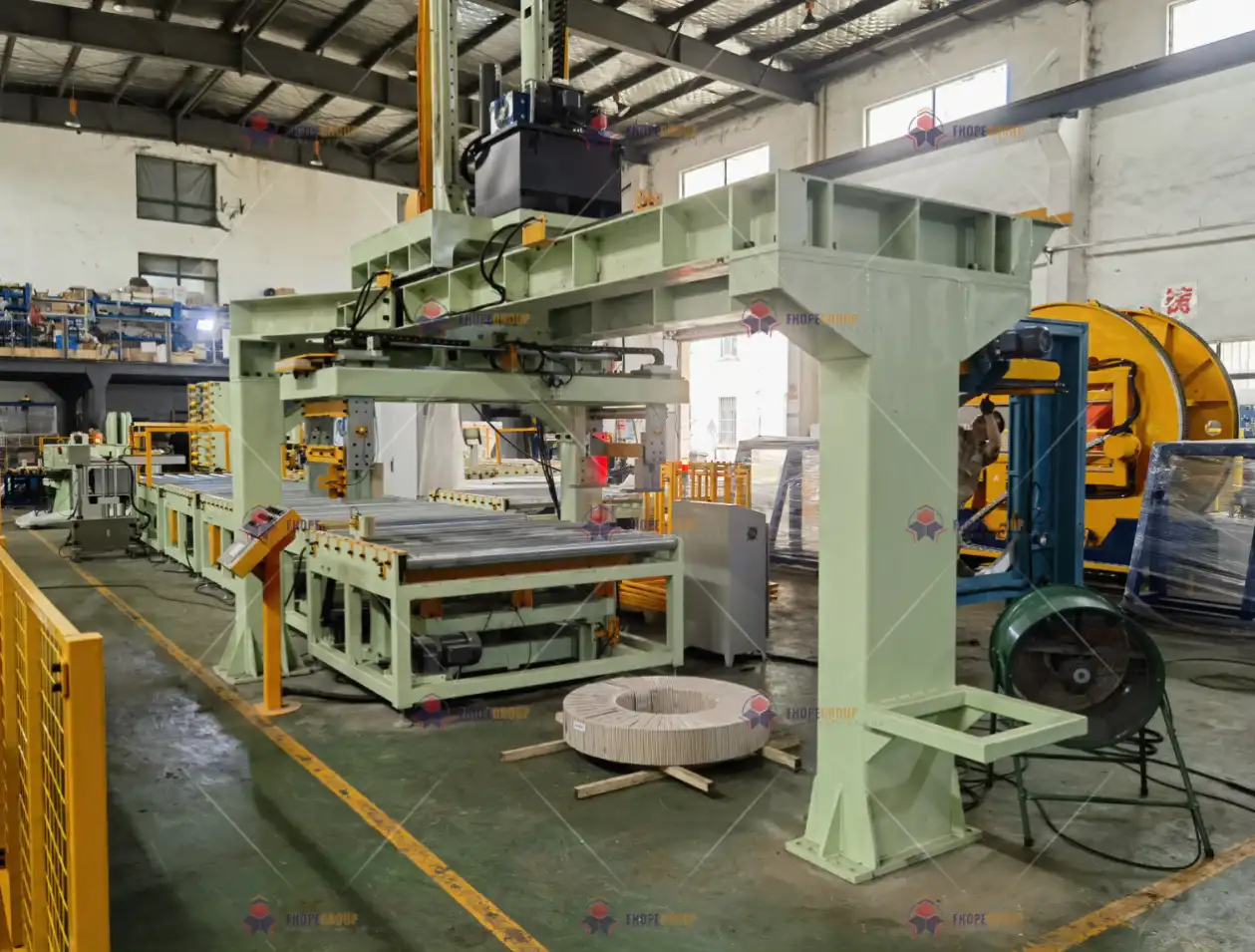
When I established FHOPEPACK, one of our core principles was to build machines that last. I have seen too many factories buy cheaper equipment only to face constant repair costs and production delays. I learned that paying a little more upfront for quality design and sturdy materials saves a lot of money and headaches in the long run. Michael’s concern about durability deeply resonates with my own experience and philosophy. He needs equipment that can handle the rigors of a metal processing plant, not something that folds under pressure. Durability in packaging machinery for steel coils is about more than just thick steel plates. It is a combination of engineering, material science, and design philosophy.
Core Elements of Durable Packaging Machinery
- Heavy-Duty Construction: This means using high-grade steel frames and components. These parts are specifically designed to handle the weight and forces involved in moving and wrapping heavy steel coils. Welds must be strong and precise. Structural integrity is paramount.
- High-Quality Components: All critical parts, like motors, bearings, gears, and electrical components, must be industrial grade. They should come from reputable manufacturers known for their reliability. Using robust components minimizes wear and tear. It extends the machine’s lifespan.
- Corrosion Resistance: Steel processing environments can be humid or dusty. They might expose machinery to corrosive substances. Machines built for this environment should have appropriate coatings or use materials resistant to corrosion. This protects internal mechanisms and ensures long-term operation.
- Modular Design for Maintenance: While durability reduces breakdowns, maintenance is still needed. Machines with modular designs make maintenance easier and faster. Parts can be replaced efficiently. This reduces downtime when repairs are needed.
- Protection Against External Factors: This includes shielding sensitive electronic components from dust and debris. It also involves designing features that can withstand impacts common in a busy factory setting. Good cable management and protection for pneumatic lines are also crucial.
Why Durability Matters in the Canadian Context
| Factor | Challenge in Canadian Factories | How Durability Helps |
|---|---|---|
| Heavy Loads | Steel coils are extremely heavy, requiring strong, stable machinery. | Prevents structural fatigue, ensures stable operation. |
| Continuous Operation | Many factories run 24/7 shifts, demanding non-stop machine performance. | Reduces wear and tear, minimizes unexpected breakdowns. |
| Harsh Environment | Dust, temperature changes, and potential moisture affect equipment. | Protects internal parts, maintains performance over time. |
| Cost of Downtime | Any machine failure leads to significant production and financial losses. | Maximizes uptime, ensures reliable production schedules. |
| Long-term Investment | Factories seek equipment with a long operational life and good ROI. | Extends asset lifespan, improves return on initial investment. |
For Michael, who values reliability above all else, focusing on durability is key. It is not just about the upfront cost of the machine. It is about the total cost of ownership over its entire lifespan. A durable machine means fewer headaches, more consistent production, and a healthier bottom line. It builds trust in your operations and your suppliers.
My Insights: Navigating the Future of Packaging Investment
With all these new trends, deciding where to invest can feel overwhelming. How do you choose the right solutions that genuinely solve your factory’s specific problems? How do you avoid past disappointments with unreliable suppliers? Investing in the wrong technology or partnering with a vendor who only cares about the sale can set you back years. It wastes resources and erodes trust. You need a clear path forward, not more uncertainty. As someone who has built and run a successful packing machine factory, I want to share my unique insights to help you make smart, strategic investments in your packaging future.
My personal insights into steel coil and slit coil packaging investment focus on a holistic approach. It is not just about buying a machine. It is about finding a true partner who understands your challenges. It is about prioritizing safety, efficiency, and long-term reliability. We must seek solutions with clear ROI. This approach ensures your investment directly supports business growth.
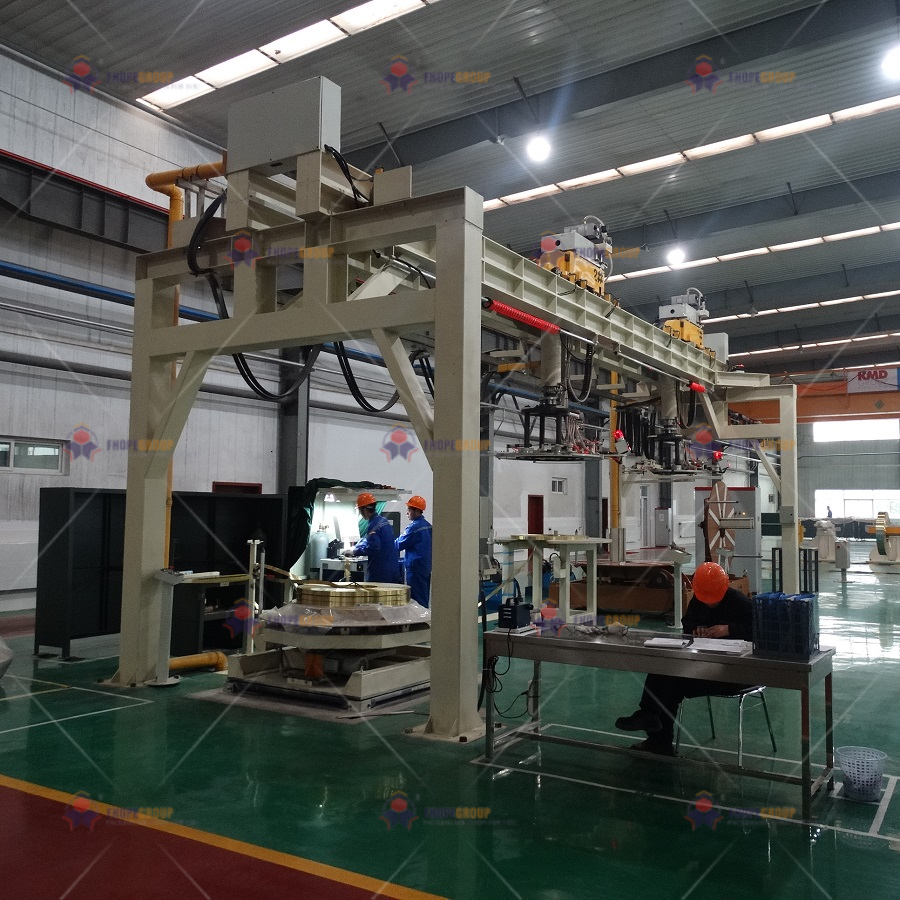
My journey in the packing machine industry started on the factory floor. I saw the struggles firsthand. Then, I built my own successful factory. This gave me a deep understanding of what factory managers like Michael truly need. I did not just sell machines. I helped clients grow their businesses by solving their real problems. This is why I am so passionate about sharing my knowledge now. I know the value of a trusted partner, someone who understands production bottlenecks, safety concerns, and the need for a clear return on investment.
My Core Principles for Smart Packaging Investment
- Understand Your True Pain Points: Before looking at any machine, clearly define your biggest problems. Is it efficiency? Safety? Product damage? High labor costs? Michael, for example, is dealing with all these. A good supplier will listen closely to these specific issues. They will not just try to sell you their most expensive model. They should offer solutions tailored to your factory’s unique challenges.
- Seek Proven Reliability and Durability: Do not compromise on the quality of equipment. Look for machines built to last, especially in demanding environments like metal processing. Check the materials used, the engineering design, and the quality of components. Ask for references from other factories with similar operations. Remember, the cheapest option upfront often costs the most in downtime and repairs later.
- Prioritize Safety First: Any new equipment must significantly improve workplace safety. This means reducing manual handling of heavy items. It means incorporating advanced guarding and sensor technologies. A machine that boosts production but compromises safety is a liability, not an asset.
- Demand Clear ROI: Every investment should have a clear, measurable return. Ask your potential supplier for detailed ROI calculations. How much will you save in labor? How much will product damage decrease? How much will production speed up? These are the numbers that matter to your bottom line. My goal is always to provide solutions where the ROI is not just positive but transformative.
- Look for a True Partnership, Not Just a Sale: This is perhaps the most important point. You need a supplier who understands your industry, your specific production processes, and your long-term goals. They should offer comprehensive after-sales support, parts availability, and expert advice. Like Michael, you want a partner who can provide professional insights and reliable solutions, not just sell you a box. This is why FHOPEPACK is committed to knowledge-sharing. We want to empower you with understanding, not just equipment.
- Consider Scalability and Future-Proofing: Think about your factory’s growth plans. Can the new packaging line be integrated with future automation? Can it adapt to changes in product size or type? Investing in adaptable solutions ensures your equipment remains valuable for years to come.
My experience has taught me that true success comes from a combination of robust technology and strategic thinking. By applying these principles, you can make informed decisions. You can choose packaging solutions that not only address your current challenges but also drive your factory’s growth and secure its future in Canada’s competitive market.
Conclusion
Embracing automation, advanced safety, data-driven insights, and durable equipment is key. These trends redefine steel coil packaging in Canada, boosting efficiency, safety, and profitability.








