
Are American Steel Mills Ready for Predictive Maintenance on Their Steel Coil Packing Lines?
The hum of machinery in an American steel mill is a powerful sound. It means production. It means business. But what happens when that hum stops? What happens when a crucial packing line unexpectedly breaks down? The answers are simple: lost production, wasted time, and money flowing out the door. These problems are not just about fixing a machine. They are about lost orders, unhappy customers, and pressure on managers like Michael, who has to keep everything running smoothly.
American steel mills are not just ready for predictive maintenance; they increasingly need it to stay competitive. This advanced approach moves beyond fixing machines when they break. Instead, it uses data to predict failures before they happen, ensuring continuous operation, cutting costs, and making the workplace safer for everyone involved in heavy steel coil packing.
We all know the challenges in heavy industry are tough. But ignoring new solutions can be even tougher. As we explore the world of predictive maintenance, you will see how it can truly change your operations. This is not just about technology. It is about building a smarter, more reliable future for your packing lines. Let us look closer at what this means for you.
Why Are American Steel Mills Hesitant to Adopt New Technologies?
Imagine you have been doing something a certain way for twenty years. It works, mostly. Then someone comes along and says there is a new, better way. This can feel unsettling. This is often how American steel mills approach new technologies. They have deep-rooted methods that have worked for a long time.
Steel mills often hesitate to adopt new technologies because of high upfront costs, a lack of clear return on investment, and past negative experiences with technology vendors who did not deliver what they promised. They are careful about anything that might disrupt their current, albeit imperfect, production flow.

It is true that change is not always easy. In the steel industry, tradition holds a strong place. This is especially true when it comes to adopting new technologies like predictive maintenance for packing lines. Many decision-makers have seen the industry evolve slowly. They often rely on proven methods that have been in place for decades. This reliance on the old ways can be a barrier. It makes them careful about investing in something they do not fully understand. They worry about the time it takes to implement new systems. They also worry about the potential for errors. Such errors could cause even more downtime.
Another big reason for hesitation is the perceived high cost. Installing new sensors, software, and training staff for predictive maintenance seems like a large investment. Managers need to see a clear return on this investment. They need to know it will truly save them money in the long run. They need a solid business case. Without it, the budget approval for such projects is very difficult. This is especially true when existing equipment still works, even if it is not perfect. The “if it ain’t broke, don’t fix it” mindset often applies.
Then there is the problem of trust. Many mills, like Michael’s factory, have dealt with equipment suppliers who just wanted to make a sale. These suppliers often provided poor after-sales service. Or their solutions did not live up to expectations. This creates a crisis of trust. It makes managers very cautious when considering new partners. They want a supplier who understands their real problems. They want someone who can offer reliable, long-term support. They do not want another short-term fix that leads to more problems later. My own journey building a packing machine factory taught me that trust is everything. I have seen companies fail because they could not find reliable partners. This is why I focus on sharing knowledge and building strong relationships. I believe in giving back to the industry that helped me succeed.
Can Predictive Maintenance Truly Boost Packing Line Efficiency and Safety?
Think about a busy packing line. Coils of steel move along, getting wrapped and strapped. Then, suddenly, a machine grinds to a halt. The whole line stops. Workers stand idle. This is a common scene in many factories. It means big losses. It also means safety risks when workers rush to fix things.
Yes, predictive maintenance can truly boost packing line efficiency by preventing unexpected breakdowns and dramatically improve safety by reducing the need for dangerous manual interventions and reactive repairs. It shifts operations from reactive to proactive, ensuring smoother, safer workflows.
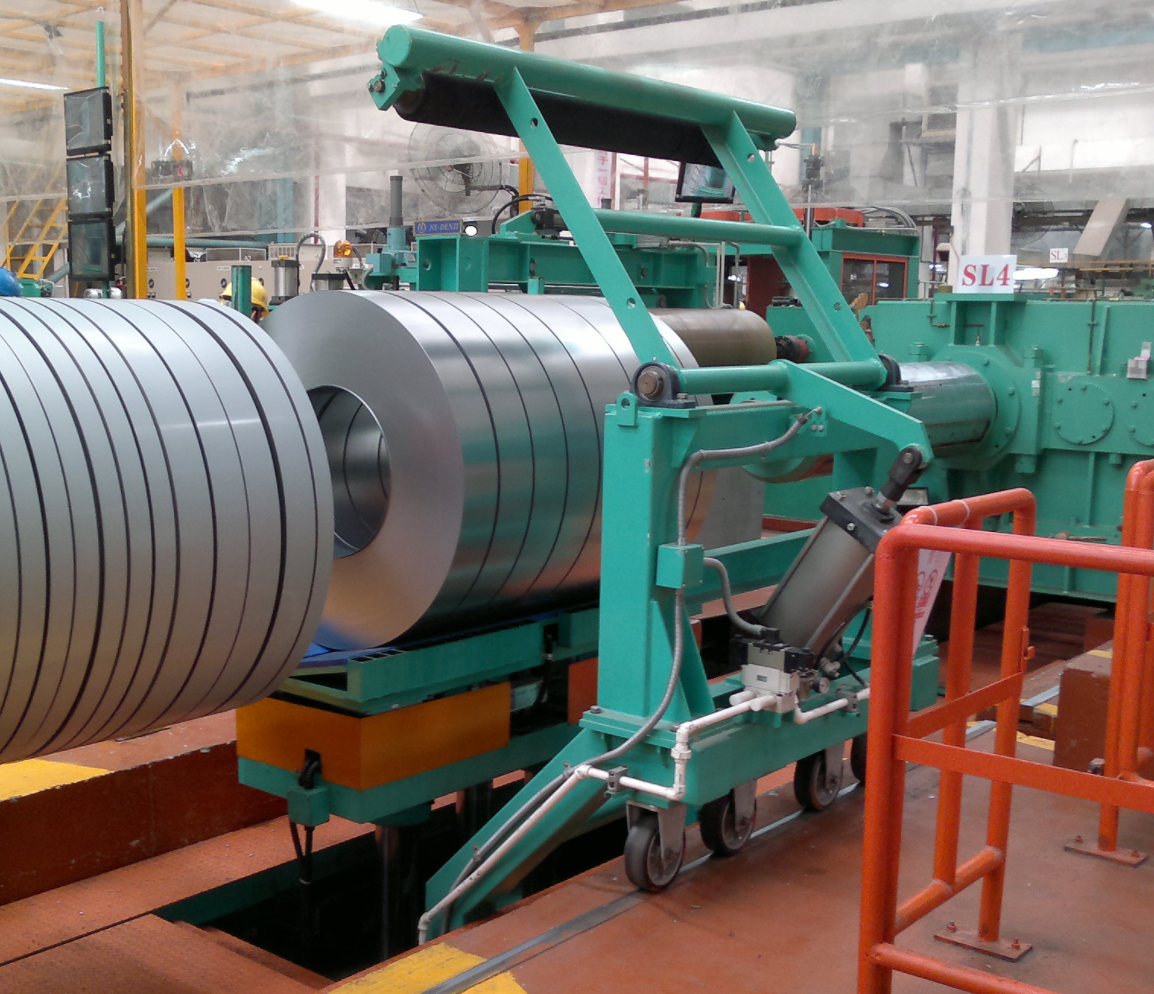
Predictive maintenance changes how factories operate. Instead of waiting for a machine to break, it uses data to predict when maintenance is needed. This means sensors on your steel coil wrapping machines or strapping lines collect information. They monitor vibration, temperature, and other signs of wear. Software then analyzes this data. It tells you exactly when a part might fail. This allows you to schedule maintenance before a problem happens. This prevents unexpected downtime. It keeps your production line running smoothly. This directly addresses Michael’s challenge of efficiency bottlenecks caused by manual and slow packing. It transforms the end of the production line into a highly efficient process.
This approach also makes your workplace much safer. In traditional settings, workers often handle heavy steel coils or wire bundles manually. They flip pallets or move things by hand. This creates high risks for injuries. It can lead to high insurance costs and employee turnover. Predictive maintenance reduces these risks. It minimizes the need for manual handling of heavy items. Automated packing machines, when supported by predictive maintenance, work more reliably. They need less human intervention for repairs or troubleshooting. For example, a machine that can warn you about a failing bearing means you can replace it during a planned shutdown. You do not have to rush a repair when the line is down unexpectedly. This keeps workers away from dangerous moving parts. It greatly improves overall worker safety.
My own experience in the packing machine industry showed me the dangers of inefficient and unsafe processes. I saw firsthand how much lost time and personal injuries cost companies. When I started my factory, I always focused on designing machines that were not just efficient but also safe. Implementing solutions that reduce manual heavy lifting was a top priority. Predictive maintenance is a natural extension of this. It takes that safety a step further. It helps to ensure the machines themselves operate at peak safety levels. It is not just about keeping machines running. It is about keeping people safe.
Is the Investment in Predictive Maintenance Worth the Cost for Heavy Industry?
Every factory manager faces a constant question: How do I improve operations without breaking the bank? New technology often comes with a significant price tag. This makes many leaders wonder if the financial commitment for something like predictive maintenance is truly justified. They need to see a clear financial benefit.
Yes, the investment in predictive maintenance is absolutely worth the cost for heavy industry. It provides a strong return on investment by significantly reducing unexpected downtime, cutting maintenance costs, decreasing product damage, and extending the lifespan of expensive equipment.
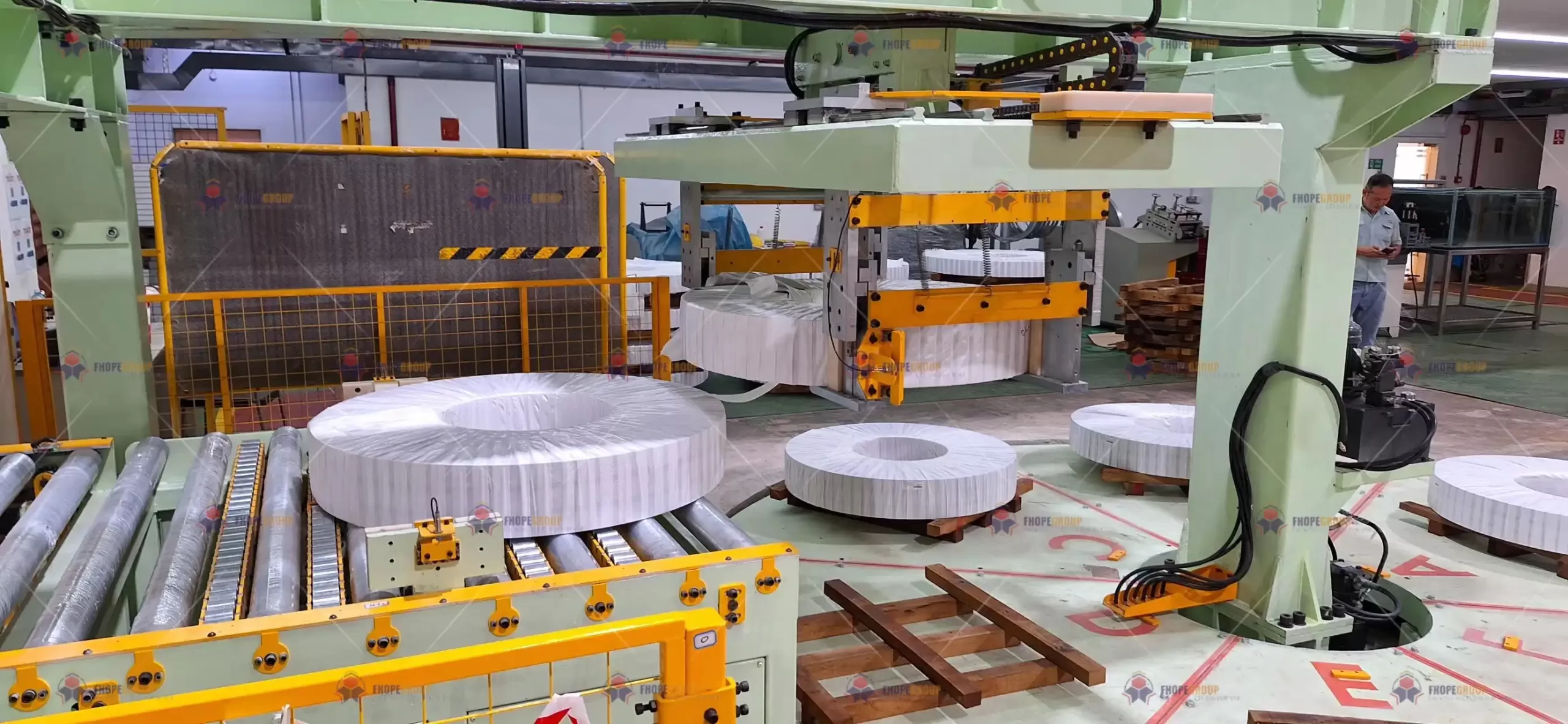
Investing in predictive maintenance might seem like a big expense at first. However, the benefits quickly add up. They lead to significant savings. One major benefit is the reduction in maintenance costs. Traditional reactive maintenance means emergency repairs. These repairs are often expensive. They involve rush orders for parts and overtime pay for technicians. Predictive maintenance eliminates these emergency situations. You can schedule repairs when parts are cheaper. You can also use regular working hours. This reduces labor and part costs. It also optimizes your spare parts inventory. You only order what you need, when you need it. This saves money on storage and prevents waste.
Another huge financial gain comes from increased production uptime. When machines break down unexpectedly, you lose production time. This means you produce fewer steel coils or wire bundles. It means lost revenue. Predictive maintenance prevents these stops. Your packing lines run almost continuously. This increases your overall output. It helps you meet customer deadlines more reliably. For a factory manager like Michael, who needs to boost output and control costs, this is a game-changer. More uptime means more products shipped. More products shipped means more money. It also means happier customers.
Furthermore, predictive maintenance extends the life of your expensive equipment. By addressing small issues before they become major failures, your machines last longer. This delays the need for costly replacements. This is a significant long-term saving. It means you get more value from your initial capital expenditure. It also helps reduce product loss. When machines are running optimally, there is less chance of product damage during packing or handling. Damaged steel coils or wire can lead to customer complaints and lost profit. Predictive maintenance helps reduce this, protecting your bottom line. My own clients, for whom I helped grow their businesses, always saw their biggest gains not just from increased output but from reducing waste and extending machine life. It always improved their profitability.
My Insight
My journey in the packing machine industry began as an employee. Then I built my own successful factory. This path taught me that true success comes not just from building good machines. It comes from understanding the real challenges faced by people on the factory floor, people like Michael Chen. He is not just looking for a machine. He is looking for a partner who understands his production bottlenecks, his safety hazards, and his efficiency problems. He wants someone who can provide professional insights and reliable solutions.
This is exactly why FHOPEPACK exists. We are a knowledge-sharing platform. Our goal is to make packing machine knowledge accessible to everyone. Predictive maintenance is not just a trend. It is a necessary step for American steel mills to thrive. It can solve many of Michael’s biggest headaches: improving efficiency, boosting safety, and cutting costs. But it needs the right partner to implement it. It needs a partner who understands the deep value of reliability and support. I have dedicated myself to giving back to this industry. I share my expertise to help others succeed. My advice is simple: look beyond the machine itself. Look for the partnership that comes with it.
Conclusion
American steel mills are indeed ready for predictive maintenance. It is a vital investment that boosts efficiency, enhances safety, and drives significant cost savings, ensuring a profitable future for your packing operations.








