
Which coil wrapping machine suits Canadian aluminum coil packaging requirements best?
Are you tired of packaging processes that slow down your entire production line? Do you worry about the safety of your team as they handle heavy aluminum coils? I know the feeling. From my time managing a factory, I have seen how inefficient or unsafe packaging can eat into profits and create constant headaches. It is a problem many factory managers face, especially with the unique demands of aluminum coils.
For Canadian aluminum coil packaging, the most suitable machines are typically heavy-duty orbital stretch wrappers or specialized horizontal stretch wrappers. These machines offer superior protection against environmental factors like moisture and cold, crucial for Canadian logistics. They also handle varied coil sizes with consistent tension, minimizing damage during transport and storage. The best choice depends on your specific coil dimensions, production volume, and the required level of automation.
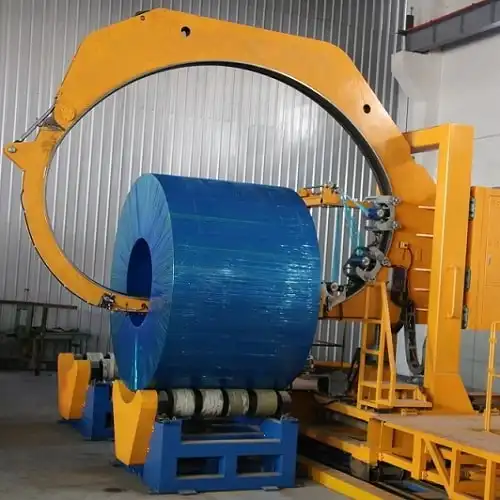
Transition Paragraph: Choosing the right coil wrapping machine is more than just buying equipment. It is about investing in your factory’s future, ensuring safety, and boosting efficiency. Let us dive deeper into what makes a machine truly suitable for Canadian aluminum coil packaging, drawing on my years of experience in the packing machine industry.
1. What unique challenges do Canadian aluminum coil operations face?
Running a factory, especially one dealing with metal products, comes with many pressures. Imagine trying to protect delicate aluminum coils from damage while ensuring they move quickly through your production line. On top of that, you have to consider the harsh Canadian environment. These factors create specific hurdles that demand careful planning for packaging.
Canadian aluminum coil operations face distinct challenges including extreme temperature variations, high humidity leading to corrosion risks, and long transportation distances. These conditions necessitate robust packaging that offers superior moisture and impact protection. The need for efficient, automated solutions is also high to counter labor shortages and maintain productivity in a demanding market.
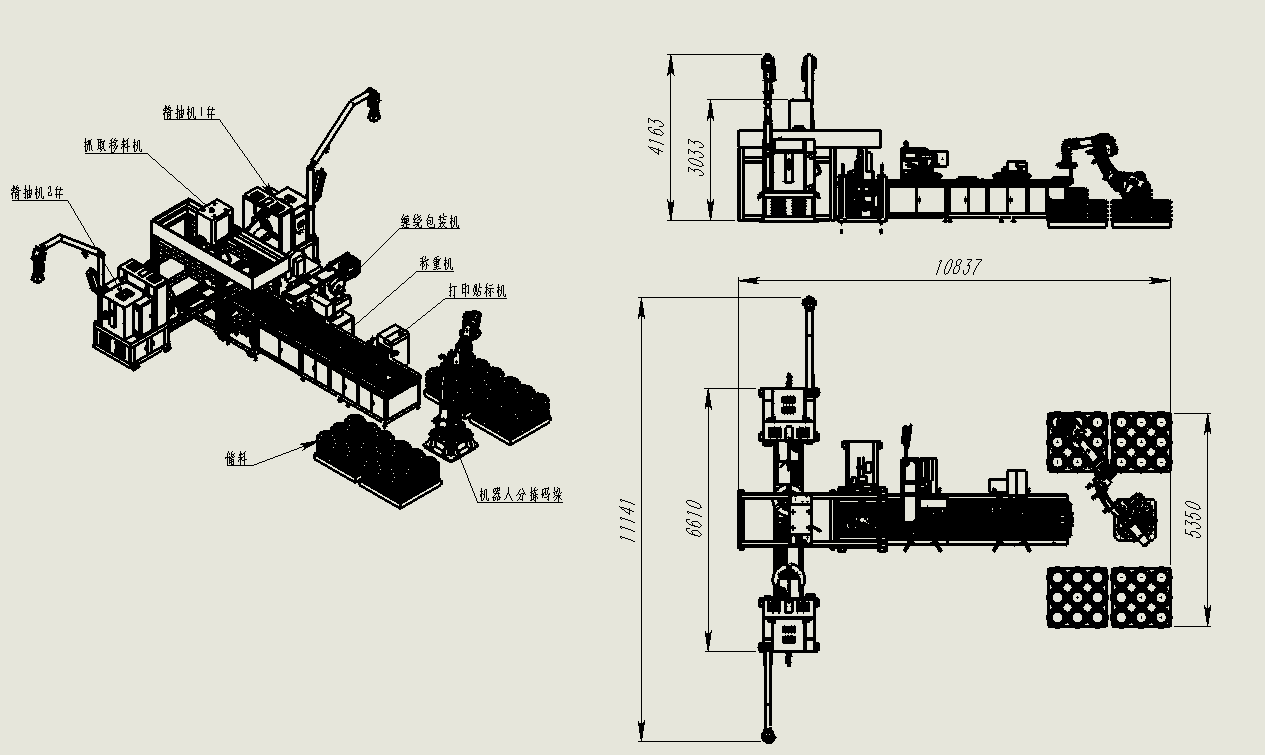
From my own experience running a packing machine factory, I learned that understanding the environment is key. Canada’s climate is not just cold; it is incredibly varied. Aluminum coils are susceptible to specific types of damage. This means your packaging strategy needs to be tough and smart. Let us break down these unique challenges.
1.1 Environmental Extremes and Material Vulnerability
Canada sees everything from intense cold to humid summers. This impacts aluminum. Aluminum is lightweight and corrosion-resistant to a point, but it can still suffer.
- Moisture Damage: Condensation inside packaging is a big problem. When coils move from a warm factory to a cold truck, then back to a warm warehouse, temperature changes happen. This causes moisture to form, leading to “white rust” or surface oxidation on the aluminum. This damages the coil’s quality. Proper packaging must create a tight, protective barrier.
- Impact Resistance: Heavy coils are moved by forklifts, cranes, and trucks. They travel long distances. Shocks and vibrations are constant. Aluminum edges can dent or deform easily. This kind of damage costs money. You get customer complaints. You lose profits. Your packaging must absorb these impacts. It needs to keep the coil stable.
1.2 Logistics and Supply Chain Demands
Canada is a vast country. Aluminum coils often travel thousands of kilometers. This puts extra strain on packaging.
- Long-Haul Transport: The longer the journey, the higher the risk of damage. Packaging needs to stay intact. It must protect the coil for weeks, not just days. Roads can be rough. Rail transport involves many stops and starts. This means packaging needs strong integrity.
- Storage Conditions: Coils might sit in outdoor yards or unheated warehouses. They face snow, rain, and fluctuating temperatures. The packaging must offer continuous protection. It needs to be durable against UV rays too, if exposed to sunlight.
1.3 Operational Efficiency and Safety Priorities
My experience taught me that manual labor for heavy items is slow and dangerous. It is a drain on your business.
- Labor Shortages: Finding skilled labor for heavy lifting jobs is tough in many regions. Automation becomes essential. It reduces reliance on manual workers for repetitive tasks. This keeps your production moving.
- Safety Concerns: Manually handling aluminum coils, which can weigh thousands of pounds, is extremely dangerous. Workers face risks of crushed limbs, back injuries, or worse. This leads to high insurance costs, lost workdays, and employee turnover. An automated system drastically reduces human interaction with heavy loads. It makes the workplace safer. This is not just good for your team; it is good for your bottom line. Investing in safety shows your employees you care. This builds a better work environment. It also prevents costly accidents and legal issues.
| Challenge Category | Specific Challenge | Impact on Aluminum Coils | Packaging Solution Needed |
|---|---|---|---|
| Environmental | Temperature Swings | Condensation, white rust | Moisture-barrier films |
| Humidity | Surface oxidation | Airtight seals, rust inhibitors | |
| Physical | Rough Handling | Dents, deformation, edge damage | Strong films, edge protection |
| Long Transport | Package failure | Durable, tear-resistant wrap | |
| Operational | Manual Labor | Slow, unsafe, inconsistent | Automated, consistent wrap |
| Downtime | Production loss | Reliable machine, less manual intervention |
These challenges clearly show why a generic packaging machine will not work. You need a solution designed for resilience and precision.
2. What types of coil wrapping machines exist for aluminum, and how do they work?
leading paragraph: Walking through a factory, you quickly see that not all machines are the same. When it comes to wrapping coils, there are different approaches. Each machine has a specific job and way of working. Choosing the right one means knowing what each type offers. This knowledge helps you pick the best fit for your aluminum coils.
snippet paragraph:For aluminum coils, the main types of wrapping machines are orbital stretch wrappers, vertical stretch wrappers, and horizontal stretch wrappers. Orbital wrappers are most common for heavy coils, wrapping horizontally around the coil’s circumference. Vertical wrappers handle coils stood on end, while horizontal wrappers wrap along the coil’s outer diameter. Each type uses stretch film to provide protective layers, but their operational mechanics differ based on how the coil is presented to the wrapping ring.
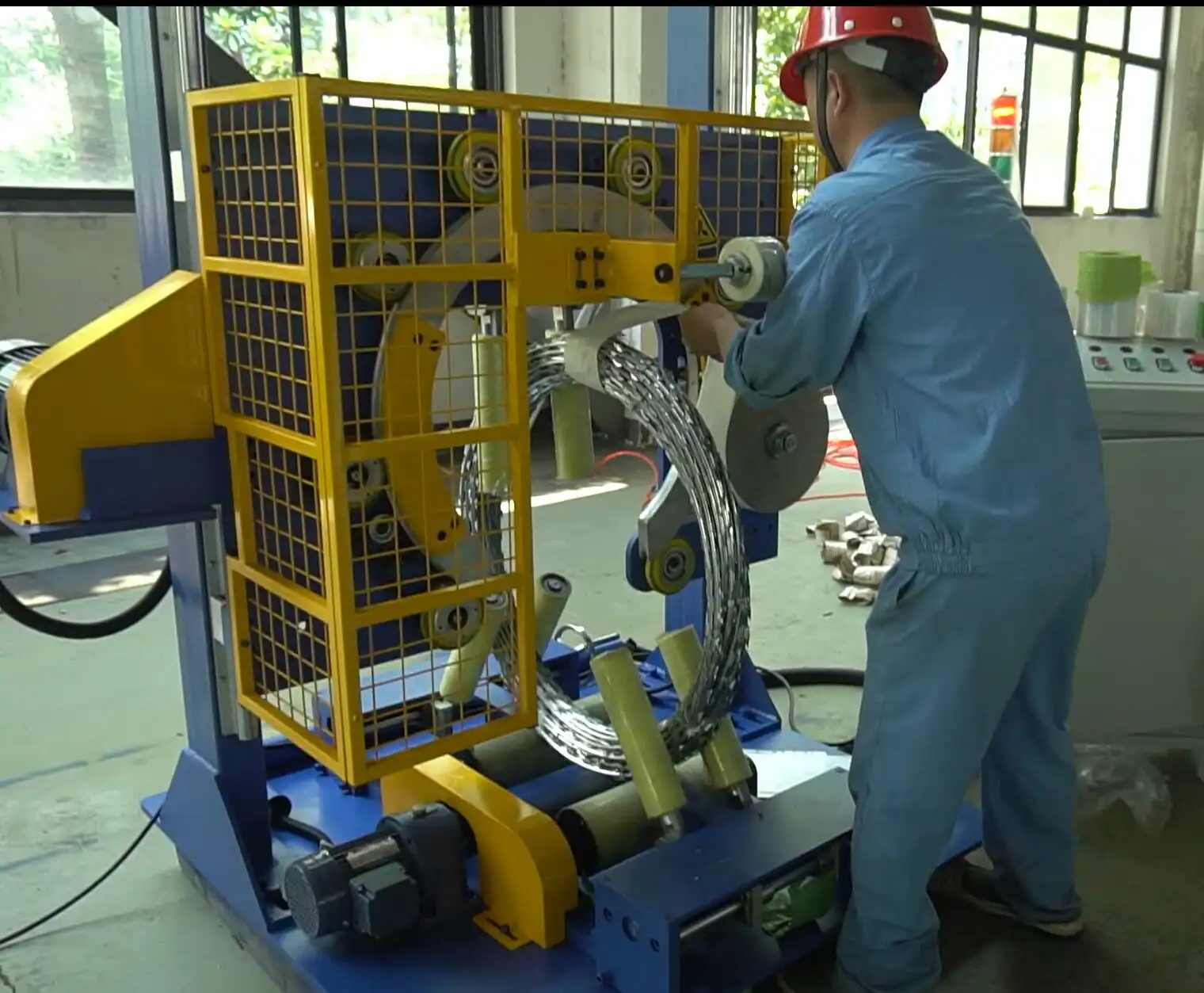
Dive deeper Paragraph: I have seen many factories struggle because they picked the wrong machine. It is like using a hammer when you need a screwdriver. Each wrapping machine type has its strengths. You need to match the machine to your product and process. For aluminum coils, the goal is always maximum protection with maximum efficiency. Let me explain the key types.
2.1 Orbital Stretch Wrapping Machines
This is often the go-to for many metal coil industries. I have designed and installed many of these myself.
- How it works: The coil sits on a conveyor or roller system. A rotating arm (the “orbital ring”) moves a roll of stretch film around the coil. It applies the film evenly. This creates a tight, protective layer. The film wraps horizontally around the coil’s outer diameter and through its eye.
- Advantages for aluminum:
- Excellent Protection: It wraps the coil’s entire surface, including the eye. This provides 360-degree protection. It is very effective against dust, moisture, and minor impacts.
- Versatility: These machines can handle a wide range of coil sizes and weights. This is useful for different aluminum products.
- Automation Potential: Easily integrated into existing production lines. It can work with automatic loading and unloading systems. This greatly boosts efficiency.
- Considerations: Requires sufficient floor space for the orbital ring.








