
How coil wrapping machine in Canada improves dust and moisture protection for copper?
Copper manufacturers in Canada face a tough challenge. They deal with sensitive materials that can easily get damaged. Dust, moisture, and rough handling often cause serious problems. These issues lead to product loss, unhappy customers, and lost profits. If you are struggling with these issues, you are not alone. Many businesses feel this pressure every day.
A coil wrapping machine in Canada significantly improves dust and moisture protection for copper by creating a tight, multi-layered barrier around the coil. This process seals the copper, keeping environmental contaminants and humidity out. This means less corrosion, fewer surface defects, and a higher quality product for customers, even in harsh Canadian climates.
As a packing machine engineer, I have seen firsthand the impact of proper packaging. It changes everything. It is not just about wrapping a product. It is about protecting your investment and reputation. Let us explore how coil wrapping machines can solve these critical problems for Canadian copper businesses.
1. Why is dust and moisture such a big problem for copper coils in Canada?
Are your copper coils losing their shine before they even leave the factory? Do you constantly worry about rust or damage during storage and transit? These issues are more common than you think. They cost businesses a lot of money every year.
Dust and moisture are major problems for copper coils in Canada because copper reacts easily with oxygen and water, leading to oxidation and corrosion. The cold, humid Canadian climate, along with dusty manufacturing environments, creates ideal conditions for these damaging reactions. This reduces product quality and value.
Copper is a valuable metal. It has many uses. But it is also very reactive. When copper meets dust and moisture, bad things happen. This is especially true in Canada. Canada has varied weather. It can be cold and wet. This makes good protection essential. My experience has shown me that understanding these threats is the first step.
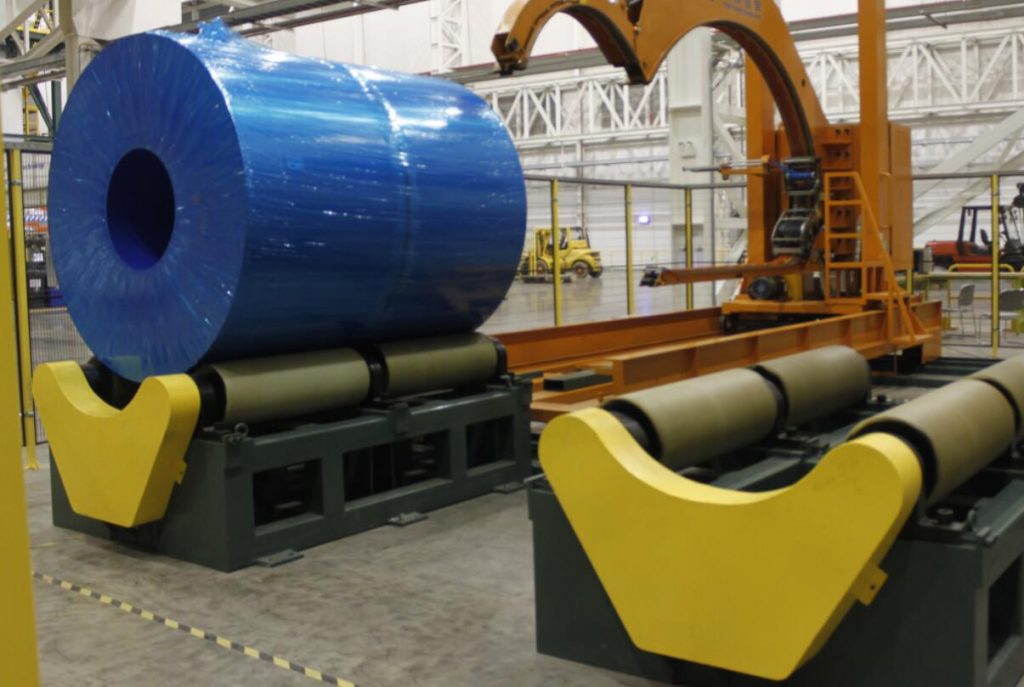
1.1 The Science of Copper Corrosion in High-Humidity Environments
Copper reacts with elements in the air. This reaction creates new compounds. When water is present, the process speeds up. In humid conditions, a thin film of water forms on the copper surface. This film acts as an electrolyte. It lets chemical reactions happen faster. Oxygen from the air then combines with copper ions in the presence of water. This leads to the formation of copper oxides. These are often green or black. They spoil the look of the copper. They also reduce its conductivity. This is a big problem for electrical applications.
1.2 The Impact of Dust and Airborne Contaminants
Dust might seem harmless. But it is not. Dust particles often contain corrosive substances. These can be salts, acids, or metal flakes. When dust settles on copper, it traps moisture. This creates small, localized corrosion cells. These cells accelerate damage. For example, if a tiny iron particle lands on a copper coil, it can cause galvanic corrosion. This is where two different metals react. The faster metal corrodes. This leads to pitting and discoloration. In a busy factory, dust is everywhere. It comes from grinding, welding, and general movement. Keeping coils clean is almost impossible without proper wrapping. This makes robust packaging critical.
1.3 Canadian Climate Factors Accelerating Damage
Canada’s climate adds another layer of complexity. Many regions experience high humidity. This is true near coasts or large bodies of water. Temperature fluctuations are also common. These changes cause condensation. Warm, moist air cools down and releases water droplets. This happens inside warehouses or during transit. If coils are not sealed, they collect this moisture. Winter conditions bring freezing temperatures. Moisture can freeze, expand, and then thaw. This process can stress packaging and expose copper. Even storage in what seems like a dry warehouse can be risky. Air currents carry moisture and dust. My time in the industry has taught me that you cannot leave protection to chance. You must proactively guard against these environmental factors. For example, I remember a client who shipped copper coils from Vancouver. They thought their standard wrapping was enough. But the coils arrived in Toronto with significant surface oxidation. The humidity during transit was just too much for their old method. This showed them that a better solution was needed.
2. How does a coil wrapping machine actually protect copper from environmental threats?
Are you still using old, slow methods to wrap your copper coils? Are you tired of worrying about your products getting damaged during shipping? Many factories face these exact issues. They lose time and money. They also lose customer trust.
A coil wrapping machine protects copper by applying multiple layers of stretch film or other specialized materials in a tight, overlapping pattern. This creates a strong barrier against dust and moisture. The machine’s consistent tension and coverage ensure no gaps remain, effectively sealing the coil from the outside environment and securing it for transit.
These machines are not just simple wrappers. They are precision tools. They are designed for industrial use. They give consistent, high-quality protection. This is hard to achieve with hand wrapping. They make sure every coil is safe. My early days in a packing machine factory showed me how much difference automation makes.
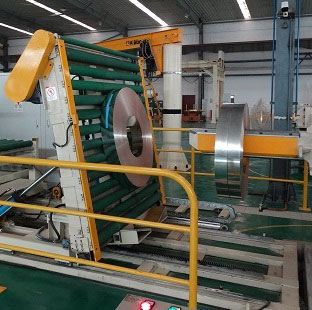
2.1 The Mechanics of Automated Coil Wrapping
Automated coil wrapping machines work with a simple but effective principle. They rotate the coil. At the same time, a film dispenser moves around the coil. This motion applies wrapping material in a spiral pattern. The machine uses a ring structure. The coil passes through the center of this ring. The film carriage is mounted on the ring. It spins around the coil. This creates an even, overlapping wrap. The tension of the film is crucial. Machines control this tension precisely. This ensures the wrap is tight. It also prevents the film from tearing. This consistent tension pulls the layers together. It forms a compact, protective shell. Different machine models can wrap coils on their side or standing up. This depends on the coil’s size and the factory layout. The goal is always the same: complete coverage.
2.2 Material Selection for Superior Protection
Choosing the right wrapping material is as important as the machine itself. For copper, specialized films are often used. These films have properties that enhance protection.
- Stretch Film: This is the most common. It is strong and flexible. It conforms to the coil shape. It holds the layers tightly together.
- VCI Film (Volatile Corrosion Inhibitor): This film releases chemicals. These chemicals create a protective vapor. This vapor forms a thin layer on the copper surface. It prevents corrosion. This is very useful in high-humidity areas like Canada.
- Rust Inhibitor Paper: Sometimes, a layer of VCI paper is added before wrapping with film. This gives extra protection.
- Woven Fabric: For heavy-duty protection, a woven material can be used as an outer layer. This adds puncture resistance. The machine applies these materials in layers. The inner layers provide corrosion resistance. The outer layers offer physical protection and a moisture barrier. This multi-layered approach is key. It handles various environmental threats. I always advise my clients to consider their specific shipping conditions. This helps them pick the best film.
2.3 Eliminating Manual Error and Enhancing Consistency
Manual wrapping is slow and inconsistent. Workers get tired. Their wrapping quality can vary. This leaves gaps. These gaps let in dust and moisture. An automated machine removes human error. It wraps every coil the same way. The film overlap is consistent. The tension is uniform. This means every coil gets the same high level of protection. This also improves safety. Workers do not need to lift heavy coils to wrap them. They just operate the machine. This reduces injuries. It also speeds up the entire packing process. I have helped many factories switch from manual to automated wrapping. They always see better product quality. They also see fewer complaints from customers. It is a win-win situation. This consistency is vital for maintaining product integrity. It is especially important when shipping valuable materials like copper across long distances in changing environments.
3. What specific features of modern coil wrapping machines boost protection and efficiency?
Is your current packing setup holding you back? Are you looking for ways to pack faster, safer, and with less waste? Modern coil wrapping machines offer powerful solutions. They are designed for today’s demanding production lines.
Modern coil wrapping machines boost protection and efficiency with advanced features like automatic film cutting and clamping, powered pre-stretch units, and customizable wrapping programs. These innovations reduce material waste, increase wrapping speed, ensure consistent tension, and provide superior, tailored dust and moisture protection for copper coils.
These machines are not just about speed. They are about smart wrapping. They use technology to make packaging better. They also reduce operational costs. From my perspective, these features are essential for any factory looking to stay competitive. They provide a clear return on investment.

3.1 Advanced Film Delivery Systems
Modern machines use sophisticated film delivery systems. These systems are key for protection and efficiency.
- Powered Pre-stretch Units: This is a major feature. It stretches the film before it applies to the coil. This can stretch film by 200% or even 300%. This means you use less film for the same wrap. This saves a lot of money on material costs. It also makes the wrap tighter. A tighter wrap means better dust and moisture protection.
- Automatic Film Cutting and Clamping: Manual film cutting wastes time. It can also be unsafe. Modern machines cut and clamp the film automatically. This happens at the start and end of each wrap cycle. This speeds up the process. It also ensures a clean, consistent finish. No loose ends.
- Adjustable Tension Control: Different coils need different tension. A good machine lets you adjust the film tension. This ensures the right level of tightness. Too little tension means a loose wrap. Too much tension can damage the coil or break the film. Precision control is essential.
3.2 Enhanced Safety and Automation Features
Safety is always a top concern. Automation helps here. It keeps workers away from moving parts.
- Automatic Coil Centering: Large coils are heavy. Aligning them manually is difficult and dangerous. Modern machines can automatically center the coil. This makes loading easier and safer. It also ensures an even wrap around the entire coil.
- Safety Guards and Sensors: Machines come with safety covers. They also have emergency stop buttons. Light curtains and safety sensors detect if a person enters the work area. This stops the machine immediately. This prevents accidents.
- Integrated Conveyor Systems: For high-volume factories, machines link to conveyor lines. Coils move in and out of the wrapper automatically. This reduces manual handling. It speeds up the entire production flow. It is a big step towards a fully automated factory. My journey in the packing machine industry has shown me that safety features are not optional. They are critical.
3.3 Customization and Program Memory
Every factory is different. Every product might need a unique wrap.
- Multiple Wrapping Programs: Machines can store different wrapping settings. For example, a heavy copper coil might need 5 layers. A lighter one might need 3. You can program these settings. Operators can select them easily. This saves time. It ensures the right wrap for each product.
- Overlap Adjustment: You can adjust how much each layer of film overlaps the last one. More overlap means more protection. Less overlap saves film. This flexibility is vital.
- Control Panel with HMI: Modern Human-Machine Interface (HMI) screens are intuitive. They make it easy to control the machine. Operators can see machine status. They can change settings with a touch. This reduces training time. It also makes troubleshooting easier. These features let factories tailor their packaging. They get optimal protection and cost efficiency.
4. How can Canadian manufacturers choose the best coil wrapping solution for long-term value?
Are you thinking about investing in a new coil wrapping machine? Are you worried about making the wrong choice? This is a big decision. It impacts your factory for years. It is about more than just buying a machine. It is about finding the right partner.
Canadian manufacturers can choose the best coil wrapping solution for long-term value by carefully assessing their specific needs, focusing on machine reliability and durability, evaluating the supplier’s after-sales support, and calculating the total cost of ownership (TCO) including ROI. Partnering with experienced experts like me helps ensure a wise investment.
Making this investment needs careful thought. You need a machine that works for your specific challenges. You also need a supplier you can trust. I have helped many clients navigate this path. My goal is to make sure your investment pays off.
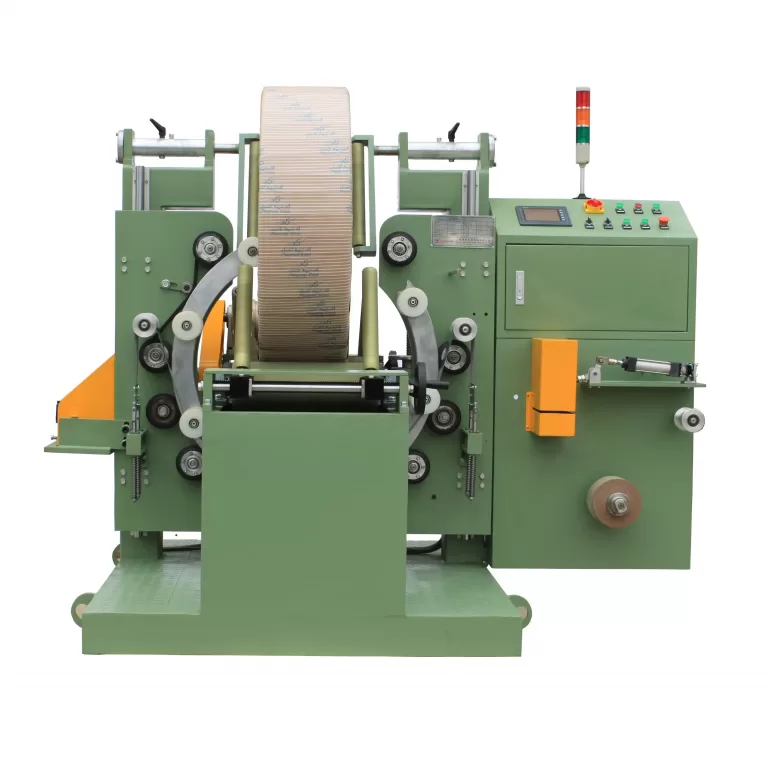
4.1 Assessing Your Specific Operational Needs
Before looking at machines, look at your factory. What do you need?
- Coil Dimensions and Weight: What is the smallest coil you wrap? What is the largest and heaviest? The machine must handle your full range of products. A machine too small will not work. A machine too big might be inefficient.
- Production Volume: How many coils do you wrap per day or hour? This tells you what speed you need. High volume needs faster machines. Lower volume might allow for a simpler model.
- Space Constraints: How much floor space do you have for the machine? Coil wrappers can be large. Make sure it fits in your layout. Consider where the coils will be loaded and unloaded.
- Integration with Existing Lines: Do you need the machine to connect to conveyors or other equipment? Some machines integrate better than others. Plan for a smooth workflow. This detailed assessment helps narrow down your choices. It ensures the machine fits your operations perfectly. I always advise clients to map out their entire packing process first.
4.2 Evaluating Machine Reliability and Durability
A cheap machine that breaks down often is not cheap in the long run. Michael Chen, like many factory managers, knows downtime is costly.
- Build Quality: Look for machines made from high-quality materials. Stainless steel components resist corrosion. Robust frames reduce vibration. These machines last longer.
- Component Brands: Ask about the brands of internal components. Are they from reputable manufacturers? Good parts mean fewer breakdowns. For example, reliable motors, PLCs, and sensors are crucial.
- Warranty and Certifications: A good warranty shows the manufacturer trusts their product. Look for certifications like CE or ISO. These show the machine meets safety and quality standards.
- Case Studies and References: Ask for examples of similar machines in use. Talk to other factory managers. Their experience is valuable. I always share my clients’ success stories because they prove the reliability of FHOPEPACK machines.
Durability means less maintenance. It means more uptime. This directly impacts your bottom line.
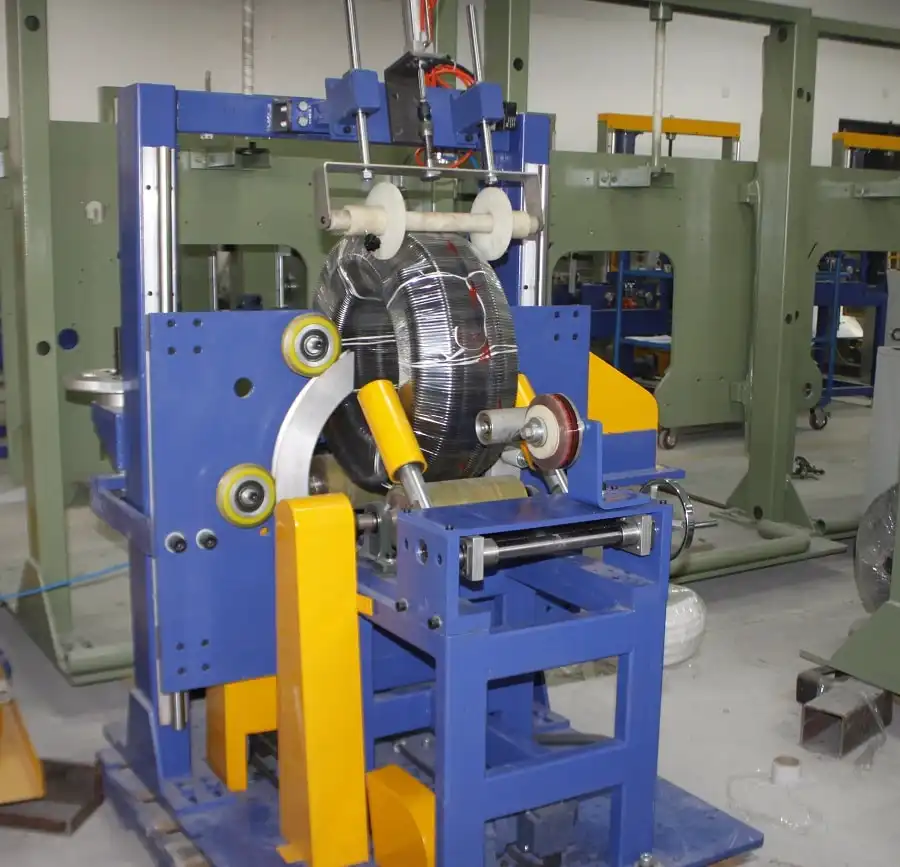
4.3 The Importance of After-Sales Support and Expertise
A machine is only as good as the support behind it. This is where many suppliers fail.
- Technical Support: Do they offer quick technical support? What about remote diagnostics? When your machine stops, you need help fast.
- Spare Parts Availability: Are spare parts readily available? Long waits for parts cause long downtime. Ask about their inventory.
- Installation and Training: Does the supplier offer professional installation? Do they train your staff? Proper setup and training prevent many problems later.
- Expert Consultation: Look for a partner, not just a seller. Someone like me, with years of factory experience, can offer insights beyond just the machine. I can help you optimize your whole packing process. I can share my experience from setting up my own successful packing machine factory. This kind of partnership builds long-term value. It helps you avoid costly mistakes.
4.4 Calculating Total Cost of Ownership (TCO) and ROI
Look beyond the purchase price.
- Initial Purchase Price: This is just one part.
- Installation Costs: Factor in setup, training, and integration.
- Operating Costs: Consider power consumption, film costs, and labor savings.
- Maintenance Costs: Estimate spare parts and service.
- Downtime Costs: This is the cost of lost production if the machine breaks.
- Product Damage Reduction: How much money will you save by reducing damaged coils? This is a huge gain.
- Labor Savings: How many fewer workers do you need for packing? This is a clear saving. Calculate your ROI. How quickly will the machine pay for itself? A good coil wrapping machine should show clear savings within a few years. It boosts efficiency and reduces waste. It directly increases your profitability.
Conclusion
Coil wrapping machines offer vital dust and moisture protection for copper in Canada. They boost efficiency, enhance safety, and cut costs. Choose wisely for long-term factory success.








