
Which coil strapping machine in Australia Meets AS/NZS Safety and Guarding Requirements?
Factories in Australia face a serious challenge. You need to package coils. But you also need to keep workers safe. Many machines on the market do not meet the strict safety rules here. This creates big risks. Think about fines. Think about worker injuries. This is a problem many factory managers, like Michael, deal with every day.
Australian factories need coil strapping machines built to AS/NZS 4024.1 standards. These machines must have specific safety guards, emergency stop buttons, and interlocks. They make sure the machine stops when a guard opens. This protects workers from moving parts. It helps you avoid accidents and meet legal rules.
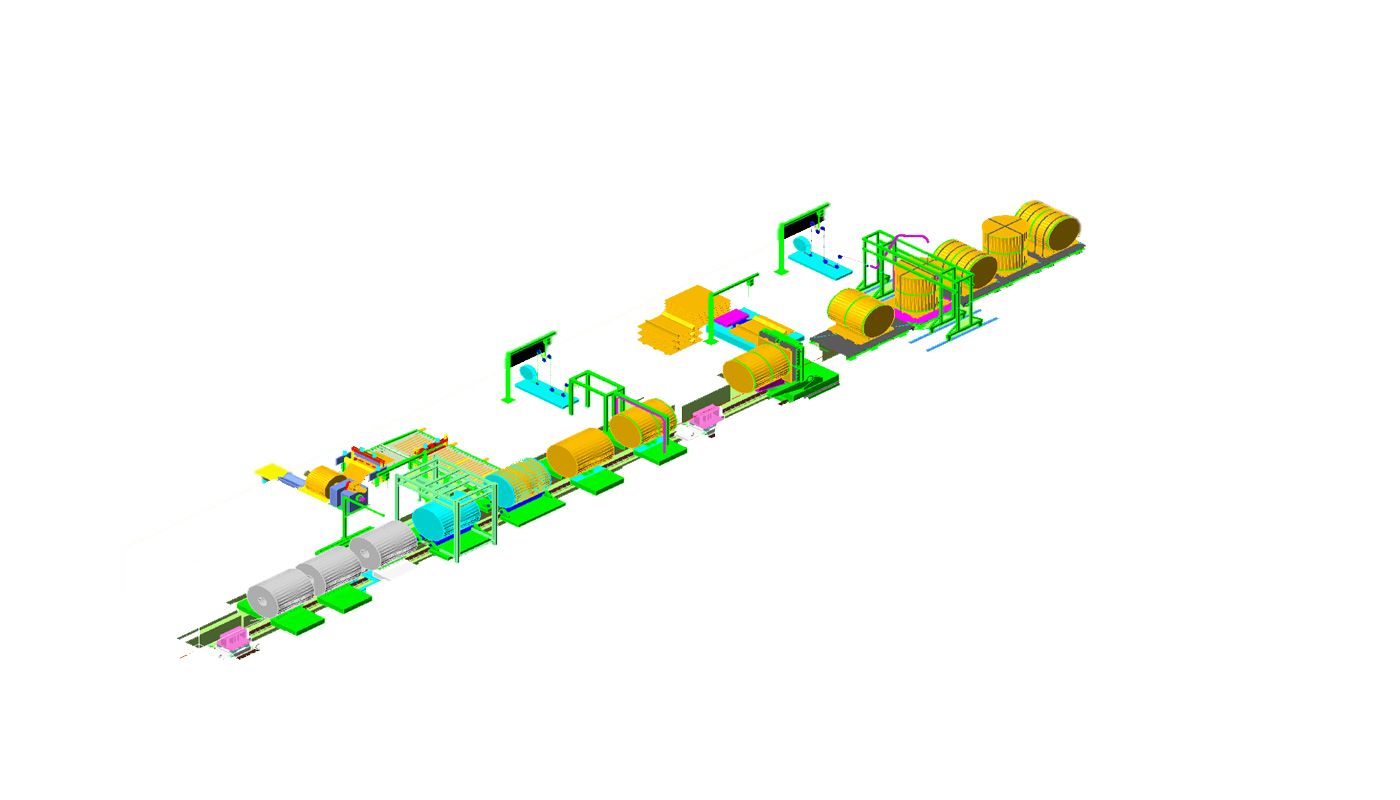
You know the pressure. You need to keep production high. You need to control costs. But safety is always first. How can you find the right equipment? How can you make sure it works well and keeps your people out of harm’s way? Let me share what I have learned over many years in this industry. I built my own packing machine factory. I saw these challenges firsthand.
Why is AS/NZS 4024.1 crucial for coil strapping machines?
Are you feeling the pressure to increase output? Do you worry about worker safety? Many factory floors have manual coil handling. This process is slow. It also puts workers in danger. This can lead to high insurance costs. It can also make good workers leave.
AS/NZS 4024.1 is important for coil strapping machines because it sets the rules for machinery safety. This standard helps factories protect workers from harm. It makes sure machines have the right guards and safety systems. Following this standard helps prevent accidents. It also helps avoid big fines from regulators.

This standard is not just about rules. It is about keeping people safe. It is also about your bottom line. When a machine meets AS/NZS 4024.1, it means it has gone through strict checks. It means the design stops injuries before they happen. For example, moving heavy coils by hand is risky. Workers can strain muscles. They can drop things. They can get crushed. Automated machines remove this risk. They handle the coils for you. This reduces the chance of injury a lot. The standard makes sure that even the automated parts are safe. For instance, the standard requires specific distances for safety fences. It requires that guards stay closed when the machine runs. It also demands clear warning signs.
The standard covers many areas.
- Risk Assessment: It says you must find all possible dangers. You must then rate how bad they are.
- Guard Design: It tells you how to build physical barriers. These barriers stop workers from touching moving parts. They must be strong. They must be hard to bypass.
- Emergency Stops: Every machine needs easy-to-reach stop buttons. These buttons must shut down the machine fast in an emergency.
- Interlocks: Guards need interlocks. This means the machine cannot start if a guard is open. The machine must also stop if a guard opens during operation.
- Safe Operating Procedures: The standard also means you need clear steps for workers to use the machine safely.
- Machine Controls: All controls must be easy to understand. They must be clearly marked.
Meeting these rules means your factory is safer. It means you protect your workers. It also protects your business from legal trouble. [PERSONAL STORY: Randal could share an anecdote about a factory he helped achieve compliance or a specific safety challenge he overcame in his own factory, highlighting a time when good design prevented an injury.] I once worked with a factory. They had many small injuries from their old strapping process. We put in a new machine that met the AS/NZS standards. Within months, their injury rate dropped to zero for that section. It made a huge difference.
What specific guarding features should you look for?
Are you losing sleep over potential accidents in your factory? Manual handling of heavy steel coils is not just inefficient. It is dangerous. Workers can get hurt. This impacts morale. It impacts your production schedule too.
When buying a coil strapping machine, look for these specific guarding features: fully enclosed safety cages around moving parts, light curtains or pressure mats near entry points, and interlocked access gates. Also, make sure it has clear emergency stop buttons. These features prevent workers from touching dangerous areas. They also stop the machine instantly if a worker gets too close.
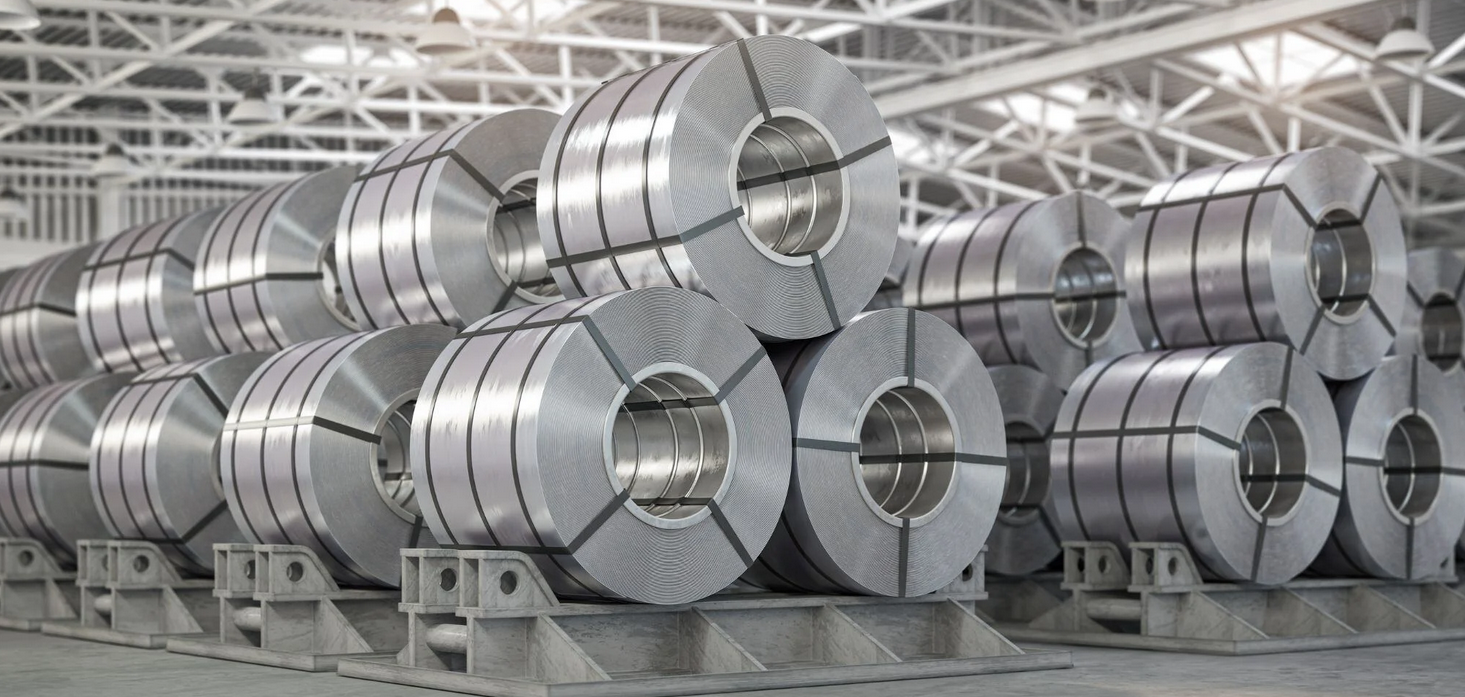
Good machine guarding does not stop your work. It makes work safer and more efficient. For a coil strapping machine, guards are not just metal fences. They are part of the machine’s core safety system. First, consider the physical barriers. These are strong, fixed guards. They completely cover areas where coils move or where the strapping head operates. These guards must be secure. You cannot easily remove them without tools. This stops workers from bypassing safety. Second, look for interlocked guards. These guards have sensors. The machine knows if the guard is open. If an interlocked gate opens, the machine stops immediately. It cannot restart until the gate is closed and locked again. This is very important around the strapping zone.
Think about the different ways a machine can hurt someone.
- Pinch Points: Places where two parts come together.
- Crush Zones: Areas where heavy objects can fall or move onto a person.
- Moving Parts: Any part that rotates or slides.
A good guarding system covers all these.
- Safety Fences and Enclosures: These surround the entire work cell. They keep unauthorized people out. They stop flying debris.
- Light Curtains: These create an invisible barrier. If a worker breaks the light beam, the machine stops. This is good for areas where coils enter or leave the strapping zone.
- Pressure Mats: These mats are on the floor. If someone steps on them, the machine stops. This is useful in loading or unloading areas.
- Two-Hand Control Systems: For some operations, you need to press two buttons at the same time. This makes sure your hands are away from danger.
- Clear Markings and Labels: The machine needs labels that show danger zones. It needs labels for emergency stops. It needs labels for controls.
When I started my factory, safety was my top priority. I always designed machines with these guards in mind. This way, my workers and my customers’ workers could go home safe every day. It means less downtime. It means more trust in your equipment. It means better overall production.
How does automation improve safety and efficiency?
Are your current coil packaging methods slow? Do they use too much human effort? This can slow down your whole production. It can also lead to more product damage during moving or packing. This means customer complaints. This means lost money.
Automation improves safety by taking workers away from dangerous tasks, like manual coil handling. Automated coil strapping machines reduce worker exposure to heavy loads and moving parts. This lowers the risk of injury significantly. Automation also boosts efficiency. It provides faster and more consistent strapping cycles. This frees up workers for other tasks.

Think about a typical factory floor. Manual processes for coil strapping involve workers directly handling heavy coils. They might use cranes or forklifts. They might use banding tools. This takes time. It also carries high risks. Workers can drop coils. They can get hit by moving equipment. They can strain their bodies. Automation changes this whole picture. With an automated machine, the coils move into place on conveyors. The machine senses them. Then, it applies the strap automatically. Workers simply monitor the process from a safe distance.
This shift helps in many ways.
- Reduced Manual Labor: Less lifting. Less pulling. Less pushing. This directly lowers the risk of sprains, strains, and crush injuries.
- Consistent Operation: Machines work the same way every time. They do not get tired. They do not make human errors. This means fewer mistakes in strapping. It means less product damage. It means straps are always tight and secure.
- Faster Throughput: Machines work much faster than people. They can strap many coils in an hour. This speeds up your end-of-line process. It helps you deliver products faster.
- Better Use of Workers: When machines do the strapping, your skilled workers can do other, more complex tasks. They can work on quality control. They can work on maintenance. They can work on machine setup. This makes your workforce more valuable.
- Data Collection: Many automated systems collect data. They track how many coils are strapped. They track cycle times. This data helps you find new ways to improve. It helps you monitor machine health.
From my experience, automation is not about replacing people. It is about making people safer and more productive. When I built my own factory, I invested in automated systems early. It gave us a big edge. Our workers were safer. Our production was faster. Our costs went down. It was a clear win for everyone. Michael, who wants to raise output and cut costs, would see huge benefits here.
How can I find a trustworthy supplier in Australia?
Have you worked with suppliers who only care about selling? Do they disappear after the sale? This can make you very careful about finding new partners. You need someone who understands your real factory problems. You need someone who gives good service.
Finding a trustworthy supplier for coil strapping machines in Australia means looking for a company with a strong track record. They need to show expertise in machinery safety standards like AS/NZS 4024.1. Look for suppliers who offer full after-sales support, installation services, and training. Also, check their reputation with other clients in your industry.
A good supplier is more than just a seller. They are a partner. They understand your challenges: efficiency bottlenecks, safety concerns, and the need for a good return on investment. Here are key things to check when looking for a supplier. First, experience and expertise. Does the supplier understand heavy-duty manufacturing? Do they know about coil handling? Do they have engineers who can talk your language? A supplier with deep industry knowledge can suggest the best machine for your specific needs. They can also help you avoid common mistakes.
Second, compliance and certifications. Make sure the supplier knows AS/NZS standards inside and out. Ask for proof that their machines meet these rules. This could be test reports or design documents. A supplier who cares about safety will be happy to share this. Third, after-sales support. This is very important. What happens if the machine breaks down? How fast can they send parts? Do they offer training for your staff? A good supplier will have a local presence or a strong support network in Australia. They will offer:
- Installation assistance: Help with setting up the machine.
- Training: Show your team how to use the machine safely and well.
- Maintenance: Help with regular checks to keep the machine running.
- Spare parts: Easy access to parts when you need them.
Finally, references and reputation. Ask the supplier for names of other clients. Talk to those clients. Ask them about their experience. Did the supplier deliver on promises? Was the support good? Did the machine perform as expected? This feedback is very valuable. When I started FHOPEPACK, I knew how important trust was. I wanted to be the partner who stayed with clients, even after the sale. I worked hard to build trust by providing good machines and real solutions. That is what Michael is looking for. He wants someone who can truly understand his production issues. He wants someone who can deliver solutions that last.
My Insights!!!!
I have spent my life in the packing machine industry. I started on the factory floor. Then I built my own successful factory. I learned a lot. I saw the struggles. I also saw how the right machine could change a business. My main insight is this: Do not just buy a machine. Invest in a solution.
Many people see a coil strapping machine as just a piece of metal. But it is much more. It is a tool. It can improve safety. It can boost efficiency. It can save you money in the long run. Michael worries about product damage during transfer. He worries about injuries from manual handling. He wants to end bottlenecks. He also wants a good return on his investment. All these things connect.
For example, when you use a non-compliant machine, you risk fines. You risk worker injuries. These costs add up. They eat into your profits. But a machine that meets AS/NZS standards protects you. It helps your business grow. Consider this:
| Feature Area | Problem (Without good machine) | Solution (With compliant machine) |
|---|---|---|
| Safety | High risk of worker injury | Workers operate from safe distance |
| Efficiency | Slow, manual strapping | Fast, consistent automated strapping |
| Product Damage | Coil edges get damaged often | Gentle, precise handling by machine |
| Trust with Supplier | Poor support after sale | Strong partnership, ongoing support |
| Cost | High labor, insurance, repair costs | Lower labor, fewer injuries, less waste |
This table shows a clear path. Investing in the right machine means investing in your people. It means investing in your future. It is about building a factory that is both safe and productive. I have seen many factories grow because they made smart choices about their equipment. They did not just buy the cheapest option. They bought the best solution. They partnered with someone who understood their business. This helped them achieve financial independence. It helped them grow their businesses too. That is why I share my knowledge now. I want others to succeed too.
Conclusion
Choosing the right coil strapping machine for Australia means focusing on AS/NZS safety and finding a trusted partner. This investment improves safety, boosts efficiency, and ensures long-term business growth.








