
Coil Strapping Machine: High-Quality, Cost-Effective Solutions for Factories in KSA?
Have you ever watched your production line, feeling the strain of slow, manual packaging? Do you worry about worker safety or the hidden costs of damaged products? Many factory managers in Saudi Arabia face these exact issues. You are not alone in seeking better ways to pack steel coils and wires.
Coil strapping machines offer high-quality, cost-effective solutions for factories in KSA by automating the packaging process. They increase efficiency, enhance worker safety, reduce product damage, and provide a clear return on investment. These machines are designed for the demanding environments of heavy industry, ensuring reliable and precise strapping of various coil types.

You want a solution that really works, not just another piece of equipment. You want a partner who understands your challenges and can help you reach your goals. I understand this deeply. My own journey in the packing machine industry taught me the true value of reliable solutions. Let me share how modern coil strapping machines can transform your KSA factory operations.
How Can KSA Factories Boost Output with Automation?
Are your current coil and wire packaging processes slowing down your entire production line? Is manual strapping creating a bottleneck at the end of your operations? Many factories struggle to keep up with demand because of inefficient, labor-intensive packaging methods.
KSA factories can boost output with automation by implementing advanced coil strapping machines. These machines integrate seamlessly into existing production lines, significantly increasing the speed and consistency of packaging. They remove the reliance on manual labor for strapping, allowing for a much faster throughput of finished goods.
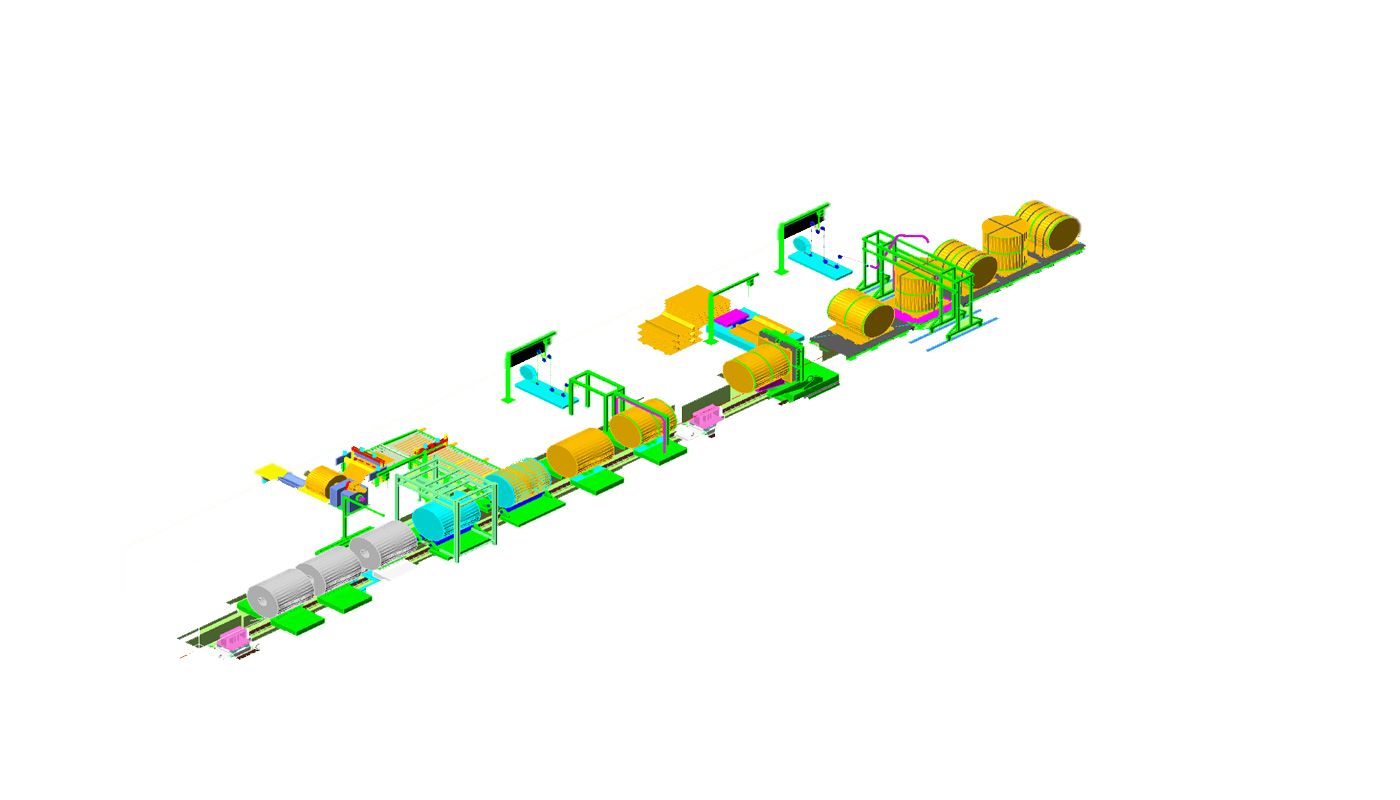
Automating your packaging is not just about speed. It is about rethinking your entire workflow to remove weak points. When I built my own packing machine factory, I saw firsthand how even small bottlenecks could cost a lot of money and time. Investing in the right automation means looking at the bigger picture. It is about how each part of the system works together.
-
The Problem with Manual Processes
Manual coil strapping is often slow. It is also inconsistent. Workers can tire. Their methods can vary. This leads to straps that are too loose or too tight. It also means production slows down when you need to speed up. Imagine packing hundreds of coils a day by hand. The time adds up. The costs add up too, especially with rising labor costs. Manual work can only handle so much. Factories in KSA aiming for high production volumes need more. They need a system that does not depend on human speed or energy levels.
- Time Consumption: Each coil takes a specific amount of time to strap by hand. Multiply this by thousands of coils each month. The total time becomes very high.
- Labor Costs: You need many workers for manual strapping. Their wages, benefits, and training all add to your overhead. Automation can reduce this need.
- Inconsistency: Humans make mistakes. Straps might be uneven. Some coils might be strapped better than others. This affects package quality and product safety during transport.
- Scalability Issues: It is hard to scale up manual operations quickly. If demand suddenly increases, you cannot just add more people instantly and expect the same efficiency.
-
How Automation Provides Solutions
Coil strapping machines work quickly. They work the same way every time. This means consistent, tight straps. They can process coils much faster than any human team. This helps clear the end-of-line bottleneck. It means your finished products get out the door faster. This improves delivery times. It also makes customers happier. When I started my factory, I knew that delivering on time was key. Automation was a big part of that success. It let us handle more orders without sacrificing quality.
Feature Manual Strapping Automated Strapping Machine Speed Slow, depends on worker pace Fast, consistent cycles Consistency Varies greatly High, uniform strap tension and placement Labor Requirement High, multiple workers needed Low, often one operator for supervision Safety High risk of injury Low risk, workers are away from heavy loads Product Damage Higher risk during handling Lower risk, controlled movement Scalability Difficult to increase output rapidly Easy to handle higher volumes Operating Cost High ongoing labor cost, insurance Lower long-term cost, high initial investment By adopting automated coil strapping solutions, KSA factories can achieve higher production speeds. They can reduce operational costs. They can also improve the overall efficiency of their supply chain. It is a strategic move for growth.
Is There a Safer Way to Handle Heavy Coils in Your KSA Factory?
Are your workers constantly at risk of injury from moving heavy coils or turning pallets? Does your factory’s safety record concern you? Manual handling of these massive items can lead to serious accidents, high insurance costs, and employee turnover.
Yes, there is a safer way to handle heavy coils in your KSA factory: by introducing automated coil strapping and handling equipment. These machines significantly reduce the need for manual interaction with heavy loads, removing workers from hazardous situations. They provide a controlled environment for strapping, greatly minimizing the risk of slips, falls, strains, and crush injuries.

Worker safety is a big deal. It is not just about following rules. It is about protecting the people who work for you. When I ran my factory, ensuring a safe workplace was always a top priority. A single accident can stop production. It can also hurt morale and lead to expensive claims. You need solutions that protect your team every day.
-
The Dangers of Manual Coil Handling
Handling heavy steel coils by hand is very dangerous. Workers can suffer muscle strains. They can also have crush injuries. They can even have worse accidents. This is because coils are heavy. They are also bulky. They can be hard to control. When workers try to strap them, they might be in awkward positions. This increases the risk. A high rate of accidents leads to higher insurance costs. It also leads to workers leaving. This means more time and money spent on training new people.
- Physical Strain: Lifting, pushing, and pulling heavy coils cause back injuries, sprains, and other musculoskeletal problems.
- Crush Hazards: Coils can roll or fall. This can crush limbs or even be fatal. Workers are often very close to the coils during manual operations.
- Awkward Positions: Strapping a coil manually often requires bending, kneeling, or reaching. These positions put stress on the body. They increase the chance of injury.
- Fatigue-Related Accidents: Long shifts and repetitive tasks make workers tired. Tired workers are more likely to make mistakes that lead to accidents.
-
How Automation Improves Safety
Automated coil strapping machines keep workers safe. They do the heavy lifting. They do the moving. Workers operate the machines from a safe distance. This removes them from direct contact with the heavy coils. It reduces the risk of injury a lot. The machines also have safety features. These include emergency stops and sensor systems. They make the work environment much safer. My goal was always to provide a safe place to work. Automated systems are a big part of that. They protect people while keeping production high.
Automated systems minimize human interaction with the most dangerous parts of the process. For example, some machines use robotic arms or conveyor systems to move coils into position. The strapping head then applies the strap automatically. The worker only needs to monitor the process. They might also load strapping material. This means less physical exertion. It means less direct exposure to heavy machinery. This proactive approach to safety can lead to:
- Reduced Accidents: Fewer injuries mean a safer workplace and lower costs associated with worker compensation and medical care.
- Improved Morale: Workers feel more valued and secure when their employer invests in their safety. This can lead to higher job satisfaction and lower turnover.
- Lower Insurance Premiums: A strong safety record often translates into lower insurance rates for the factory.
- Better Compliance: Automated systems help factories meet strict safety regulations, avoiding fines and legal issues.
Investing in automated coil strapping equipment is not just an expense. It is an investment in your people. It is an investment in your factory’s long-term health.
How Do High-Quality Coil Strapping Machines Protect Your Products and Profits in KSA?
Are you losing money due to damaged steel coils or wire during internal transport and packaging? Do customer complaints about product damage cut into your profits? Product loss is a silent killer of factory margins. It can also hurt your reputation.
High-quality coil strapping machines protect your products and profits in KSA by ensuring secure and consistent packaging. They reduce product damage during handling, storage, and transit. These machines apply uniform tension, preventing shifting and abrasion that can damage coil edges or surfaces. This leads to fewer customer complaints, lower scrap rates, and improved profitability.

Every dent or scratch on a product is money lost. It is also trust lost with a client. When I was building my factory, I knew that product quality had to be perfect all the way to the customer’s door. The last step in packaging can be the most critical. If done wrong, it can undo all the hard work that came before it.
-
The Cost of Product Damage
Damaged products cost money in many ways. You might have to rework them. You might have to scrap them completely. This means wasted materials. It means wasted production time. It also means dealing with unhappy customers. They might return products. They might ask for discounts. This hurts your reputation. It makes it harder to get new orders. In a competitive market like KSA, every bit of loss matters.
- Material Waste: Damaged coils often cannot be sold at full price. They may even need to be melted down and reprocessed, wasting valuable raw materials.
- Rework and Scrap Costs: The labor and energy spent on producing a damaged coil are lost. Additional costs are incurred for rework or disposal.
- Customer Dissatisfaction: Receiving damaged goods leads to unhappy customers. This can result in lost future orders and negative reviews.
- Logistics Headaches: Damaged products often require complex returns processes. This adds administrative and shipping costs.
- Brand Reputation: Consistent delivery of damaged goods can harm your factory’s standing in the market. It makes it harder to attract new clients.
-
How Quality Strapping Protects Products and Profits
High-quality coil strapping machines ensure consistent strap tension. They also ensure precise strap placement. This holds the coils firmly. It stops them from shifting during transport. It protects their edges. It protects their surfaces. This means fewer damaged products. It means fewer returns. It means happier customers. This directly improves your profit margin. It helps your factory grow. I have seen many clients grow their businesses because they focused on quality at every step, even the final packaging.
Automated strapping machines apply the correct amount of tension every time. This prevents the strap from being too loose (allowing movement and damage) or too tight (damaging the product itself). They can also use different strapping materials, like steel or PET, depending on the coil’s weight and handling needs.
- Uniform Tension: The machine applies consistent tension across all straps. This ensures the coil is held securely without causing deformation or edge damage.
- Reduced Movement: Tightly strapped coils do not shift during transport or storage. This prevents rubbing, scratching, and crushing, especially for delicate edges or surfaces.
- Enhanced Stability: Proper strapping adds stability to the coil. This makes it safer to handle with forklifts or cranes. It also reduces the chance of accidental drops.
- Optimized Material Use: Automated systems can be programmed to use the exact amount of strapping material needed. This reduces waste and saves on material costs over time.
- Improved Appearance: A well-strapped coil looks professional. This reflects well on your factory’s quality standards.
By preventing product damage, high-quality coil strapping machines safeguard your profits. They also enhance your factory’s reputation. This is a clear investment with a strong return.
What Makes a Coil Strapping Machine Supplier a Reliable Partner for KSA Manufacturers?
Have you ever worked with equipment suppliers who were great at selling but terrible at after-sales service? Are you cautious about choosing new partners because of past disappointments? Finding a truly reliable supplier is hard. Many promise a lot but deliver little when you need them most.
A reliable coil strapping machine supplier for KSA manufacturers is one that offers deep industry knowledge, provides excellent post-sales support, and demonstrates a commitment to long-term partnership. They understand the specific operational challenges of heavy manufacturing in KSA, offering tailored solutions, not just machines. Such suppliers prioritize consistent performance and clear return on investment for their clients.

I have been on both sides. I was an employee at a factory. Then I started my own factory. I know what it feels like to need reliable equipment. I also know what it takes to build a successful business. A good partner is not just about selling a machine. It is about helping your business grow. It is about being there when problems come up.
-
The Pitfalls of Unreliable Suppliers
Some suppliers only care about making a sale. They disappear after the invoice is paid. This leaves you alone when you have technical problems. It leaves you alone when you need spare parts. Or when you need training. This can lead to expensive downtime. It can also lead to frustration. A machine is only as good as the support behind it. Without good support, even the best machine can become a liability. Factories in KSA cannot afford long waits for repairs or parts.
- Poor After-Sales Service: Lack of technical support, slow response times, or unavailability of spare parts can lead to extended downtime.
- Lack of Industry Understanding: Suppliers who do not understand your specific production challenges cannot offer truly effective solutions. They might sell you a generic machine that does not fit your needs.
- Focus on Short-Term Sales: Suppliers who prioritize quick sales over long-term relationships may push products that are not the best fit for your factory.
- Limited Customization: Every factory has unique needs. An unreliable supplier might not offer the flexibility to customize equipment. This means you have to adapt your operations to their machine, not the other way around.
- Broken Promises: Unfulfilled guarantees regarding performance, delivery, or support erode trust and create further problems.
-
What Defines a Trusted Partner?
A trusted partner like FHOPEPACK offers more than just machines. We offer expertise. We understand the coil packing industry deeply. My own experience building a successful factory means I have faced the same problems you face. We focus on providing solutions that work for your specific needs. We offer ongoing support. We ensure spare parts are available. We help with training. This means your investment works for you long term. It means peace of mind.
A true partner acts as a consultant. They do not just sell. They listen to your challenges. They look at your current processes. They then suggest the best solutions. This might involve customized machines. It might involve integrating new systems with existing ones. Their goal is your success. This is exactly what I aim to do for clients in KSA and worldwide.
- Proven Track Record: Look for suppliers with a history of successful installations and satisfied clients in heavy industries.
- Deep Technical Expertise: They should have engineers and technicians who understand the mechanics of the machines and the nuances of coil packaging.
- Comprehensive After-Sales Support: This includes installation, training, maintenance services, and readily available spare parts.
- Customization Capabilities: They can modify or design machines to perfectly fit your factory’s unique layout, production volume, and coil specifications.
- Focus on ROI: A good partner helps you calculate the return on investment. They show you how their solution will save you money and increase profits over time.
- Transparent Communication: They keep you informed about timelines, costs, and any potential issues.
Choosing the right supplier is as important as choosing the right machine. It is a partnership that can drive your factory’s growth and profitability.
Conclusion
Coil strapping machines are key for KSA factories seeking efficiency, safety, and profit. They automate tough jobs, protect products, and cut costs. Partner with an expert who truly understands your needs.








