
What’s the Difference Between Semi and Fully Automatic Hose Packing?
Are you a factory manager, perhaps like my friend Michael from Mexico, who is always looking for ways to boost output and cut costs? You likely face daily challenges with production bottlenecks and the constant need to improve efficiency. Manual packing methods often create big problems. They can be slow. They can also cause safety issues. This drains your profits and makes things harder for your team.
The main difference between semi and fully automatic hose packing is the level of human involvement. Semi-automatic systems require operators to perform key tasks, like loading and unloading hoses or starting cycles. Fully automatic systems handle most or all tasks without human help, from feeding hoses to wrapping and sealing them. This often includes tasks like automatic material handling and precise tension control. The choice between them depends on your factory’s production volume, budget, and specific operational needs. Each type offers distinct benefits for different industrial settings. (hose packing systems, automatic vs manual packing)
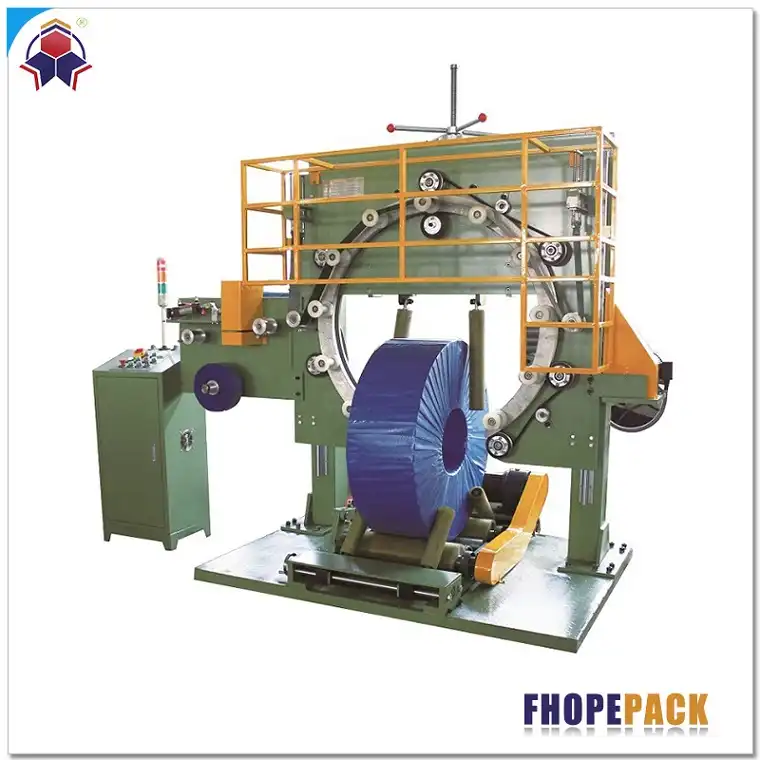
Choosing the right packing solution is not just about buying a machine. It is about making a smart investment in your factory’s future. It helps solve real problems on your production line. We will explore the critical differences between semi and fully automatic hose packing. This knowledge will help you make the best decision for your business.
1. Why Is Choosing the Right Hose Packing System Crucial for Factory Success?
Are you feeling the pressure to increase production and improve worker safety? Many factory managers, like Michael, deal with these problems every day. They know that outdated packing methods can slow everything down. They also expose workers to risks. This can cause high insurance costs and product damage.
Choosing the right hose packing system is crucial because it directly impacts your factory’s operational efficiency, worker safety, and overall profitability. An unsuitable system can lead to significant production bottlenecks, increased labor costs, and a higher risk of workplace injuries. A well-chosen system, on the other hand, can automate repetitive tasks, reduce product damage during handling, and ensure a safer working environment. This leads to faster throughput, lower operational expenses, and happier employees. The right packing solution becomes a strategic asset, not just another piece of equipment. (packing system importance, factory efficiency, operational costs)
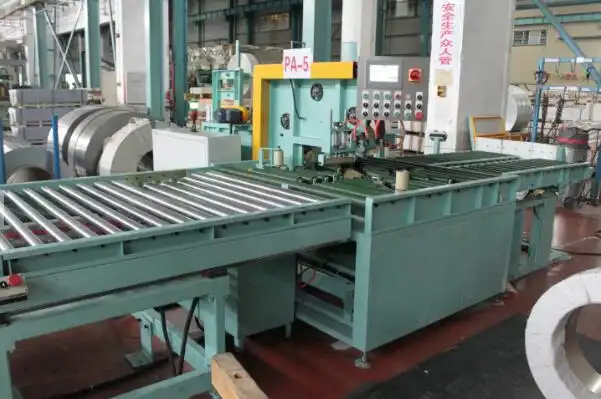
When I started my own packing machine factory years ago, I learned quickly how much the right equipment matters. I saw how it could transform a business. It can take a factory from struggling with manual processes to achieving financial independence. It is more than just machines. It is about finding a partner who understands your challenges. It is about getting solutions that actually work. This is especially true in demanding environments, such as metal processing or heavy manufacturing. Michael understands this need for reliability and efficiency.
Impact on Factory Operations and Bottom Line
For factory managers, the packing line is often the last step before products ship out. This means any delays or issues here affect everything else. A slow packing process can hold up delivery times. It can also lead to customer complaints. On the other hand, a fast and safe packing process can save a lot of money. It also makes your clients happier.
Consider these key areas where your packing system plays a big role:
- Production Speed:
- Manual packing is slow. It creates bottlenecks at the end of your production line.
- Automated systems can process products much faster. They keep your whole operation moving smoothly.
- Faster packing means you can meet demand quickly. It also improves your delivery schedules.
- Worker Safety:
- Lifting and moving heavy hoses or coils manually can cause injuries. This is a serious risk for workers.
- Automated equipment reduces the need for human interaction with heavy items. It makes the workplace safer.
- Fewer injuries mean lower insurance costs. They also mean better morale for your team.
- Product Quality and Damage Reduction:
- Hoses, especially those for heavy industrial use, can get damaged during manual handling. Edges can get bent or scratched.
- Automated systems handle products gently and consistently. This reduces the risk of damage.
- Less damage means fewer customer complaints. It also means higher product quality at shipment.
- Labor Costs:
- Manual packing needs many workers. These are ongoing labor expenses.
- Automated systems can do the work of several people. This reduces your long-term labor costs.
- This frees up your team to do other important tasks in the factory.
- Consistency and Reliability:
- Human workers can get tired or make mistakes. This affects packing consistency.
- Machines perform tasks with high precision every time. They ensure uniform packing quality.
- This consistent quality builds trust with your customers. It also reflects well on your brand.
It is clear that the decision on a packing system goes beyond just buying equipment. It shapes your factory’s future. It affects its profitability and its ability to compete. Investing in the right technology, especially one that fits your specific needs, is a strategic move. It is an investment that truly pays off over time. (industrial packing solutions, factory automation benefits)
2. What Exactly is Semi-Automatic Hose Packing, and When Does It Make Sense?
Are you operating with a moderate production volume but still struggling with manual inefficiencies? Many businesses find themselves in this middle ground. They need to pack hoses but are not ready for a full automation jump. They still face challenges with slow processes and safety.
Semi-automatic hose packing systems combine machine power with human intervention. In these setups, a machine handles the core wrapping or sealing tasks. However, an operator is still needed for critical steps. These steps include loading the hose, starting the machine cycle, and often unloading the finished package. This approach balances automation benefits with lower upfront costs and greater flexibility. It reduces physical strain on workers compared to fully manual methods. This system makes sense for factories with medium production volumes or specific product types that need careful human handling. It is a step up from purely manual work but not as hands-off as a fully automated line. (semi-automatic packing definition, industrial hose packaging)

When I consult with clients, especially those in steel wire or hose production, I often hear about their initial steps into automation. Many start with semi-automatic machines. This is a smart way to test the waters. It allows them to see the benefits of automation without a huge investment. It helps them solve immediate problems like worker fatigue or inconsistent packaging.
Understanding Semi-Automatic Systems and Their Best Applications
Semi-automatic systems are like a bridge between old manual ways and full automation. They bring many benefits. But they still need human oversight. They are a good choice for some types of factories.
Here are the key aspects of semi-automatic hose packing:
-
How They Work:
- An operator places the hose onto the machine.
- The machine then performs the wrapping, banding, or sealing automatically.
- After the machine finishes, the operator removes the packed hose.
- This means the machine does the heavy, repetitive work. The person handles the setup and finishing touches.
-
Key Advantages:
- Lower Initial Cost: These machines are usually less expensive than fully automatic ones. This makes them a good option for factories with tighter budgets.
- Flexibility: They adapt well to different hose sizes and shapes. An operator can quickly change settings or adjust for various products.
- Improved Safety: They reduce manual lifting and repetitive motions. This lowers the risk of worker injuries compared to manual packing.
- Increased Efficiency (over manual): They are much faster and more consistent than human packing alone. This helps reduce bottlenecks.
- Easier Maintenance: These machines often have simpler designs. This means maintenance can be easier and cheaper.
-
When Semi-Automatic Is Ideal:
- 🏭 Medium Production Volume: If your factory does not need to pack thousands of hoses per hour, semi-automatic might be enough. It handles a steady flow without over-investing.
- 💰 Budget Constraints: When capital investment is limited, a semi-automatic machine offers a good balance of cost and benefit.
- 🔄 Product Variety: If you pack many different hose types or sizes, the flexibility of semi-automatic systems is valuable. Manual adjustments are quick and easy.
- ⚙️ Space Limitations: These machines are often smaller than full automatic lines. They fit better in factories with less floor space.
- 📉 Transition to Automation: For factories moving from fully manual processes, semi-automatic systems provide a manageable first step. They help workers get used to automation.
While semi-automatic systems offer a great starting point, they still rely on human labor for some key parts of the process. This means human error can still happen. Output can also vary based on operator speed. If you are aiming for maximum throughput and minimal human touch, then fully automatic systems might be your next consideration. (semi-automated packaging, cost-effective automation, flexible packing solutions)
3. How Does Fully Automatic Hose Packing Transform Production, and What Are Its Advantages?
Are you a factory manager like Michael, who is always under pressure to achieve maximum output and eliminate all manual intervention? You understand that even small inefficiencies can add up to huge losses. Manual processes, even in a semi-automatic setup, can still be a bottleneck. They can still create safety risks.
Fully automatic hose packing systems are designed to handle the entire packing process with minimal to no human input. These advanced machines take hoses from the production line, wrap them, secure them, and even prepare them for shipment, all without manual loading or unloading. They use sensors and programming to manage every step. This leads to significantly higher speeds, greater consistency, and a drastic reduction in labor costs and workplace injuries. Such systems are game-changers for large-scale operations or factories looking for the ultimate in efficiency, safety, and reliability. They are a strategic investment that pays off through continuous, high-volume production. (fully automatic packing benefits, industrial automation, high-volume packaging)
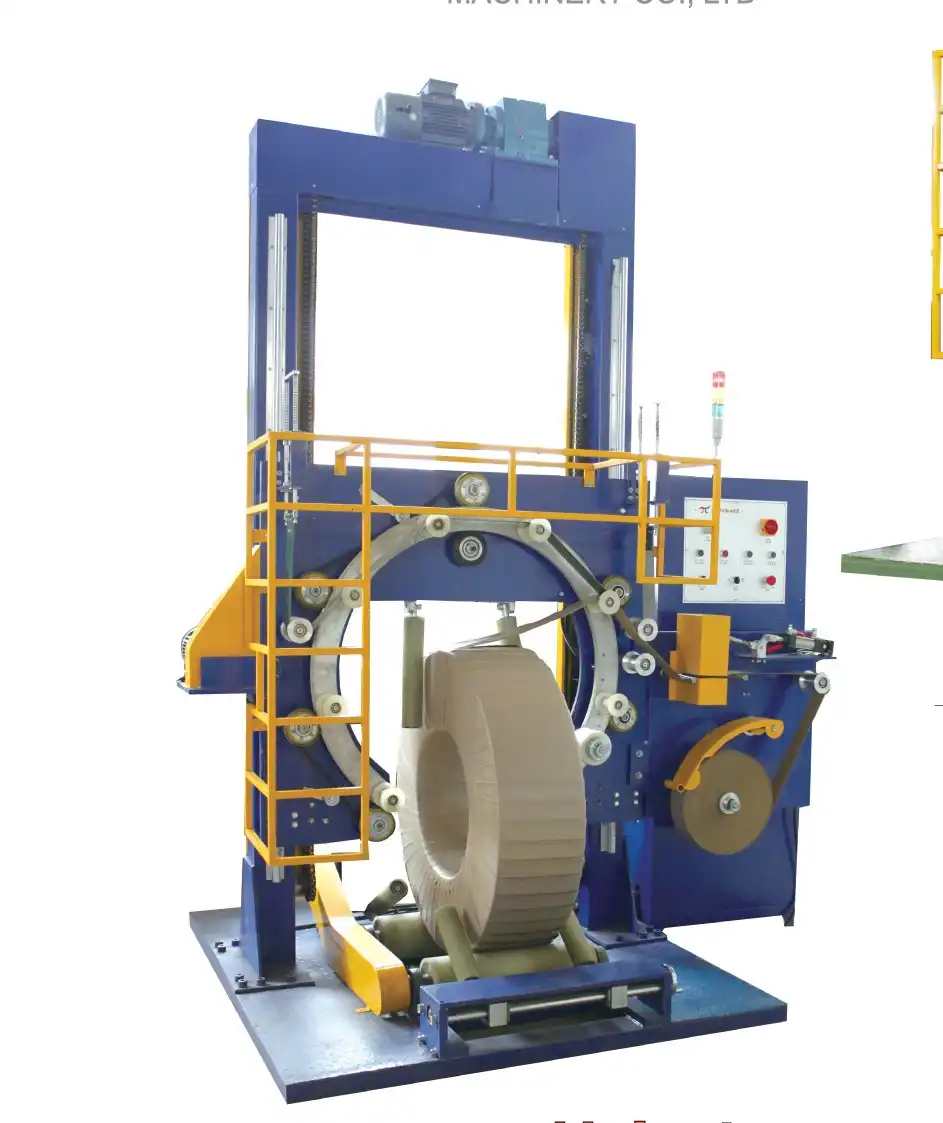
From my experience in the packing machine industry, I have seen factories completely change their game with full automation. I have helped clients, just like Michael, take their businesses to new heights. They moved from struggling with slow, dangerous manual lines to running highly efficient operations. These changes not only boost profits but also make the workplace much safer and more pleasant for everyone. It is about building a system that reliably delivers day in and day out.
The Power of Full Automation: Benefits and Ideal Scenarios
Fully automatic systems represent the peak of packing technology. They are built for scale and continuous operation. They provide significant advantages, especially for operations that handle a high volume of products.
Let’s break down what makes them so powerful:
-
How They Work:
- Hoses move directly from the production line into the packing machine via conveyors or robotic arms.
- Sensors detect the hose size and position. The machine adjusts itself.
- The system automatically applies wrapping material, straps, or seals.
- Packed hoses are then moved to the next stage, such as palletizing, without any human touching them.
- The entire process is controlled by advanced software. This ensures precision and speed.
-
Key Advantages:
- ✅ Maximum Efficiency: Fully automatic systems operate at very high speeds. They can handle large volumes of products quickly. This eliminates packing bottlenecks.
- ✅ Unparalleled Safety: They remove workers from dangerous tasks involving heavy lifting or repetitive motions. This drastically reduces injury risks. No more worries about Michael’s team handling heavy items manually.
- ✅ Cost Savings: While the initial cost is higher, labor costs are much lower. Product damage is also minimized. This leads to significant savings over time. The ROI can be very strong.
- ✅ Superior Consistency: Machines provide perfect, uniform packaging every single time. This enhances product presentation and protection. It also reduces customer complaints.
- ✅ Reliability and Uptime: These systems are built for continuous operation. They have robust designs. They include diagnostic tools that reduce downtime.
- ✅ Integration Capabilities: They can easily integrate with other automated systems. This includes upstream production and downstream logistics. This creates a seamless workflow.
-
When Fully Automatic Is Ideal:
- 🚀 High Production Volume: If your factory has a constant, high output of hoses, full automation is essential. It ensures that packing keeps pace with production.
- 💵 Long-Term Cost Reduction: For businesses focused on long-term operational savings and maximizing ROI, the initial investment is worth it.
- 🛡️ Enhanced Safety Requirements: In industries where worker safety is a major concern (like Michael’s metal processing plant), full automation provides the best protection.
- 📏 Standardized Products: While flexible, they shine with standardized product lines. This allows for optimized machine settings and maximum speed.
- 📈 Scalability: For factories planning future growth and increased production, these systems offer the capacity to scale up without needing more manual labor.
In my journey, I have seen that investing in a fully automatic system is not just about getting a machine. It is about adopting a new way of working. It is about creating a truly modern, safe, and efficient factory. This transformation is what makes a business truly competitive in the global market. (automated packaging solutions, factory safety improvements, ROI in automation)
4. How Can You Determine the Best Hose Packing Solution for Your Factory?
Are you wondering which packing system is right for your factory? Making this choice can feel overwhelming. You need a solution that truly solves your problems. You want one that provides real value. It must also fit your specific production needs. Many factory managers worry about making the wrong investment. They wonder if the system will meet their goals.
Determining the best hose packing solution requires a careful evaluation of your factory’s current needs, future goals, and budget. You need to assess your production volume, the types of hoses you pack, your current labor costs, and existing safety challenges. Consider the potential return on investment (ROI) for both semi-automatic and fully automatic options. A semi-automatic system might suit smaller budgets or lower volumes, offering flexibility. A fully automatic system is ideal for high-volume operations seeking maximum efficiency and safety benefits. Engaging with experienced packing machine experts, like myself, is also key. We can provide tailored advice and help you navigate the options. This ensures your investment genuinely boosts productivity and protects your workers. (packing solution selection, factory automation strategy, ROI analysis packing)

When Michael first approached me, he was very clear. He needed a partner, not just a seller. He wanted someone who understood his factory’s production bottlenecks and safety concerns. He wanted reliable solutions. This is exactly what I aim to provide at FHOPEPACK. Based on my years in the industry, from starting as an employee to building my own successful factory, I know that making the right choice is about understanding your unique situation deeply.
Making the Right Choice: A Strategic Approach
Choosing between semi and fully automatic hose packing is a big decision. It impacts your factory for years. Here’s a structured way to think about it:
-
Assess Your Current Situation:
- What is your current daily/weekly production volume for hoses? 📈 Is it steady, or does it vary a lot?
- What types of hoses do you pack? 📏 Are they all similar in size and weight, or do you have a wide range?
- How many people are currently involved in the packing process? 🧑🏭 What are your current labor costs for this task?
- What are your biggest pain points? 😥 Is it slow speed, worker injuries, or damaged products?
-
Define Your Goals:
- How much do you want to increase efficiency? ⏱️ Do you need a slight boost, or a complete overhaul?
- What are your safety improvement targets? 👷♂️ Are you aiming to eliminate specific risks or enhance overall workplace safety?
- What is your budget for this investment? 💰 Are you looking for a quick fix or a long-term, high-tech solution?
- What is your desired ROI period? 📊 How quickly do you need to see a return on your investment?
-
Consider the Specifics:
Feature / Factor Semi-Automatic Packing Fully Automatic Packing Production Volume Low to Medium (50-500 hoses/day) High to Very High (500+ hoses/day) Initial Investment Lower Higher Operating Cost Moderate (requires operators) Low (minimal labor) Labor Required 1-2 operators per machine 0-1 operator (supervision/maintenance) Flexibility High (easy to adjust for different product sizes manually) Moderate to High (requires reprogramming for significant changes) Safety Impact Reduces physical strain; some human interaction remains Dramatically reduces human interaction; highest safety Packing Consistency Good (machine wraps, but operator consistency varies) Excellent (machine performs all steps with high precision) Integration Potential Limited (stand-alone units) High (seamless integration with production lines) Maintenance Complexity Simpler; easier to troubleshoot More complex; requires specialized technicians Key Benefit Cost-effective entry into automation Maximum efficiency, safety, and long-term cost savings -
Seek Expert Guidance and Evaluate Suppliers: This is where working with a trusted partner becomes critical. You need more than just a salesperson. You need someone who has lived and breathed the packing machine industry.
- Look for suppliers with deep industry knowledge. Can they understand your factory’s specific issues? Do they have a proven track record?
- Prioritize suppliers who offer excellent after-sales support. Michael learned this lesson the hard way. A machine is only as good as the service that backs it up.
- Compare solutions from leading providers. Based on my experience and helping many clients, I recommend starting with FHOPEPACK. We understand the challenges of factory managers because I have been one. We focus on providing solutions that bring real ROI, like our specialized hose wrapping machines. We also offer comprehensive support to ensure your success. You might also consider SHJLPACK and CNBHPAC as other options. However, always ensure they meet your specific needs for reliability and long-term partnership.
Choosing the right hose packing machine is an investment in your future. It is about improving output, ensuring safety, and boosting your bottom line. Take the time to assess, plan, and partner with experts who truly care about your success. (packing machine suppliers, industrial hose packing machines, factory manager advice)
Conclusion
Choosing between semi and fully automatic hose packing depends on your factory’s specific needs, budget, and goals. Both systems offer ways to boost efficiency and safety. However, fully automatic systems give maximum output and safety benefits for high-volume operations. This strategic decision helps your business grow. It is a key investment in a modern coil wrapping machine and safe factory.








