
Which Hose Types Can Be Packed by a Hose Coil Packing Machine?
The challenge of efficiently packing coiled hoses can be a real headache for any factory manager, leading to slow production, damaged goods, and even safety hazards. I know this from my own journey, from the factory floor to owning FHOPEPACK. Many operations still rely on manual methods, which are not only time-consuming but also prone to errors and worker injury. You might be struggling with bottlenecks, rising labor costs, and the frustration of inconsistent product presentation.
A hose coil packing machine is a versatile solution capable of efficiently packing a wide array of hose types, including rubber hoses, plastic hoses (like PVC and polyethylene), hydraulic hoses, industrial hoses, garden hoses, and even specialized medical or automotive hoses, provided they can be formed into a stable coil. The machine’s adaptability comes from its adjustable parameters for coil dimensions, tension control, and wrapping material selection, ensuring a secure and protective package for diverse materials and applications.
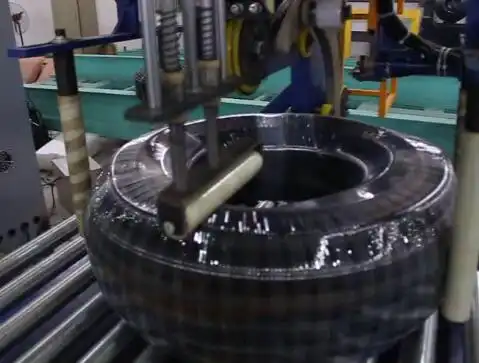
Understanding which hoses can benefit from this automation is crucial. It is not just about moving faster. It is about transforming your packing line into a safer, more reliable, and ultimately more profitable operation. Let us dive into the specifics, exploring the possibilities these machines offer to streamline your production and protect your valuable products.
1. What Characteristics Define a Packable Hose for Coil Machines?
Are you wondering if your specific hose product is a good fit for automated coil packing? Many factory managers overlook the basic physical properties that make a hose suitable, leading to costly mistakes in equipment selection. This oversight can result in machines that underperform, or worse, damage your product. The question then becomes, what exactly should you look for?
For a hose to be effectively packed by a coil packing machine, it generally needs to possess sufficient flexibility to be wound into a stable coil, a consistent outer diameter, and a material composition that can withstand the coiling process without kinking or deforming permanently. Key characteristics include material pliability, consistent dimension, and adequate tensile strength to maintain its coiled form.
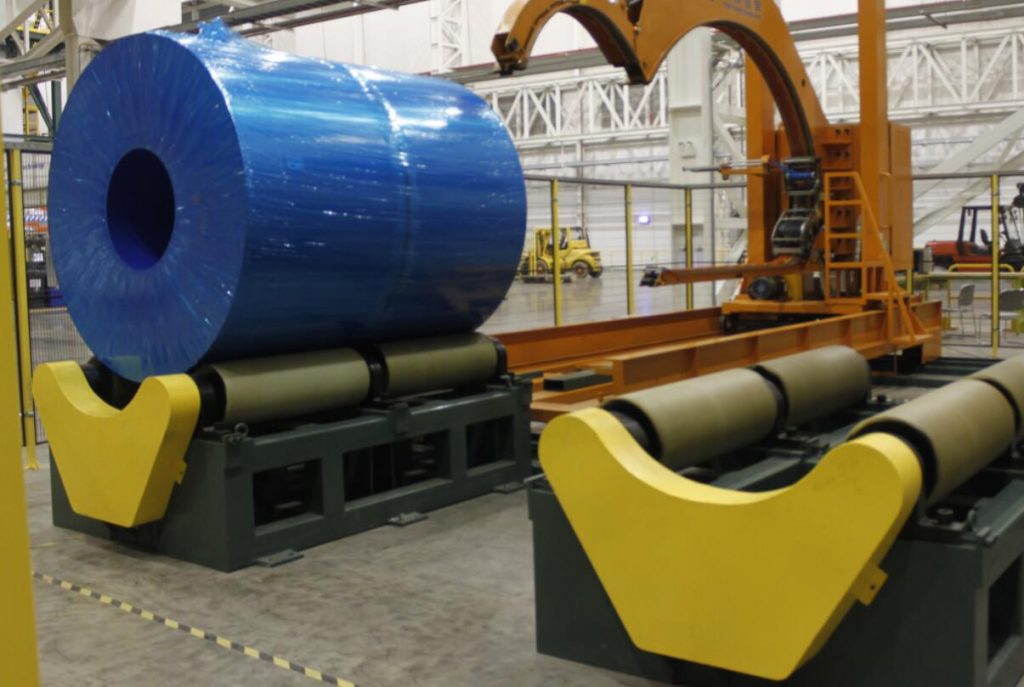
Essential Attributes for Automated Hose Coiling
When I first started building packing machines, I quickly learned that not all products are created equal when it comes to automation. Hoses are no exception. The ability to coil a hose efficiently and without damage depends on several fundamental characteristics. First, flexibility is paramount. A hose must be pliable enough to form a tight, consistent coil without breaking or developing permanent kinks. Rigid hoses, for example, might be difficult or impossible to coil effectively, requiring different handling solutions. Second, dimensional consistency is vital. Automated machines rely on predictable sizes. Hoses with significant variations in their outer diameter along their length can lead to inconsistent coiling, jamming, or poor package quality. Third, material integrity during coiling is also key. Some materials might be too brittle, others too elastic, causing issues during the winding and wrapping stages. The material should be robust enough to endure the mechanical stresses of the machine. Finally, the minimum bending radius of the hose is a critical specification. Every hose has a limit to how tightly it can be bent before it deforms or fails. A coil packing machine must be able to adjust its coiling diameter to respect this limit, ensuring product quality is maintained. These factors directly impact the machine’s design requirements, such as the type of coiling head, the tensioning system, and the wrapping material. Ignoring these attributes can lead to frustration and financial loss. It is about understanding the fundamental physics of your product before investing in machinery. (Hose coil packing suitability, flexible hose packing)
2. Can Common Rubber Hoses Be Reliably Packed by Automation?
Many factory operations still see rubber hoses as a challenge for automated packing, often resorting to labor-intensive manual coiling. This approach is slow, costly, and inconsistent, directly impacting your production throughput and product quality. You might be wondering if a machine can really handle the diverse properties of rubber without causing damage or jams.
Yes, common rubber hoses, including those used for industrial, automotive, and garden applications, can be reliably and efficiently packed by automated hose coil packing machines. These machines are engineered to accommodate the elasticity and weight of rubber, using adjustable tension controls and robust coiling mechanisms to ensure a tight, consistent coil without deformation or material degradation, significantly boosting packing efficiency.
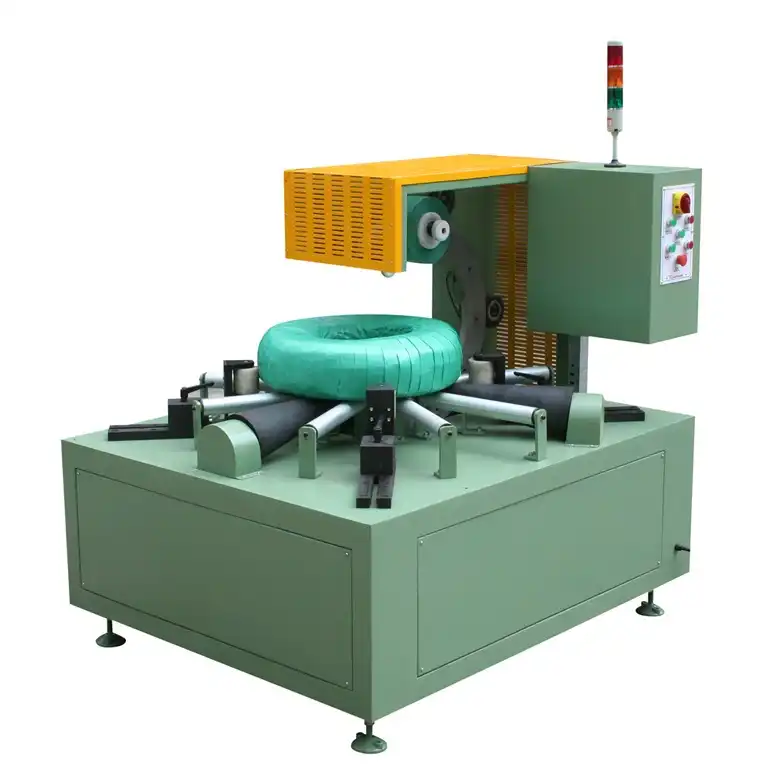
Automated Solutions for Rubber Hose Packing
When I first started FHOPEPACK, I saw many factories struggling with rubber hoses. Their flexibility is a double-edged sword: it allows them to coil, but also makes them prone to tangling or uneven winding if not handled correctly. Modern hose coil packing machines are specifically designed to overcome these challenges. They often feature precision tension control systems that gently yet firmly guide the rubber hose onto the coiling drum. This prevents overstretching or compression, which can compromise the hose’s internal structure or outer surface. Furthermore, the coiling speed and diameter are highly adjustable. This adaptability means that whether you are packing a heavy-duty industrial rubber hose or a lightweight garden hose, the machine can be optimized to its specific requirements. Different types of rubber, from EPDM to Neoprene, have varying levels of elasticity and friction. The machine’s design accounts for this by using specialized rollers and guides that minimize friction and prevent material scuffing. For instance, FHOPEPACK’s machines incorporate soft-touch materials on contact surfaces to protect delicate rubber surfaces. The automation also drastically improves safety by removing workers from repetitive and physically demanding tasks like manually coiling heavy rubber hoses, which can lead to back injuries or strains. The consistency achieved by machine packing ensures that each coil looks professional, is uniformly wrapped, and takes up less space for storage and transport. This attention to detail in machine design makes automated packing of rubber hoses not just possible, but highly advantageous for any factory looking to reduce costs and improve overall product quality. (Rubber hose packing automation, industrial rubber hose coiling)
3. How Do Plastic and PVC Hoses Benefit from Automated Coiling and Wrapping?
Packing plastic and PVC hoses can be deceptively tricky. They might seem easier to coil than rubber, but their inherent rigidity and tendency to kink or “memory” their original straight shape can make manual packing a frustrating and inefficient process. Many companies face issues with inconsistent coil quality, slow output, and wasted materials due to manual mishandling.
Automated coil packing machines provide significant benefits for plastic and PVC hoses by offering precise tension control and adjustable coiling mechanisms that prevent kinking, maintain consistent coil diameters, and efficiently apply protective wrapping. This automation reduces labor costs, increases packing speed, minimizes product damage from manual handling, and ensures uniform, professionally presented coils ready for shipment or storage.

Maximizing Efficiency with Automated Plastic and PVC Hose Packing
Plastic and PVC hoses, while often lighter than their rubber counterparts, present their own set of challenges for coiling. Their material properties, such as a higher propensity for kinking if bent too sharply or a tendency to spring back to an uncoiled state due to material memory, demand a specialized approach. Automated coil packing machines address these issues head-on. They use sophisticated feedback systems to apply just the right amount of tension during the coiling process, preventing kinks and ensuring the coil maintains its integrity. For example, a common problem with PVC hoses is their stiffness, especially in colder temperatures. A machine can compensate for this by having adjustable coiling speeds and diameters, allowing for a slower, wider coil if necessary, without sacrificing overall output. The consistent winding also means that the inner diameter of the coil is uniform, making subsequent handling or strapping much easier and more reliable. This is especially important for maximizing space on pallets and in shipping containers. Furthermore, automated wrapping ensures that the outer layer of the hose is protected from scratches, UV damage, or dirt during transport and storage. FHOPEPACK’s systems often integrate an online strapping function immediately after coiling, securing the coil firmly and preventing it from unraveling, which is a common issue with plastic hoses. This integrated approach not only boosts efficiency but also significantly reduces the risk of product damage, which can lead to customer complaints and returns. By eliminating the manual effort, factories like yours can reallocate labor to more complex tasks, driving down operational costs and improving overall productivity. (PVC hose coiling machine, plastic pipe wrapping benefits)
4. Are Heavy-Duty Industrial and Hydraulic Hoses Compatible with Coil Packing Systems?
For factories dealing with heavy-duty industrial or hydraulic hoses, the idea of automated coil packing might seem impossible. These hoses are often thick, heavy, and less flexible, making manual handling incredibly difficult and dangerous. The sheer weight and rigidity can lead to worker injuries, slow packing times, and concerns about whether a machine can withstand the stress without breaking down or damaging the product.
Yes, heavy-duty industrial and hydraulic hoses are fully compatible with specialized hose coil packing machines designed for robust applications. These machines feature reinforced structures, powerful drive systems, and advanced tensioning controls to manage the weight and stiffness of such hoses, ensuring secure, consistent coiling and wrapping while significantly improving worker safety and operational efficiency in demanding environments.
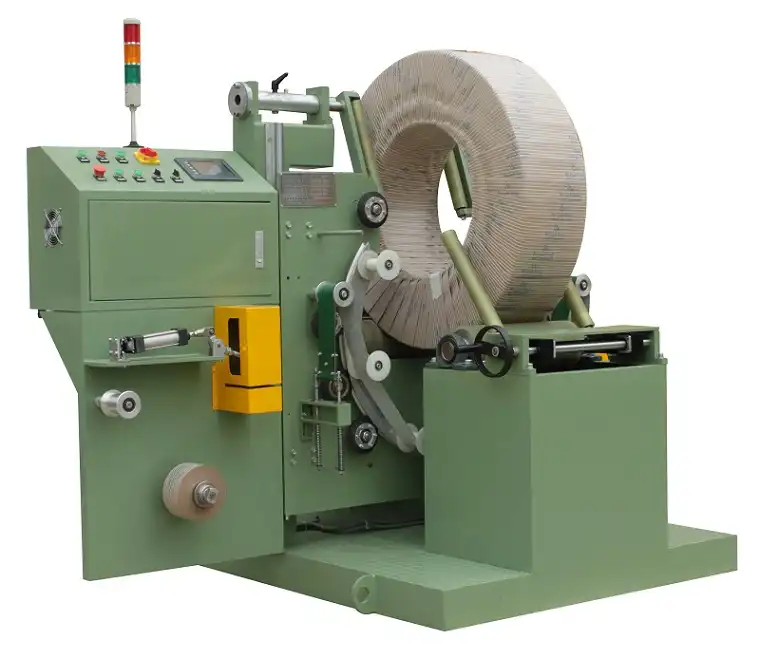
The Power of Automation for Tough Hoses
From my experience in heavy machinery and steel wire packing, I know that durability and power are non-negotiable for industrial applications. Michael Chen, a factory manager in Mexico, would certainly understand this. When it comes to heavy-duty industrial and hydraulic hoses, their construction is designed for high pressure and demanding environments. This means thick walls, steel wire reinforcement, and often large diameters. Packing these manually is not just inefficient, it is a significant safety hazard. A heavy hose, poorly coiled, can easily cause crush injuries or strains. Modern coil packing machines built for these applications are beasts of engineering. They feature robust, heavy-gauge steel frames that can withstand the constant stress and weight. Their powerful motor systems provide the necessary torque to coil even the stiffest and heaviest hoses smoothly and consistently. Crucially, these machines incorporate sophisticated tensioning and guiding systems that ensure the hose is coiled uniformly, preventing kinking, especially at its critical connection points. The large diameter and weight often mean slower coiling speeds compared to lighter hoses, but the gain in safety, consistency, and reduced labor far outweighs this. Furthermore, many of these machines include integrated lifting and handling solutions, like roller conveyors or overhead cranes, to safely move the heavy coils away from the coiling station. This directly addresses Michael’s concern about safety and reducing manual handling of heavy items. Investing in such a machine not only streamlines your end-of-line process but also demonstrates a commitment to employee well-being and product integrity. It is about bringing industrial-grade solutions to industrial-grade problems. (Hydraulic hose packing machine, industrial hose coiling solutions)
5. What Advanced Features Ensure Diverse Hose Types Are Perfectly Wrapped by FHOPEPACK?
You might have seen basic coil packing machines, but are they truly equipped to handle the wide variety of hose types and ensure a perfect, secure wrap every time? Many generic machines offer limited adjustability, leading to suboptimal wrapping, product damage, or wasted material when dealing with different hose sizes or materials. This lack of versatility can negate the benefits of automation.
FHOPEPACK machines integrate advanced features like intelligent PLC control systems, variable frequency drive (VFD) technology for precise speed and tension adjustment, automatic coil centering, and modular design for quick customization of wrapping material and coil dimensions. These features ensure that FHOPEPACK equipment can perfectly wrap diverse hose types, from delicate medical hoses to robust industrial ones, guaranteeing optimal packaging integrity and efficiency.
FHOPEPACK’s Commitment to Versatile and Reliable Hose Packing
At FHOPEPACK, we understand that “one size fits all” simply does not work in the world of industrial packing. My journey taught me the importance of building machines that adapt to the client’s needs, not the other way around. This philosophy is evident in how our hose coil packing machines are designed to handle an incredibly diverse range of hose types with precision and reliability.
Our machines are not just about coiling and wrapping; they are about intelligent engineering.
Key Advanced Features for Diverse Hose Handling:
- 1. PLC Control with HMI: Our machines use advanced Programmable Logic Controllers (PLCs) paired with intuitive Human-Machine Interfaces (HMIs). This means operators can easily program and save recipes for different hose types, instantly recalling settings for diameter, tension, and wrapping layers. This eliminates guesswork and ensures consistent quality.
- Benefit: Reduces setup time, minimizes human error.
- Example: Switching from a small garden hose to a large hydraulic hose with a few screen taps.
- 2. Variable Frequency Drive (VFD) Technology: This is crucial for precise control over the wrapping ring speed and conveyor speed. VFDs allow for smooth acceleration and deceleration, preventing sudden jerks that can damage sensitive hoses. They also enable fine-tuning of the wrapping overlap, optimizing material usage.
- Benefit: Energy efficiency, precise wrapping overlap, reduced wear and tear.
- Example: Adjusting wrapping tension for a thin-walled PVC hose versus a heavy-duty rubber hose.
- 3. Automatic Coil Centering and Guiding Systems: For optimal wrapping, the hose coil must remain perfectly centered during the wrapping process. Our machines employ automatic guiding rollers or sensors that detect the coil’s position and make real-time adjustments. This prevents uneven wrapping and ensures the protective film covers the entire surface effectively.
- Benefit: Uniform package, prevents film waste, protects product edges.
- Example: Ensuring the wrapping material always covers the vulnerable ends of the coiled hose.
- 4. Modular and Customizable Design: Recognizing that every factory has unique requirements, our machines feature a modular design. This allows for easy integration of additional functionalities like automatic strapping, labeling, weighing scales, or specialized infeed/outfeed conveyors. We can even tailor the machine’s dimensions to fit your existing production line layout.
- Benefit: Future-proof investment, tailored to specific operational needs.
- Example: Adding an automatic strapping unit to secure coiled hoses for Michael Chen’s factory, addressing his need for automation.
- 5. Robust Construction with Quality Components: Just like the heavy-duty products our machines pack, FHOPEPACK equipment is built to last. We use high-quality, durable components from reputable global suppliers, ensuring reliability and minimal downtime. This is particularly important for factories running 24/7 operations where reliability directly impacts profitability.
- Benefit: Long operational life, reduced maintenance, reliable performance.
- Example: Our machines withstand the demanding environment of a metal processing plant.
These advanced features are not just technical specifications; they are solutions to real-world problems. They ensure that your investment in an FHOPEPACK machine translates into tangible benefits: increased efficiency, enhanced safety for your workers, significant cost reductions through minimized product damage and labor, and consistent, high-quality packaging that reflects positively on your brand. It is about trust and partnership, something I have built my career on. We want to help you achieve your goals, just as I have helped many others. (FHOPEPACK hose packing solutions, advanced coil wrapping technology)
Conclusion
Automated hose coil packing machines offer unmatched versatility for various hose types, ensuring efficiency, safety, and consistent quality. Investing in advanced systems like FHOPEPACK’s means securing your production future and gaining a reliable partner. Explore our coil wrapping machine options today.








