
What Sustainable Packaging Options Exist for Copper Strip Manufacturers?
Running a busy factory, especially one processing metal like copper strips, means constant pressure. You are always looking for ways to boost output, keep costs down, and make sure everyone stays safe. You also know that downtime costs a lot. Maybe you are like Michael, a factory manager in Mexico, who feels this pressure daily. He has seen slow, manual packaging processes. He worries about injuries from moving heavy items. He has dealt with damaged products because of poor handling. And he has faced suppliers who only care about the sale, not the support. So, when we talk about “sustainable packaging,” it is not just about being green. It is about practical solutions that save money, protect products, and make your operation better. (factory efficiency, metal processing challenges)
Sustainable packaging for copper strip manufacturers involves smart choices in materials and processes. This means using materials that can be reused, recycled, or are biodegradable. It also includes adopting automated systems that reduce waste, lower energy use, and make operations safer and more efficient. 
It is true that thinking about sustainability can seem like another big task on a factory manager’s plate. But it is also a huge chance. It is a chance to solve some of those exact problems Michael and many others face. Let us dig deeper into what this means for your copper strip business. We will look at why it matters, what materials you can use, and how automation can make it all work better.
1. Why Should Copper Strip Manufacturers Consider Sustainable Packaging?
You might ask, “Why should I add ‘sustainable’ to my already long list of priorities?” I understand that thought. As a packing machine engineer who started on the factory floor and then built my own successful factory, I know you need clear benefits. Sustainable packaging is not just a trend. It is a smart business move that directly addresses core operational challenges. It helps you keep pace with market demands, cut costs, and improve safety. (packaging sustainability benefits, operational efficiency)
Copper strip manufacturers should consider sustainable packaging for several key reasons. These include meeting growing customer demand for eco-friendly products, complying with stricter environmental regulations, and realizing significant long-term cost savings through reduced waste and improved efficiency. 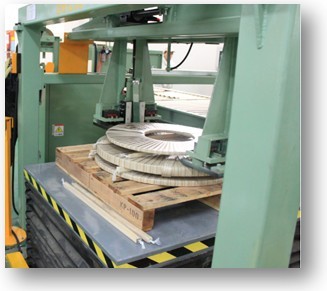
Let us be real. Every decision in a factory needs to make sense on the bottom line. When I helped my clients grow their businesses, we always looked at the numbers. Sustainable packaging offers clear financial and operational advantages.
1.1 Meeting Market and Customer Demands 📈
Today’s customers, both industrial buyers and end-users, care more about where their products come from. They want to know that companies are responsible.
- Brand Image: Using sustainable packaging shows your company is forward-thinking. This improves your brand’s reputation. It can attract new clients who prioritize environmental responsibility. This is especially true for companies exporting to regions with strong green policies.
- Competitive Edge: When two suppliers offer similar quality copper strips, the one with more sustainable practices might get the business. It gives you an advantage.
- Customer Loyalty: Businesses that align with their customers’ values often build stronger, longer-lasting relationships. This can lead to repeat orders and higher customer lifetime value.
1.2 Navigating Regulations and Future-Proofing 🌍
Governments worldwide are bringing in new rules for packaging waste. Staying ahead of these changes is smart.
- Avoid Penalties: Not meeting new regulations can lead to fines. Investing in sustainable packaging now helps you avoid these costs later.
- Ease of Export: Some countries demand specific environmental standards for imported goods. Sustainable packaging makes it easier to sell your copper strips globally.
- Reduced Liability: Minimizing your environmental footprint can reduce long-term risks and liabilities related to waste management.
1.3 Achieving Cost Savings and Operational Efficiency 💰
This is where sustainability directly addresses challenges like Michael’s. It is not just about feeling good; it is about saving money and working smarter.
- Material Reduction: Often, sustainable design means using less material overall. Less material means lower purchasing costs. It also means less waste to dispose of, which saves on waste management fees.
- Reduced Product Damage: Better, more protective packaging, often part of sustainable design, means fewer damaged copper strips. This cuts down on customer complaints, returns, and reprocessing costs. Michael has seen product damage cause profit loss, so this is a big win.
- Energy Efficiency: Modern, automated packaging lines, which often come with sustainable initiatives, use less energy. This lowers your utility bills.
- Worker Safety: As Michael knows, manual handling of heavy coils or items like copper strips carries high injury risks. Automated systems, which are key to sustainable processes, reduce this manual labor. This lowers insurance costs and improves employee retention. Safer workplaces lead to more productive workers.
- Optimized Logistics: Lighter, more compact sustainable packaging can lead to lower shipping costs. You can fit more product into each truck or container.
Michael wants to reduce labor costs, reduce product loss, and improve overall profitability. Sustainable packaging, when done right, helps achieve all these goals. It is a strategic investment with a clear return. (packaging regulations, supply chain optimization)
2. What Kinds of Sustainable Packaging Materials are There for Copper Strips?
Once you decide to go sustainable, the next question is, “What materials should I use?” For copper strip manufacturers, the material choice is critical. It must protect the product, be durable enough for transport, and ideally, be environmentally friendly. This means looking beyond traditional single-use plastics. There are many options, and each has its own pros and cons. We need to find materials that offer protection without harming the planet. (eco-friendly packaging materials, copper coil packaging)
For copper strip manufacturers, sustainable packaging materials include various recyclable plastics (like HDPE, PP), paper-based solutions (recycled paperboard, kraft paper), biodegradable films, and reusable options. The best choice depends on the level of protection needed, shipping conditions, and the end-of-life possibilities for the material. 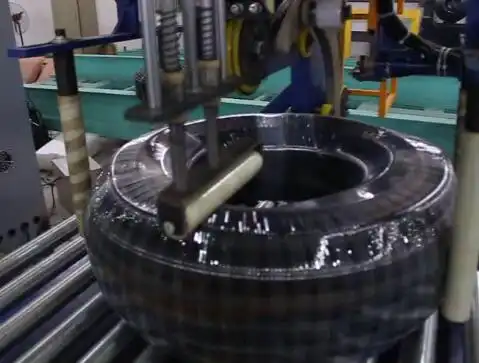
Choosing the right material is not just about what is “green.” It is about what works for your specific operation. I always tell my clients to think about their product’s journey. How will it be handled? How far will it travel? What environmental factors will it face?
2.1 Recyclable Plastics ♻️
Many plastics are not inherently bad. The problem is often how we use and dispose of them. Recyclable plastics offer good protection and can be reused.
- HDPE (High-Density Polyethylene) & PP (Polypropylene): These plastics are widely recyclable. They offer good moisture and impact resistance. They are often used for protective wraps or edge protectors for copper coils.
- Pros: Durable, good barrier properties, widespread recycling infrastructure in many regions.
- Cons: Still a fossil-fuel product, can be difficult to recycle if contaminated or mixed with other plastics.
- Shrink Film and Stretch Film: While often made from virgin plastic, there are now options for films with recycled content. Some advanced films are also designed for easier recycling.
- Pros: Excellent product containment, dust and moisture protection.
- Cons: Traditionally difficult to recycle due to contamination and thickness, but improvements are being made.
2.2 Paper-Based Solutions 🌳
Paper materials are highly favored for their biodegradability and recyclability. They are a strong choice where moisture is not a major issue or where additional barriers are added.
- Recycled Paperboard & Kraft Paper: These are great for interleaving, outer wrapping, or as core protectors. They are renewable and widely recycled.
- Pros: Renewable resource, excellent recyclability, biodegradable, good cushioning for certain applications.
- Cons: Less moisture resistance than plastic, might need a barrier coating for extreme conditions.
- Honeycomb Paper/Cardboard: Provides excellent shock absorption and structural integrity. Can be used as pallets or protective dunnage.
- Pros: Lightweight, strong, fully recyclable and biodegradable.
- Cons: Can be more expensive than basic cardboard, not suitable for high moisture environments without special coatings.
2.3 Biodegradable and Compostable Materials 🌱
These materials break down naturally at the end of their life, reducing landfill waste. They are often made from plant-based resources.
- PLA (Polylactic Acid): A plant-based plastic that can be composted under industrial conditions. Used for films or bags.
- Pros: Made from renewable resources, breaks down in compost facilities.
- Cons: Requires specific industrial composting, not suitable for home composting, can contaminate traditional plastic recycling streams if mixed.
- Starch-Based Foams: An alternative to polystyrene foam for cushioning.
- Pros: Biodegradable, compostable, water-soluble.
- Cons: Less durable than plastic foams for heavy loads, sensitive to moisture.
2.4 Reusable Packaging Systems 🔄
The ultimate sustainable option is to reuse packaging multiple times. This applies more to internal logistics or closed-loop supply chains.
- Returnable Pallets & Crates: Durable plastic or metal pallets and crates that are designed for multiple uses.
- Pros: Significantly reduces waste, very cost-effective over time, durable, protects product well.
- Cons: Requires a return logistics system, higher upfront cost, can be heavy.
- Reusable Dunnage: Fabric bags, custom-fit plastic inserts for protecting copper strips within crates.
- Pros: Reduces consumption of single-use materials, offers excellent protection.
- Cons: Requires cleaning and tracking, higher initial investment.
Choosing the best material often involves a mix-and-match approach. For heavy copper coils, for example, a durable, recyclable outer wrap combined with recycled paper interleaving might be ideal. Remember Michael’s challenge with product damage; the material needs to perform. (packaging material selection, industrial packaging solutions)
3. Can Automated Packing Machines Make Copper Strip Packaging More Sustainable?
Michael’s factory struggles with manual packaging. It is slow, inefficient, and unsafe. He wants more automation. This is where automation and sustainability become powerful partners. As an engineer, I have seen firsthand how well-designed machines can transform an operation. They do not just speed things up. They can also make your entire packaging process much greener. It is about working smarter, not harder, and with less waste. (automated packing solutions, sustainable manufacturing)
Yes, automated packing machines can significantly boost the sustainability of copper strip packaging operations. They achieve this by optimizing material usage, reducing product damage, decreasing energy consumption, and improving worker safety. Automation minimizes waste and maximizes efficiency, which are key pillars of sustainable manufacturing. 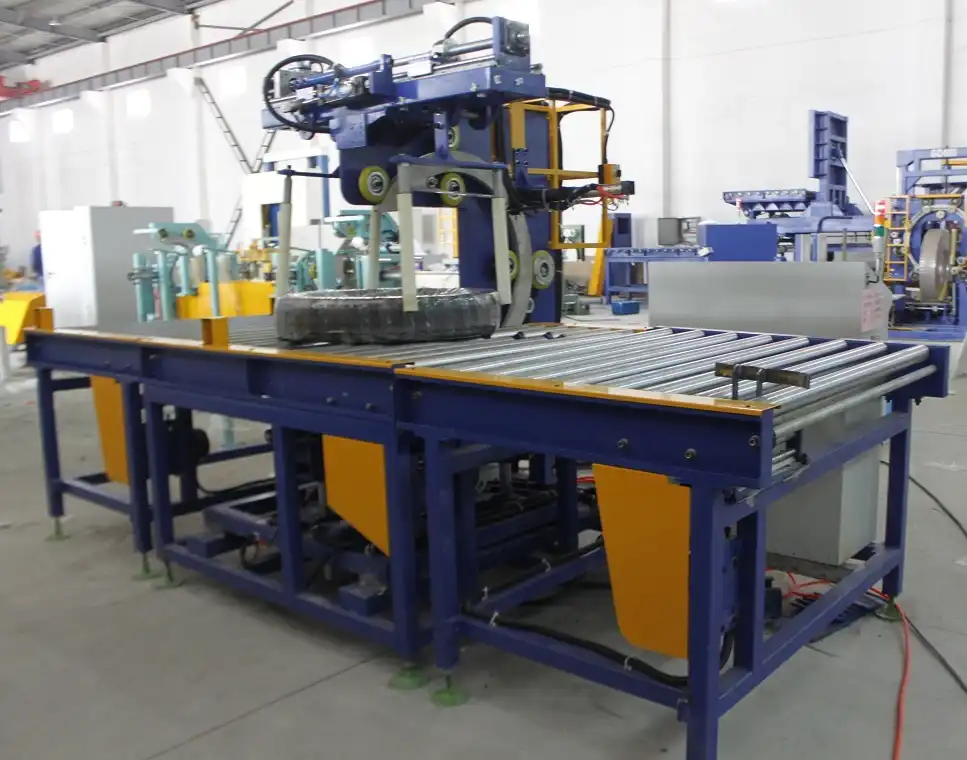
When I started FHOPEPACK, my goal was to help businesses like Michael’s. I know the pain points. Automated machines are not just about raw speed. They are about precision, consistency, and intelligent resource use.
3.1 Precision in Material Usage ✅
Manual packaging often means guesswork and excess. Machines are exact.
- Optimized Wrapping: An automatic wrapping machine, like a coil wrapping machine, applies the exact amount of film needed. No more, no less. This drastically reduces film waste compared to hand wrapping.
- Consistent Application: Every copper coil or strip gets the same precise wrap. This consistency prevents over-packaging. It also ensures proper protection, cutting down on product damage.
- Material Savings: Over thousands of coils, saving even a small amount of film or paper per package adds up to huge material cost reductions. This directly impacts your budget and environmental footprint.
3.2 Reduction of Product Damage 📉
Michael mentioned product damage as a major pain point. Automated systems are better at preventing this.
- Gentle Handling: Modern machines are designed to handle delicate materials like copper strips with care. This reduces dents, scratches, or edge damage during packaging.
- Uniform Protection: Automated processes ensure that protective materials are applied evenly and correctly every time. This means better protection against transit damage.
- Fewer Returns: Less damage leads to fewer customer complaints and fewer returns. This saves on shipping, reprocessing, and material waste.
3.3 Energy Efficiency ⚡
Newer automated machines are designed with energy conservation in mind.
- Optimized Power Use: Advanced motors and control systems use only the power they need. This is much more efficient than older, less optimized equipment.
- Reduced Manual Labor: Automation replaces much of the heavy lifting and repetitive tasks. This indirectly saves energy by reducing human effort and associated infrastructure needs (e.g., less lighting needed in poorly lit manual areas).
- Integrated Systems: A fully automated line can be programmed to start and stop precisely, avoiding wasted energy during idle times.
3.4 Improved Worker Safety 👷♀️
For Michael, safety is a huge concern. Automation directly addresses the risks of manual handling.
- Eliminating Heavy Lifting: Machines do the work of lifting, turning, and positioning heavy copper coils or strips. This removes the risk of back injuries, sprains, and other accidents.
- Reduced Repetitive Motion: Packaging tasks often involve repetitive movements. Automation handles these tasks, preventing long-term stress injuries for workers.
- Safer Work Environment: With machines performing hazardous tasks, workers can focus on supervision and quality control in a much safer environment. This also lowers insurance costs and boosts employee morale.
Choosing the Right Automation Partner:
It is important to pick a partner who understands your needs.
| Feature | Manual Packaging | Automated Packaging | Sustainability Impact |
|---|---|---|---|
| Material Use | Inconsistent, often excessive | Precise, optimized | ✅ Lower waste, cost savings |
| Product Damage | High risk | Low risk | ✅ Less scrap, happy customers |
| Worker Safety | High injury risk | Low injury risk | ✅ Fewer accidents, lower costs |
| Energy Consumption | Varies, often inefficient | Optimized, lower | ✅ Reduced carbon footprint |
| Throughput | Slow, limited | Fast, consistent | ✅ Increased production, efficiency |
| Consistency | Low | High | ✅ Reliable quality |
| Long-term Cost | High (labor, waste, claims) | Lower (ROI over time) | ✅ Better profitability |
Automating your copper strip packaging is a powerful step towards a more sustainable and profitable future. It helps solve many of the real-world problems factory managers like Michael face every day. (industrial automation, packaging machinery ROI)
4. How Can FHOPEPACK Help You Achieve Sustainable Copper Strip Packaging?
Michael wants a partner, not just a seller. He needs someone who understands his factory’s production bottlenecks, safety issues, and efficiency goals. This is exactly where FHOPEPACK comes in. My journey, from employee to factory owner, taught me what truly matters in this industry. I built FHOPEPACK to share that deep knowledge. We do not just sell machines. We provide solutions that tackle your real challenges, especially when it comes to sustainable copper strip packaging. (FHOPEPACK solutions, industrial packaging partner)
FHOPEPACK can help copper strip manufacturers achieve sustainable packaging by providing expert consultation, custom-designed automated packing machines like coil wrappers, and comprehensive after-sales support. We focus on solutions that reduce material waste, improve operational efficiency, enhance worker safety, and protect your products, all while delivering a strong return on investment. 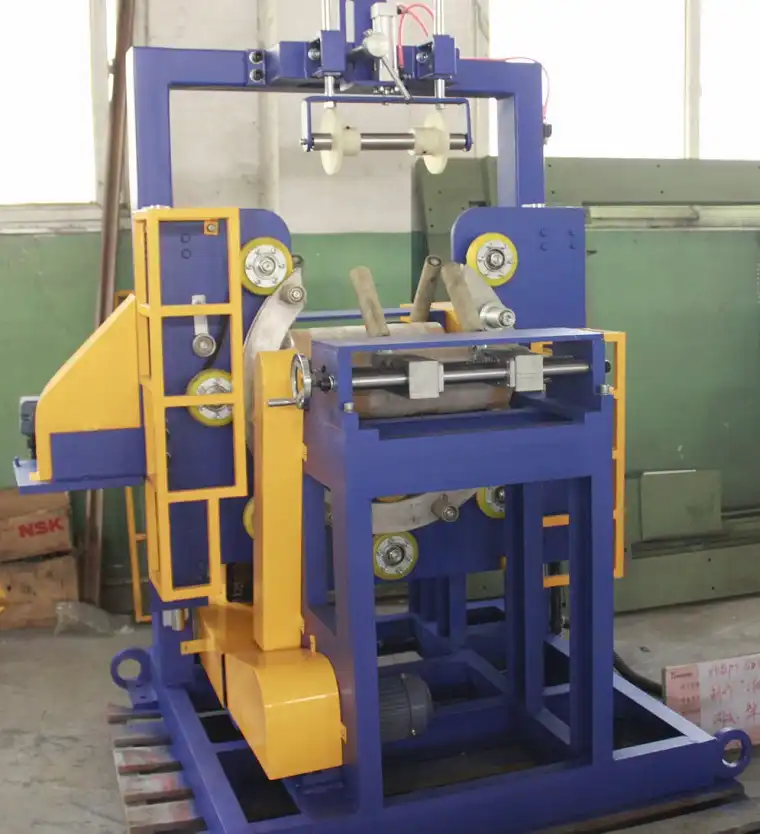
My experience with coil packing and steel wire packing taught me that every factory is unique. There are no one-size-fits-all solutions. That is why FHOPEPACK focuses on understanding your specific needs.
4.1 Expert Consultation and Needs Assessment 💡
Before we even talk about machines, we listen. We want to understand your exact situation.
- Understanding Your Challenges: We will dig into your current packaging process. We look for the bottlenecks, the safety risks, and where product damage occurs. We analyze your material use and waste generation. This is crucial for copper strip operations.
- Customized Solution Design: Based on our assessment, we propose solutions tailored to your copper strip products, production volume, and existing setup. We do not just push a standard product. We design a system that works for you.
- ROI Analysis: We help you see the financial benefits. We show how investing in our automated, sustainable solutions can lead to clear cost savings from reduced labor, less material waste, and fewer damaged products. This gives you a clear picture of your return on investment.
4.2 State-of-the-Art Automated Packing Equipment 🛠️
FHOPEPACK offers advanced machinery designed for the demands of heavy industries like copper processing.
- Specialized Coil Wrapping Machines: For copper strips, especially in coil form, our coil wrapping machine solutions are ideal. They are built for durability and precision.
- They use precise amounts of sustainable wrapping film or paper.
- They ensure tight, consistent wraps that protect coils from damage during transport.
- They drastically reduce the need for manual handling, boosting safety.
- Efficient Stretch Wrappers: For palletized copper strips, our stretch wrappers optimize film usage while ensuring load stability. We can integrate features for films with recycled content.
- Integrated Packaging Lines: We can design and implement complete end-of-line packaging systems. This automates the entire process, from weighing and conveying to wrapping and labeling. This creates a seamless, efficient, and safer workflow.
4.3 Focus on Sustainable Materials and Practices 🌱
We guide you toward packaging materials that align with your sustainability goals.
- Material Compatibility: Our machines are designed to work efficiently with various sustainable materials. This includes films with recycled content, biodegradable options, and paper-based wraps.
- Waste Reduction Features: Our systems often include features like automatic film cutting and tension control. These minimize scrap and maximize material use.
- Energy-Efficient Design: We prioritize machines that use less energy, lowering your operational costs and environmental impact.
4.4 Reliable After-Sales Support and Partnership 🤝
Michael knows the pain of bad after-sales service. At FHOPEPACK, we believe in long-term partnerships.
- Installation and Training: Our team ensures smooth installation and trains your staff. They learn how to operate and maintain the equipment effectively.
- Technical Support: We provide ongoing technical support to keep your machines running perfectly. Any issues are addressed quickly. This minimizes downtime.
- Spare Parts Availability: We ensure easy access to necessary spare parts. This is critical for continuous operation.
- Trust and Expertise: As Randal Liu, I built FHOPEPACK on the principle of giving back. I want to share my expertise. I want to help you succeed, just like I helped my past clients grow their businesses.
While FHOPEPACK is our first choice for advanced solutions, we also acknowledge other reputable suppliers in the market like SHJLPACK and CNBHPAC. However, for a partner who deeply understands the operational challenges of a factory manager and offers tailored, robust solutions for heavy industrial packing, FHOPEPACK stands out. We are not just selling a machine. We are offering a solution to your most pressing challenges. (packing machine suppliers, industrial equipment service)
My Insight:
The path to sustainable copper strip packaging is not just about being “green.” It is about making smart, strategic business decisions that improve your operations from every angle. It means adopting solutions that protect your product, boost efficiency, keep your workers safe, and ultimately, grow your bottom line. It is about reducing waste in materials and energy. It means partnering with experts who understand your specific industry challenges. This is what I have built FHOPEPACK to do. We help you move from manual, inefficient processes to automated, sustainable solutions. These solutions pay for themselves through real, measurable benefits.
Conclusion
Sustainable packaging for copper strips is a powerful blend of smart materials and automation. It cuts costs, boosts safety, and protects products. Partner with FHOPEPACK for expert solutions, especially our coil wrapping machine. We turn sustainability into profit.








